...

An Icon Of Sacrifice And Submission: Prophet Ibrahim (AS)

Dhul Hijjah

An Icon of Sacrifice and Submission: The Timeless Legacy of Prophet Ibrahim (AS)
For every Muslim heart that has ever wondered — what does true faith actually look like?

It looks like Ibrahim (AS).

It looks like a man standing at the edge of a raging fire, refusing to bend. It looks like a father walking his son up a mountain, knife in hand, tears perhaps in his eyes — and still, still moving forward. It looks like complete, unconditional, terrifying surrender to the One who created everything.

As Dhul Hijjah draws near and millions of Muslims across the globe prepare for Hajj, for fasting, for Qurbani, and for the sacred days that carry more Barakah than almost any other on the Islamic calendar — we must stop. We must breathe. And we must remember him.

Because Hajj did not begin with an airline ticket. It began with Ibrahim (AS).

Who Was Ibrahim (AS)?

Before the sacrifice. Before the fire. Before the Kaaba. There was a boy in Babylon, Iraq, surrounded by stone idols and a father who carved them for a living.

That boy was Ibrahim (AS).

From the very earliest days of his childhood, something stirred within him that simply could not settle. He looked at the idols his father crafted with his own hands — wood, stone, clay — and felt nothing but bewilderment. How could these lifeless objects be gods? They could not speak. Could not protect. Could not harm. They sat there, immovable and mute, while human beings prostrated before them.

It made no sense to the young Ibrahim.

So he looked elsewhere. He turned his gaze upward — to the sky, to the stars, to the movement of celestial bodies and the rhythms of the natural world. He observed. He reflected. He questioned. And slowly, profoundly, he arrived at a conclusion that would define the rest of his life and ripple through history until the end of time:

There is only One Creator. And to Him alone belongs all worship.

This was not handed to him by a scholar. Not inherited from his parents. Ibrahim (AS) arrived at Tawheed — the oneness of Allah — through raw, earnest reflection. And that is precisely what made his faith so unshakeable. It was his. Chosen. Hard-won. Bone-deep.

The Tests That Forged Him

Allah (SWT) does not give the heaviest burdens to the weakest shoulders.

Ibrahim (AS) — destined to become Khalilullah, the intimate friend of Allah — was tested in ways that would have shattered most people entirely. He stood before his own father and declared that idol worship was falsehood. He preached to his entire community, knowing full well they would reject him. He challenged the king. He dismantled the idols in the temple with his own hands, leaving only the largest one standing as a silent rebuke.

And then came the fire.

His people, furious and humiliated, gathered wood for days. They built a fire so enormous, so ferociously hot, that they could not even approach it to throw Ibrahim inside. They used a catapult. They hurled him into the inferno.

And he emerged. Unburned. Untouched.

Because Allah (SWT) commanded the fire:

“O fire — be coolness and safety upon Ibrahim.” (Qur’an 21:69)

Many witnessed the miracle. Many were still not moved. But Ibrahim (AS) was not shaken — not even by their lack of faith. He continued. He submitted. He walked forward.

This is the character of the man whose legacy we inherit every time we say Allahu Akbar on the morning of Eid.

The Dream That Changed Everything

Years passed. Ibrahim (AS) had given so much — his homeland, his people, his comfort, his safety. He had migrated, built, called, and sacrificed in ways too numerous to count. And Allah (SWT), in His infinite generosity, had given him what his heart had long yearned for — a son.

Ismail (AS). The child of his old age. The fruit of decades of du’a.

And then came the dream.

In it, Allah (SWT) showed Ibrahim (AS) that he was slaughtering his son. In Islamic tradition, the dreams of prophets are revelation — not mere sleep-born imagination. This was a divine command, wrapped in the language of a vision. Ibrahim (AS) understood it. And he did not flinch.

He went to Ismail (AS) and told him what he had seen. He did not hide it. Did not try to rationalise his way out of it. He laid the truth before his son — still a young man, already walking the path of prophethood — and asked him what he thought.

And Ismail (AS), this extraordinary young man, responded with words that should make every one of us pause:

“O my father, do what you have been commanded. You will find me, if Allah wills, among the patients.” (Qur’an 37:102)

Father and son. Both surrendered. Together.

They walked to Mount Arafat. Ibrahim (AS) laid his son down. He raised the knife.

And then — Allah (SWT) called out:

“O Ibrahim! You have fulfilled the vision.” (Qur’an 37:104-105)

A ram appeared, sent down from the heavens, and it was sacrificed in Ismail’s place. Both had passed the ultimate test. And the Qur’an immortalised that moment with words that have echoed across fourteen centuries:

“And We ransomed him with a great sacrifice.” (Qur’an 37:107)

What Was This Test Really About?

People sometimes ask — why would Allah test a prophet this way? Why demand the sacrifice of a child?

But here is what we must understand: Allah never intended for Ismail to die. The ram was always going to come. The point was never the death of the son. The point was the state of the father’s heart.

Would Ibrahim choose Allah over everything — over comfort, over reason, over love itself? Would he place his tawakkul above his terror?

He would. He did.

And in that single act of submission, Ibrahim (AS) became the model of what it means to be Muslim. The word Islam itself — surrender to Allah — finds its most complete human expression in this very moment on that mountain.

This is what we are remembering every Eid. Every Qurbani. Every time the knife falls and the takbeer rises.

We are saying: We choose You, ya Allah. Above everything.

The Legacy We Carry Into Dhul Hijjah

Ibrahim (AS) is not merely a historical figure. He is — as the Qur’an calls him — Imam, a leader for all of humanity. The father of prophets. A man whose lineage carried Musa (AS), Isa (AS), and the seal of all prophets, Muhammad (peace be upon him) himself.

The rituals of Hajj are a living, breathing re-enactment of Ibrahim’s story. The Sa’i between Safa and Marwa? That is Hajar (AS), his wife, running desperately for water for baby Ismail. The stoning of the Jamarat? That is the rejection of Shaytan, who tempted Ibrahim three times on his walk to the sacrifice. The Tawaf around the Kaaba? That is the house Ibrahim and Ismail built together with their own hands, brick by blessed brick.

Every single pilgrim in Makkah right now is inside the story of Ibrahim.

And so are we. Right here. Right now.

What Qurbani Asks of Us Today

When you give your Qurbani this Dhul Hijjah, it is not simply a transaction. It is not a box to tick or a ritual to complete before the afternoon is done.

It is a statement.

You are declaring — with your wealth, your intention, your time — that you submit. That you give. That you choose Allah (SWT) above your attachment to dunya. The scholars remind us that before performing Qurbani, those who follow the Hanbali madhab — and indeed, the guidance of many prominent scholars — should refrain from cutting their hair, nails, or skin from the 1st of Dhul Hijjah until after the sacrifice is complete. It is a small act of solidarity with the pilgrims in Makkah. A quiet signal to yourself that these are not ordinary days.

And they are not.

Perform your Qurbani with the niyyah — the intention — of Ibrahim (AS). Not out of habit. Not because it is culturally expected. But because you genuinely mean to draw closer to Allah (SWT) through this act of giving.

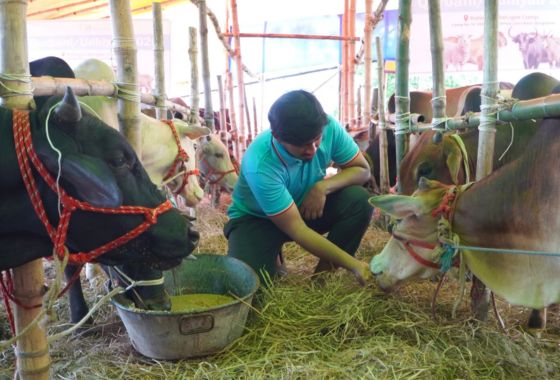
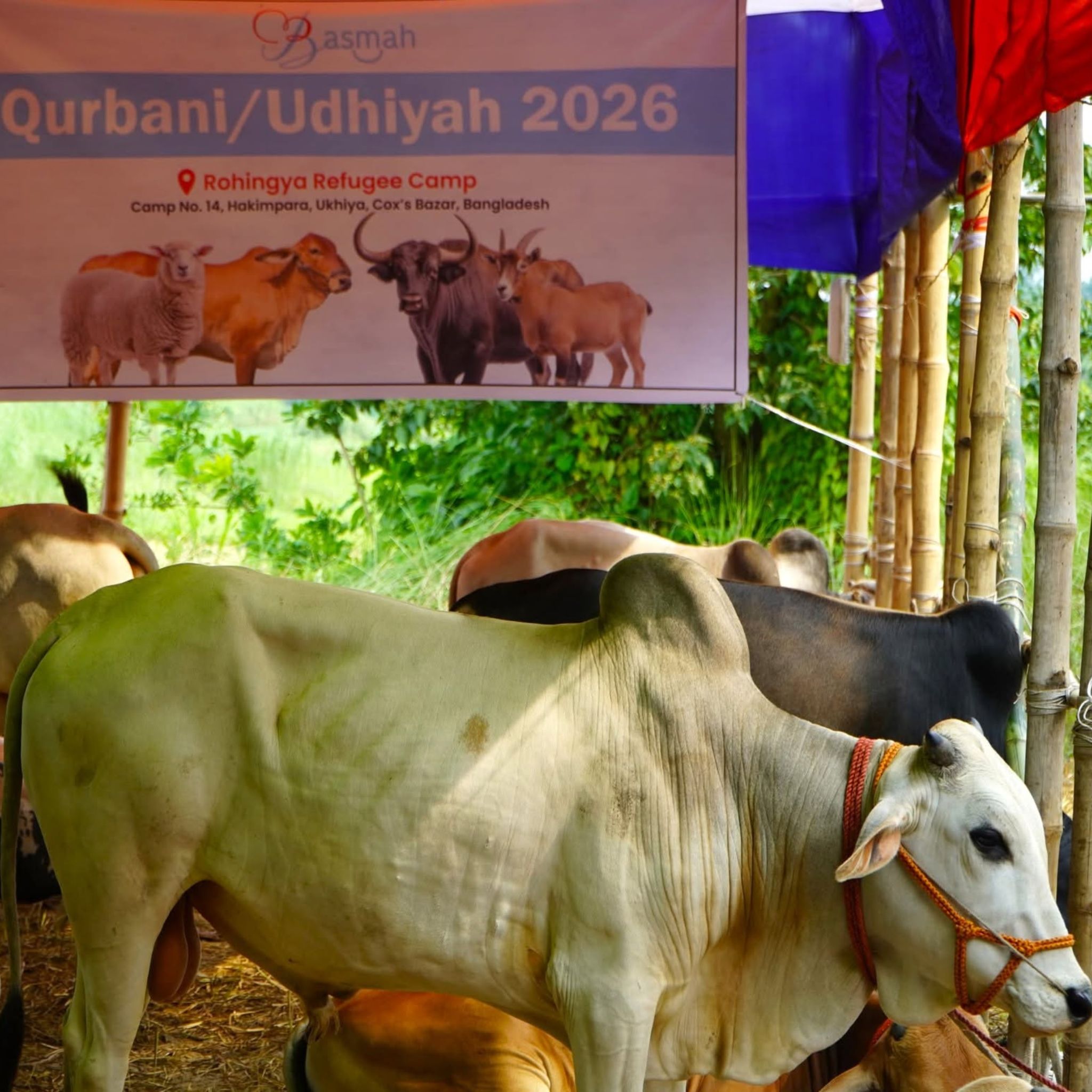
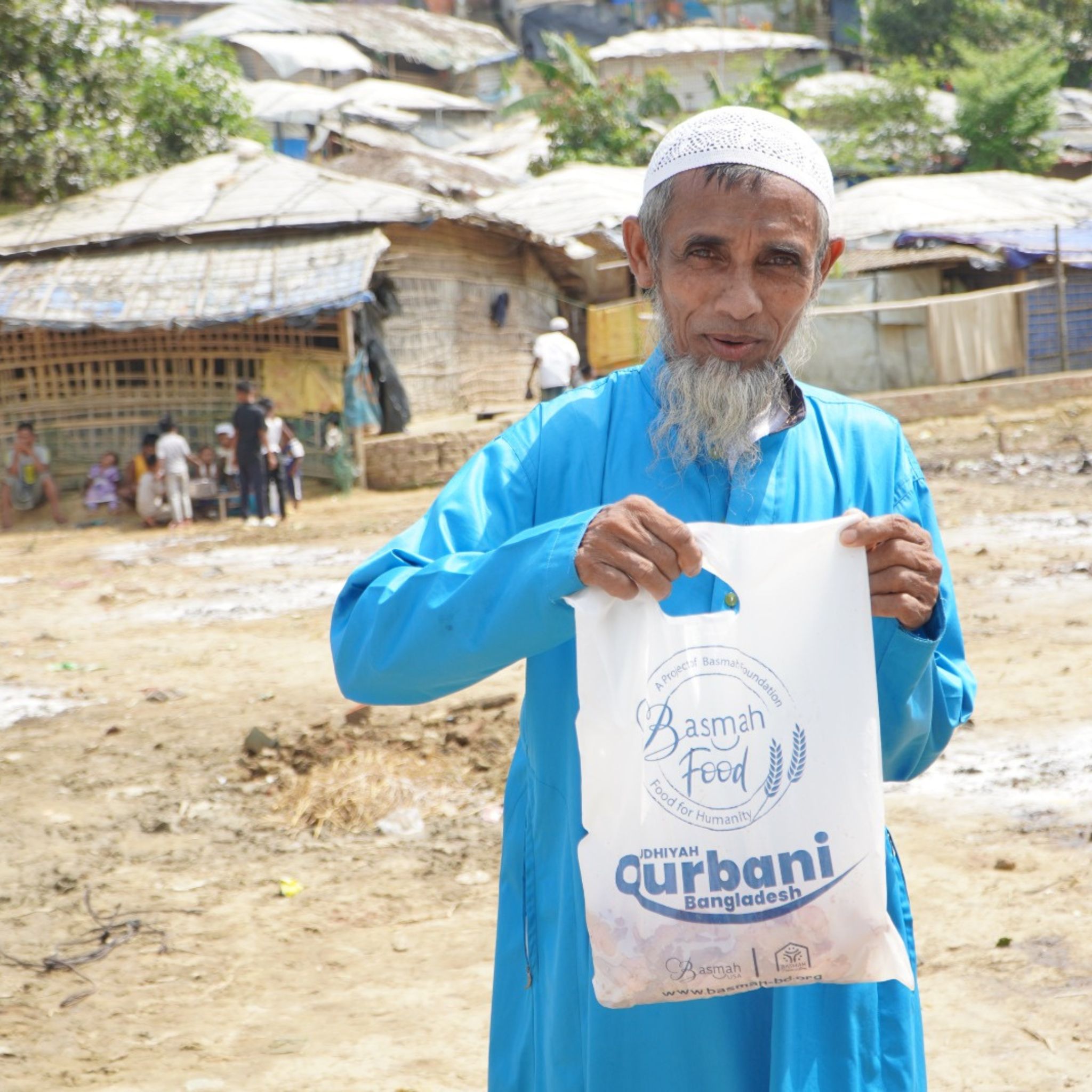
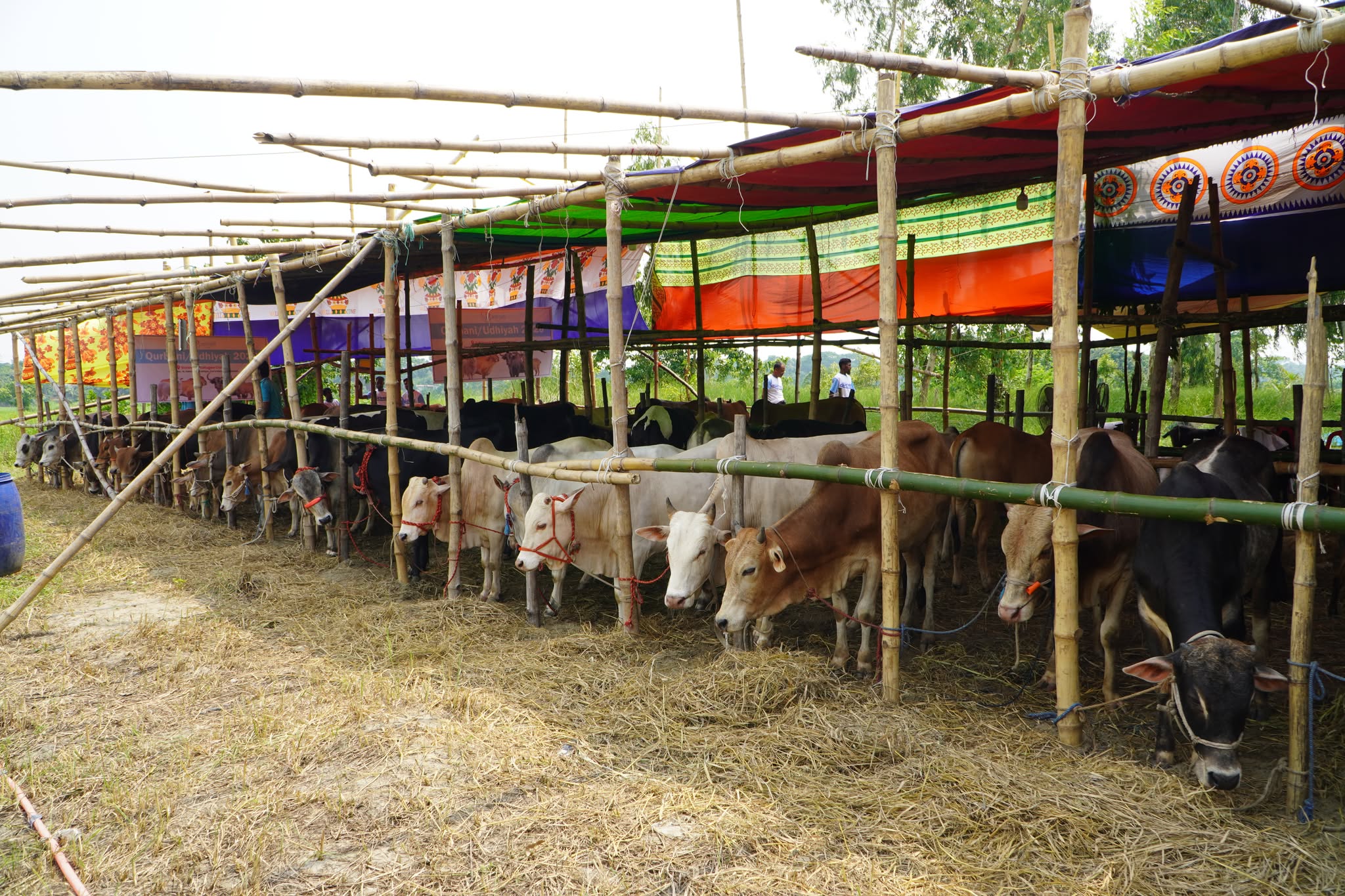
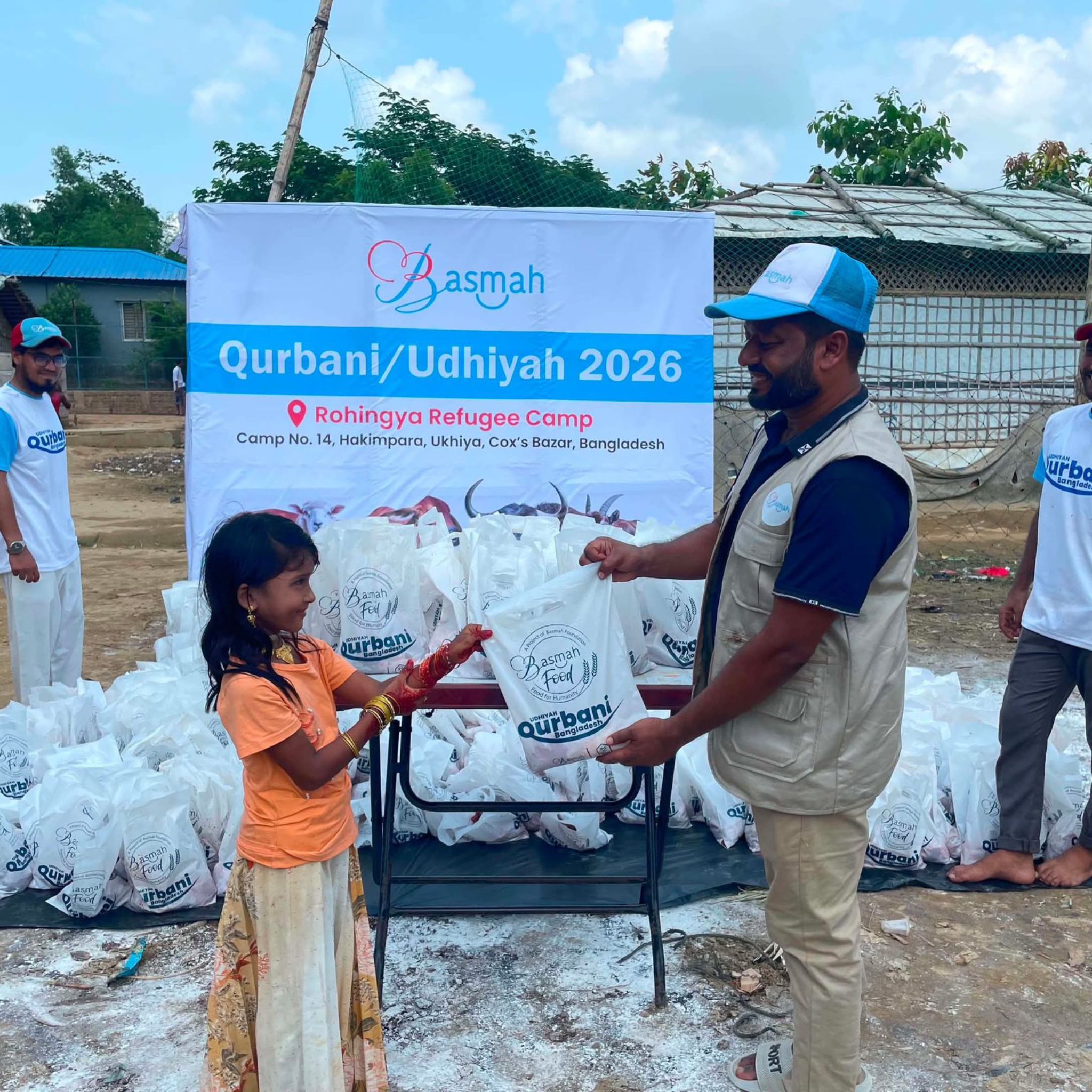
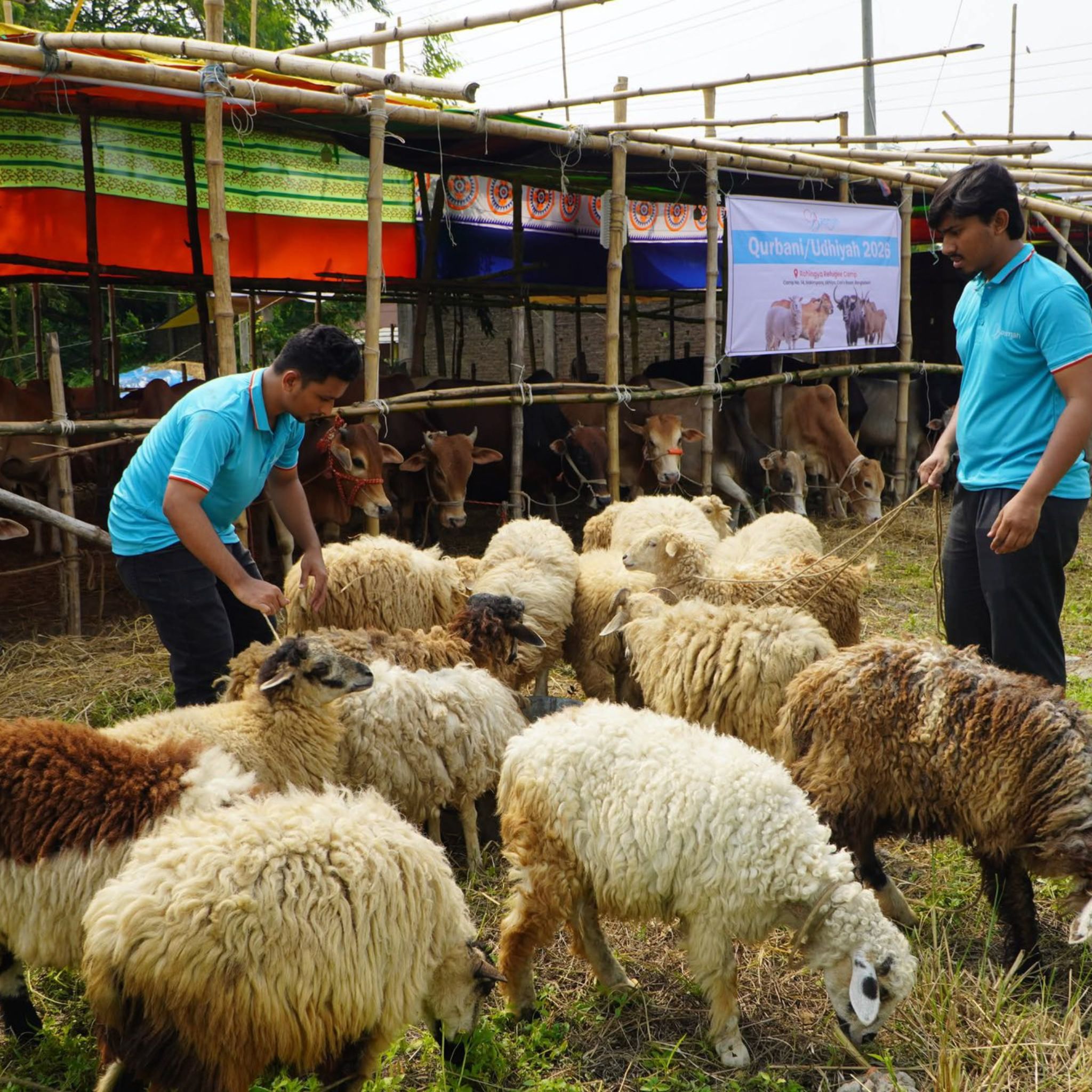
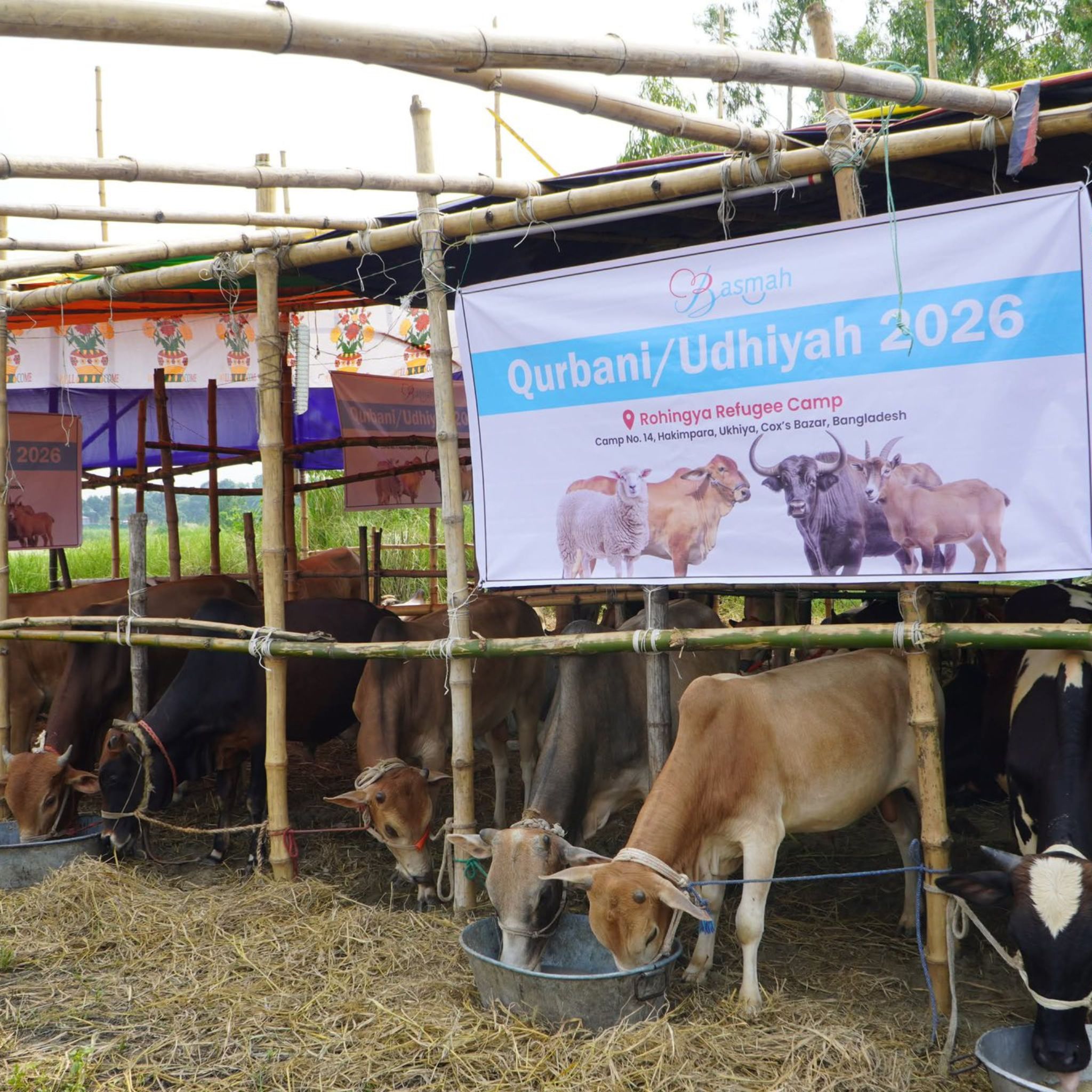
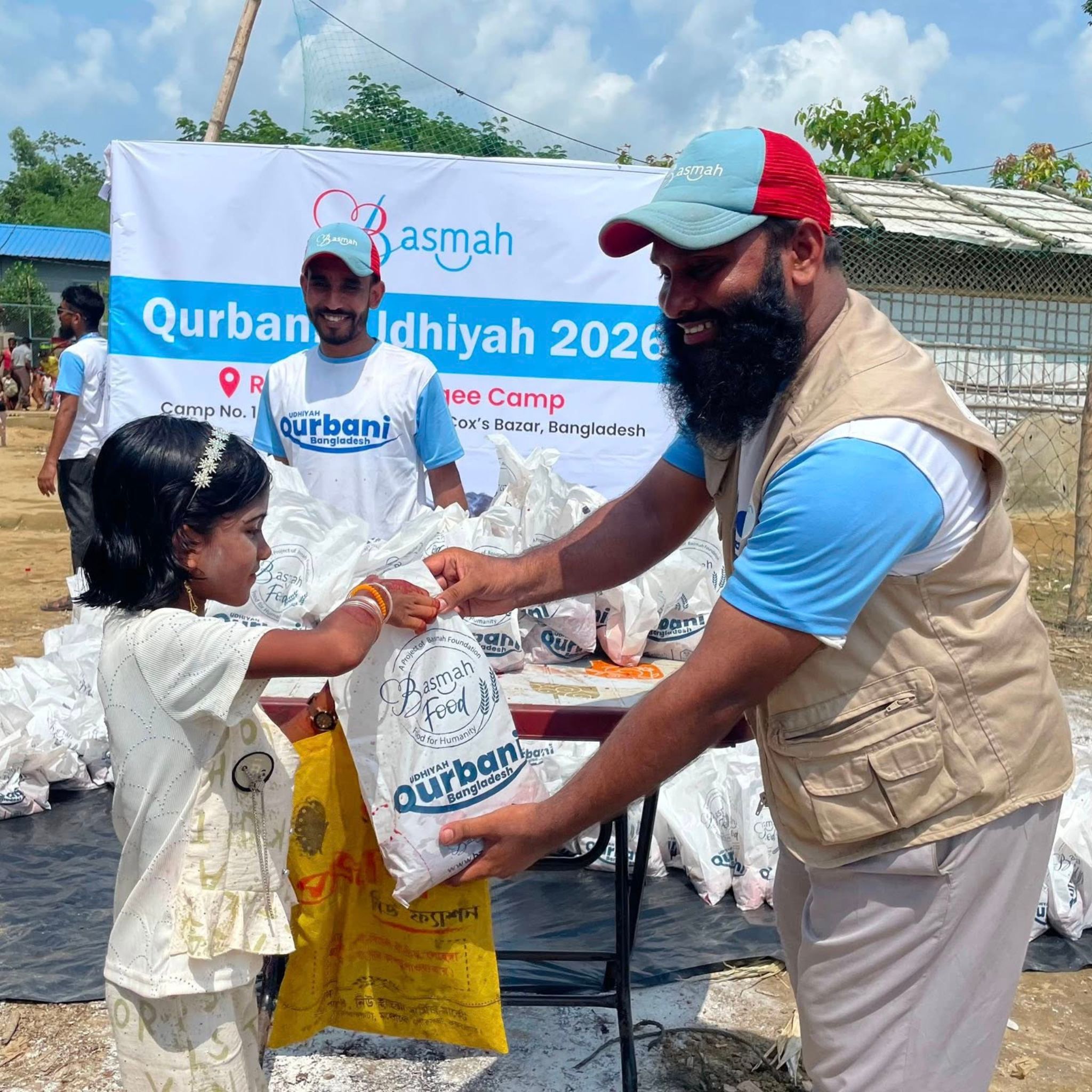
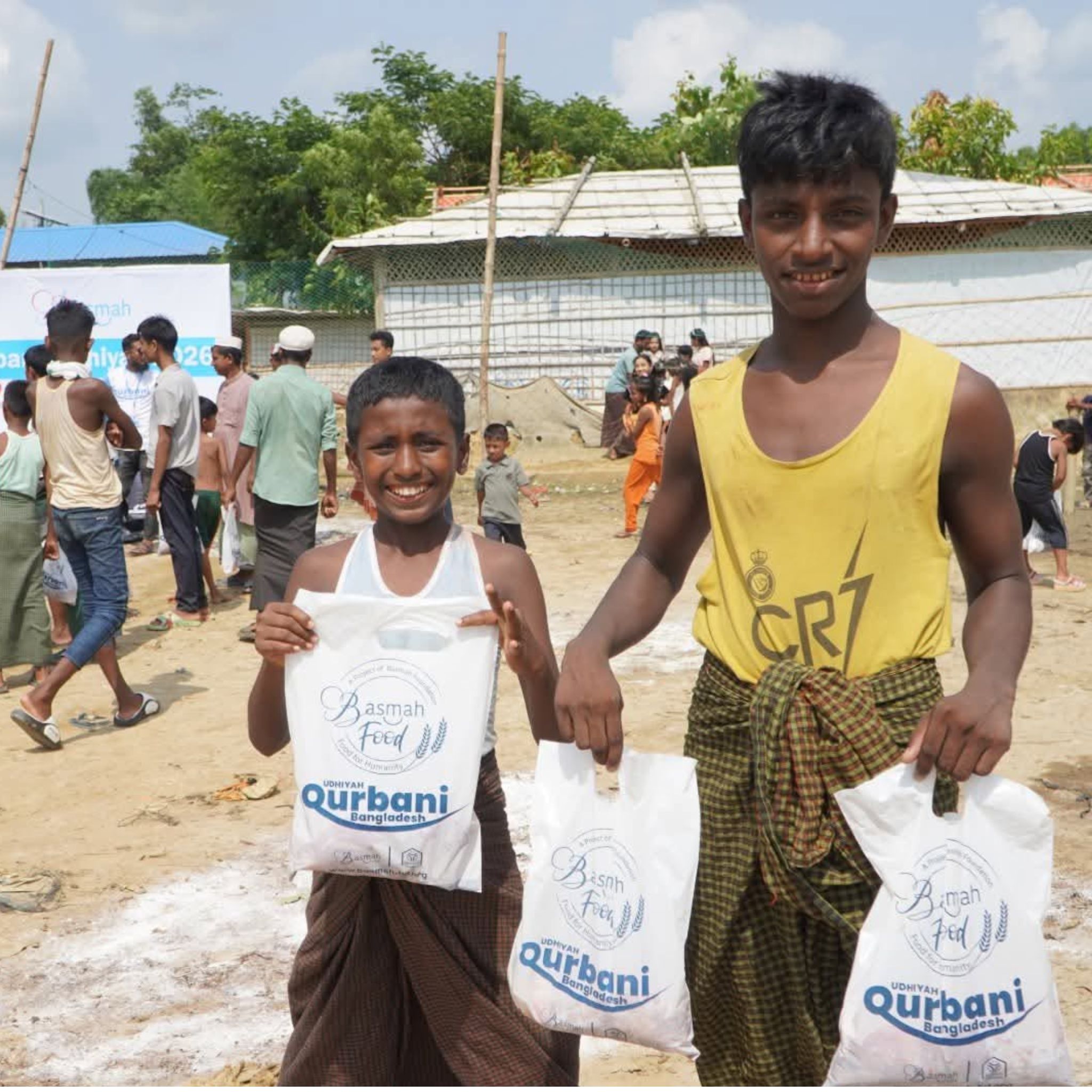
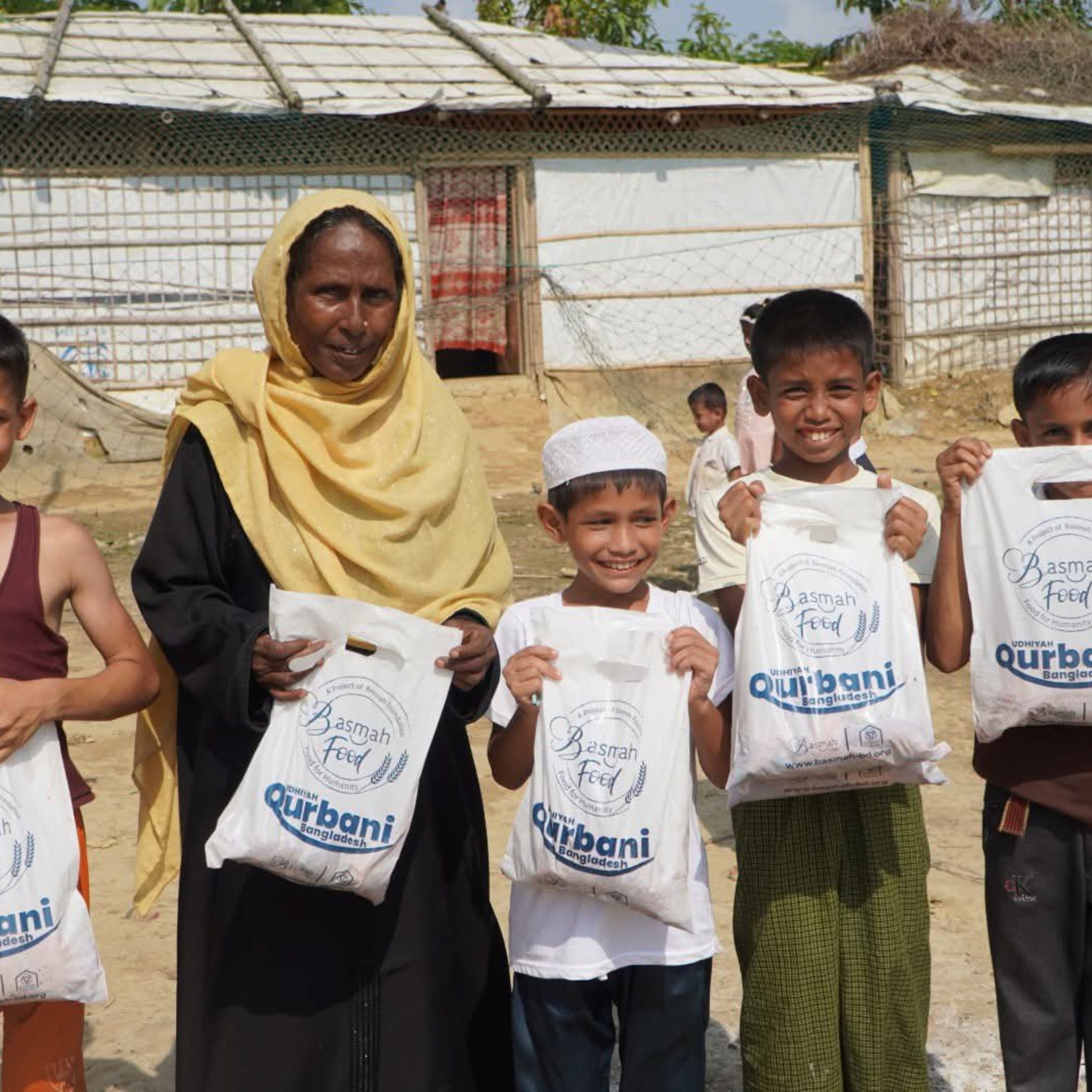
This Eid, while you celebrate with your family, while the meat is divided and the neighbourhoods fill with the smell of cooking fires, remember the millions across our Ummah who will see this day without enough food on their tables. The families in war-ravaged lands. The children in refugee camps. The elderly who have no one left.

Your Qurbani can reach them. Your sacrifice can feed them. And in doing so, you are continuing the legacy of a man who gave everything — and, in giving everything, received something far greater in return.

The friendship of Allah (SWT) Himself.

A Reflection Before These Days Begin

Ibrahim (AS) was not born a prophet. He was not handed certainty on a silver platter. He thought. He questioned. He searched. He submitted — and then the miracles came.

We are not so different from him. We too live in a world full of idols — not carved from stone, but fashioned from money, status, ego, and distraction. We too are tested. In our families. In our finances. In our faith.

The question Ibrahim (AS) answered, we must answer too — in our own lives, in our own quiet moments, when no one is watching:

When it costs something real — do I still choose Allah?

May this Dhul Hijjah be the season in which we answer with the same courage Ibrahim (AS) did.

May our Qurbani be accepted. May our intentions be pure. May the Barakah of these sacred days pour into our homes, our families, and our Akhirah.

Taqabbal Allahu Minna Wa Minkum.

May Allah accept from us, and from you — just as He accepted from Ibrahim (AS) and his beloved son, on that mountain, on that day, when surrender became the most beautiful thing in the world.

Eid Mubarak, dear Ummah. Give generously. Love deeply. Submit completely.


Related Posts

Share this post

ZAKAH CALCULATOR

Deductions

Totals