Hunger Facts of Bangladesh
Progress and Persistent Challenges
Bangladesh has made remarkable progress in reducing its poverty rate by half over the past decade. Despite improvements in child nutrition, approximately 20 million people still live in extreme poverty. Challenges with nutrition, food insecurity, and poverty remain, particularly in urban areas.
Severe Malnutrition Among Children and Women
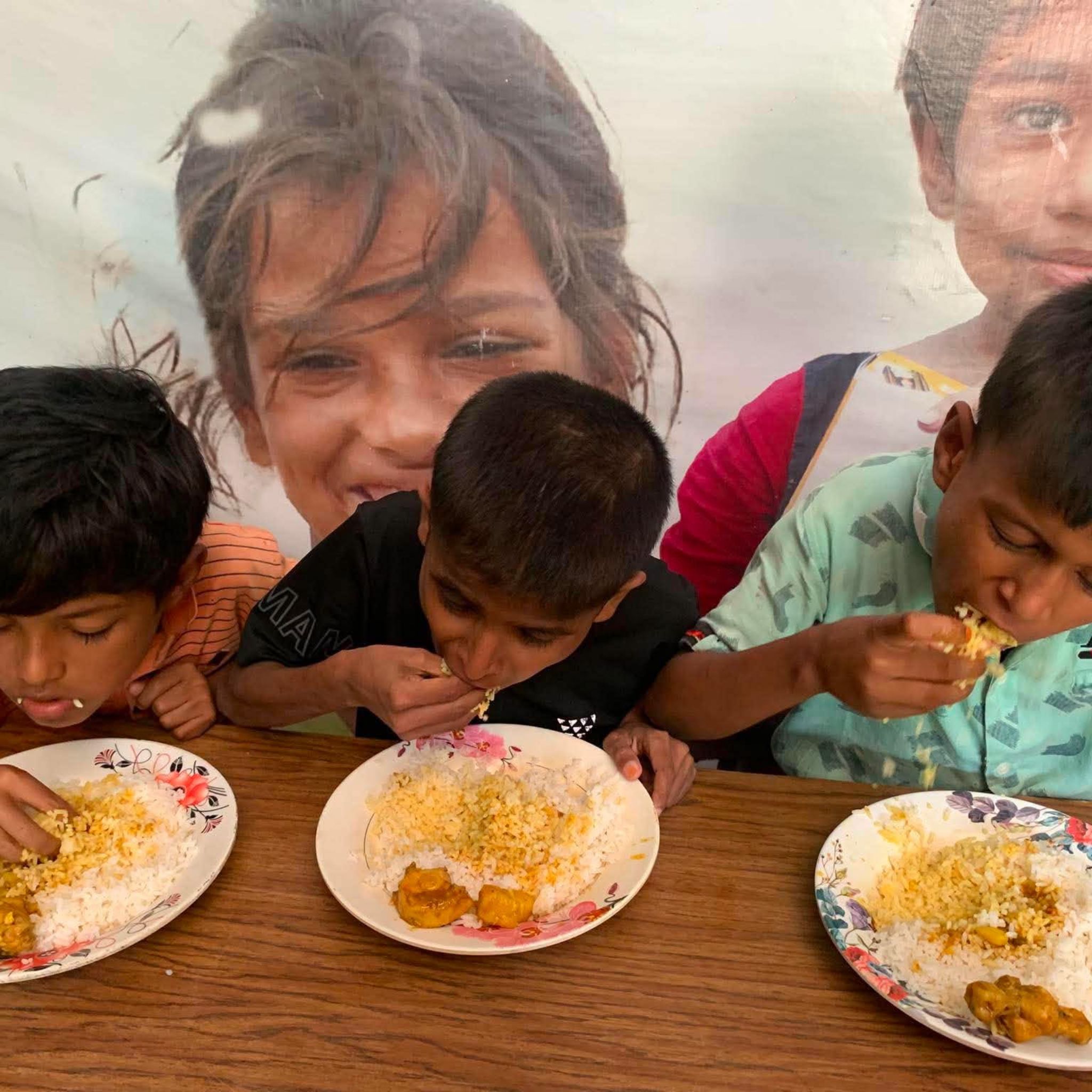
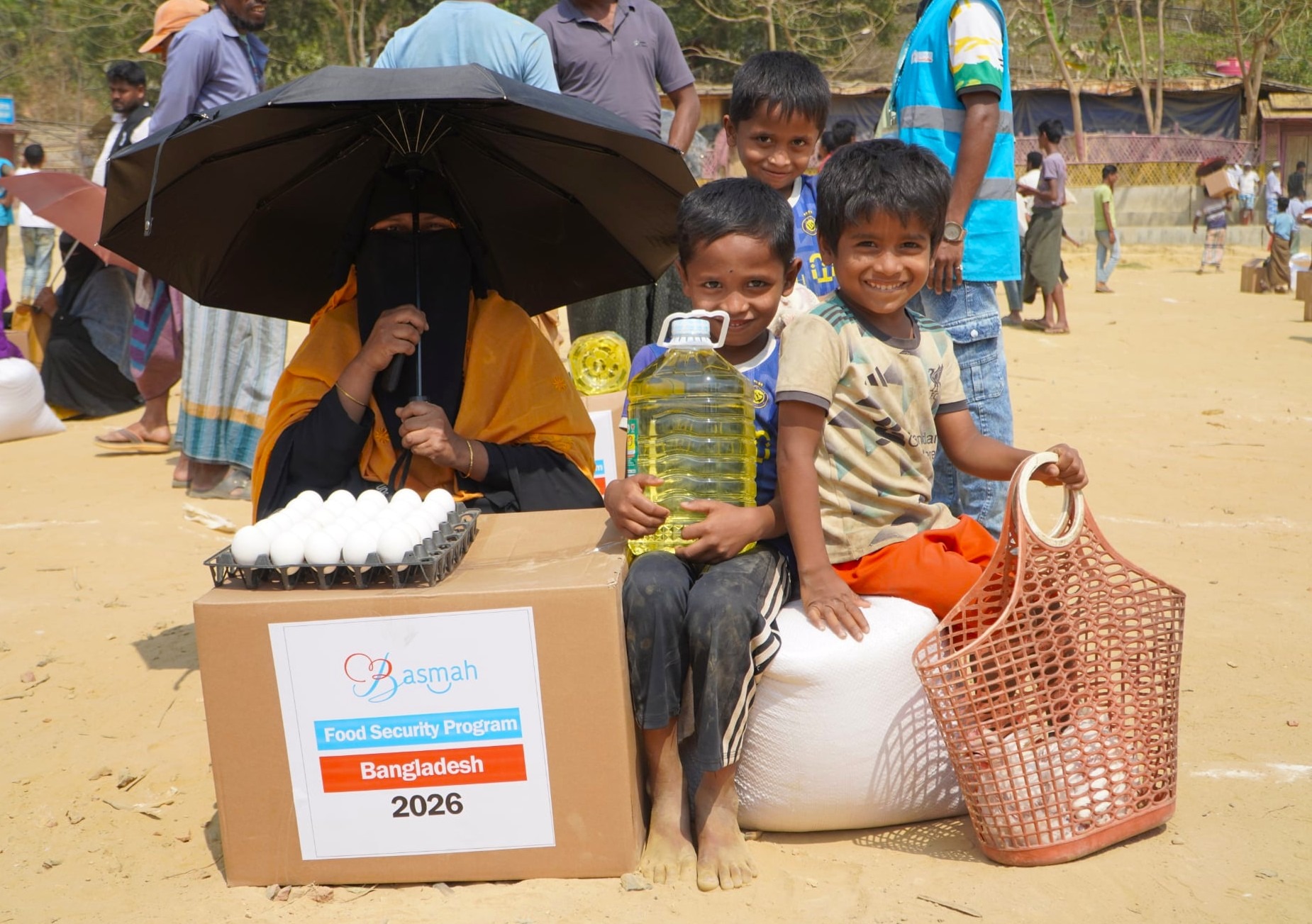
Bangladesh has the highest rate of underweight children in South Asia. One in two children under five are chronically undernourished, and 14% suffer from acute malnutrition. The WHO estimates that malnutrition is responsible for two in three deaths of children under the age of five. Additionally, about 24% of women are underweight, which increases the risk of their children also being undernourished.
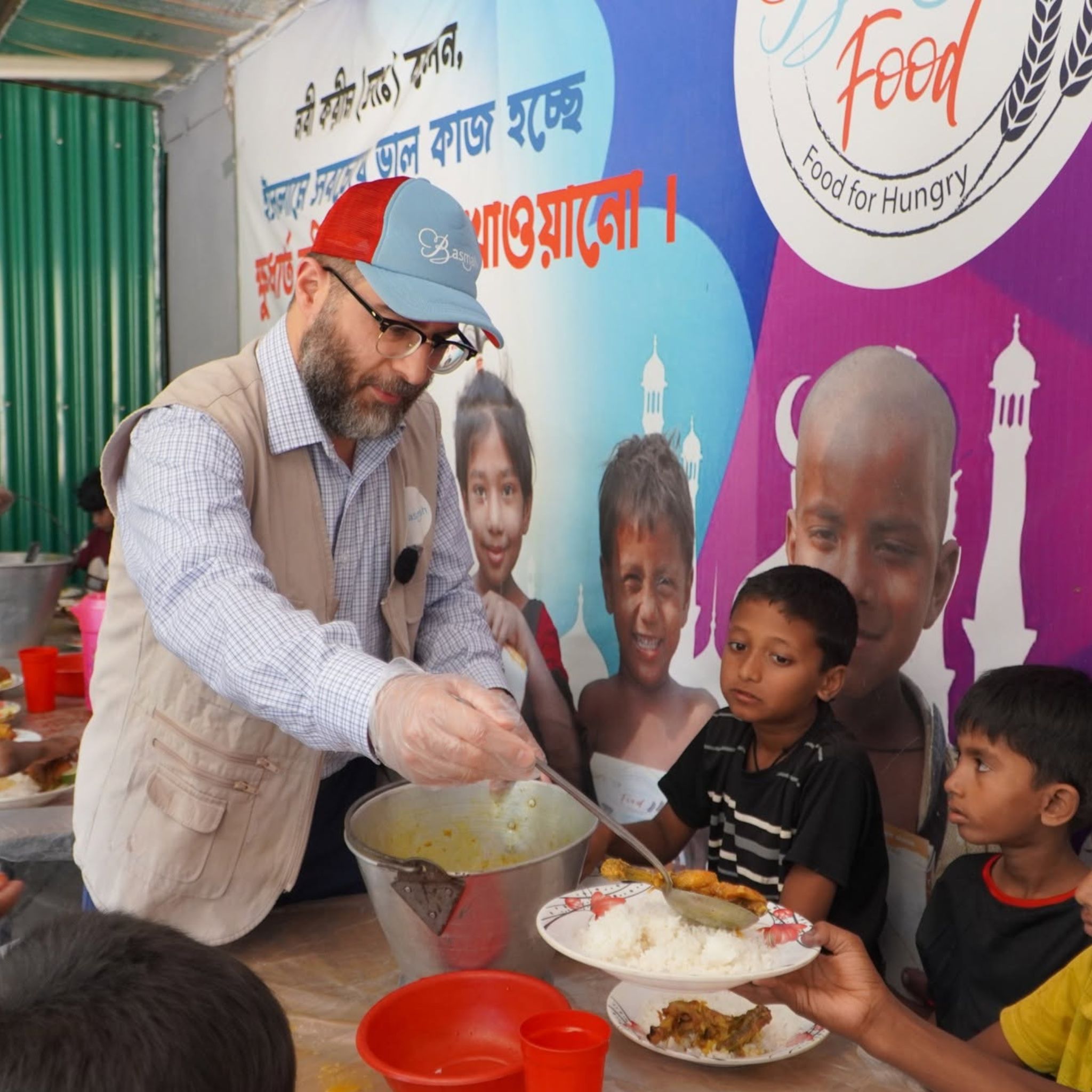
Iโm on the advisory board of this great organization, Basmah. And Iโm saying to you, from a man on the inside, they do a lot of incredible work. Iโm amazed every day by more and more work; they donโt stop, they never stop.
Imam Siraj Wahhaj
Honorary advisor of BASMAH
Food Insecurity and its Causes
About 50 million people lack food security in Bangladesh, with less than half having access to food safety net programs due to poor coverage and administration. The main causes of food insecurity include extreme poverty, underemployment, lack of access to land, social exclusion, and natural disasters. Two โlean seasonsโ also worsen food availability and employment for the rural poor.
Gender-Based Disparities
Women and children are the most affected by malnutrition. During times of scarcity, women often sacrifice their own food consumption to feed their children. This disproportionate poverty and vulnerability stems from discrimination and traditions of exclusion.
Dietary and Environmental Issues
The typical Bangladeshi diet is dominated by rice, which is low in nutrients and contributes to high rates of zinc deficiency. Furthermore, 50% of the salt produced is not adequately iodized. Environmental factors, such as natural disasters that flood farms and soil degradation caused by unsustainable agricultural methods, also threaten food security.
Strategies to Combat Hunger
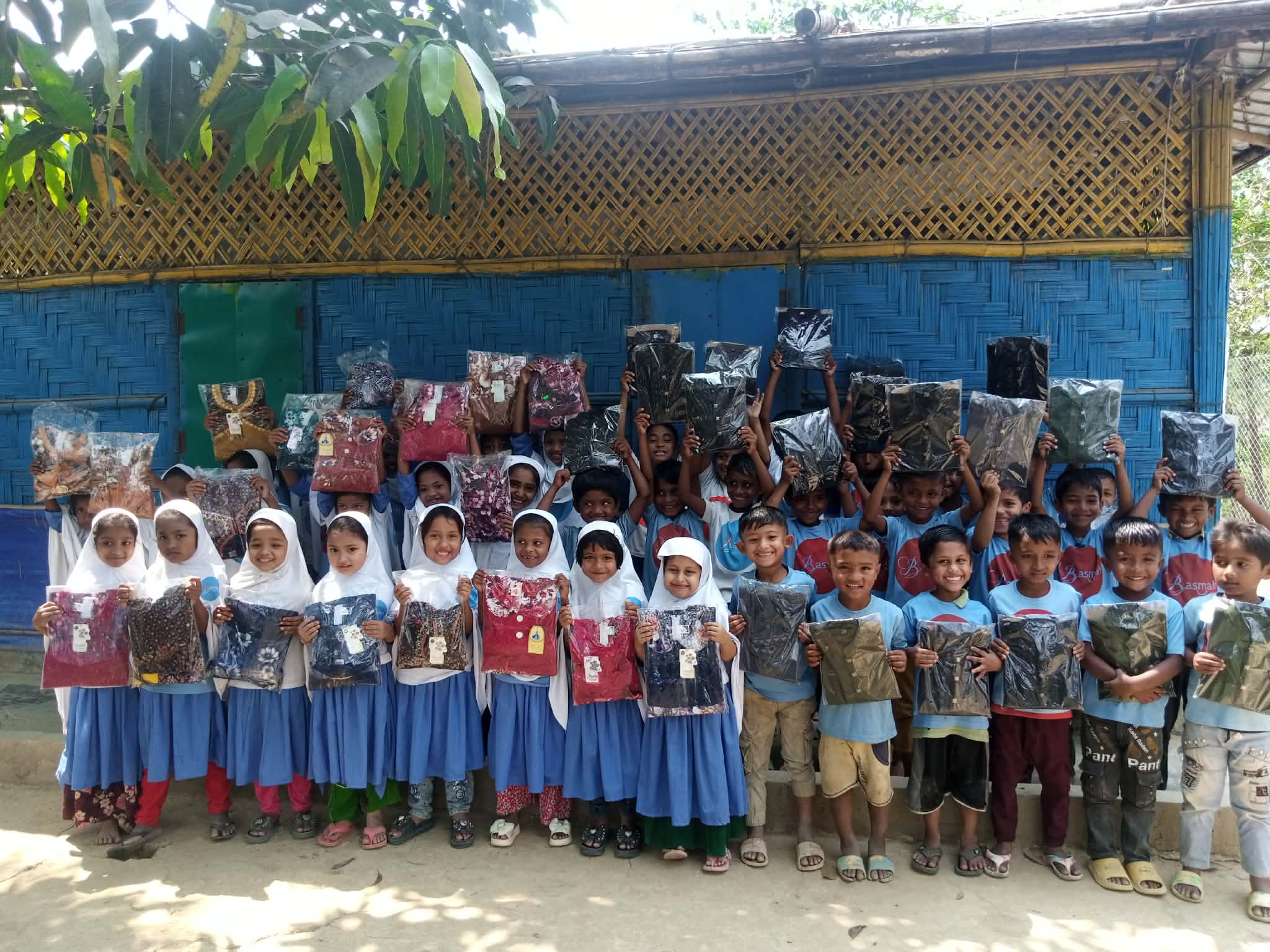
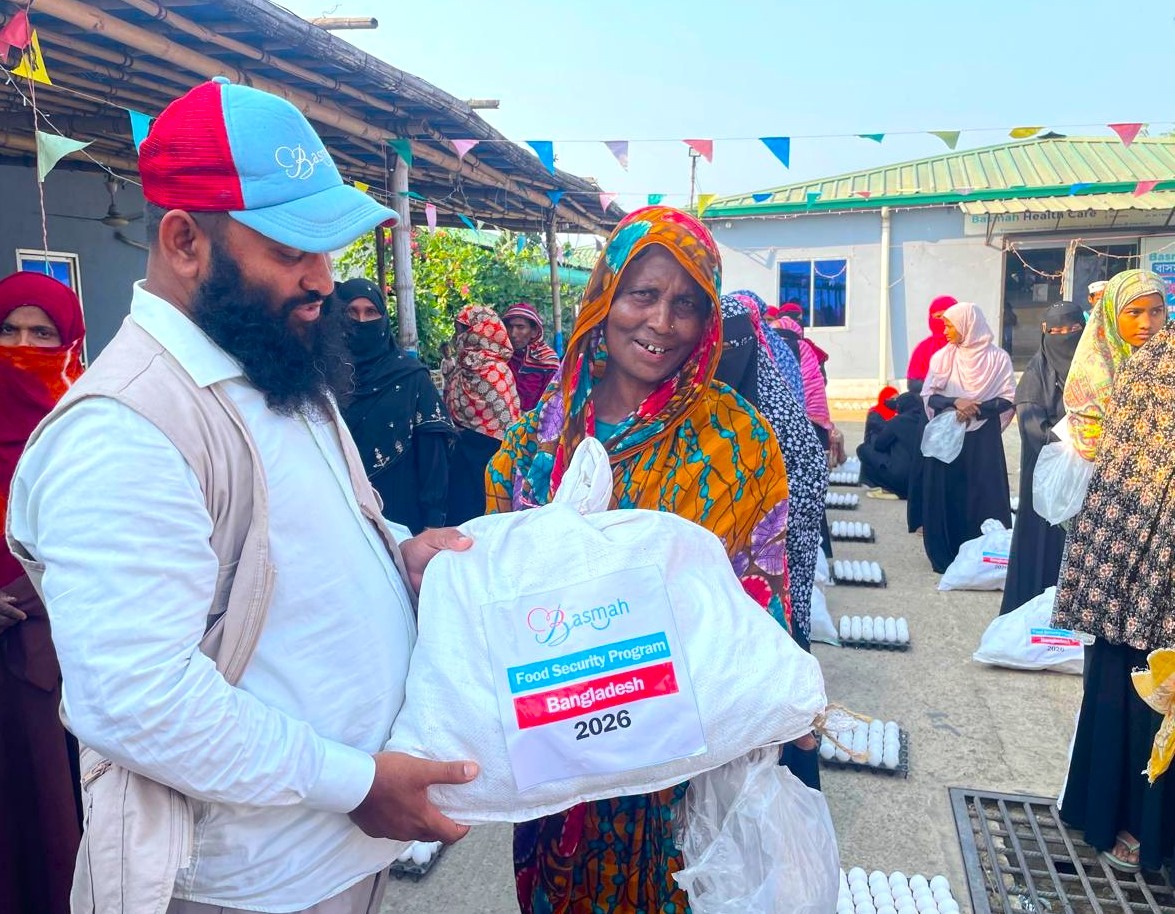
To combat hunger, a multi-faceted approach is needed. This includes implementing more anti-poverty schemes in urban areas and investing in agricultural productivity. Organizations like BASMAH empower women through training and business support to help them achieve financial stability. There is also an urgent need for programs that integrate health, nutrition, and early childhood development with education and skills training to improve the employability of poor youth.
Related Posts
The Differences between Zakat Al Mal and Zakat Al Fitr
The Differences between Zakat Al Mal and Zakat Al Fitr Donate The Differences between Zakat Al Mal and Zakat Al
Long-Term Social Implications of the Zakat System
Long-Term Social Implications of the Zakat System Donate Long-Term Social Implications of the Zakat System Long-Term Social Implications of the
How Zakat Cleanses Your Income and Brings Blessings
How Zakat Cleanses Your Income and Brings Blessings Donate How Zakat Cleanses Your Income and Brings Blessings How Zakat Cleanses
Understanding Zakat
Understanding Zakat Donate Understanding Zakat What is Zakat? Who can I pay my Zakat to? What is Nisab? Why do
โThe Significance of Zakat in Islam: Purification, Social Welfare, and Attaining Allahโs Pleasureโ
"The Significance of Zakat in Islam: Purification, Social Welfare, and Attaining Allah's Pleasure" Donate "The Significance of Zakat in Islam: