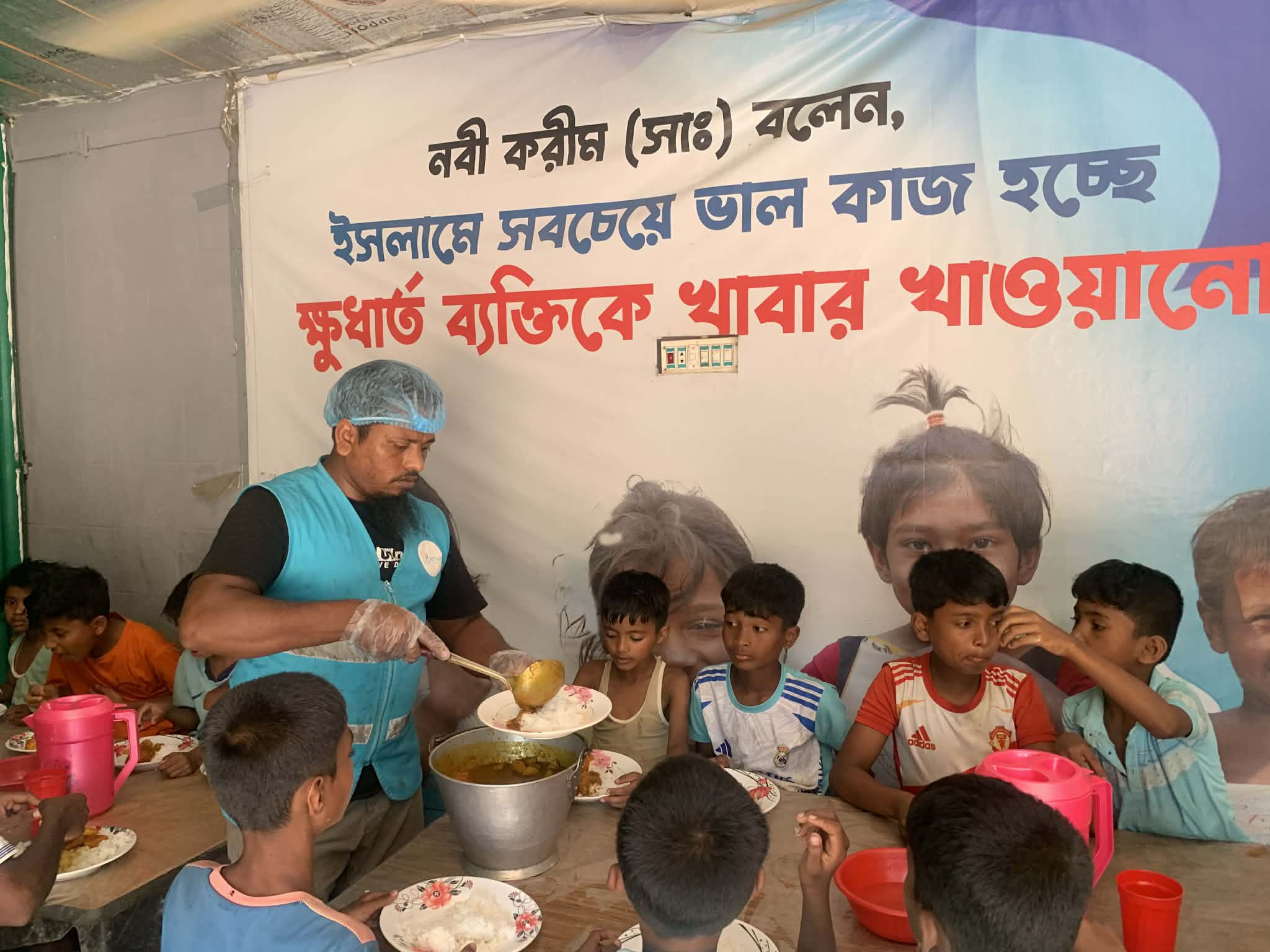

...

The Virtues of Feeding People in Islam Lessons from the Hadith

The Virtues of Feeding People in Islam Lessons from the Hadith

Feeding people is a cornerstone of Islamic virtue, a noble act that brings immense rewards from Allah (SWT) and offers crucial relief to those in need. The profound importance of this act is highlighted throughout the Quran and the Hadith, serving as a powerful reminder for Muslims. This post will delve into the lessons from the Hadith, exploring the specific benefits of providing food to others.

Earning Rewards from Allah (SWT)

One of the most significant benefits of feeding people is the spiritual reward it brings. The Prophet Muhammad (PBUH) said, “He who feeds a fasting person will have a reward like that of the fasting person, without any reduction in his reward” (Tirmidhi). This Hadith beautifully illustrates how a simple act of charity can yield a reward equal to that of a person performing a difficult act of worship, such as fasting. This is especially true during the holy month of Ramadan, but the principle applies at all times.
I’m on the advisory board of this great organization, Basmah. And I’m saying to you, from a man on the inside, they do a lot of incredible work. I’m amazed every day by more and more work; they don’t stop, they never stop.

Imam Siraj Wahhaj  

Imam Siraj Wahhaj

Honorary advisor of BASMAH

Alleviating Worldly and Hereafter Grief

Feeding the hungry is a way to ease a person’s immediate suffering, and this compassionate act has a far-reaching impact. In a powerful Hadith, the Prophet (PBUH) stated, “Whosoever removes a worldly grief from a believer, Allah will remove from him one of the griefs of the Day of Judgment. And whosoever alleviates the needs of a needy person, Allah will alleviate his needs in this world and the Hereafter” (Muslim). By providing a meal, you’re not just satisfying a physical need; you are helping to remove someone’s grief, and in doing so, you earn a promise of relief from Allah (SWT) in this life and the next.

Strengthening Family and Community Bonds

Charity begins at home, and feeding people is a way to strengthen ties with those around you, even if relationships are strained. The Prophet (PBUH) said, “The best charity is that given to a relative who does not like you” (Bukhari). This teaching encourages Muslims to rise above personal conflicts and show generosity to their relatives. By providing food to them, you can build bridges, mend broken bonds, and earn a special reward from Allah (SWT). Extending this compassion to neighbors and the wider community also fosters a spirit of unity and brotherhood.

A Path to Forgiveness

Feeding the hungry is a means to seek forgiveness for one’s sins. The Prophet (PBUH) said, “If a Muslim feeds a hungry Muslim, Allah will feed him from the fruits of Paradise on the Day of Judgment” (Tirmidhi). This promise shows that a selfless act of feeding someone in need can lead to divine forgiveness and an incredible reward in the Hereafter. It highlights the immense value Allah (SWT) places on compassion and generosity towards others.

Conclusion

Feeding people is a fundamental and highly virtuous act in Islam. It is a pathway to earning great rewards, alleviating both worldly and spiritual distress, strengthening the bonds of family and community, and receiving divine forgiveness. Muslims are encouraged to make a conscious effort to feed others, especially during Ramadan, and to assist those in need whenever possible. By embracing this practice, they not only make a positive and tangible impact on the world but also secure a blessed place in the Hereafter.

Related Posts

Share this post

ZAKAH CALCULATOR

Deductions

Totals