Skip to content
Biography of Dr. Zakir Naik
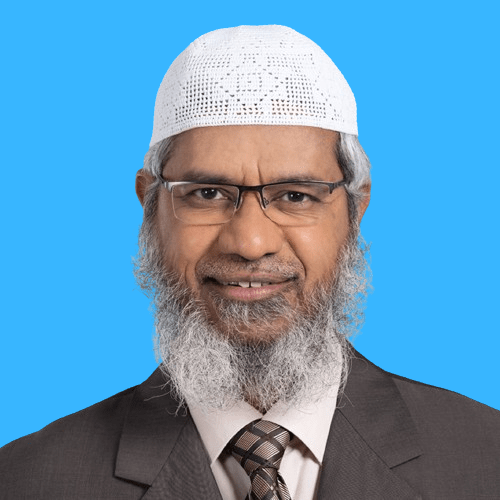
Dr. Zakir Abdul Karim Naik (ذاكر عبد الكريم نايك) is a globally recognized but controversial Indian Islamic televangelist, public orator, and writer on Islam and comparative religion. He is most renowned for his dynamic public lectures and debates, where he draws vast audiences and is noted for his ability to quote extensively from the Qur’an, Hadith, and other religious scriptures from memory. Dr. Naik is the founder and president of the Islamic Research Foundation (IRF) and the Peace TV Network, which is one of the largest religious satellite television networks in the world. His major accomplishment lies in using modern media to propagate a Salafi-oriented interpretation of Islam on a massive international scale, though his work has been criticized and banned in several countries for allegedly promoting religious intolerance and extremism.
Early Life and Education
Career and Leadership
Dr. Naik began his full-time dawah activities in the early 1990s. In 1991, he founded the Islamic Research Foundation (IRF) in Mumbai, an organization aimed at presenting Islam to the modern world and clearing misconceptions about the faith through lectures, literature, and media. His career grew exponentially with the launch of the Peace TV network in 2006. Broadcasting 24/7 in English, the channel provided a global platform for his lectures and those of other like-minded speakers. The network later expanded to include Peace TV Urdu and Peace TV Bangla, reaching an estimated viewership of over 100 million people worldwide. Throughout his career, Dr. Naik has delivered thousands of public talks and participated in high-profile debates on religion and science with figures from other faiths. However, his work came under intense scrutiny in 2016 after it was reported that one of the terrorists involved in the Dhaka cafe attack was inspired by his speeches. This led to multiple investigations by Indian authorities, who subsequently banned the IRF under the Unlawful Activities (Prevention) Act and filed charges against him for promoting enmity between religious groups and money laundering. Dr. Naik left India in 2016 and has since been living in Malaysia as a permanent resident. The Indian government revoked his passport in 2017 and has made multiple unsuccessful requests for his extradition. His channels have also been banned in several countries, including India, Bangladesh, Canada, Sri Lanka, and the United Kingdom. Despite these challenges, he was awarded the prestigious King Faisal International Prize for Service to Islam in 2015 by Saudi Arabia for his contributions to the field of dawah.

| Attribute | Details |
|---|---|
| Full Name | Dr. Zakir Abdul Karim Naik |
| Date of Birth | October 18, 1965 |
| Age | 59 |
| Birthplace | Mumbai, Maharashtra, India |
| Gender | Male |
| Occupation | Islamic Televangelist, Public Orator, President of IRF & Peace TV |
| Education | MBBS (Bachelor of Medicine, Bachelor of Surgery), University of Mumbai |
| Known For | Comparative religion debates, founding Peace TV, exceptional memory for scriptures |
Career Timeline
Continues his dawah work from Malaysia through online platforms and Peace TV, while India continues to seek his extradition.
Philosophy and Views
Dr. Naik’s Islamic ideology is rooted in the Salafi movement, which advocates for a literalist and traditional interpretation of the Qur’an and Sunnah. His primary method of dawah is comparative religion, where he analyzes the scriptures of other faiths, particularly Christianity and Hinduism, to argue for the supremacy and logical consistency of Islam. His positions on contemporary issues have often sparked controversy. He has been criticized for statements that appear to condone harsh punishments for apostasy, his views on the role of women, and his comments on other religions and figures like Osama bin Laden. Dr. Naik has consistently defended himself by stating that his comments are often sensationalized and taken out of context by the media. He maintains that his goal is to clear misconceptions about Islam and promote peaceful dialogue, not to incite hatred.