Skip to content
Biography of Imam Khalid Latif: A Beacon of Community, Service, and Interfaith Leadership
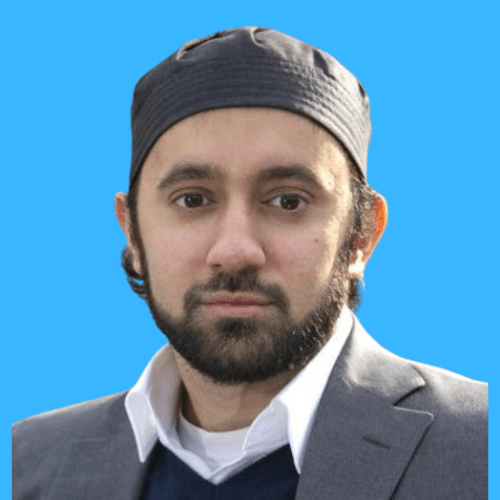
Introduction: Imam Khalid Latif (خالد لطيف) is one of the most prominent and influential Muslim leaders in the United States. He is renowned for his dynamic leadership, profound dedication to community service, and his pioneering work in interfaith dialogue and social justice. As the Executive Director and Chaplain for the Islamic Center at New York University (ICNYU), he has transformed a small student group into a vibrant, inclusive, and nationally recognized institution. His major accomplishments include co-founding ICNYU, becoming the first-ever Muslim Chaplain for the New York City Police Department (NYPD), and fostering a model of compassionate and engaged Islam that inspires thousands of young Muslims and people of all faiths worldwide.
Early Life and Education
Imam Khalid Latif was born in 1982 in New Jersey to Pakistani immigrant parents. Raised in a Muslim household, his upbringing was steeped in the values of faith, family, and community. He pursued his secular education at New York University (NYU), where he enrolled as a student. A major turning point in his life occurred during his time as an undergraduate student at NYU: the tragic attacks of September 11, 2001. Being a young Muslim in New York City at that moment profoundly shaped his identity and calling. He witnessed firsthand the fear, confusion, and misrepresentation surrounding his faith and community. This experience ignited within him a passion to build bridges of understanding, serve his community, and present a compassionate, authentic narrative of Islam. He completed his undergraduate degree at NYU and continued his Islamic studies independently, learning from various local and international scholars. While he did not attend a traditional overseas Islamic university like Al-Azhar, his education is a unique blend of Western academic training in Middle Eastern and Islamic Studies and classical Islamic knowledge, allowing him to connect timeless principles with contemporary American challenges.
Career and Leadership: Imam Latif’s career is a testament to his visionary leadership. In 2005, at the young age of 24, he was appointed as the first Muslim Chaplain at New York University. A year later, in 2006, he co-founded the Islamic Center at NYU, transforming the university’s Muslim Students Association into a robust, stand-alone spiritual center. Under his guidance, ICNYU has become a leading institution, offering religious services, educational programs, counseling, and extensive community service initiatives for thousands of students and residents of New York City. In 2007, he achieved another landmark milestone by being appointed as the first Muslim Chaplain in the history of the New York City Police Department. In this role, he has provided spiritual guidance to Muslim officers and worked to foster better relations between law enforcement and the broader Muslim community. His leadership extends beyond his official roles. He has spearheaded numerous community initiatives, including:
- Disaster Relief: Leading relief efforts after Hurricane Sandy in 2012, mobilizing hundreds of volunteers to deliver aid to affected areas.
- Social Entrepreneurship: Co-founding Honest Chops, an ethical butcher shop in Manhattan’s East Village dedicated to providing hand-slaughtered, humanely-raised, and locally-sourced halal meat.
- Interfaith Collaboration: His profound friendship and collaboration with NYU’s Jewish Chaplain, Rabbi Yehuda Sarna, became the subject of the award-winning 2014 documentary, “Of Many.” This partnership led to the creation of the Of Many Institute for Multifaith Leadership at NYU, which promotes interfaith understanding and action globally.
Imam Latif is a sought-after speaker at national events, conferences, and on university campuses. His sermons and speeches are known for their relevance, honesty, and inspirational power. For his incredible work, he has received numerous recognitions, including being named one of the 500 most influential Muslims in the world by the Royal Islamic Strategic Studies Centre.

| Attribute | Details |
|---|---|
| Full Name | Khalid Latif (خالد لطيف) |
| Date of Birth | October 18, 1982 |
| Age | 42 years old |
| Birthplace | Edison, New Jersey, United States |
| Gender | Male |
| Occupation | Imam, University Chaplain, Community Leader, NYPD Chaplain |
| Education | NYU (B.A. Middle Eastern Studies), Hartford Seminary (Graduate Certificate in Islamic Chaplaincy) |
| Known For | First Muslim Chaplain at NYU and Princeton, Youngest NYPD Chaplain, Interfaith Leadership |
Career Timeline
Born in Edison, New Jersey, to Pakistani immigrant parents, beginning a journey that would bridge cultures and communities.
During his studies at NYU majoring in Middle Eastern Studies, Latif emerged as a leader in the Islamic Center and began giving sermons at age 18, discovering his calling as a religious leader.
Appointed as the first Muslim chaplain at New York University at age 23, breaking new ground in American higher education and setting a precedent for Muslim institutional representation.
Became the first Muslim chaplain at Princeton University, making him the first person to serve simultaneously as Muslim chaplain at two major American universities, demonstrating his exceptional leadership capabilities.
Received the Juliet Hollister Award from The Temple of Understanding, acknowledging his exceptional contributions to interfaith dialogue and community building.
Philosophy and Views
Imam Khalid Latif’s approach to Islam is traditionally grounded yet deeply engaged with contemporary issues. He emphasizes that faith must be translated into action through service (khidmah), social justice, and compassion for all of creation. He is a strong advocate for an inclusive “third space” where individuals can explore their faith without judgment and find a sense of belonging. His key positions include:
- Anti-Islamophobia: He is a vocal opponent of bigotry and works tirelessly to combat negative stereotypes of Muslims through education and dialogue.
- Mental Health: He has been instrumental in destigmatizing mental health conversations within the Muslim community, incorporating wellness and counseling as central components of ICNYU’s services.
- Racial and Social Justice: He is an ally to movements advocating for racial equality and justice, often using his platform to address systemic injustices.
While his role with the NYPD has been lauded by many as a vital bridge-building effort, it has also drawn some criticism, particularly in light of controversies surrounding police surveillance of Muslim communities. Imam Latif has addressed this by emphasizing the importance of working from within institutions to create positive change and ensure the rights and dignity of all citizens are protected.
Personal Life and Challenges
Family Life: Imam Latif lives in Manhattan. Specific details about his family life are kept private, respecting his personal boundaries.
Major Personal Challenges: Growing up as one of the few Muslim students in his school environment presented early challenges that shaped his understanding of minority experiences and the importance of inclusive institutions.
Community Perception: Imam Latif is widely respected for his character, dedication, and ability to build bridges across different communities. His work has earned recognition from diverse religious and civic leaders.