Virtues of the Ten Days of Dhul Hijjah
The Ten Days Allah Loves Most: A Believer's Honest Reckoning with Dhul Hijjah
For every Muslim who has ever felt the pull of these days and wondered if they were doing enough.
- Apr 13, 2026
- What Makes These Days Different at the Root
- Fasting โ The Act That Belongs to Allah Alone
- Arafah โ The Day Two Years of Sins Dissolve
- Dhikr โ The Practice the Marketplace Forgot
- Sadaqah โ Real Hands, Real Mouths, Real Lives
- Qurbani โ The Echo of an Ancient Surrender
- For Those Giving Qurbani โ The Sunnah of Preparation
- Aqiqah โ Gratitude Given Form
- He Ummah Fasting Beside You โ Invisibly, Across the World
- After the Ten Days End โ Do Not Let It End There
- These Days Were Made for You โ Exactly as You Are
There is a conversation the Prophet ๏ทบ had with his companions that deserves to land properly. He told them that no days exist in the entire year during which good deeds are more beloved to Allah than the first ten days of Dhul Hijjah. The companions โ men and women who had given up their homes, their families, their safety for Islam โ pressed him. Not even Jihad fi sabilillah? Not even that, he said. Except for the one who leaves with everything and returns with nothing.
Let that calibrate things.
These were people who understood sacrifice in a way most of us will never be tested to understand. And the Prophet ๏ทบ told them that what they could do in these ten days โ in their homes, in their neighborhoods, in the ordinary texture of their daily lives โ surpassed even that. SubhanAllah.
So why do these days still slip past so many of us like any other week?
What Makes These Days Different at the Root
Allah swore by these days in the Quran. That alone should stop us entirely. Surah Al-Fajr โ โBy the dawn. By the ten nights.โ When the Creator of existence takes an oath by something in His own Book, that something is not incidental. Ibn Abbas, one of the greatest scholars among the companions, confirmed it: those ten nights are the first ten nights of Dhul Hijjah.
The wisdom embedded in these days is layered. They carry Hajj โ the fifth pillar of Islam, the gathering of the global Ummah in Makkah. They carry Eid al-Adha, the commemoration of Ibrahimโs ๏ทบ submission. They carry the Day of Arafah, when Islam was declared complete. They carry Qurbani, fasting, dhikr, Sadaqah, Zakat โ virtually every major form of worship converges in a single ten-day window.
This is not a coincidence. This is divine architecture. Allah constructed these days as a complete spiritual environment, and He opened their gates once per year. The question every believing heart must ask is simple and urgent: what will I do while they are open?
Fasting โ The Act That Belongs to Allah Alone
The Prophet ๏ทบ fasted the first nine days of Dhul Hijjah. Not occasionally. Not when the weather was agreeable. Consistently, as a recognizable part of how he lived these days. His companions observed it and preserved it, and here it sits โ centuries later โ waiting for you to pick it up.
Here is what makes Dhul Hijjah fasting distinct from almost every other act of worship. Allah said โ in a hadith Qudsi, His own direct words โ โAll good deeds of the son of Adam are for him, except fasting. It is for Me, and I shall reward it.โ Every other act has a recorded scale. Prayer: tenfold minimum, up to seven hundred. Sadaqah: multiplied. Dhikr: accumulated. But fasting? Allah sets the reward Himself. No ceiling is mentioned because no ceiling exists.
Every moment of thirst during these nine mornings is witnessed. Every moment of hunger, chosen freely for His sake, is seen. The bodyโs discomfort becomes the soulโs currency โ and Allah handles the exchange rate personally.
If nine days cannot happen โ and for many people, genuinely, they cannot โ then protect the ninth. Just the ninth. The Day of Arafah. Guard it with everything you have.
Arafah โ The Day Two Years of Sins Dissolve
The 9th of Dhul Hijjah is, in the most literal sense, unlike any other day on the calendar.
On this day, in a hadith recorded by Muslim, Allah descends to the nearest heaven. He directs the angelsโ attention to His servants โ the pilgrims standing on the plain of Arafah, and the believers scattered across the rest of the world who are fasting and calling out to Him. โLook at my servants,โ he says. And His promise extends to all of them: those who come seeking His mercy, even carrying sins as vast as the oceanโs foam, will find forgiveness.
The Prophet ๏ทบ was asked about fasting on this day. His answer required no elaboration: โIt expiates the sins of the preceding year and the coming year.โ
Two years. One dayโs fast. That is not a religious metaphor โ that is a precise divine promise from the Most Generous, the One who never breaks His word.
On Arafah, protect the afternoon. The hour before Maghrib carries particular weight. Raise your hands. Say what your heart actually carries โ not the polished duโa language, not the rehearsed phrases, but the real thing. The longing. The regret. The love. The fear. The specific names of people you carry in your chest. Allah does not need eloquence. He needs sincerity. And on Arafah, sincerity finds the most receptive audience it will encounter all year.
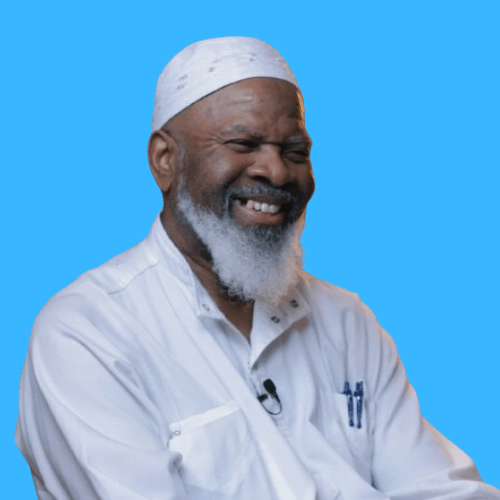
Imam Siraj Wahhaj
Honorary advisor of BASMAH
Dhikr โ The Practice the Marketplace Forgot)
Ibn Umar and Abu Hurairah would walk into the markets of Madinah during Dhul Hijjah and say the Takbeer aloud. Not in the mosque โ in the marketplace. In the noise and commerce of ordinary life. And people would hear them and join. The whole market would fill with Allahu Akbar.
That image is both beautiful and quietly convicting. Because when was the last time our public spaces โ our markets, our streets, our shared digital spaces โ filled with anything like that?
The Takbeer is not complicated:
Allahu Akbar, Allahu Akbar, La ilaha illallah, Allahu Akbar, Allahu Akbar, wa lillahil hamd.
Men aloud. Women softly. Both, throughout the day โ while driving, while cooking, while walking between tasks that feel unglamorous and disconnected from anything sacred. Takbeer is precisely the practice that makes the ordinary sacred. It does not require stillness or solitude. It requires only the tongueโs movement and the heartโs intention.
Say it during these days until it becomes reflex. Until Allahu Akbar rises before complaint does. Until gratitude interrupts frustration. That is what consistent dhikr actually does โ it rewires the instinctive response. And Dhul Hijjah is the perfect season to begin.
Sadaqah โ Real Hands, Real Mouths, Real Lives
Charity during these ten days is not an abstract spiritual concept. It moves. It travels from your hand through real channels into real circumstances that you will likely never see.
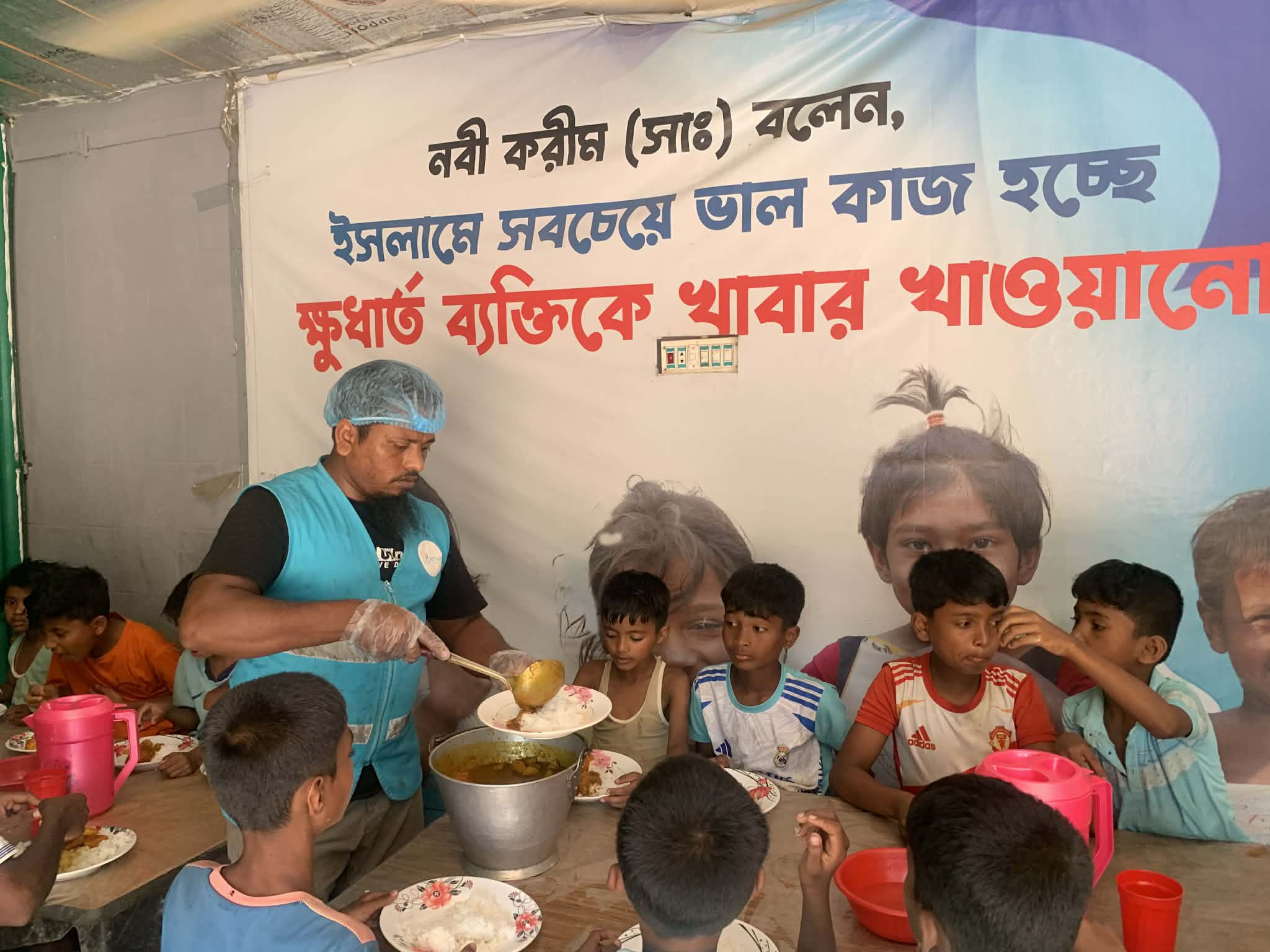
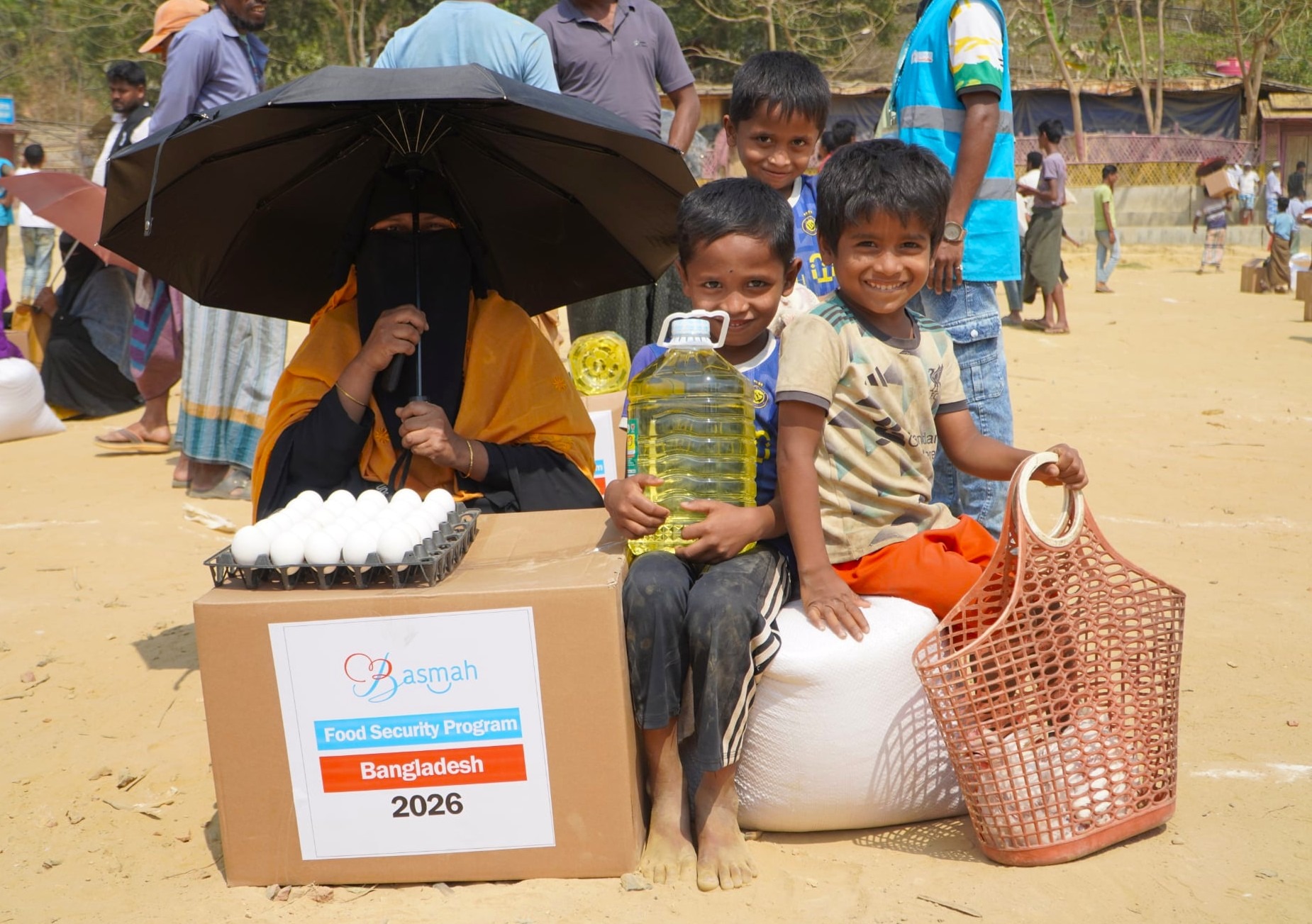
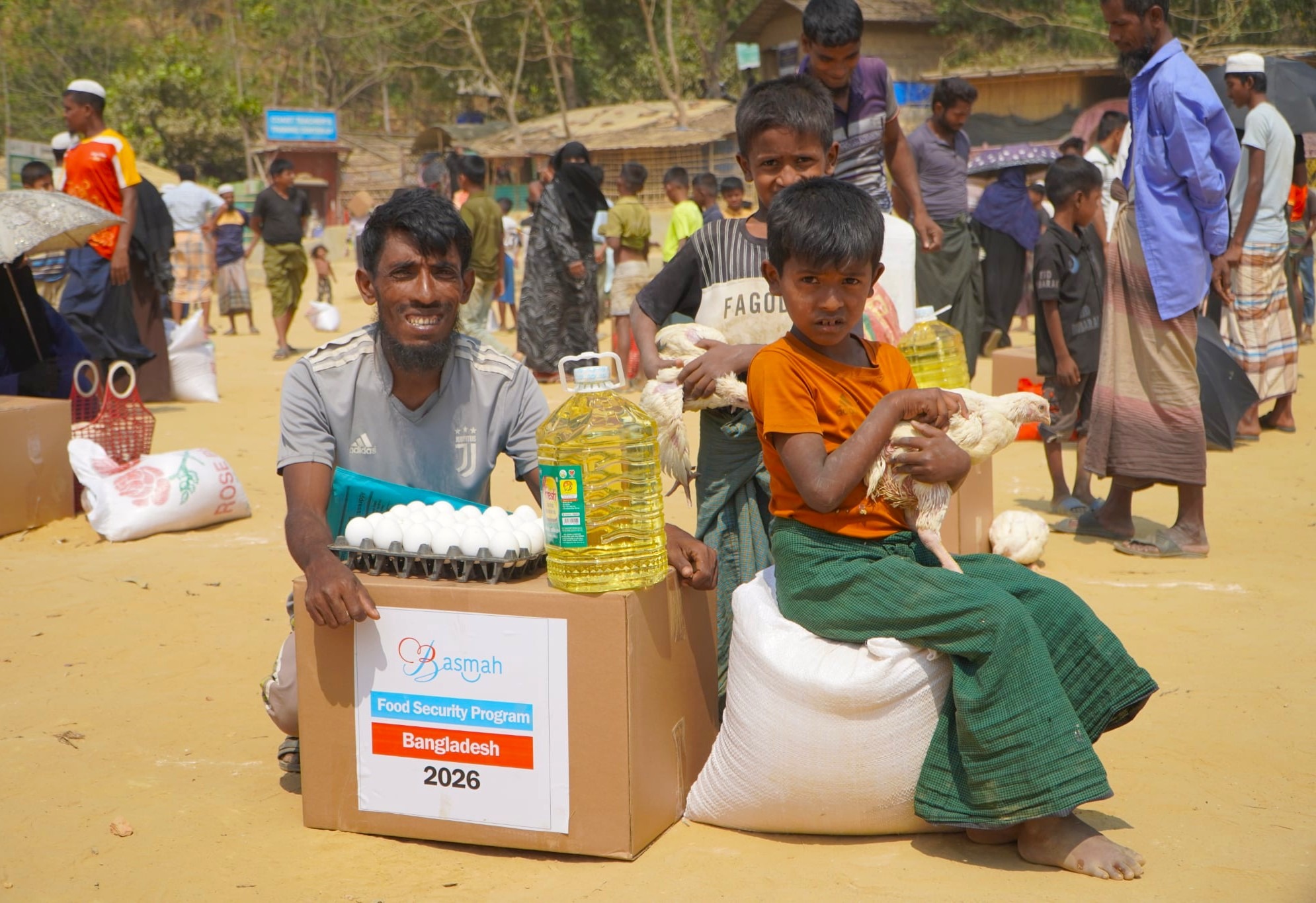
A family somewhere will eat well on Eid because of your Qurbani. Not metaphorically โ literally. A child who has not tasted meat in months will eat meat on Eid day because someone they will never meet gave their Qurbani honestly, and it reached them. That childโs duโa โ the unscripted, unselfconscious duโa of a child who just ate โ goes somewhere. It is heard.
An elderly person living alone will receive groceries this week if you give Sadaqah now. A student will stay enrolled. A widow will cover rent. These are not hypotheticals. The need is real and the opportunity to meet it carries multiplied reward during the most beloved days of Allahโs year.
Give what you can. Give more than is comfortable. Give as Ibrahim ๏ทบ gave โ not calculating the cost against the return, but simply releasing what is in your hand because Allah asked for it. The return, in both this world and the Akhirah, is not something worldly arithmetic can measure.
Qurbani โ The Echo of an Ancient Surrender
Every Eid al-Adha, the act of sacrifice ripples through the Ummah globally. But it is worth pausing at what it actually commemorates before the practicalities take over.
Ibrahim ๏ทบ received his son Ismail as a miracle of old age. He loved him the way a parent loves a long-awaited answer to prayer. Then the command came โ not from a stranger, not from a worldly authority, but from Allah, in a dream that prophets do not mistake. Take your son. Sacrifice him.
And Ibrahim ๏ทบ walked toward it. Ismail, told of the command, did not run. He said: โDo what you have been commanded, father. You will find me, if Allah wills, among the patient.โ Together, they walked toward the hardest thing either of them had ever been asked to do โ and in that walking, they became something the world had never quite seen before. Complete surrender. Not resignation. Not defeat. Surrender chosen freely, with open eyes, out of love.
Your Qurbani is the echo of that moment. It is small by comparison โ of course it is. But its spiritual lineage runs directly to that hillside. When you give Qurbani, you are saying โ in the language of action โ that you hold nothing so tightly you cannot release it when Allah asks.
For Those Giving Qurbani โ The Sunnah of Preparation
If you intend to give Qurbani this Eid, the Sunnah is to refrain from cutting hair and nails from the first of Dhul Hijjah until your sacrifice is made. It is a small thing. Nobody else will necessarily notice. But that is rather the point.
You are not performing for an audience. You are connecting, in a quiet physical way, to the pilgrims in Makkah who enter ihram and shed the ordinary markers of personal grooming as part of their submission. You cannot be there this year. But your uncut nails are a daily reminder โ small, private, persistent โ that these are not ordinary days. That you are in a season of devotion. That something is being asked of you.
Small reminders protect intention. The nafs is talented at making the extraordinary feel ordinary again. Let your body help your soul resist that.
Aqiqah โ Gratitude Given Form
For families who have welcomed a new child and have not yet performed Aqiqah, these blessed days offer a meaningful moment to do so. Two animals for a son, one for a daughter โ sacrificed, with meat shared between family, neighbors, and those in need.
Aqiqah is not a bureaucratic ritual. It is gratitude made tangible. A new soul has entered your family, your Ummah, the world โ and Aqiqah is the act of saying, publicly and materially: we received this gift, and we respond with generosity. The meat reaches families who need it. The act is recorded. The child begins their life in a family that already knows how to give.
If the seventh day has passed, do not let the window feel permanently closed. Scholars permit Aqiqah later โ fourteen days, twenty-one days, or whenever circumstances allow. What matters is the intention and the doing. These ten days, with their amplified Barakah, are as good a time as any to fulfill it.
The Ummah Fasting Beside You โ Invisibly, Across the World
During these ten days, something extraordinary happens that requires no announcement and generates no trending topics. Millions of Muslims โ in languages you cannot speak, in circumstances you cannot imagine, in countries whose names you may not know โ are doing exactly what you are trying to do.
A grandmother in rural Indonesia, fasting since before Fajr, making duโa for children and grandchildren by name. A young man in a European city, the only Muslim in his office, quietly fasts while his colleagues eat lunch around him. A family in a refugee camp, giving a portion of their limited food as Sadaqah because they understand that generosity during these days is not proportional to wealth โ it is proportional to intention.
You are not alone these days. The Ummah of Muhammad ๏ทบ is broken in many visible ways โ fractured by geography, politics, language, history. But Dhul Hijjah reveals what remains unbroken. One Qibla. One Rabb. One set of ten days that every believing heart recognizes as different, as weighted, as sacred.
When the fast feels long and the day feels mundane and the spiritual momentum falters โ remember that. You are one voice in a very old, very large, very determined chorus.
After the Ten Days End โ Do Not Let It End There
The real measure of Dhul Hijjah is not what happens during it. It is what it leaves behind.
The Prophet ๏ทบ fasted Mondays and Thursdays throughout the year. He observed the White Days โ the 13th, 14th, and 15th of every Islamic month. He made dhikr a constant companion, not a seasonal practice. Dhul Hijjahโs intensity was not separate from his life โ it was an amplified version of how he always lived.
What Dhul Hijjah offers, if you receive it properly, is a reset. A recalibration. A lived experience of what it feels like to orient your days around Allahโs pleasure rather than the dunyaโs demands. The fast that felt difficult on day one feels more natural by day seven. The dhikr that required conscious effort becomes, slowly, reflex.
Carry that into the rest of the year. Not the same intensity โ that is unsustainable and not required. But the same direction. The same underlying orientation. Let Dhul Hijjah be the season that adjusts your compass, so that for the months that follow, you are pointing somewhere truer than before.
These Days Were Made for You โ Exactly as You Are
Here is something that tends to get lost in the urgency of these reminders: Allah did not design Dhul Hijjah for perfect Muslims. He designed it for the struggling ones. The ones who missed too much of Ramadan. The ones whose prayer is inconsistent and whose relationship with the Quran is complicated. The ones who know they are far from where they want to be spiritually and are not entirely sure how to close the distance.
These ten days are precisely for that person. They are for you.
You do not need to arrive at them in a state of spiritual readiness. You arrive as you are โ with your history, your sins, your intentions, your uncertainties โ and you begin. Allah does not audit your credentials at the entrance. He sees the heart that turned toward Him and He moves toward it with a mercy that has no precedent in any human experience of generosity.
The door is open. It has been open since the first crescent of Dhul Hijjah was sighted. It will close when the tenth day ends.
Fast if you can. Give what you have. Say the words even when distracted. Pray even when tired. Make duโa even when you are not sure what to ask for โ because He knows what you need more precisely than you do. And in the spaces between all of it, simply remember that you are not doing these things to earn something from an indifferent authority. You are responding to an invitation from a Lord who loves you and designed these ten days specifically so you could find your way back to Him.
Related Posts
Good Deeds that Outlast Death | 5 Types of Sadaqah Jariyah
Five Amazing Types of Sadaqah Jariyah That Keep Giving Rewards After You Die Donate Five Amazing Types of Sadaqah Jariyah
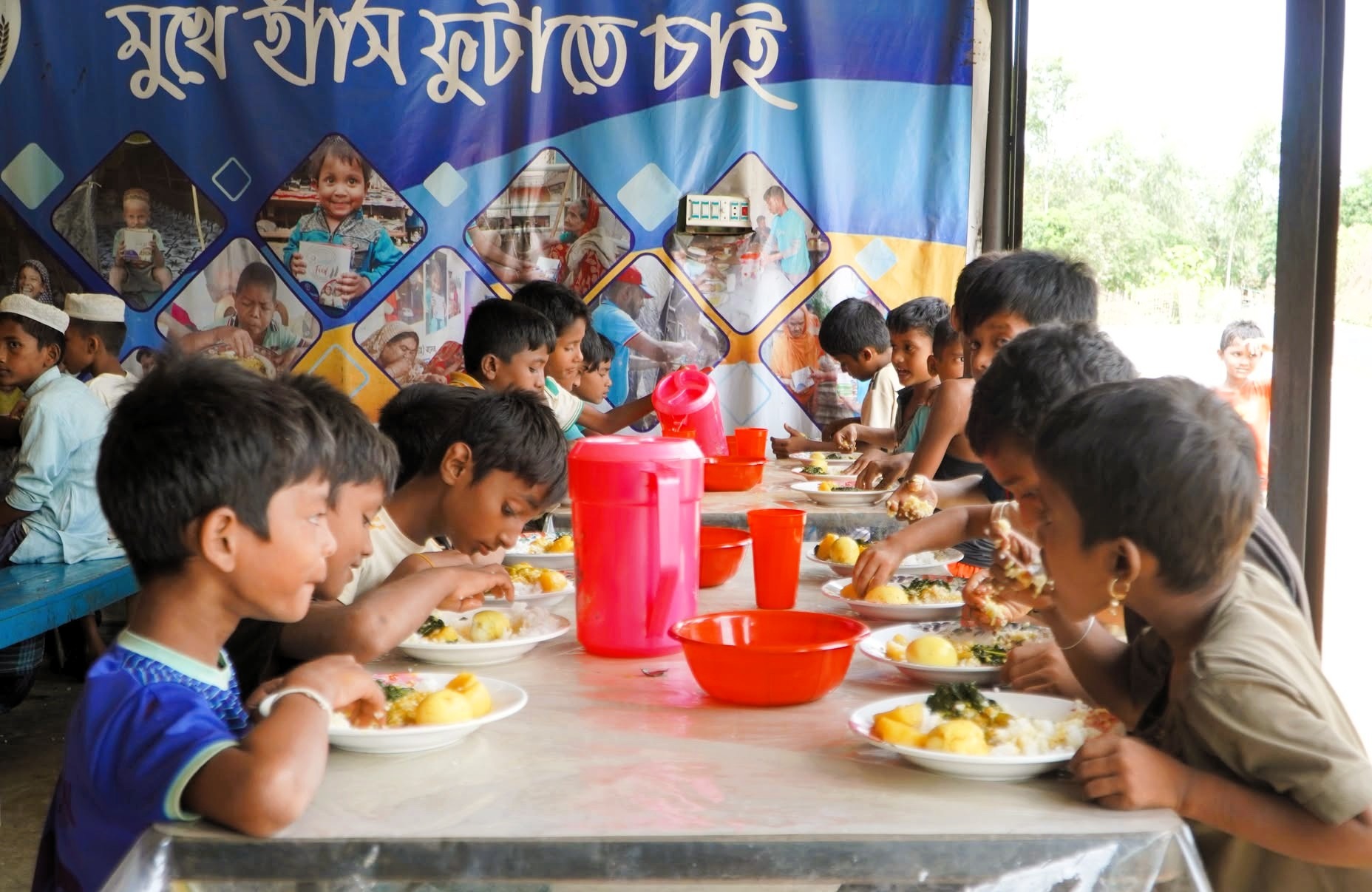
The Power of Sadaqah: 7 Benefits of Giving Sadaqah
The Power of Sadaqah: 7 Benefits of Giving Sadaqah Donate The Amazing Power of Sadaqah: 7 Incredible Benefits of Giving

10 Reasons Why you Should Give Sadaqah Regularly
10 Reasons Why you Should Give Sadaqah Regularly Donate 10 Reasons Why you Should Give Sadaqah Regularly The Gift That
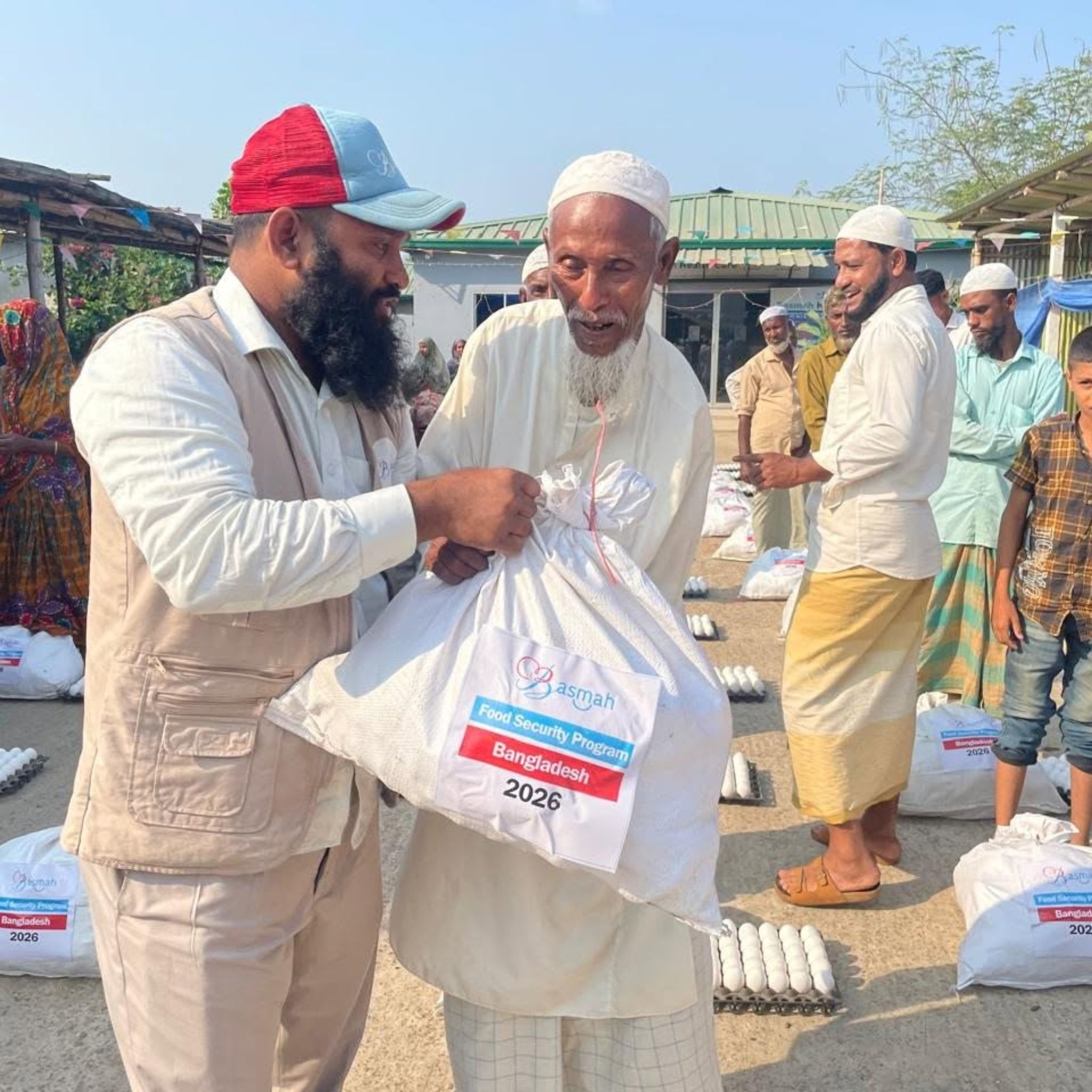
11 Hadiths About Sadaqah
11 Beautiful Hadiths About Sadaqah That Will Change Your Life Forever 11 Beautiful Hadiths About Sadaqah That Will Change Your
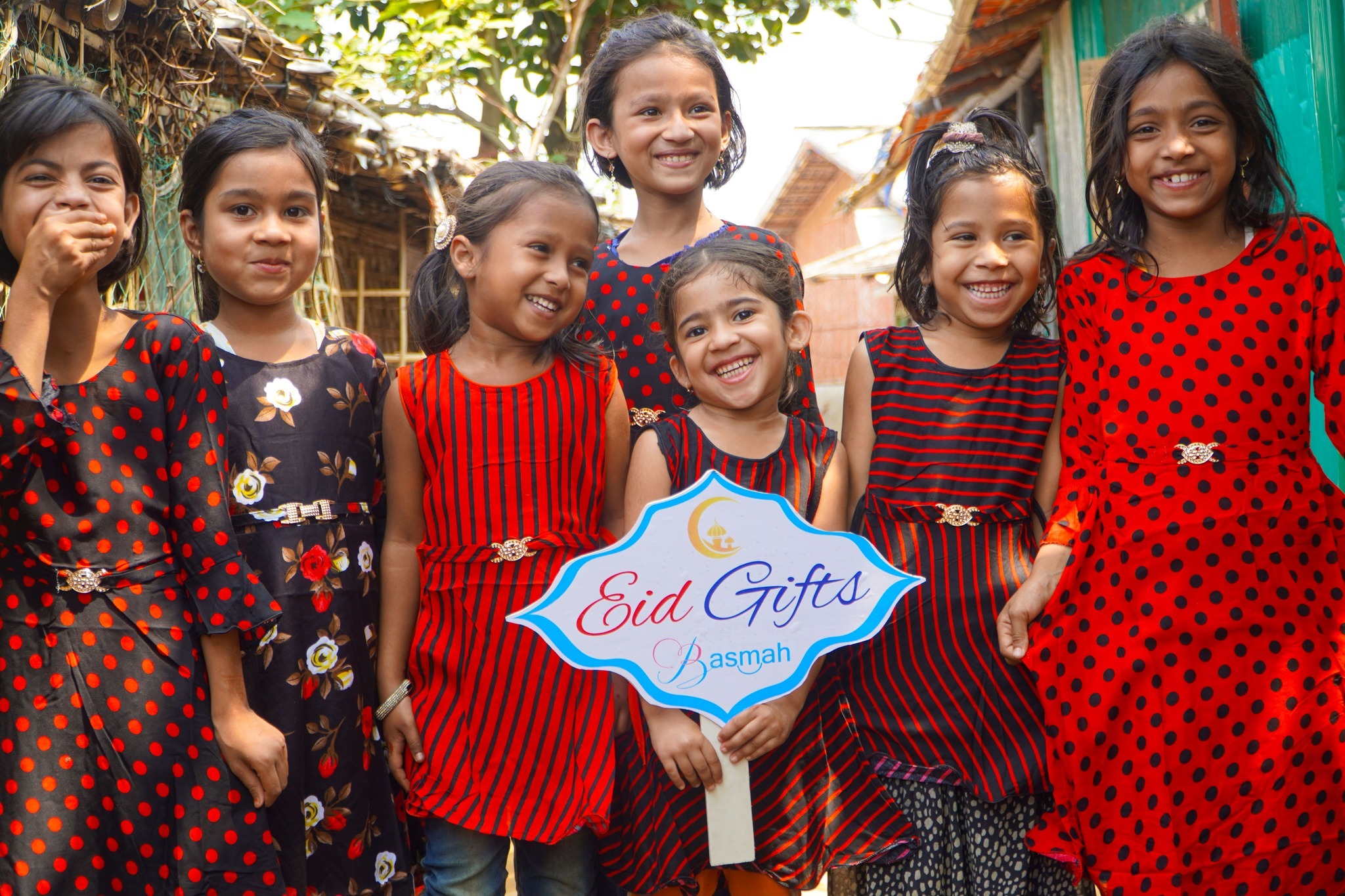
5 Types of Sadaqah You Might Never Have Heard Of
Five Types of Sadaqah Jariyah You May Not Know About Donate Five Types of Sadaqah Jariyah You May Not Know
Sadaqah Jariyah?
Your Path to Jannah: How Sadaqah Jariyah Brings Eternal Barakah to Your Life Donate Your Path to Jannah: How Sadaqah
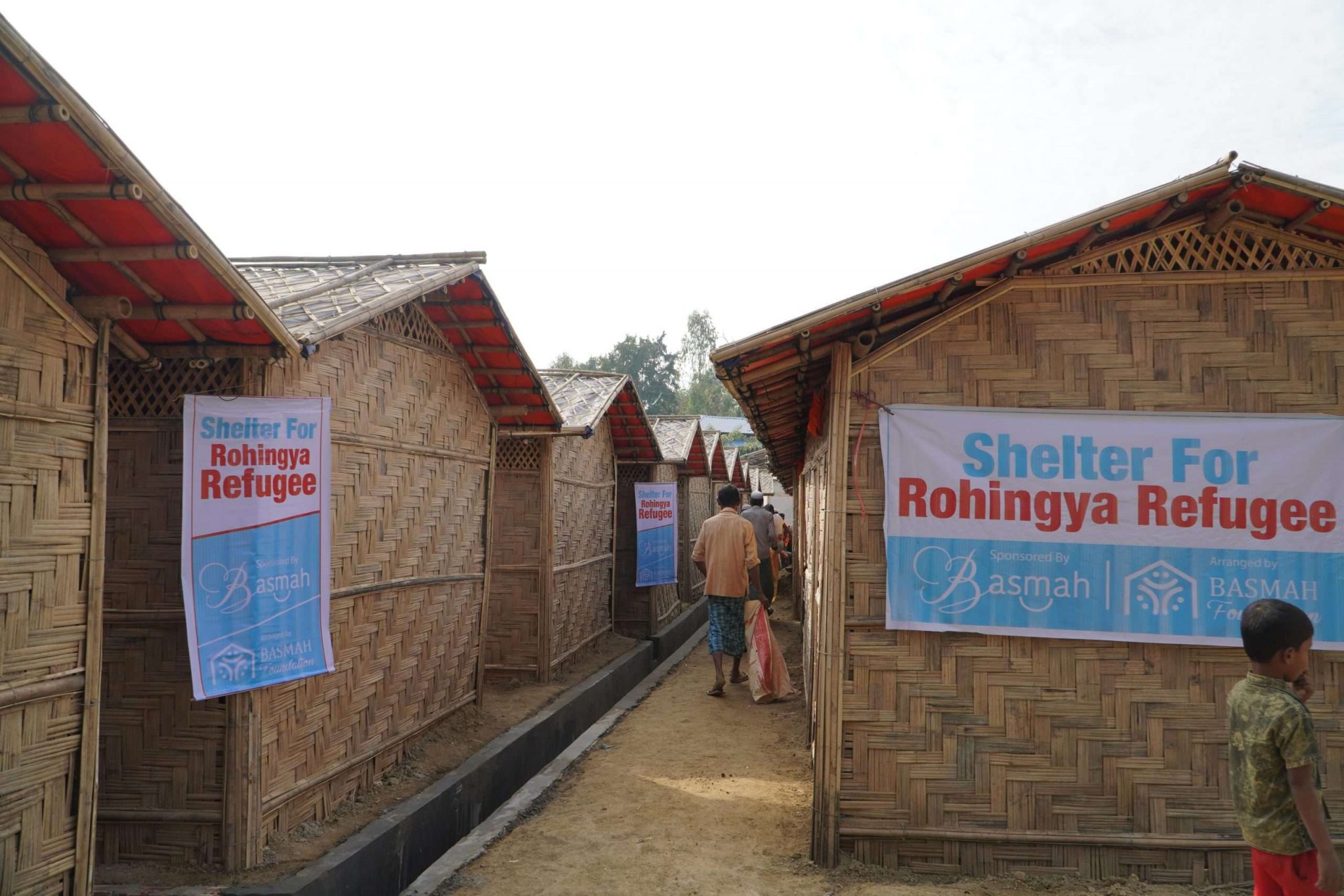
Community Support through Sadaqah: Strengthening Economies in Crisis
The Power of Sadaqah: How Your Small Gift Can Change Everything Donate The Power of Sadaqah: How Your Small Gift
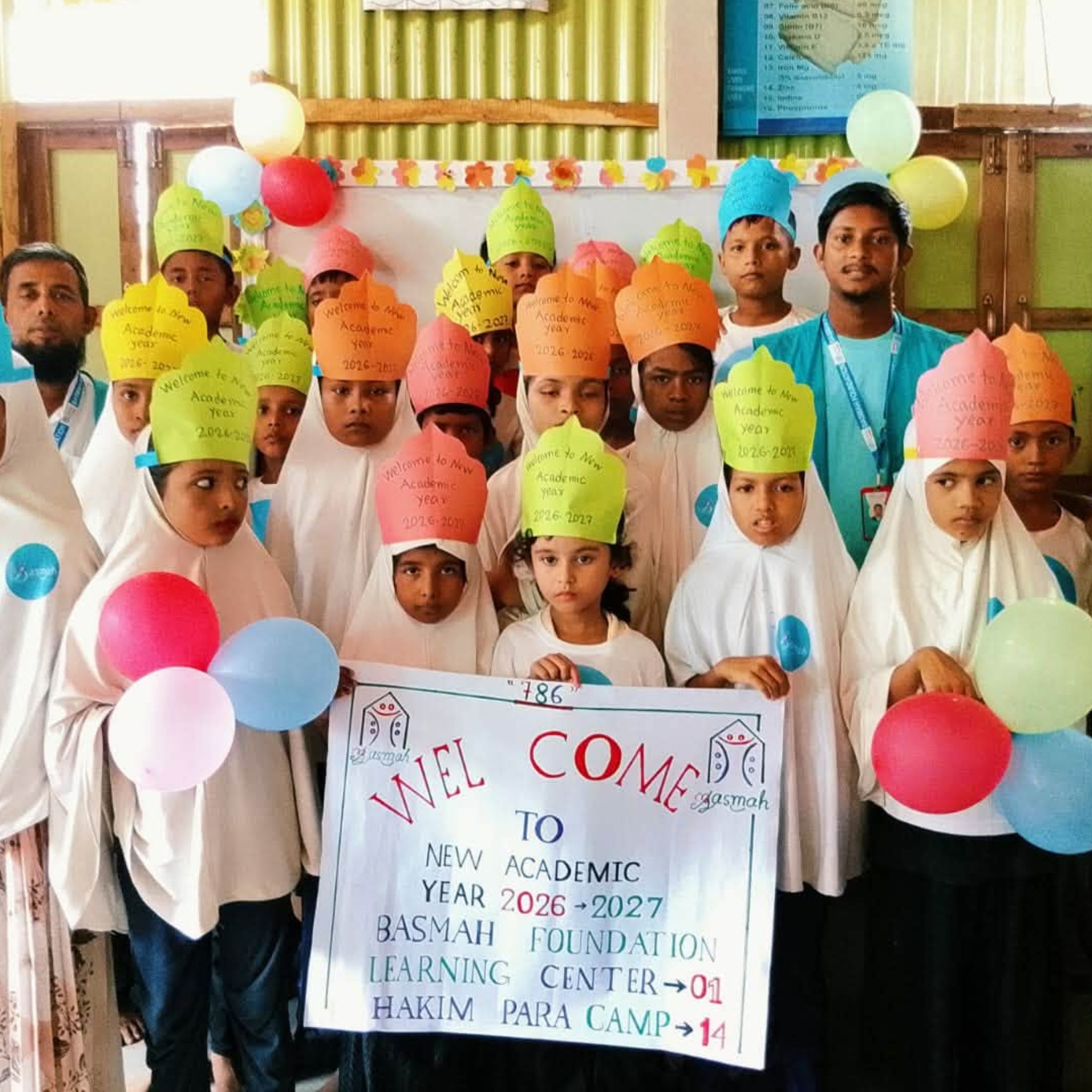
The Impact of Sadaqah On Society
The Impact of Sadaqah On Society Donate The Impact of Sadaqah On Society Every Small Act of Giving Brings Huge
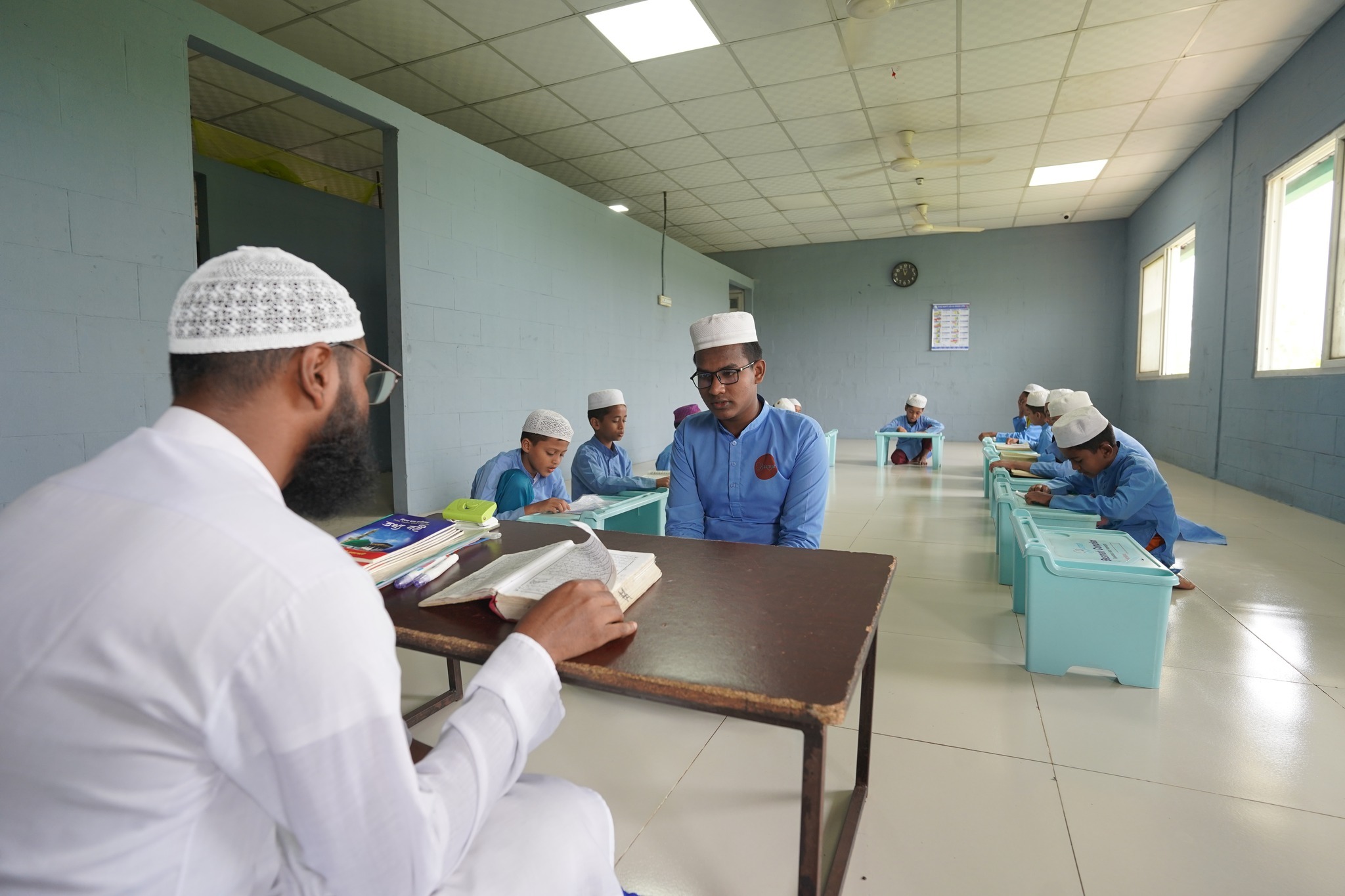
Islam and Charity
Islam and Charity Donate The Heart of Islam: Why Charity Brings You Closer to Jannah Your Path to Allah's Love
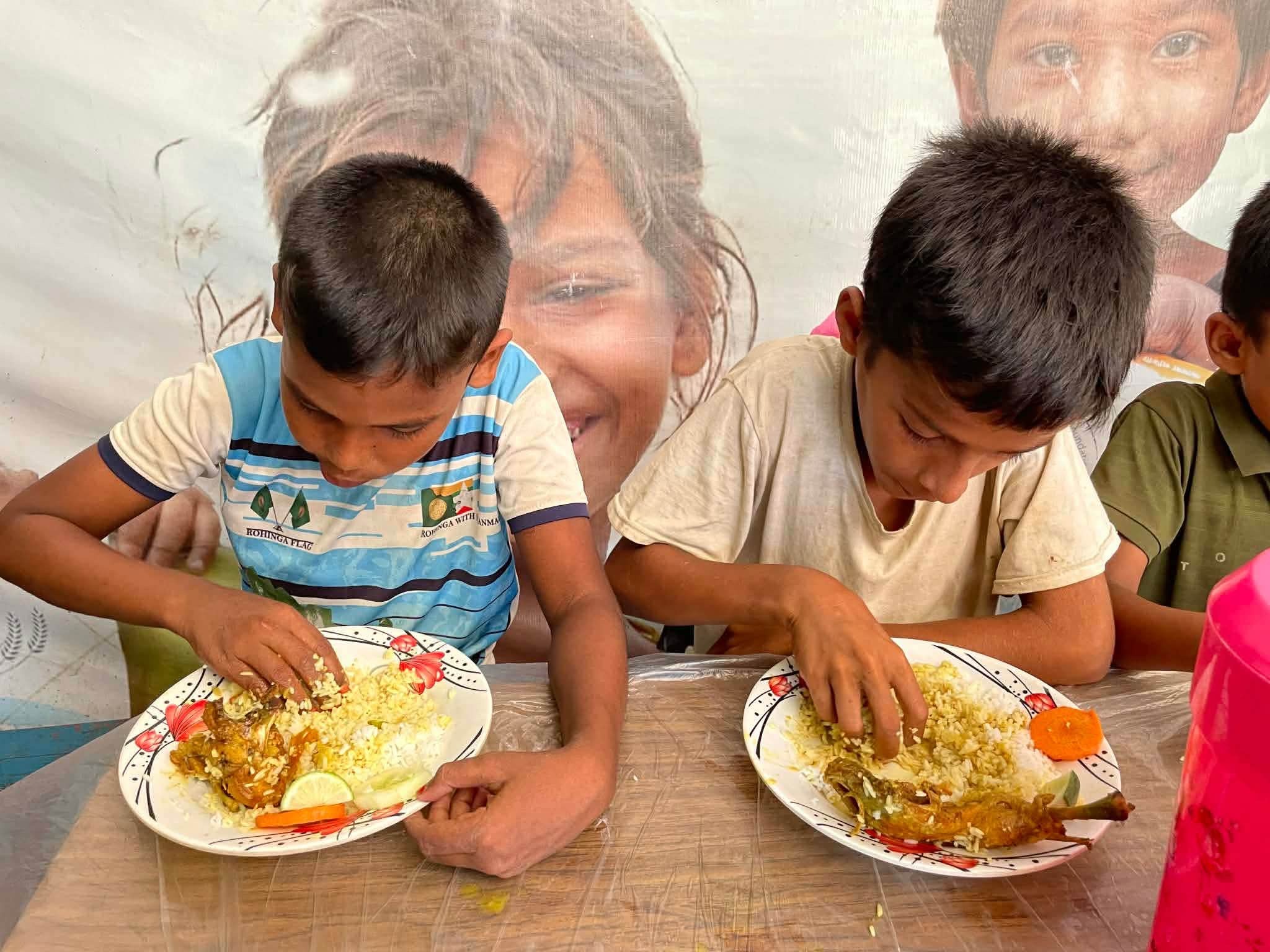
12 Ways to Increase Rizq
12 Ways to Increase Rizq Donate Allah's Promise: 12 Proven Ways to Unlock Endless Barakah in Your Rizq Introduction 1.
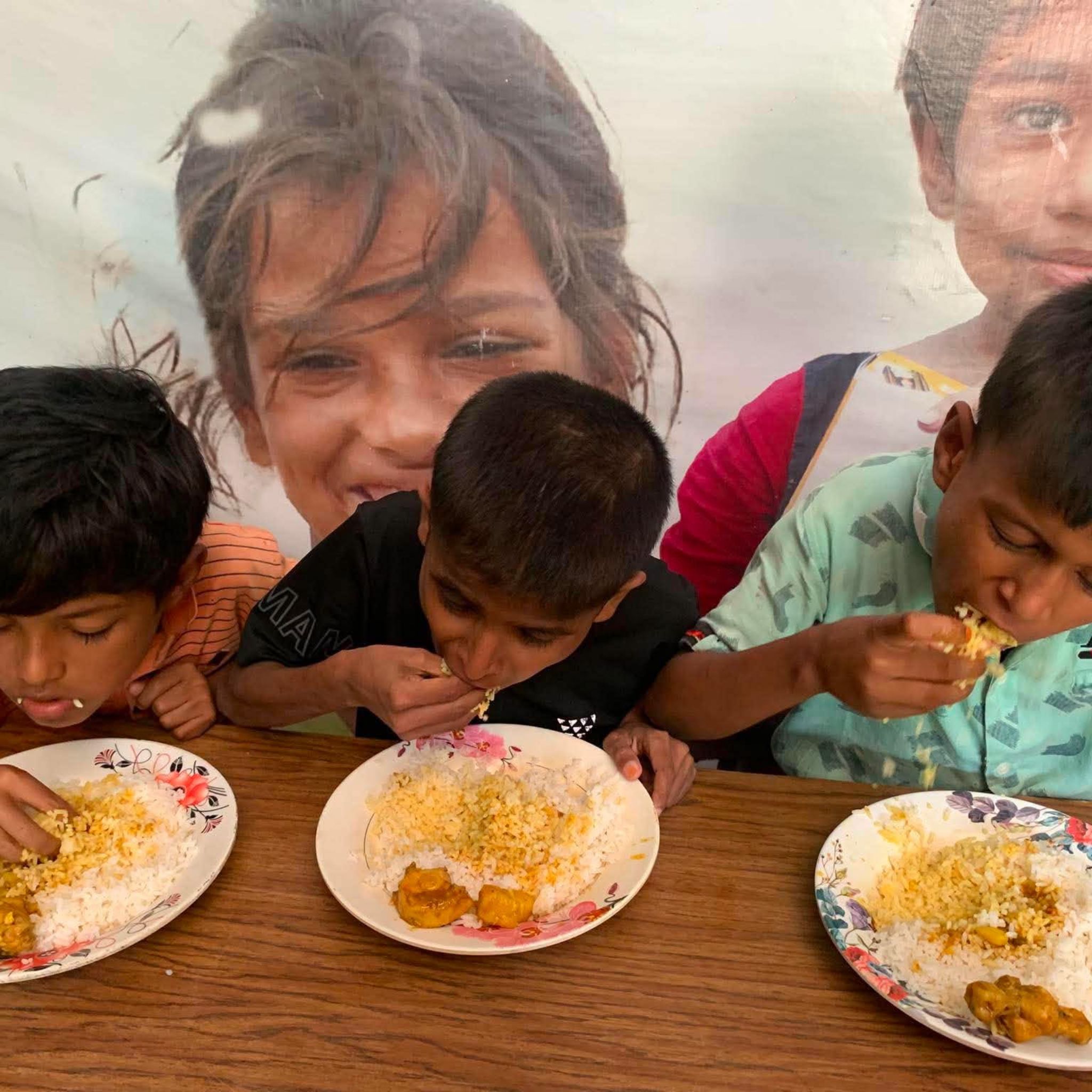
3 Scientific Reasons Why Giving is Rewarding
3 Scientific Reasons Why Giving is Rewarding Donate Three Divine Insights: How Sadaqah Transforms Hearts and Minds The Sacred Exchange
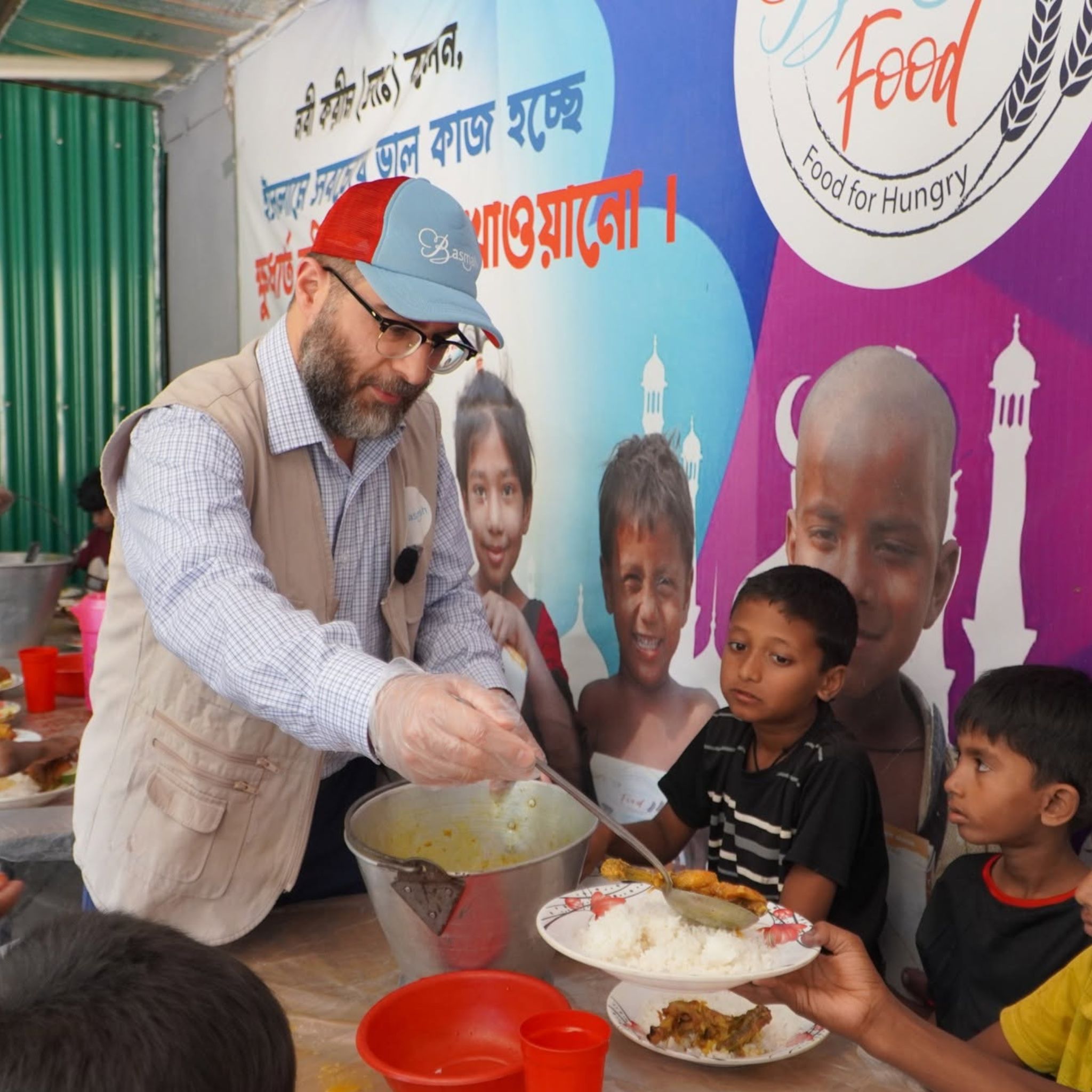
What is Sadaqah Jariyah?
What is Sadaqah Jariyah? Donate The Eternal River of Barakah: Understanding Sadaqah Jariyah's Boundless Rewards The Sacred Foundation of Charitable
Giving to Water Projects as a Sadaqah Jariyah
Giving to Water Projects as a Sadaqah Jariyah Donate Giving to Water Projects as a Sadaqah Jariyah The Water Crisis
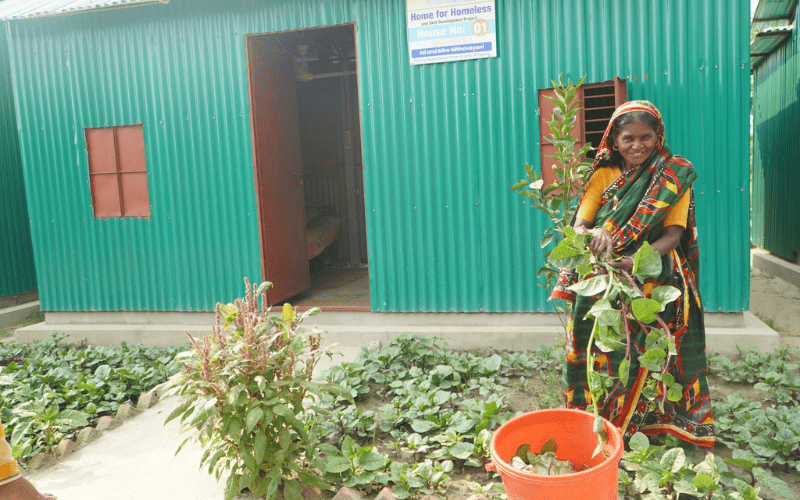
Examples of Sadaqah Jariyah
3 Scientific Reasons Why Giving Is Rewarding Donate 3 Scientific Reasons Why Giving Is Rewarding Sadaqah Jariyah Meaning Examples of
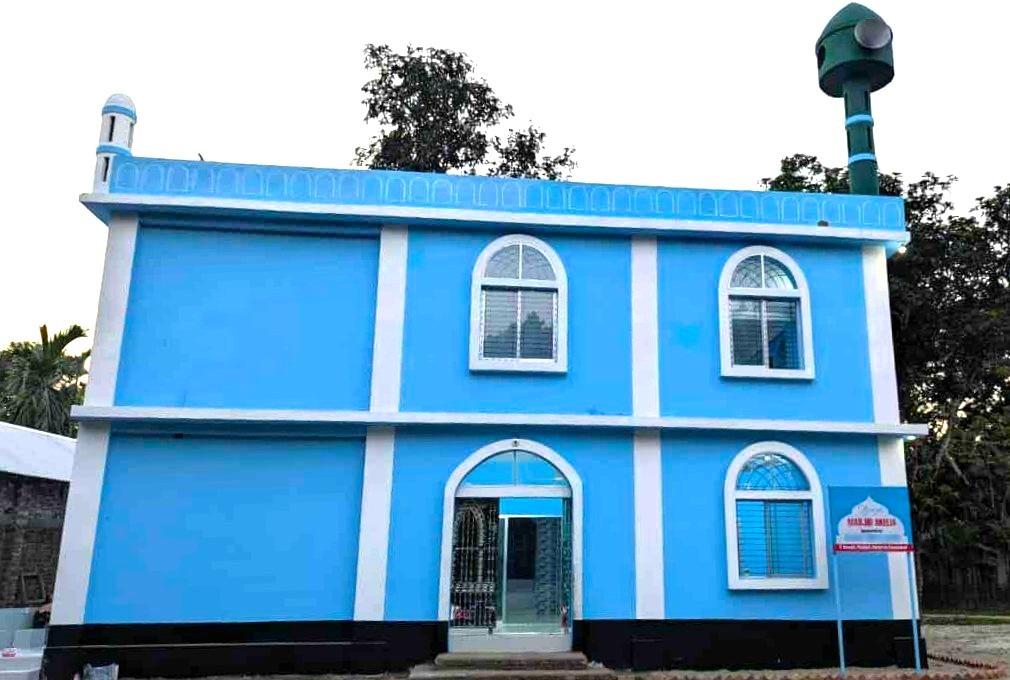
Building a Masjid as Sadaqah Jariyah
Building a Masjid as Sadaqah Jariyah Donate Building a Masjid as Sadaqah Jariyah Mosques Endowment in Islam Mosques endowment in
Sadaqah Jariyah for Parents
Sadaqah Jariyah for Parents Donate Sadaqah Jariyah for Parents Sadaqah Jariyah for Parents Hadith The Virtue of Sadaqah on Behalf
โMake a Lasting Impact: Give Your Sadaqah to the Poor Through BASMAHโ
Make a Lasting Impact: Give Your Sadaqah to the Poor Through BASMAH Donate Make a Lasting Impact: Give Your Sadaqah
โCharity that Keeps On Giving: The Power of Sadaqah Jariyah in Islamโ
"Charity that Keeps On Giving: The Power of Sadaqah Jariyah in Islam" Donate "Charity that Keeps On Giving: The Power
โThe Power of Giving: Exploring the Benefits of Charitable Donationsโ
โThe Power of Giving: Exploring the Benefits of Charitable Donationsโ Donate โThe Power of Giving: Exploring the Benefits of Charitable
5 Acts of Sadaqah Jaariyah in Islam Continuous Charity for Eternal Rewards
"5 Acts of Sadaqah Jaariyah in Islam: Continuous Charity for Eternal Rewards" Donate "5 Acts of Sadaqah Jaariyah in Islam: