 Skip to content
Fitrah Meaning: Unlocking Purity, Community Joy, and Jannah’s Eternal Reward
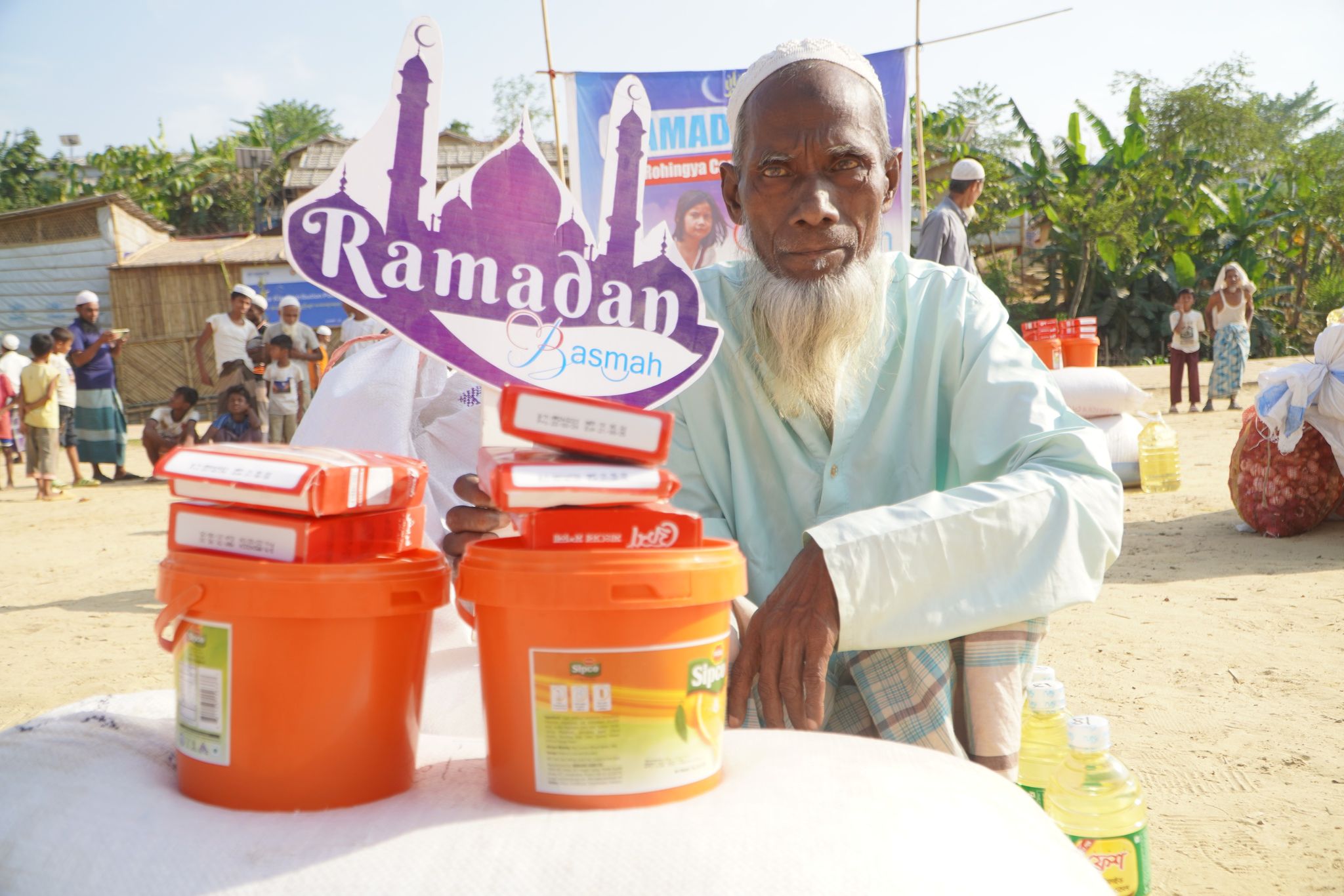
- Fitrah Meaning: Allah’s Gift of Returning to Purity
- What Is Fitra? The Urgent Call Before Eid Joy
- The Spiritual Emergency: Purify Before Paradise Gates
- Who Must Give Fitrah? Simple Family Math
- How Much Is Fitrah? Easy Local Calculation
- When and Where to Give: The Race Against Sunrise
- Fitrah vs Regular Zakat: The Beautiful Difference
- Heartwarming Stories: Fitrah Changes Lives
- Children Learn Generosity Through Fitrah
- Spiritual Rewards: Why Fitrah = Jannah Investment
- Common Questions Every Muslim Asks
- Final Urgent Plea: Give Fitrah, Secure Jannah


Every year as Ramadan nears its end, Muslim families around the world bustle with love and preparation. They pack food baskets, count out rice or dates, and share smiles that light up the Ummah. At the heart of this beautiful tradition lies Zakat al-Fitr — often simply called Fitrah. But what is the fitrah meaning? It’s a divine gift of purification, a final act of Sadaqah before Eid, and a bridge of Barakah that connects rich and poor in shared celebration.
Fitrah isn’t just charity. It’s Allah’s mercy ensuring no one feels left out on the happiest day of the year. From Dhaka streets to London mosques, it whispers hope: Your giving today builds Jannah tomorrow. This simple act carries urgent spiritual rewards — cleansing your fasting soul while filling hungry hearts with joy.
Fitrah Meaning: Allah’s Gift of Returning to Purity

What Is Fitra? The Urgent Call Before Eid Joy
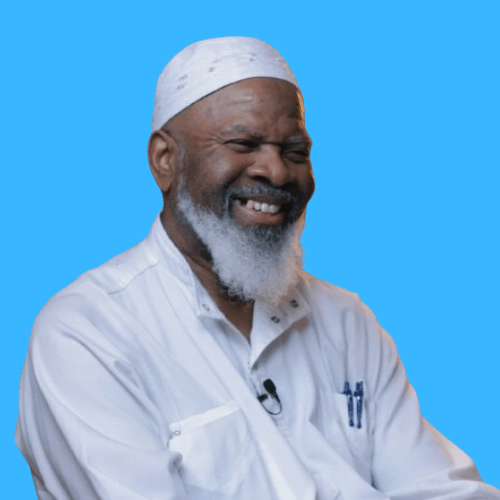
Imam Siraj Wahhaj
Honorary advisor of BASMAH
The Spiritual Emergency: Purify Before Paradise Gates
Who Must Give Fitrah? Simple Family Math
Fitrah is FARD (obligatory) on every Muslim who:
- Owns more than their basic needs (Nisab of Zakat)
- Has food for Eid for themselves + family
- Can afford one Sa’ per person they support
Who counts in your Fitrah calculation?
- Yourself
- Spouse
- Children (even newborns!)
- Parents/relatives you fully support
Example: Ahmed in Bangladesh has a wife, 3 kids, and supports his elderly mother.
Total = 5 people × local Fitrah rate = his total obligation.
Children count too! Even a baby born on Laylat al-Qadr gets Fitrah from parents. Why? So poor families can celebrate Eid with everyone else. This community love makes Allah smile.
Good news for students/newlyweds: If you truly have zero extra after basic needs, Fitrah isn’t obligatory. But giving even a little brings massive Barakah!
How Much Is Fitrah? Easy Local Calculation
- Rice, wheat flour, barley, dates
- 3kg total per person
| Country | Food Given | Cash Amount (per person) |
| Bangladesh | 3kg rice | ৳150-200 |
| Pakistan | 3kg flour | PKR 500-700 |
| UK/USA | 3kg rice | $10-15 USD |
| Saudi | 3kg dates | 25-35 SAR |
When and Where to Give: The Race Against Sunrise
Deadline: Before Eid al-Fitr Salah (sunrise latest)
Perfect timing:
- Last 3 days of Ramadan (most emphasized)
- Chand Raat (night before Eid)
- Eid morning before leaving for prayer
Best places:
- Your mosque (they distribute locally)
- Trusted charities (feed global poor)
- Directly to poor neighbors (beautiful Sunnah)
Mosque collection = Ummah love: One basket serves 10 families. Imagine Eid morning — every poor household has rice, oil, sugar, ready to celebrate!
Global reach: Donating through charities feeds Rohingya refugees, Yemen orphans, Syrian families. Your Fitrah becomes their Eid joy across continents.
Fitrah vs Regular Zakat: The Beautiful Difference
| Aspect | Zakat al-Fitr (Fitrah) | Regular Zakat |
| When | End Ramadan only | Yearly, anytime |
| Who | Every able Muslim | Wealthy (Nisab) |
| Amount | Fixed 1 Sa’ per person | 2.5% of savings |
| Purpose | Purify fasting + feed poor | Purify wealth |
| Reward | Ramadan purification | General Barakah |
Heartwarming Stories: Fitrah Changes Lives
Fatima’s joy: Single mother of 4. Neighbors gave her Fitrah basket. First time in 5 years, her kids wore new Eid clothes instead of hunger.
Imran’s Barakah: Gave extra Fitrah despite tight budget. Next day, uncle sent unexpected gift covering school fees.
Masjid magic: Dhaka mosque collected 500 Fitrah packets. Eid morning, slums transformed — children in colorful clothes, mothers cooking festive meals, fathers smiling with dignity.
These aren’t fairy tales. They’re Allah’s promise:
“The example of those who spend their wealth in Allah’s way is like a seed that grows seven spikes, each with 100 grains. Allah multiplies for whom He wills.”
(Surah Al-Baqarah 2:261)

Children Learn Generosity Through Fitrah
10-year-old Ali asks: “Baba, why give rice to Taya uncle? He has more money!”
Beautiful answer: “Beta, Fitrah makes everyone equal on Eid. Rich gives, poor receives — both smile same. Allah loves when we share happiness.”
Teaching moment: Let kids help pack Fitrah baskets. They learn:
- Sadaqah protects family
- Poor neighbors are Ummah family
- Eid joy multiplies when shared
Years later, that child becomes the Sadaqah giver. Fitrah plants Jannah seeds across generations.
Spiritual Rewards: Why Fitrah = Jannah Investment
Fitrah isn’t expense — it’s profitable investment:
- Purifies 30 days fasting = Accepted Ramadan
- Completes pillar of Islam = Protected Akhirah
- Feeds Allah’s guests = Angels pray for you
- Ummah unity = Collective Jannah reward
- Eid celebration = Worldly + spiritual joy
Prophet’s guarantee:
“Whoever gives Zakat al-Fitr before prayer, it’s proper Zakat accepted. Whoever gives after, it’s good deed.” (Abu Dawud)
Urgent call: Don’t trade Jannah polish for one extra plate at home!
Common Questions Every Muslim Asks
“Forgot baby born in Shawwal?”
No Fitrah needed for that Ramadan.
“Giving abroad okay?”
Yes! Cash reaches poor faster globally.
“Fitrah on debt?”
If you can’t afford after basic needs, not obligatory.
“Non-Muslim poor?”
Scholars differ. Local poor Muslims preferred.
“Too late after Eid?”
Becomes Sadaqah, loses purification reward.
Always ask your imam for local rulings. Better safe with extra Barakah!
Final Urgent Plea: Give Fitrah, Secure Jannah
As Chand Raat approaches, hear this loving reminder:
Your Fitrah transforms:
- One empty stomach → Grateful heart
- One fasting record → Purified soul
- One family budget → Multiplied rizq
- One Eid morning → Ummah celebration
10-year-old packs his first rice packet, eyes shining.
50-year-old father smiles, remembering 30 years of giving.
Elderly widow whispers “Alhamdulillah”, her Fitrah reaching Gaza.
Fitrah meaning = Love in action. It’s Allah saying: “You fasted for Me. Now feed My creation.”
Don’t delay. Find your mosque rate. Count your family. Pack those baskets. Before Eid takbir echoes, let Zakat al-Fitr echo in Jannah.
To every soul in the Ummah: May your Fitrah be accepted, your Eid filled with joy, your Akhirah bright with Barakah. Give generously. Love widely. Celebrate purely.