 Skip to content
Kaffara Meaning: A Door Back to Allah’s Mercy
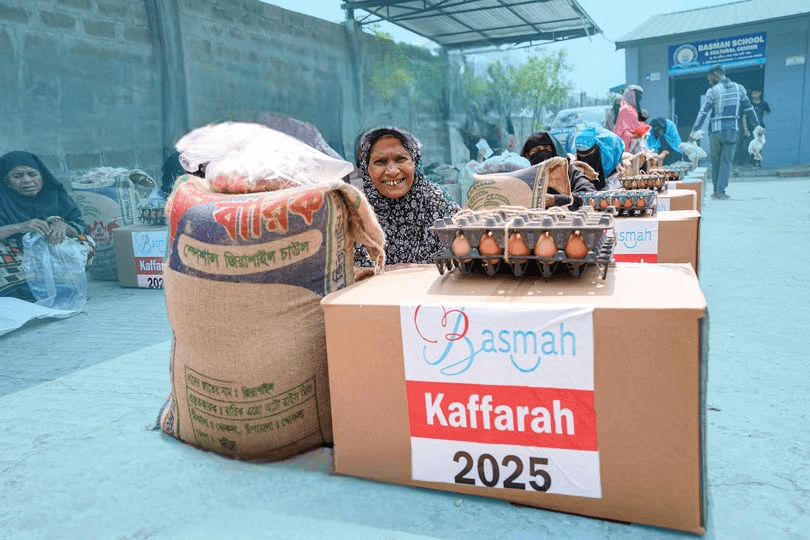
- Kaffara Meaning in English
- Kaffara Meaning in Urdu
- What Is Kaffarah in Islam?
- Why Allah Gave Us Kaffarah
- Types of Kaffara in Islam: Not Just About Fasting
- Ramadan Kaffara: When Fasts Are Broken on Purpose
- What Is the Kaffarah for Breaking a Fast?
- Kaffara Meaning and the Spiritual Side: Not Just a Fine
- Kaffara Meaning in English and Urdu: Emotional Understanding
- Kaffarah Meaning vs. Fidya: Don’t Confuse Them
- Kaffarah Meaning and Sadaqah: Giving That Heals the Soul
- Emotional Side: How Kaffarah Gives Hope, Not Despair
- Community Impact: Kaffarah and the Strength of the Ummah
- A Gentle Reminder: Always Ask Knowledgeable Scholars
- Closing: Kaffarah as a Road Back to Jannah


Kaffara Meaning in English
In English, kaffara meaning can be summed up as:
“A serious act of compensation a Muslim does to make up for a major mistake, like breaking a fast or oath, so that Allah forgives them.”
The word comes from an Arabic root that means “to cover” or “to erase.” So kaffara is like a spiritual eraser: it covers the sin and cleans the heart, when the person is truly sorry and follows the rules that Islam teaches.
Kaffara Meaning in Urdu


Imam Siraj Wahhaj
Honorary advisor of BASMAH
What Is Kaffarah in Islam?
Simple Definition for All Ages
What is kaffarah in Islam?
In simple terms:
- It is a special act (like fasting 60 days, feeding 60 poor people, or giving Sadaqah)
- That a Muslim does after committing a serious mistake,
- So that Allah forgives them and they don’t carry that sin into the Akhirah.
It shows that Islam is not just about “don’t do this” and “don’t do that.” Islam also gives clear paths back when we fall. Kaffarah is one of those paths.
Why Allah Gave Us Kaffarah
- To teach responsibility: serious actions have serious consequences.
- To protect the Ummah: when people know kaffarah is required, they respect Ramadan, oaths, and other sacred matters more.
- To give hope: even if someone makes a big mistake, the door of forgiveness is still open through kaffarah, repentance, and Sadaqah.
Allah shows us in the Qur’an that even sins like breaking oaths and accidental killing can have kaffarah – a way to seek forgiveness and help others through feeding and freeing. This is justice mixed with mercy.
Types of Kaffara in Islam: Not Just About Fasting
When people hear “kaffarah”, they usually think of breaking a Ramadan fast on purpose. That is a big part of it, but not the only one. In classical Islamic law, kaffara in Islam appears in three main areas:
- Kaffarah for breaking a fast in Ramadan on purpose
- Kaffarah for breaking an oath
- Kaffarah for certain serious actions like accidental killing (mentioned in Qur’an)
Below, we’ll focus on the most common one people ask about: Ramadan kaffara for breaking fasts.
Ramadan Kaffara: When Fasts Are Broken on Purpose
When Is Kaffara Required for Fasting?
Kaffarah is not for every missed fast. It is required when:
1.A person is healthy and able to fast
2.During Ramadan, in the daytime
3.And they break their fast on purpose
- By eating or drinking intentionally
- Or by marital intimacy
- Without any valid reason in Islam
This is different from:
- Forgetting you’re fasting and taking a sip – that is forgiven.
- Being sick, traveling, or pregnant – those are valid excuses; you usually do qada’ (make-up fasts) later.
- Being permanently ill or extremely old – that usually needs fidya, not kaffarah.
Kaffarah is for when a person knows it’s wrong and does it anyway. It’s a serious matter, so the compensation is serious and heavy.
What Is the Kaffarah for Breaking a Fast?
Traditionally, the kaffarah for breaking one Ramadan fast on purpose is:
Freeing a believing slave
- This applied in the past when slavery existed; today this option almost never applies in real life.
If that is not possible: Fasting for 60 days in a row
- Two full lunar months, without a break.
- If you miss a day without a valid reason, you must start again.
If that is not possible either (for health or similar reasons): Feeding 60 poor people
- Giving each poor person one full meal or its equivalent in staple food.
- Many people do this today through kaffarah donations via trusted charities.
This order comes from hadith where a man came to the Prophet ﷺ after breaking his fast with his wife. The Prophet ﷺ told him to free a slave; when he could not, he told him to fast 60 days; when he could not, he told him to feed 60 poor people.
So kaffarah meaning in Islam is not just paying money easily. It is a serious act that reminds the believer:
- “I did something major.
- Now I will do something major to correct it.”

Kaffara Meaning and the Spiritual Side: Not Just a Fine
Some people think kaffarah is like a traffic ticket – just pay and forget. But kaffarah is more than that. It is:
A school for the soul:
- Fasting 60 days teaches patience and self-control.
- Feeding 60 poor people teaches compassion and love for the Ummah.
A way to earn Barakah:
- Your wealth, time, and health used in kaffarah become a source of blessing in this world.
A path to Jannah:
- Allah may use this act to erase your sin and raise your rank on the Day of Judgment.
For a teenager who broke a fast out of weakness, kaffarah is a strong reminder: “My actions matter.”
For a grown adult, it is a chance to say honestly: “Ya Allah, I messed up, but I’m willing to sacrifice to come back to You.”
Kaffara Meaning in English and Urdu: Emotional Understanding
In English
If you want to teach someone kaffara meaning in English in a simple, emotional way, you could say:
“Kaffara is a serious gift from Allah that lets you fix a serious mistake. You either fast 60 days or feed many poor people so your big sin can be forgiven and you can feel clean again.”
This connects the mind and the heart: it is about justice, but also about hope.
In Urdu
To explain kaffara meaning in Urdu with feeling:
“کفارہ وہ خاص عبادت ہے جو انسان اپنے بڑے گناہ کے بدلے میں ادا کرتا ہے، جیسے رمضان کا روزہ جان بوجھ کر توڑ دینا۔ یہ اللہ کی طرف واپسی کا راستہ ہے، تاکہ گناہ مٹ جائے اور دل پھر سے ہلکا ہو جائے۔”
This shows kaffarah as raste ki safai – cleaning the road back to Allah.
Kaffarah Meaning vs. Fidya: Don’t Confuse Them
Many Muslims mix up kaffarah and fidya, but they are not the same:
- Kaffarah
- For serious violations done on purpose (like breaking a fast without excuse).
- Heavy actions: 60 fasts or feeding 60 poor.
- Fidya
- For people who cannot fast at all (permanently sick or very old).
- Lighter: feeding one poor person per missed fast.
An easy way to remember:
- Fidya = mercy for weakness
- Kaffarah = correction for disobedience
Both are mercy, but in different situations.
Kaffarah Meaning and Sadaqah: Giving That Heals the Soul
When someone chooses the option of feeding 60 poor people for kaffarah, this becomes a powerful form of Sadaqah:
- It fills empty stomachs.
- It spreads joy in the Ummah.
- It can support orphans, widows, refugees, and oppressed families.
Imagine: one person breaks a fast, but then 60 poor people eat because of their kaffarah. Out of one mistake, Allah creates 60 acts of kindness. This is Allah’s style: turning our weakness into something that benefits others when we return to Him.
A person can:
- Cook meals and distribute them personally.
- Give dry food (rice, flour, lentils) to 60 different poor households.
- Use a trusted charity that handles kaffarah donations, making sure food reaches real needy Muslims.
This shows that kaffara in Islam is deeply connected to the social heart of the religion: caring for the poor, sharing blessings, and building unity.
Emotional Side: How Kaffarah Gives Hope, Not Despair
Picture a young brother who broke his fast in anger or weakness. He might feel:
- “I am a bad Muslim.”
- “Allah will never forgive me.”
But when he learns about kaffarah meaning, his heart can say instead:
- “Yes, I made a big mistake.”
- “But Allah gave me a path back.”
- “I can fast 60 days or feed 60 poor. I can turn my guilt into good deeds.”
This changes the story: from shame to growth, from fear to action.
For parents, teaching children about kaffarah is teaching them:
- Islam is serious.
- But Islam is also full of mercy, chance, and repair.
Community Impact: Kaffarah and the Strength of the Ummah
When Muslims fulfill kaffarah properly, it strengthens the whole Ummah:
- Poor families feel cared for when they suddenly receive food because someone is doing kaffarah.
- Local mosques or charities can use kaffarah donations to run soup kitchens, Ramadan iftars, and emergency food aid.
- Those who pay kaffarah learn humility and become more careful with their duties like fasting, Zakat, and Salah.
So kaffarah doesn’t just fix one person’s sin. It heals relationships and builds community compassion. This is why it’s important to talk about kaffarah openly but gently, especially around Ramadan.
A Gentle Reminder: Always Ask Knowledgeable Scholars
This blog gives a clear, simple understanding of kaffara meaning, kaffara in Islam, and what is kaffarah in Islam in general. But there are details and differences between schools of thought, especially about:
- Exact measures of food
- Whether cash is allowed in all cases
- When kaffarah is required versus only qada’
Because of that, it is always wise to:
- Speak to a trusted local imam
- Or contact a reliable Islamic charity that handles kaffarah and fidya correctly
They can check your personal situation and guide you:
- Do you really owe kaffarah?
- How many days?
- Fasting or feeding – which is best for you?
This is part of Taqwa – being careful with your religion and not guessing.
Closing: Kaffarah as a Road Back to Jannah
To end, remember this:
- Kaffarah meaning is not “you are finished.” It is “get up and come back.”
- Kaffara in Islam is a sign that Allah cares how we live, but also cares enough to give us a way back.
- Whether in English, Urdu, Arabic, or any language, kaffarah says to the heart:
“Your sin is big, but your Lord is bigger.”
So if you or someone you know has made a serious mistake — especially with Ramadan fasts — don’t drown in guilt. Learn, ask, give, fast, and turn it into a story of Barakah, growth, and hope.
May Allah accept every kaffarah done sincerely, forgive our sins, fill our lives with Barakah, protect our Ummah, and grant us all a place in Jannah in the Akhirah. Ameen.