...

10 Easy Acts You Can Do for the First 10 Days of Dhul Hijjah

Ten Acts, Ten Days, One Lord: How to Give Dhul Hijjah Everything You Have

A practical, honest guide for the believer who wants these days to actually mean something this year.

Every year they come. Quietly, without fanfare, without the world acknowledging their arrival. The first ten days of Dhul Hijjah slip into the calendar and โ€” for far too many of us โ€” slip right back out again, largely untouched.

Not this year. Not if you are still reading.

The Prophet ๏ทบ said something that the companions could not immediately absorb. He told them there were no days in the entire year during which good deeds were more beloved to Allah than these ten. They pushed back โ€” seasoned, battle-hardened believers who had given everything for Islam. Not even Jihad fi sabilillah? Not even that, he said, except for the one who goes out and returns with nothing left to give.

That exchange should permanently reorder how we approach these days. These are not bonus days. They are not the spiritual consolation prize for people who underperformed in Ramadan. They are the pinnacle. The crown. The most fertile ground for good deeds that the Islamic year produces โ€” and Allah Himself declared it so.

Here are ten acts. Simple in their mechanics. Profound in their return. Do them with your whole heart.

One: Fast โ€” and Let Hunger Become Prayer

The Prophet ๏ทบ fasted the first nine days of Dhul Hijjah. Not occasionally, not when circumstances aligned favorably โ€” regularly, as a known and recognizable part of how he inhabited these days. His companions observed it and preserved it, and here it waits, across centuries, for you to receive it.

What makes this fast different from other voluntary fasts โ€” different, even, from Ramadan in a specific way โ€” is what Allah said about fasting itself in a hadith Qudsi: โ€œAll the deeds of the son of Adam are for him, except fasting. It is for Me, and I shall reward it.โ€

Every other act of worship carries a known multiplier. Ten times, seven hundred times, more according to sincerity. But fasting? Allah handles the reward personally. No announced scale. No ceiling. Just divine generosity operating without limit, applied to every moment of willing hunger you experience during these nine mornings.

Each time your stomach tightens and you choose not to reach for food โ€” for His sake, consciously, deliberately โ€” that moment is seen. Recorded. Carried forward into an account whose balance you will only discover in the Akhirah, and whose size will almost certainly astonish you.

If nine days cannot happen โ€” life is real, health is real, circumstances are real โ€” protect the ninth. The Day of Arafah. The Prophet ๏ทบ was explicit: fasting that one day expiates the sins of the year before it and the year after it. Two years of forgiveness for one dayโ€™s fast. That is not a religious metaphor. That is a precise promise from the Most Generous.

Two: Pray โ€” But Pray Like You Mean It

The five daily prayers exist every day of the year. But Dhul Hijjah asks a specific question of them: are you actually present when you pray, or are you performing a physical routine while your mind is somewhere entirely else?

These ten days are an invitation to repair whatever is broken in your relationship with Salah. Not to perform more prayers than you can sustain โ€” though adding Sunnah prayers and night prayers is encouraged and carries amplified reward during these days โ€” but to bring genuine presence to the prayers you already owe.

Pray Fajr and sit afterward. Do not immediately reach for your phone. Let the quiet of that hour do something to you. The Prophet ๏ทบ said that praying Fajr and Isha in congregation is like praying the whole night. Fajr in congregation during Dhul Hijjah โ€” in the most beloved days of the year โ€” carries weight that no productivity app can replicate.

Add Tahajjud if you are fasting. The combination of voluntary hunger and night prayer during these specific days creates a spiritual environment that is almost impossible to describe and entirely possible to experience. Wake thirty minutes before Fajr. Pray two rakats. Make duโ€™a in the silence. That is all. But that, during Dhul Hijjah, is enormous.

Iโ€™m on the advisory board of this great organization, Basmah. And Iโ€™m saying to you, from a man on the inside, they do a lot of incredible work. Iโ€™m amazed every day by more and more work; they donโ€™t stop, they never stop.
Imam Siraj Wahhajย ย 

Imam Siraj Wahhaj

Honorary advisor of BASMAH

Three: Read Quran โ€” Even If Your Arabic Is Imperfect

The Quran is not a book for scholars. It is a book for the struggling, the uncertain, the one who moves their lips slowly over unfamiliar letters and feels vaguely inadequate about it.

The Prophet ๏ทบ addressed that person directly: โ€œThe one who recites the Quran and struggles with it, finding it difficult โ€” for them is a double reward.โ€ Double. Not a consolation reward. Not a lesser reward. Double โ€” because the effort itself is the act of worship, not just the outcome.

During Dhul Hijjah, every letter carries amplified weight. One page after Fajr. One page after Maghrib. Even five minutes of genuine, attentive recitation โ€” not background noise, not passive listening while doing something else, but you and the words and Allah โ€” plants something in these sacred days that will grow in ways you cannot track.

Read with your family in the evenings if you can. Let children hear the Quran recited in the home during the most blessed days of the year. That sound settles into them. They may not remember the specific ayah. But they will remember that Quran was part of how Dhul Hijjah felt in their home โ€” and that memory will shape them long after these ten days are gone.

Four: Fill the Air with Dhikr

The Prophet ๏ทบ specifically instructed โ€” in a hadith recorded by Ahmad โ€” that during these ten days, the believers should increase their Tahleel, their Takbeer, and their Tahmeed. Not as a general encouragement toward remembrance, but as a targeted instruction for this specific window.

Subhanallah. Alhamdulillah. La ilaha illallah. Allahu Akbar.

Four phrases. Each one a complete theological statement. Each one, during these days, carries a reward that accumulates silently throughout the hours whether you are aware of it or not โ€” provided the tongue moves and the heart, even partially, accompanies it.

The companions of the Prophet ๏ทบ would say the Takbeer aloud in the marketplaces of Madinah during Dhul Hijjah. Ibn Umar and Abu Hurairah would walk into the noise and commerce of public life and say Allahu Akbar โ€” and others would hear it and join, until the marketplace itself became a congregation of remembrance.

Your commute is a marketplace. Your kitchen is a marketplace. The waiting room, the school run, the lunch break โ€” all of it becomes a site of worship the moment your tongue begins to move. Dhikr does not require stillness or solitude. It requires only intention and consistency.

Say Allahu Akbar enough times during these ten days and something begins to happen beneath the surface. The reflex changes. Instead of complaint rising first, gratitude rises. Instead of anxiety expanding unchecked, a phrase interrupts it. That is what dhikr actually does โ€” quietly, over time, it rewires the instinctive response. And Dhul Hijjah is the most powerful season to begin.

Five: Give Sadaqah โ€” More Than Is Comfortable

Charity during these ten days is not abstract spiritual currency. It moves through real channels into real lives, and every dirham of it carries amplified reward during the most beloved days of Allahโ€™s year.

Think past the donation button for a moment. Think about who actually needs what you have right now.

There is an elderly neighbor who has not spoken to another person in three days. There is a family in your extended community whose Eid depends on whether the Ummah shows up for them. There is an orphan somewhere whose entire experience of Eid al-Adha will be determined by your Qurbani decision. There is a student one payment away from dropping out of school.

Your Sadaqah during these days reaches those places. And the duโ€™a of the person whose hunger you relieved โ€” unscripted, unselfconscious, genuine โ€” is heard by the same Allah who declared these days His favorites.

Give money. But also: smile at the person who seems invisible. Help someone carry something heavy. Remove an obstacle from a path. Share knowledge that benefits someone. Speak a kind word to someone who needed it and would not have received it from anyone else that day. The Prophet ๏ทบ taught that every act of genuine kindness is Sadaqah. During Dhul Hijjah, every act of genuine kindness is Sadaqah during the most beloved days of the year.

Six: Seek Forgiveness โ€” Relentlessly and Without Embarrassment

Astaghfirullah. I ask Allah for forgiveness.

Three syllables. Available at every moment. Effective beyond what any of us deserve โ€” because its effectiveness depends not on our worthiness but on Allahโ€™s mercy, and His mercy has never once been calibrated to human worthiness.

The Prophet ๏ทบ โ€” the best human being who ever lived, the one whose past and future sins were forgiven โ€” sought forgiveness more than seventy times a day. Not because he needed it the way we need it, but because his tighfar is itself an act of worship. It is the tongue acknowledging the gap between what we are and what Allah deserves from us. It is the heart staying soft rather than hardening into the complacency that slowly kills spiritual life.

During these ten days, let it become ambient. After Fajr. During wudu. In the car. Before sleeping. Not as a mechanical repetition but as a genuine, recurring return โ€” I know I fall short. I know you see it. I am asking, again, for the mercy that has no precedent in any human experience of generosity.

Allah said in the Quran: โ€œAsk your Lord for forgiveness. Indeed, He is ever Forgiving.โ€ The invitation is permanent. During Dhul Hijjah, the spiritual atmosphere for its acceptance is at its most favorable all year.

Seven: Repair What Is Broken Between You and People

There is a duโ€™a you cannot make with a clean heart while a relationship sits deliberately broken and unaddressed. The Prophet ๏ทบ was explicit that deeds are presented to Allah on Monday and Thursday โ€” and that the records of two people who have severed ties are set aside until they reconcile.

Dhul Hijjah is asking you to make the call. Send the message. Knock on the door.

Not because the other person deserves it โ€” maybe they do not. Not because reconciliation will be comfortable โ€” it probably will not be. But because holding on to severed ties costs you spiritually in ways that are difficult to see but entirely real. And because these ten days, with their amplified reward for every good deed, are also ten days of amplified opportunity to repair what has been broken.

Call the relative you have been avoiding. Visit your parents โ€” or, if they are gone, visit their graves and make duโ€™a for them. Check on the neighbor whose circumstances you have been meaning to inquire about for months. Forgive the person who wronged you โ€” not for them, but for the lightness it will bring you and the reward that accompanies it.

The Prophet ๏ทบ taught that maintaining family ties brings love, increases provision, and extends life. During the ten days Allah loves most, those effects are amplified. Repair something. The effort will not be wasted.

Eight: Abandon One Thing You Know You Should Abandon

The Prophet ๏ทบ conveyed something from Allah that reshapes how we think about resisting temptation: โ€œWhen My servant wants to do something bad but does not do it for My sake, I write it as a good deed.โ€

Not a neutral entry. Not a zero. A good deed โ€” recorded โ€” for the thing you chose not to do, because you chose not to do it for Allahโ€™s sake.

Every believer knows what their thing is. The content that should not be watched. The conversation that should not be had. The anger that should not be unleashed. The time that evaporates into nothing because the phone became a black hole again. You know yours. You do not need this article to name it.

Pick one. Just one. Make a specific commitment โ€” not a vague aspiration, but a concrete decision: for these ten days, in the most beloved days of the year, I will not do this thing. And every time the nafs pull toward it and you turn away โ€” for His sake, consciously, deliberately โ€” that refusal is written as a good deed in the days when good deeds carry the highest reward of the year.

One habit. Ten days. The Barakah of this season is real and it is available to you for precisely this kind of small, private, daily battle.

Nine: Give Qurbani โ€” Because the Story Deserves Your Response

Ibrahim ๏ทบ walked toward the hardest thing a father could be asked to do. He walked toward it without arguing, without negotiating, without asking for time to process. Ismail โ€” when told โ€” said: โ€œDo what you have been commanded, Father. You will find me, if Allah wills, among the patients.โ€

Together. Both of them surrendered. That is the story your Qurbani commemorates every year.

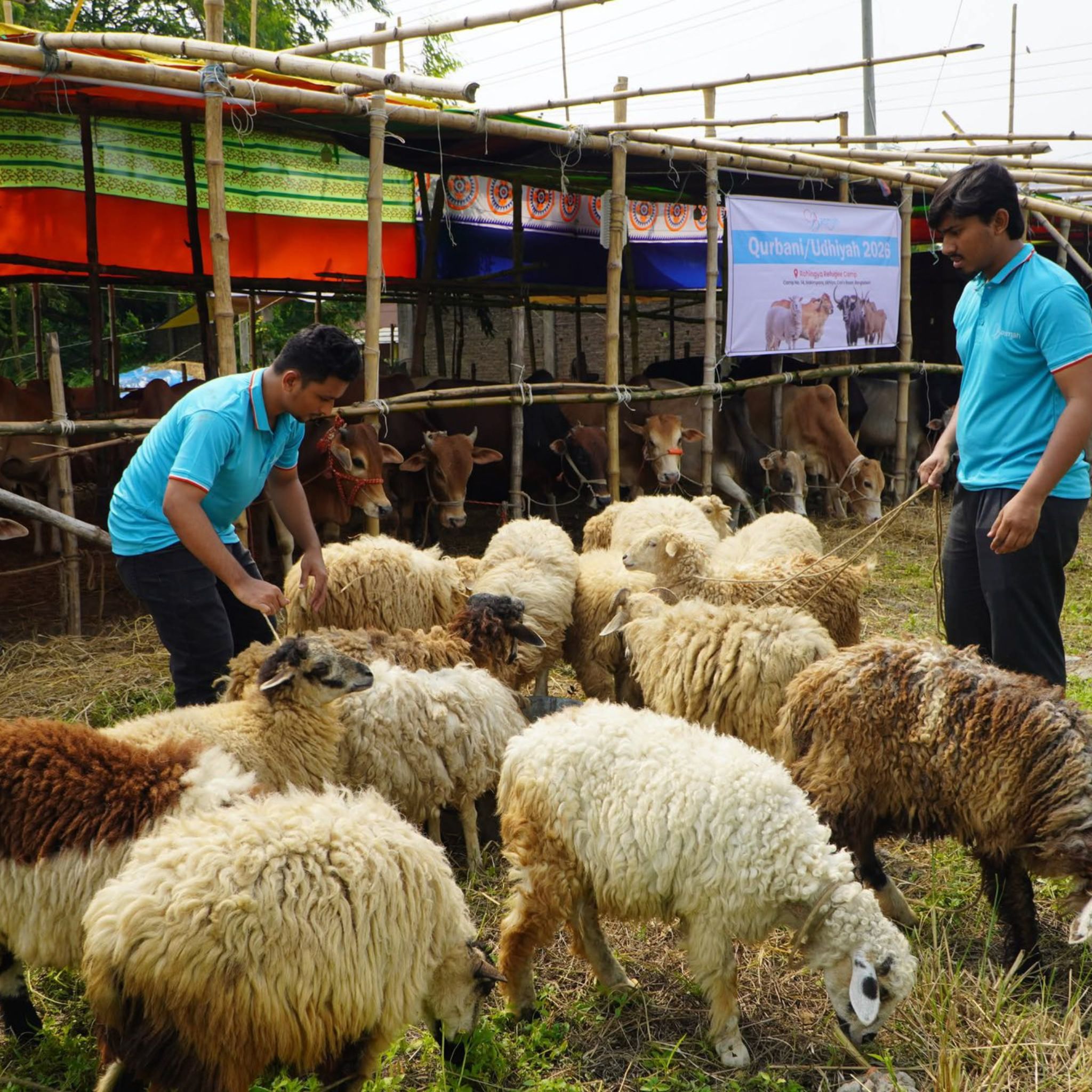
Your sacrifice is smaller. Of course it is. But its spiritual lineage runs directly to that hillside, and the intention behind it matters as much as the act itself. When you give Qurbani, you are saying โ€” in the language of action, in the most eloquent way available to you โ€” that you hold nothing so tightly you cannot release it when Allah asks.

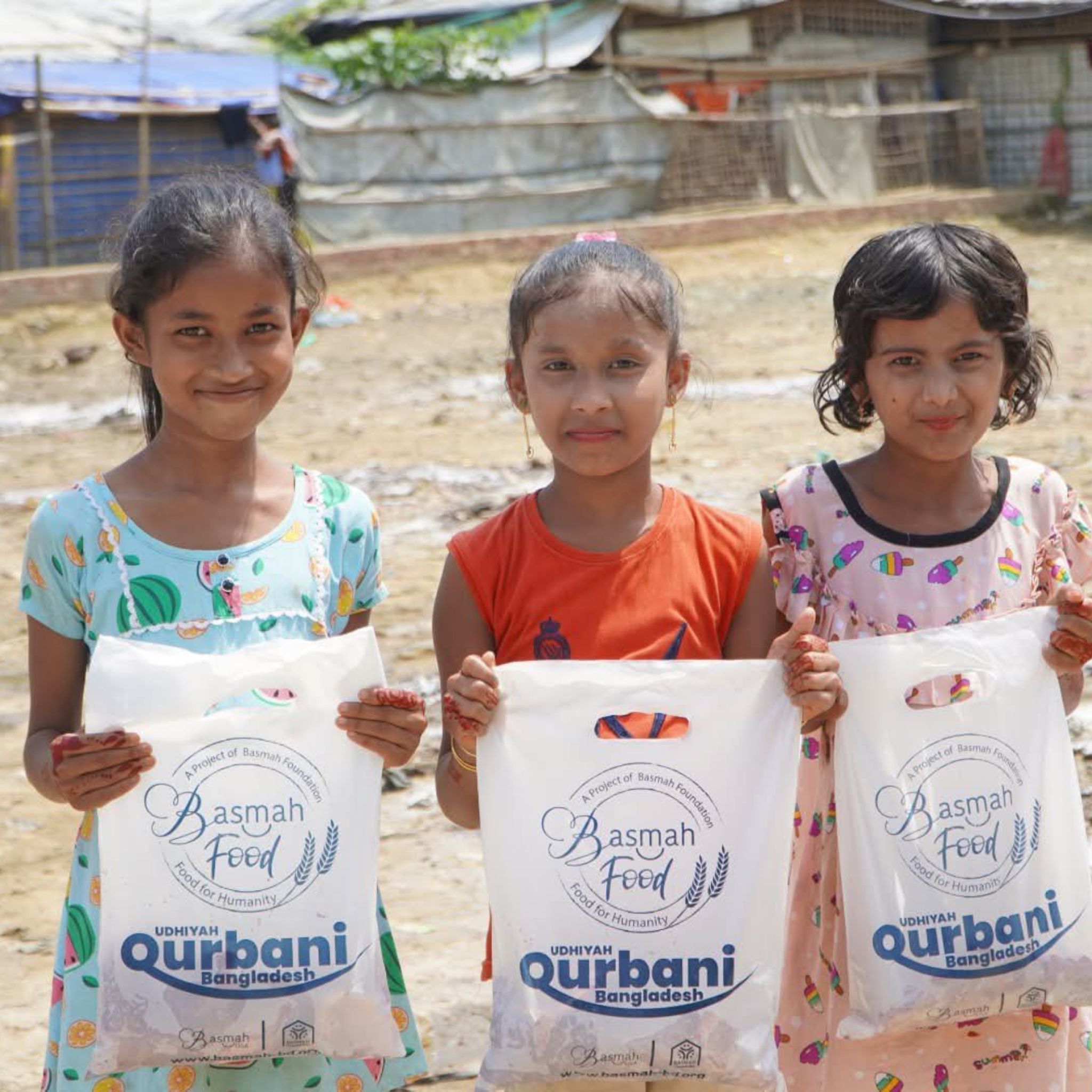
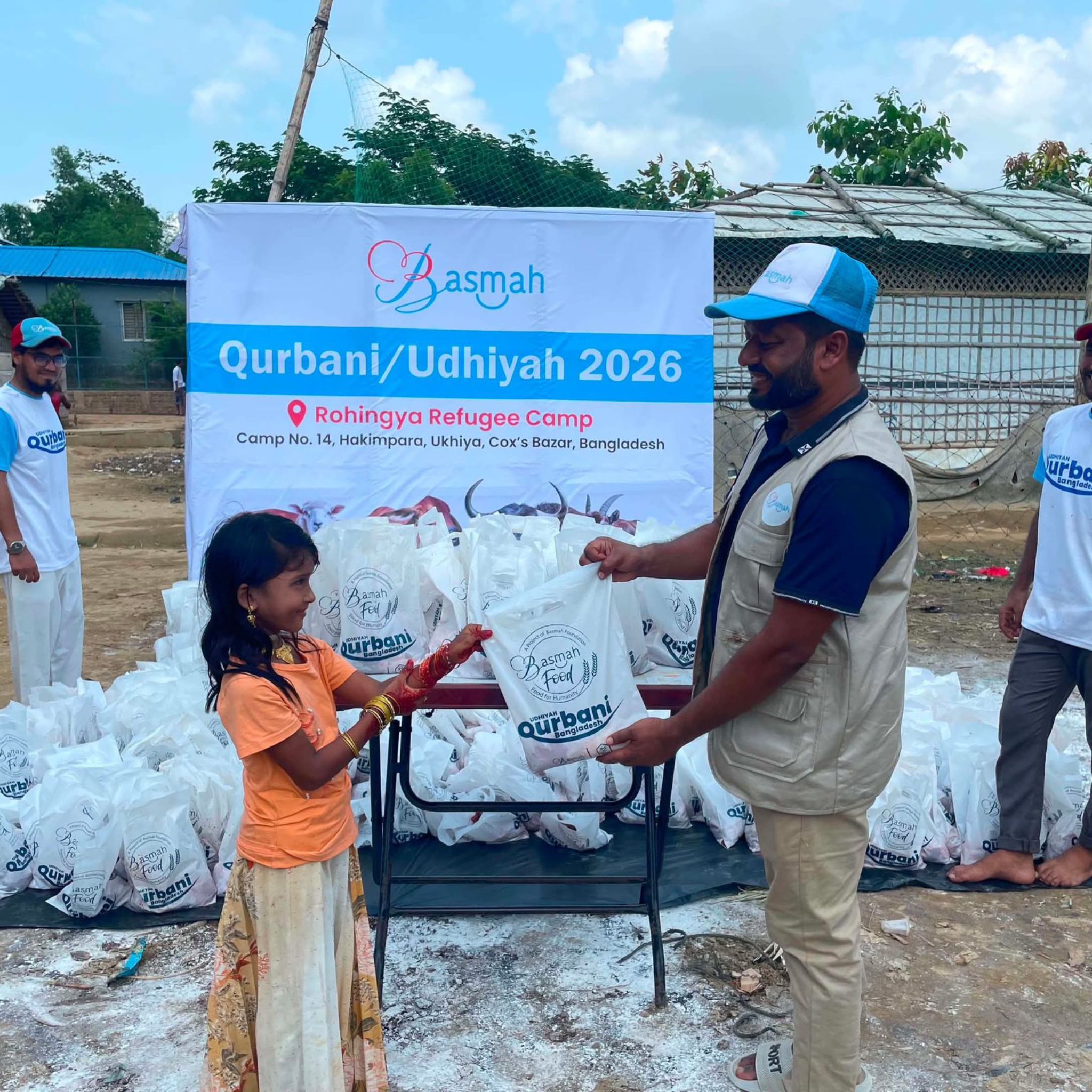
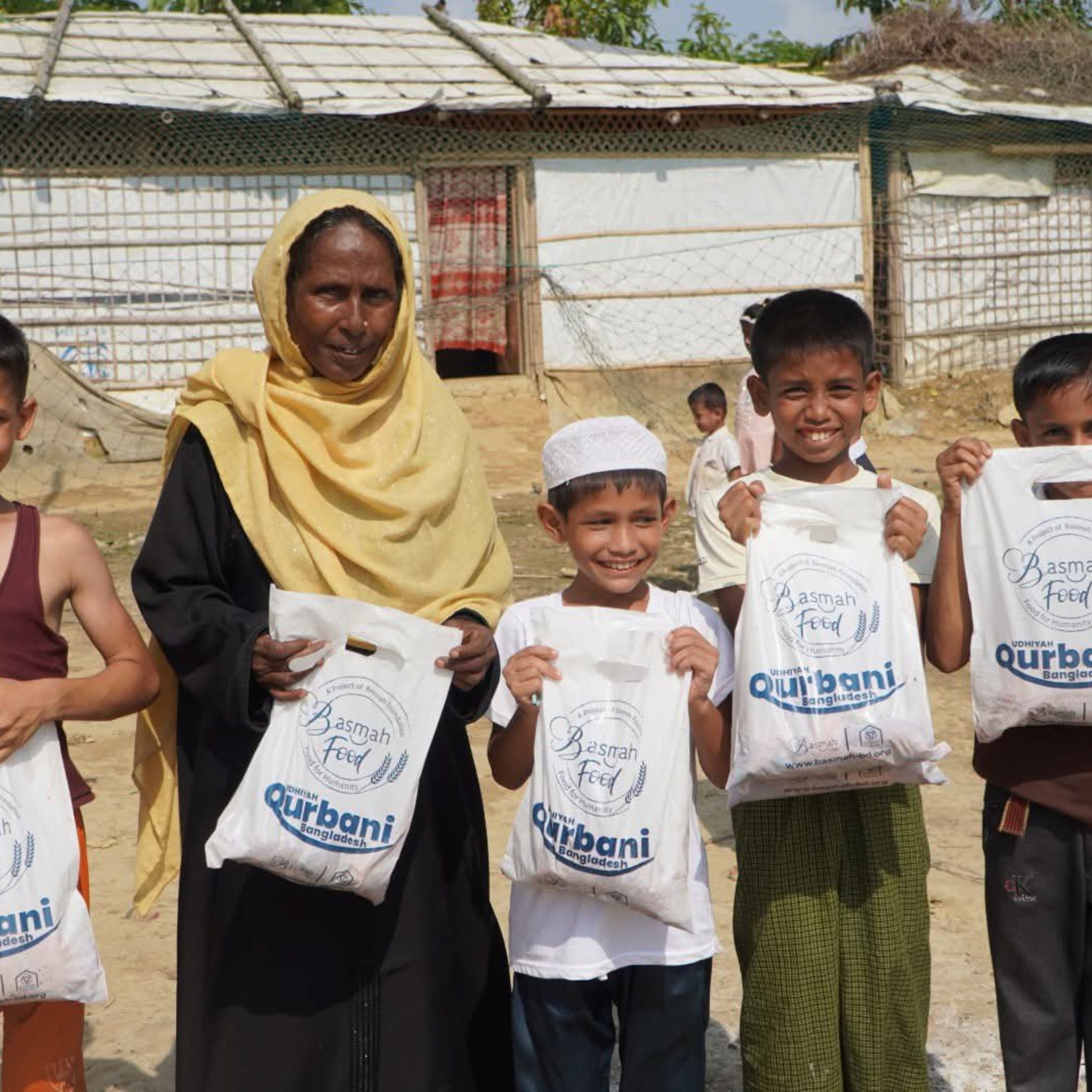
And practically: that meat reaches real families. For many of them it is the only time all year they taste it. A child somewhere will have a different Eid because of your Qurbani โ€” and that childโ€™s joy, and that familyโ€™s duโ€™a for whoever sent it, rises on the day when Allah is listening most attentively.

Give Qurbani if you can. Give the best you can afford. Give it as Ibrahim ๏ทบ gave everything he was asked for โ€” without holding back.

Ten: Celebrate Eid โ€” Fully, Joyfully, Without Guilt

The tenth day carries a prohibition against fasting. It is haram to fast on Eid al-Adha. This is not a concession to human weakness โ€” it is deliberate divine design.

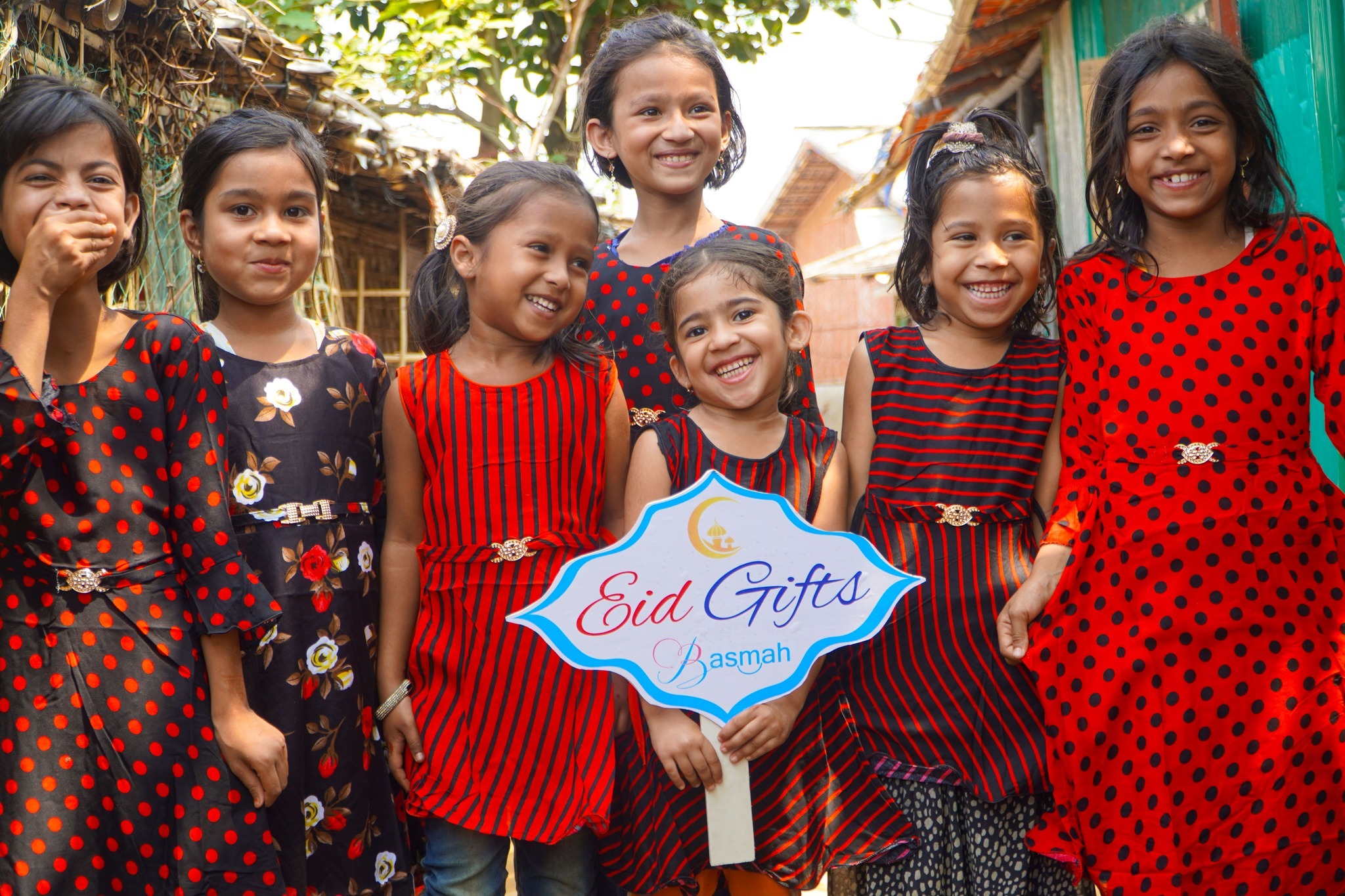
Nine days of chosen discipline, voluntary hunger, intensified worship. And then the tenth day erupts into celebration. New clothes. The scent of Qurbani in the air. Children running. Food shared with neighbors, with the poor, with people who have less than you. The Takbeer ringing from every masjid.

This contrast is intentional. Effort is followed by reward. Sacrifice is answered with feast. The arc of these ten days mirrors Ibrahimโ€™s own journey โ€” from trial through surrender to divine relief and blessing.

Celebrate Eid with your whole chest. Pray the Eid prayer. Wear your best. Feed people. Visit those who are alone. Give the children something to remember. Call the people you love. Let the day feel like what it is โ€” the culmination of ten days spent in the company of Allahโ€™s favor, now honored with His permission to rest and rejoice.

The believer who spent nine days fasting and worshipping and giving and remembering Allah deserves this tenth day. Allah designed it for them. Receive it with gratitude.

The Ten Days in Practice โ€” An Honest Daily Shape

Nobody does all of this perfectly. Nobody sustains peak spiritual performance across ten consecutive days while life continues its ordinary demands around them. That is not the expectation and it never was.

The expectation is sincerity and direction. Every morning, orient yourself toward Allahโ€™s pleasure before the day takes over. Fast if you can. Say the Takbeer during the commute. Give something โ€” money, time, a kind word โ€” every single day. Make istighfar a constant companion. Pray with presence rather than just presence.

The first three days: establish the rhythm. Wake earlier. Begin the dhikr habit. Read one page of the Quran after Fajr and do not skip it.

The middle days: deepen what you started. Add fasting if you have not. Call a relative. Give the Sadaqah you have been meaning to give. Make the repair you have been avoiding.

Day nine โ€” Arafah โ€” give it everything. Fast. Make duโ€™a from after Dhuhr until Maghrib with the kind of presence you would bring to the most important conversation of your life. Because that is precisely what it is.

Day ten โ€” celebrate. Fully, gratefully, generously.

These Days Are Already Coming โ€” The Only Question Is Who You Will Be In Them

Dhul Hijjah arrives whether you are ready or not. It does not wait for the right circumstances or the right version of you. It comes โ€” and it offers, for ten days, the most fertile spiritual ground the Islamic year produces.

Allah does not require perfection before accepting your effort. He requires sincerity. He requires the heart that turned toward Him, however haltingly, however imperfectly. The Prophet ๏ทบ taught that Allah stretches out His hand during the night for the one who sinned during the day, and during the day for the one who sinned during the night. His mercy operates in the direction of the turning heart โ€” always toward it, always ready, always more generous than the returning servant expects.

These ten days are your turning. Your ten mornings to reorient. Your ten chances to plant something in the most fertile soil of the year. Every fast, every prayer, every dirham of Sadaqah, every whispered Subhanallah during a moment nobody else noticed โ€” all of it is seen. All of it is carried. All of it follows you into an Akhirah that is more real than anything your hands have ever touched.

The days are coming. They are almost here.

Be ready. Or begin getting ready right now, with whatever you have, exactly as you are.

May Allah accept every act of worship from this Ummah during these blessed days. May He multiply what little we offer into more than we can comprehend. May He grant the struggling believer ease, the grieving heart comfort, and every soul that reached for Jannah a path that leads there.

Ameen, Ya Rabbul Alameen.

Related Posts

Share this post

ZAKAH CALCULATOR

Deductions

Totals