Dhul Hijjah The 10 best days
These Ten Days Will Not Return: The Believer's Guide to Living Dhul Hijjah Fully
For the Muslim who knows these days matter โ and wants to finally treat them that way.
- Apr 12, 2026
- Why These Days? What Makes Them Different?
- The Day of Arafah โ Save Your Deepest Tears for This One
- Fast the Nine Days โ Your Nafs Has Had Enough Holidays
- The Words That Cost Nothing and Build Everything
- Qurbani โ The Story Behind the Sacrifice
- Give Sadaqah Like the Days Are Numbered โ Because They Are
- For Those Planning Qurbani โ A Small Note on Preparation
- The Ummah You Cannot See โ But That Prays Beside You
- These Days Will Not Come Back โ Not This Version of Them
Once a year, something extraordinary happens. Quietly. Without announcement. Without the world pausing to acknowledge it. The first ten days of Dhul Hijjah arrive โ and most of us, if we are being ruthlessly honest, let them pass like any other week.
We scroll. We work. We sleep in. We mean to do more.
This is not a condemnation. It is an invitation. Because these days โ these specific, irreplaceable, divinely elevated ten days โ are still coming. And they are carrying something with them that no other moment in the Islamic calendar can offer.
The Prophet ๏ทบ said it plainly, without qualification: โThere are no days during which righteous deeds are more beloved to Allah than these ten days.โ Not some days. Not most days. No days. The superlative is absolute. Allah loves what you do in Dhul Hijjah more than He loves what you do at any other point in the year โ including Ramadanโs final stretch.
If that sentence does not rearrange something in your chest, read it again.
Why These Days? What Makes Them Different?
The question is worth sitting with. What is it about Dhul Hijjahโs first ten days that earns such an extraordinary designation?
Part of it is convergence. These days gather together the greatest pillars of worship simultaneously โ Hajj, Qurbani, fasting, Sadaqah, dhikr, Eid โ in a single sacred window. Allah swore by these days in the Quran itself. Surah Al-Fajr opens with an oath: โBy the dawn, and by the ten nights.โ The scholars of Tafsir are nearly unanimous โ those ten nights are the nights of Dhul Hijjah. When Allah swears by something in His Book, that something deserves our full, undivided attention.
These days also sit at the intersection of earth and a very specific kind of heaven-directed human movement. Right now โ or soon โ millions of your brothers and sisters are performing Hajj. They are in ihram, circling the Kaโaba, weeping on Arafah, stripped of every worldly marker. And here is the breathtaking thing: you do not have to be among them to draw from the spiritual current of these days. The Barakah is not geographically restricted. It is yours, wherever you are standing.
The Day of Arafah โ Save Your Deepest Tears for This One
The 9th of Dhul Hijjah. Mark it. Protect it. Treat it with the reverence of someone who understands what is on offer.
On this day, Allah descends to the nearest heaven. He speaks of His servants with something that โ and there is no other word for it โ resembles divine pride. He draws the angelsโ attention to the people calling out to Him. And His promise, documented in Muslim, is staggering: those who come to Him on Arafah seeking mercy will find it, even if their sins were as numerous as the oceanโs foam.
The Prophet ๏ทบ was asked about fasting on this day. His answer was immediate and monumental: โIt expiates the sins of the preceding year and the coming year.โ
Two years. One fast. That is not religious mathematics โ that is divine generosity operating beyond any scale we are equipped to measure.
If you do nothing else during Dhul Hijjahโs first nine days, fast Arafah. Wake before Fajr. Make your intention. Spend that day in dhikr, in duโa, in Quran. When you raise your hands before Maghrib, in that golden final hour โ pour everything out. Your regrets. Your longings. Your fears for the Akhirah. Your love for the people you carry in your heart. Nothing is too small to bring. Nothing is too heavy.
Allah is listening with particular attentiveness on that day. Do not waste it on silence.
Imam Siraj Wahhaj
Honorary advisor of BASMAH
Fast the Nine Days โ Your Nafs Has Had Enough Holidays
The Prophet ๏ทบ fasted the first nine days of Dhul Hijjah. Not as a one-off act of extraordinary piety. Regularly. Intentionally. Because he understood what these mornings were worth.
Fasting in Dhul Hijjah is Sunnah โ not obligatory, not enforced by community expectation, not marked by the communal fanfare of Ramadan. Just you and your intention and Allah. That privacy is not a weakness of this fast. It is its particular power.
Allah said โ in a hadith Qudsi that should stop every fasting person in their tracks โ โFasting is for Me, and I shall reward it.โ Every other act of worship has a known scale of multiplication. Fasting? Allah handles the reward personally. The scale does not apply. The ceiling does not exist.
Each hunger pang during these nine days is not meaningless discomfort. It is currency being deposited into an account you cannot see but that is very, very real. Every morning you wake before Fajr and make the intention to fast for His sake โ that morning is noted. That sacrifice is seen.
And if nine days genuinely cannot happen โ if health, or travel, or circumstances make it impossible โ then nine becomes one. Just Arafah. Just the ninth. That single day carries enough spiritual weight to anchor an entire year.
The Words That Cost Nothing and Build Everything
Between the fasts and the prayers and the Sadaqah, there is a practice so simple it is almost embarrassing in its accessibility. Dhikr. The remembrance of Allah, spoken quietly or aloud, during the commute, while cooking, while waiting, while lying awake.
The Prophet ๏ทบ specifically encouraged during these days: Tahleel โ La ilaha illallah. Takbeer โ Allahu Akbar. Tahmeed โ Alhamdulillah. Tasbeeh โ Subhanallah.
Four phrases. Each one a declaration. Each one, during these days, carrying amplified weight. The companions used to say the Takbeer loudly in the marketplaces of Madinah, and others would hear it and join โ until the whole marketplace hummed with Allahโs praise. There is something deeply moving about that image. The mundane space of commerce transformed, for a moment, into a congregation of remembrance.
Your commute can be that marketplace. Your kitchen can be that marketplace. The Takbeer costs nothing and builds everything โ and during Dhul Hijjah, it costs even less and builds even more.
Qurbani โ The Story Behind the Sacrifice
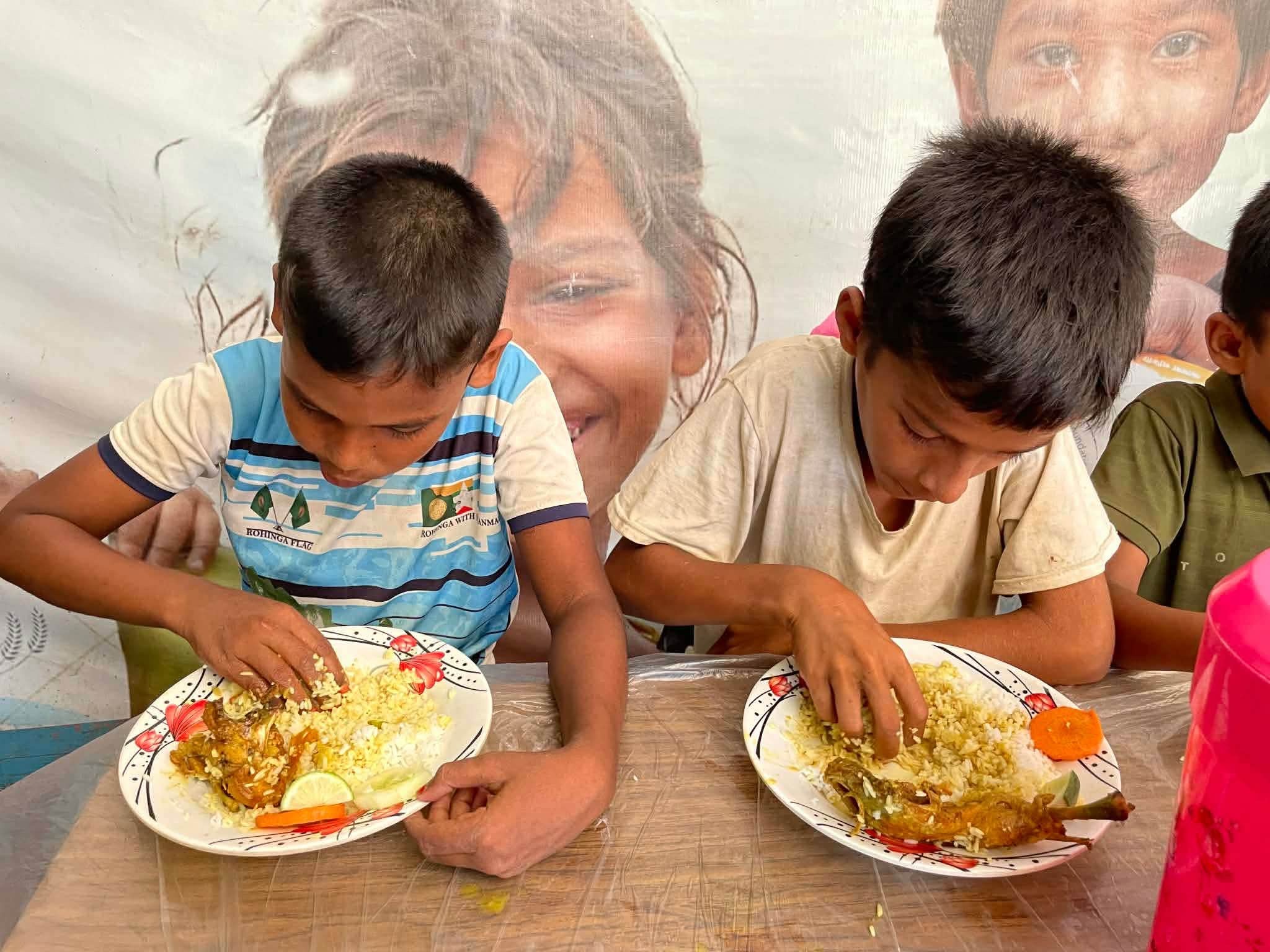
Every Eid al-Adha, the act of Qurbani ripples through the Ummah globally โ animals sacrificed, meat distributed, families fed who otherwise might not taste meat all year. But do we remember what it is actually remembering?
Ibrahim ๏ทบ. A man who had waited his entire life for a son. Who received Ismail as an old manโs miracle. Who then heard the command โ in a dream, repeatedly, unmistakably โ to sacrifice that same son. And he walked toward it. Not grudgingly. Not after arguing. He walked toward it, and Ismail โ when told โ said: โFather, do what you have been commanded. You will find me, if Allah wills, among the patient.โ
Father and son, together, surrendering everything. That is what your Qurbani echoes. Not merely a charitable act โ though it feeds real families, and those families are real, and their hunger is real. It is a declaration: I hold nothing so tightly that I cannot release it for Allah.
Your Qurbani during these blessed days โ whether you sacrifice locally or donate through an organisation reaching communities in need โ carries both the practical weight of feeding people and the spiritual weight of that ancient, extraordinary act of submission.
Give Sadaqah Like the Days Are Numbered โ Because They Are
Sadaqah during Dhul Hijjah is not ordinary charity. The multiplication of reward during these days applies to everything โ and giving from your wealth for Allahโs sake, during the most beloved days of His year, yields returns that only the Akhirah will fully reveal.
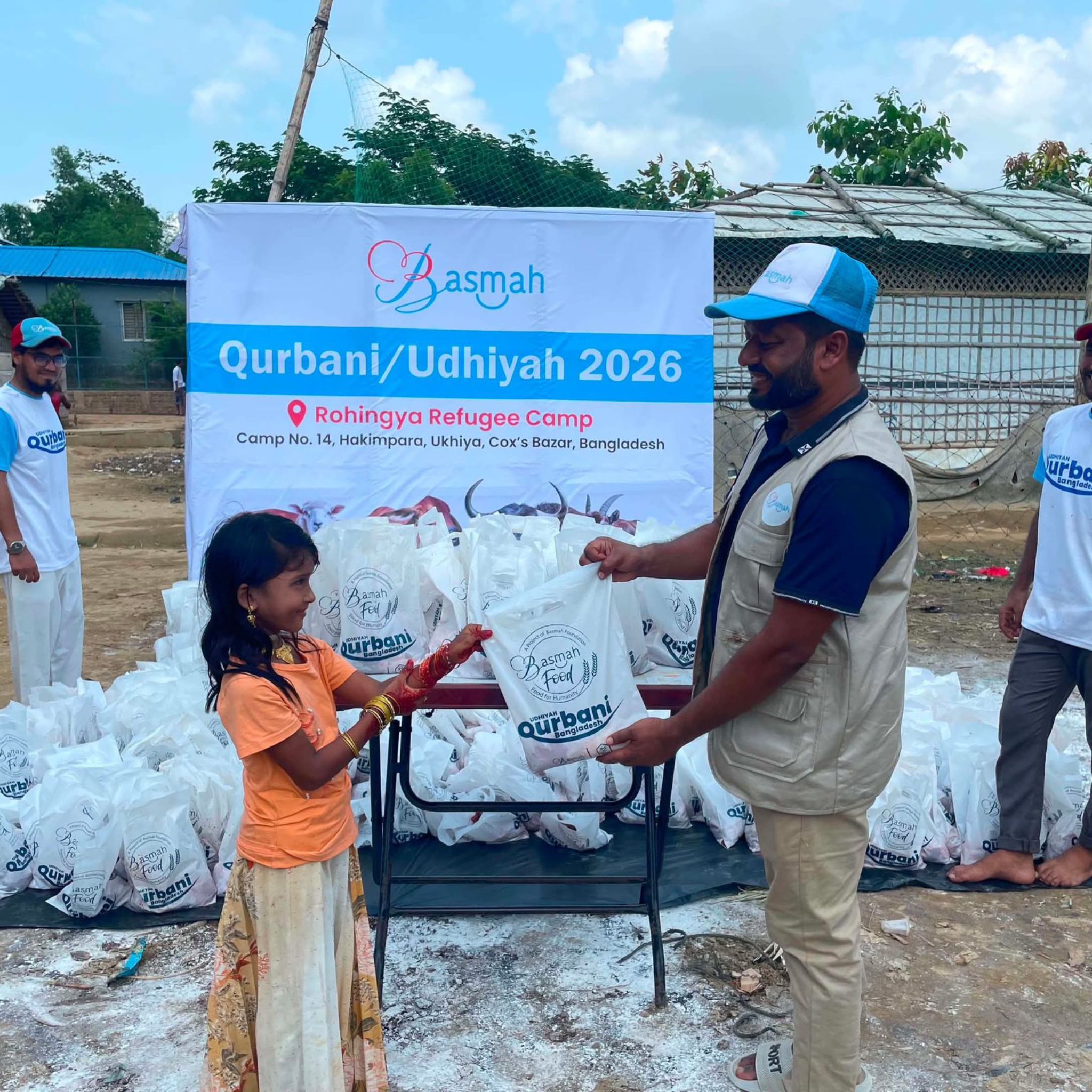
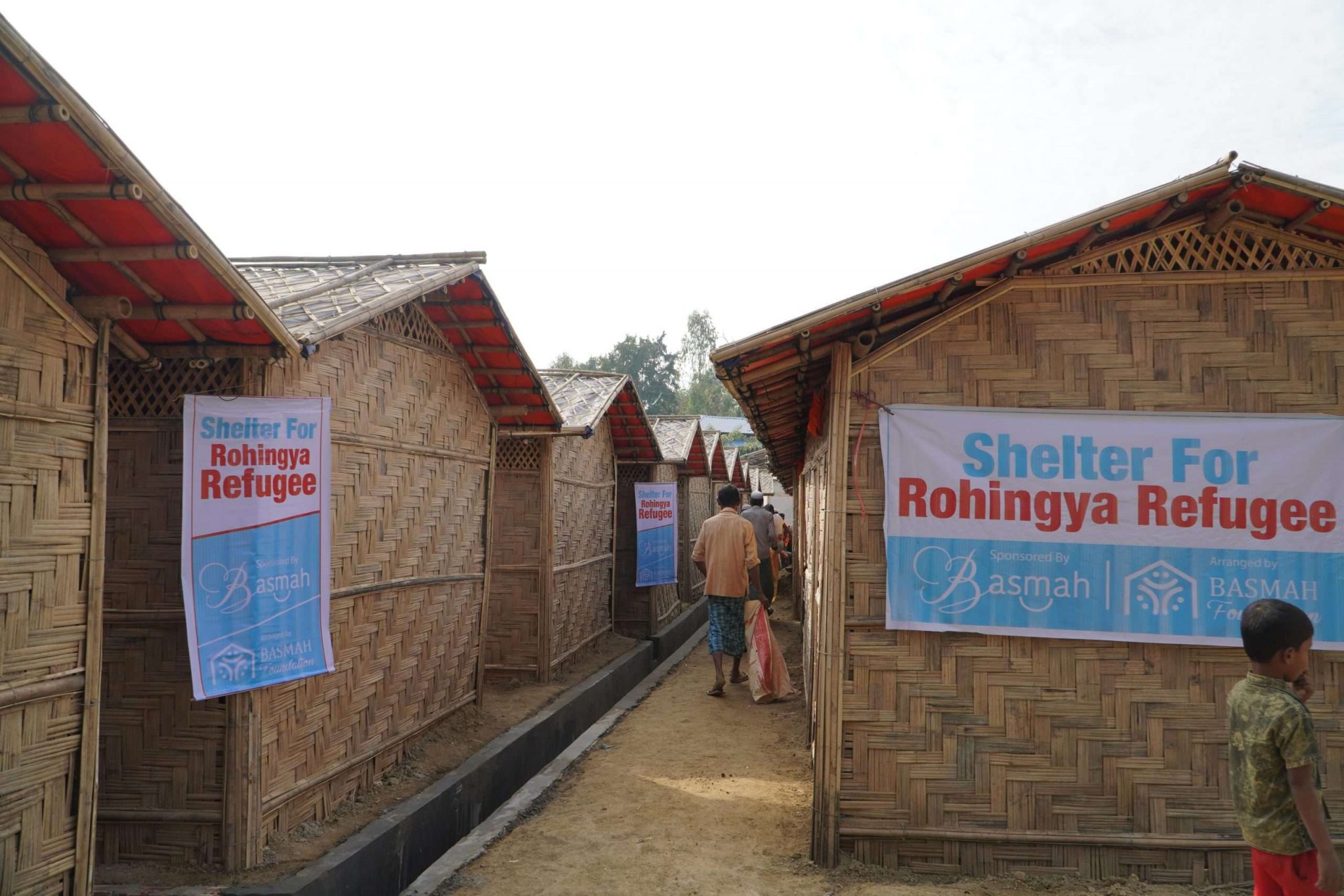
Think practically, though. There is a widow somewhere whose month depends on whether anyone remembers her. An orphan whose Eid will be determined by whether the Ummah showed up. A refugee family rebuilding from nothing will receive meat on Eid because someone gave Qurbani on their behalf. A student who stays in school because Zakat reached them in time.
Your Sadaqah during these days is not an abstract spiritual transaction. It moves through real hands, into real mouths, and lands in real lives. And every one of those real lives represents a living, breathing duโa made on your behalf โ from people who do not know your name but who will pray for whoever sent mercy their way.
Give generously. Give now. Do not wait for the perfect amount or the perfect moment. These days are the moment.
For Those Planning Qurbani โ A Small Note on Preparation
If you intend to give Qurbani this Eid, the Sunnah is to refrain from cutting your hair or nails from the first of Dhul Hijjah until your sacrifice is completed. It is a small, physical act of solidarity with the pilgrims in Makkah who enter ihram and leave behind the ordinary markers of self-grooming.
You will never set foot on the plains of Arafah this year. But you can, in this small way, mirror something of the pilgrimโs state. Your uncut nails are a quiet daily reminder: these are not ordinary days. I am in a season of devotion. I am oriented toward something larger than my routine.
Small reminders matter. The nafs forgets quickly. Let your body help your soul remember.
The Ummah You Cannot See โ But That Prays Beside You
One of the quiet miracles of Dhul Hijjah is what happens globally and invisibly. Simultaneously. Right now โ or in these coming days โ Muslims in circumstances you cannot imagine are doing exactly what you are attempting to do.
A woman in a displacement camp waking before Fajr to fast. A young man in a country where Islam is a minority quietly making dhikr on his way to work. An elderly man in rural Bangladesh giving his small Sadaqah with shaking hands and absolute sincerity. A new Muslim, uncertain about so much, but certain that these days feel different โ and leaning into that feeling with everything they have.
The Ummah is fractured in many visible ways. But Dhul Hijjah reveals the invisible thread that still connects us โ across borders, languages, economic conditions, and personal struggles โ into one body of people orienting themselves toward the same Qibla, calling out to the same Rabb, hoping for the same Jannah.
You are not alone these days. You are never alone these days. When the fast feels long and the day feels ordinary, remember: the person fasting beside you โ invisibly, on the other side of the world โ is carrying you in the collective barakah of the Ummahโs devotion.
These Days Will Not Come Back โ Not This Version of Them
Here is the thing about Dhul Hijjah that nobody says plainly enough: this particular iteration of these days will not come again. Not with this version of you โ carrying your current burdens, your current sins, your current longings, your current understanding of what you need from Allah.
Next yearโs Dhul Hijjah will come to a different you, in a different chapter. This one โ right now โ belongs to the person you are today.
That is not pressure designed to paralyze. It is clarity designed to mobilize. The days are here. The doors are open. The reward is real and it is waiting. And Allah โ the Most Generous, the Most Merciful, the One who declared these days the most beloved of His year โ is not waiting for you to be perfect before He accepts your effort. He is waiting for your sincerity. He has always only ever been waiting for that.
Fast when you can. Give what you have. Say the words even when distracted. Pray even when tired. Make duโa even when you do not know what to ask for โ because He knows what you need more precisely than your own heart does.
These ten days are heavenโs open invitation. And the only tragedy would be declining it.
May Allah accept from all of us. May He multiply what little we offer into more than we can comprehend. May He grant the Ummah of Muhammad ๏ทบ ease in these days and joy in the next.
Ameen, Ya Rabbul Alameen.
Related Posts
Dhul Hijjah 2025: A Time to Reflect, Give, and Grow Spiritually
Dhul Hijjah 2025: A Time to Reflect, Give, and Grow Spiritually Donate Dhul Hijjah 2025: A Time to Reflect, Give,
Good Deeds that Outlast Death | 5 Types of Sadaqah Jariyah
Five Amazing Types of Sadaqah Jariyah That Keep Giving Rewards After You Die Donate Five Amazing Types of Sadaqah Jariyah
The Power of Sadaqah: 7 Benefits of Giving Sadaqah
The Power of Sadaqah: 7 Benefits of Giving Sadaqah Donate The Amazing Power of Sadaqah: 7 Incredible Benefits of Giving

10 Reasons Why you Should Give Sadaqah Regularly
10 Reasons Why you Should Give Sadaqah Regularly Donate 10 Reasons Why you Should Give Sadaqah Regularly The Gift That
11 Hadiths About Sadaqah
11 Beautiful Hadiths About Sadaqah That Will Change Your Life Forever 11 Beautiful Hadiths About Sadaqah That Will Change Your
5 Types of Sadaqah You Might Never Have Heard Of
Five Types of Sadaqah Jariyah You May Not Know About Donate Five Types of Sadaqah Jariyah You May Not Know
Sadaqah Jariyah?
Your Path to Jannah: How Sadaqah Jariyah Brings Eternal Barakah to Your Life Donate Your Path to Jannah: How Sadaqah
Community Support through Sadaqah: Strengthening Economies in Crisis
The Power of Sadaqah: How Your Small Gift Can Change Everything Donate The Power of Sadaqah: How Your Small Gift
The Impact of Sadaqah On Society
The Impact of Sadaqah On Society Donate The Impact of Sadaqah On Society Every Small Act of Giving Brings Huge
Islam and Charity
Islam and Charity Donate The Heart of Islam: Why Charity Brings You Closer to Jannah Your Path to Allah's Love
12 Ways to Increase Rizq
12 Ways to Increase Rizq Donate Allah's Promise: 12 Proven Ways to Unlock Endless Barakah in Your Rizq Introduction 1.
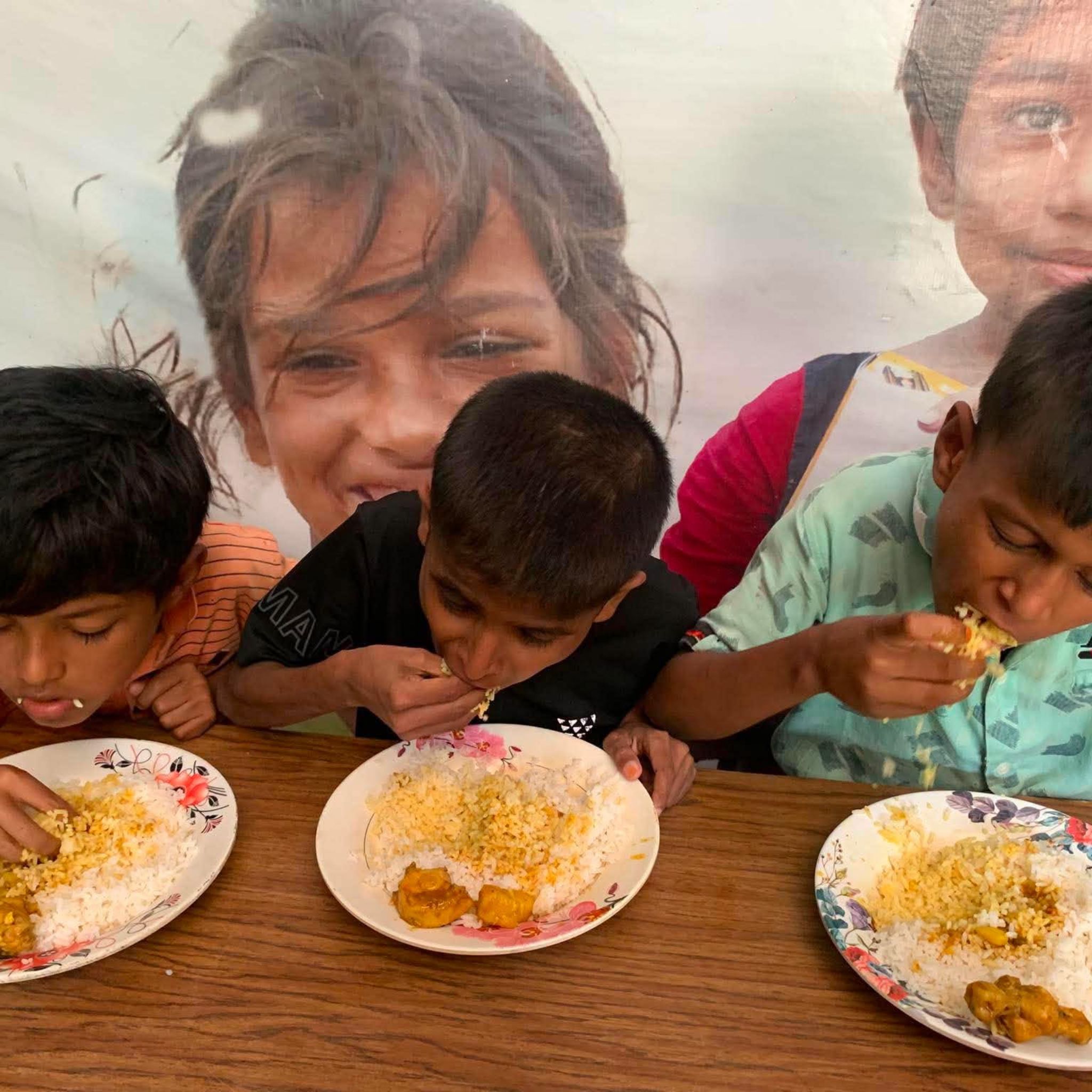
3 Scientific Reasons Why Giving is Rewarding
3 Scientific Reasons Why Giving is Rewarding Donate Three Divine Insights: How Sadaqah Transforms Hearts and Minds The Sacred Exchange
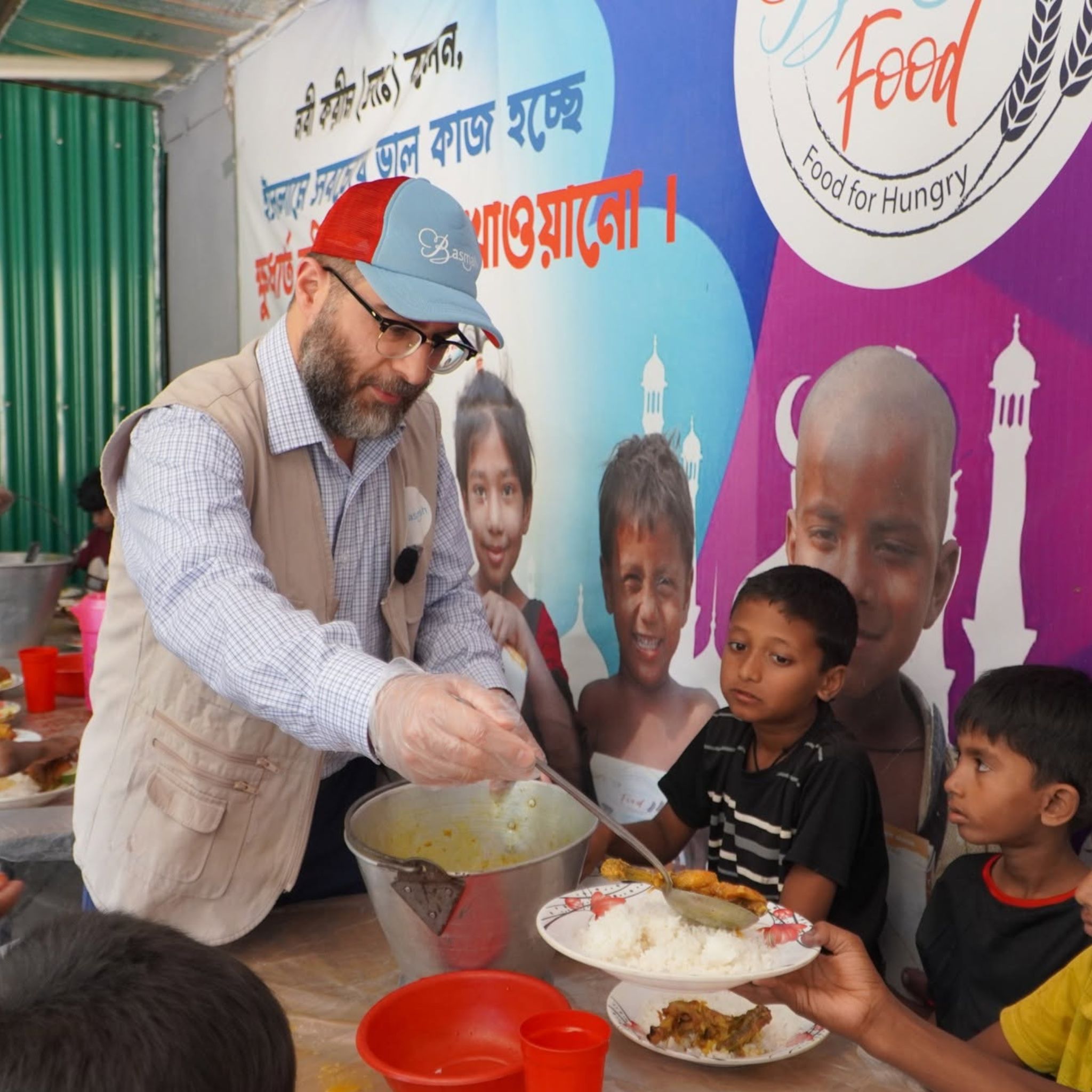
What is Sadaqah Jariyah?
What is Sadaqah Jariyah? Donate The Eternal River of Barakah: Understanding Sadaqah Jariyah's Boundless Rewards The Sacred Foundation of Charitable
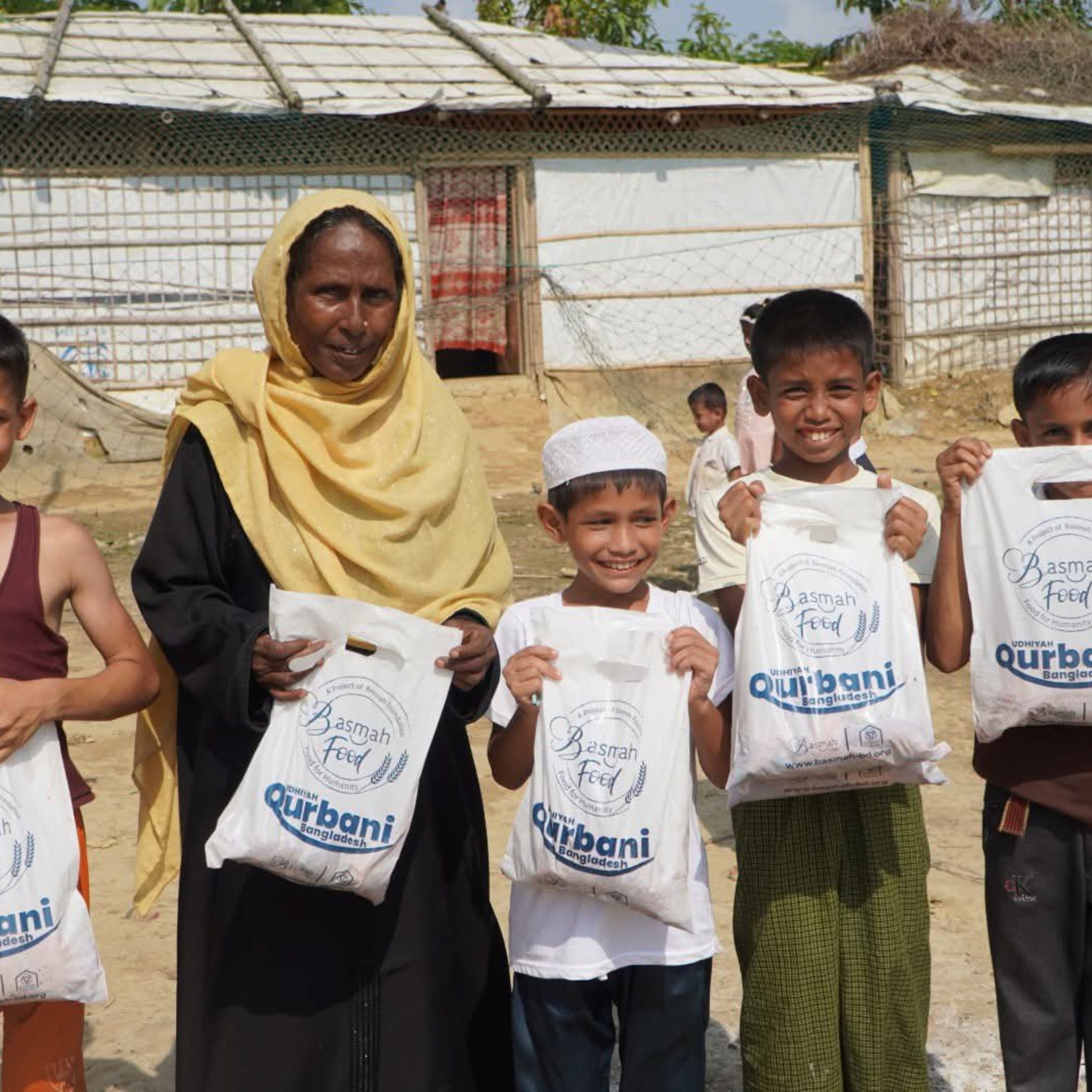
Duas for Dhul Hijjah
Duas for Dhul Hijjah Donate Duas That Open the Gates of Barakah in Dhul Hijjah By a servant of Allah,
Fasting in Dhul Hijjah
Fasting in Dhul Hijjah Donate When the Skies Beg You to Hunger: The Soul's Case for Fasting in Dhul Hijjah
Dhul Hijjah The 10 best days
Dhul Hijjah The 10 best days Donate These Ten Days Will Not Return: The Believer's Guide to Living Dhul Hijjah
Virtues of the Ten Days of Dhul Hijjah
Virtues of the Ten Days of Dhul Hijjah Donate The Ten Days Allah Loves Most: A Believer's Honest Reckoning with
10 EASY ACTS YOU CAN DO FOR THE FIRST 10 DAYS OF DHUL HIJJAH
10 Easy Acts You Can Do for the First 10 Days of Dhul Hijjah Donate Ten Acts, Ten Days, One
Giving to Water Projects as a Sadaqah Jariyah
Giving to Water Projects as a Sadaqah Jariyah Donate Giving to Water Projects as a Sadaqah Jariyah The Water Crisis
Examples of Sadaqah Jariyah
3 Scientific Reasons Why Giving Is Rewarding Donate 3 Scientific Reasons Why Giving Is Rewarding Sadaqah Jariyah Meaning Examples of