...

ALL YOU NEED TO KNOW ABOUT QURBANI RULES

Everything You Need to Know About Qurbani โ€” A Complete Guide for the Believing Heart

Qurbani

Written for every Muslim who wants to fulfill this sacred duty with sincerity, understanding, and love for Allah (SWT)

Eid ul-Adha is almost here. And with it comes one of the most spiritually charged obligations in our Deen โ€” Qurbani.

For many of us, Qurbani is a yearly ritual we follow because our parents did, because our community does, because it simply feels right. But do we truly understand the weight of what weโ€™re doing? The rulings behind it? The love story of Ibrahim (AS) that makes every single sacrifice meaningful?

Letโ€™s walk through it together โ€” properly, completely, and from the heart.

What Is Qurbani, Really?

At its core, Qurbani is surrender. It is a physical, tangible act of telling Allah (SWT): โ€œWhatever You ask of me โ€” I will give it.โ€

The story behind it shakes the soul every single time you hear it. Prophet Ibrahim (AS) โ€” the Khalilullah, the close friend of Allah โ€” received a dream in which he was commanded to sacrifice his beloved son, Ismail (AS). Not his wealth. Not his livestock. His son. The child he had waited decades for. And without hesitation, both father and son submitted.

Allah (SWT), in His infinite mercy and wisdom, replaced Ismail (AS) with a ram from the heavens just before the knife fell. It was never about the blood. It was always, always about obedience.

And so, every year, in homes and fields and slaughterhouses across the entire Ummah, Muslims echo that same surrender. We sacrifice. We submit. We remember.

Who Is Required to Perform Qurbani?

This is where many people carry unnecessary confusion โ€” so letโ€™s clear it up once and for all.

Qurbani is wajib (obligatory) upon every Muslim who:

  • Has reached puberty
  • Is of sound mind and judgment
  • Possesses wealth equal to or above the Nisab threshold (the same minimum wealth threshold used for Zakat)
  • Is not currently travelling beyond approximately 40โ€“45 kilometres from their home

That last point surprises people. Yes โ€” if you are a traveller in the Islamic legal sense during the days of Eid, Qurbani is lifted from your shoulders for that year.

What about your children? Your adult children are responsible for their own Qurbani if they meet the above conditions. You cannot assume it falls under your household obligation once they have reached maturity and own their own wealth.

And here is something beautiful โ€” you can perform Qurbani on behalf of the deceased. Many families sacrifice an animal in the name of a parent who has passed, and this is an act of immense Sadaqah that, by the grace of Allah, can reach them in the Akhirah. SubhanAllah.

When Must the Sacrifice Take Place?

Timing, in Islamic worship, is everything.

Qurbani is valid only on the 10th, 11th, or 12th of Dhul Hijjah โ€” the three sacred days of Eid ul-Adha. These are days drenched in Barakah, days that even the angels witness.

One critical rule that gets overlooked: your Qurbani must take place after the Eid prayer has been performed. Not before. Not during. After.

If an animal is slaughtered before the Eid Salah concludes, it does not count as Qurbani โ€” it becomes a voluntary Sadaqah. Honourable, yes. But it does not discharge your obligation. You will still be required to perform the actual Qurbani afterwards.

So do not rush. Let the prayer finish. Let the takbeerat ring out. Then proceed.

Iโ€™m on the advisory board of this great organization, Basmah. And Iโ€™m saying to you, from a man on the inside, they do a lot of incredible work. Iโ€™m amazed every day by more and more work; they donโ€™t stop, they never stop.
Imam Siraj Wahhajย ย 

Imam Siraj Wahhaj

Honorary advisor of BASMAH

At What Age Does Qurbani Become Obligatory?

This is a question many young Muslims ask as they grow into adulthood and begin managing their own finances.

The short answer: once you reach puberty and possess Nisab-level wealth, Qurbani becomes your personal responsibility.

Some scholars hold varying positions on whether it is strictly fardh or wajib, but the overwhelming consensus โ€” particularly in the Hanafi school โ€” is that it is obligatory upon those who qualify. And beyond obligation, it is one of the most highly rewarded acts you can perform in these blessed days. The hadith tells us that there is no deed more beloved to Allah during the days of Dhul Hijjah than the shedding of blood in sacrifice.

Think about that. More beloved. More rewarded. These are not ordinary days.

Which Animals Are Permitted for Qurbani?

Not every animal qualifies. Allah (SWT) has laid out specific guidelines, and part of our submission is honouring them precisely.

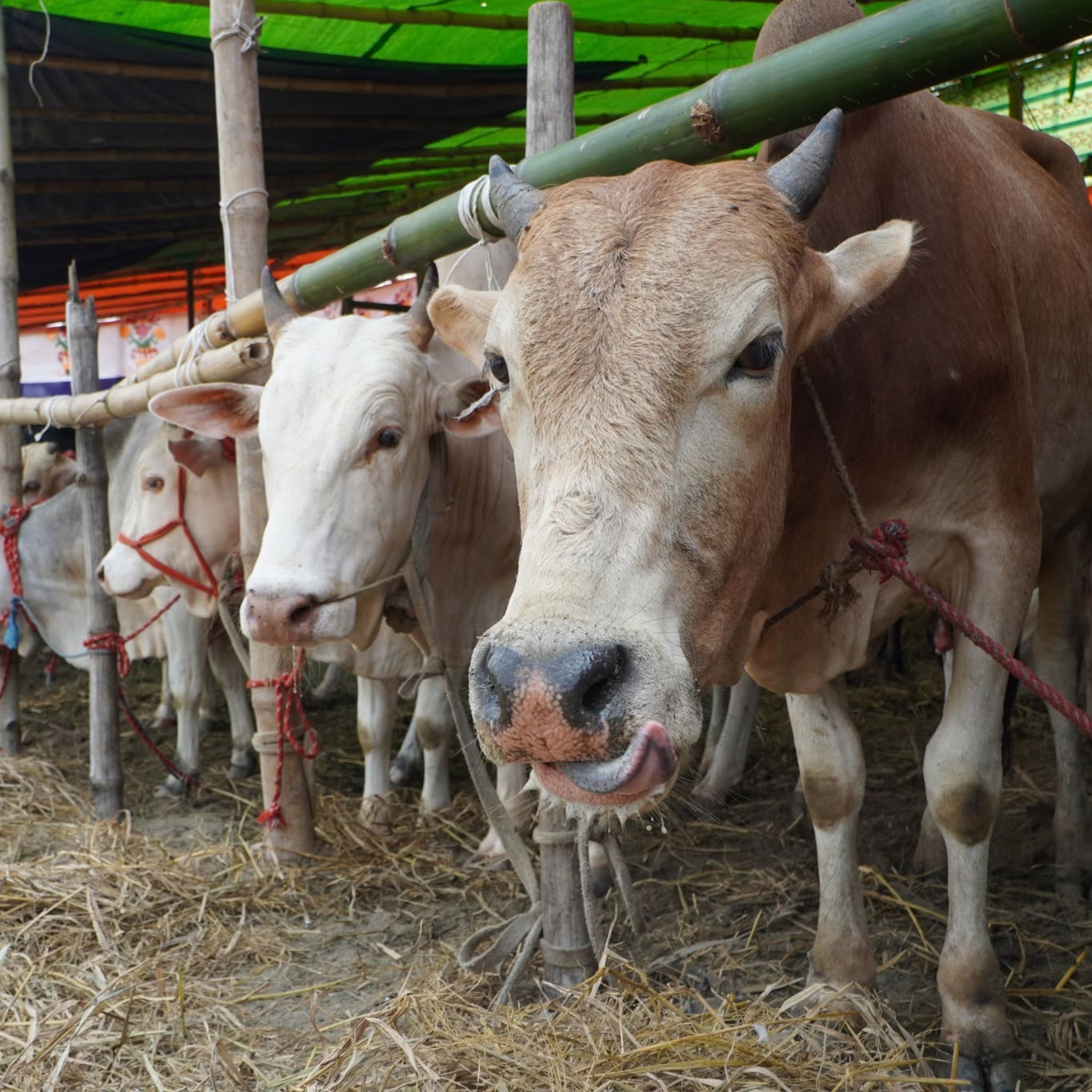
Permitted animals and their shares:

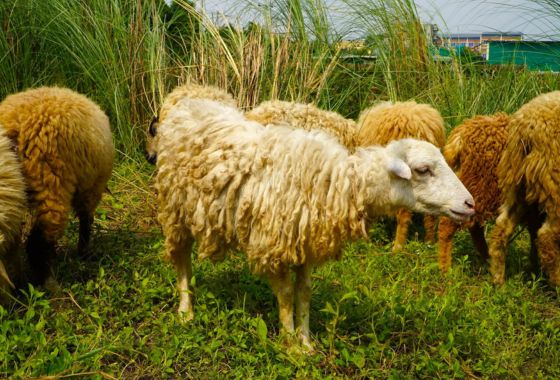
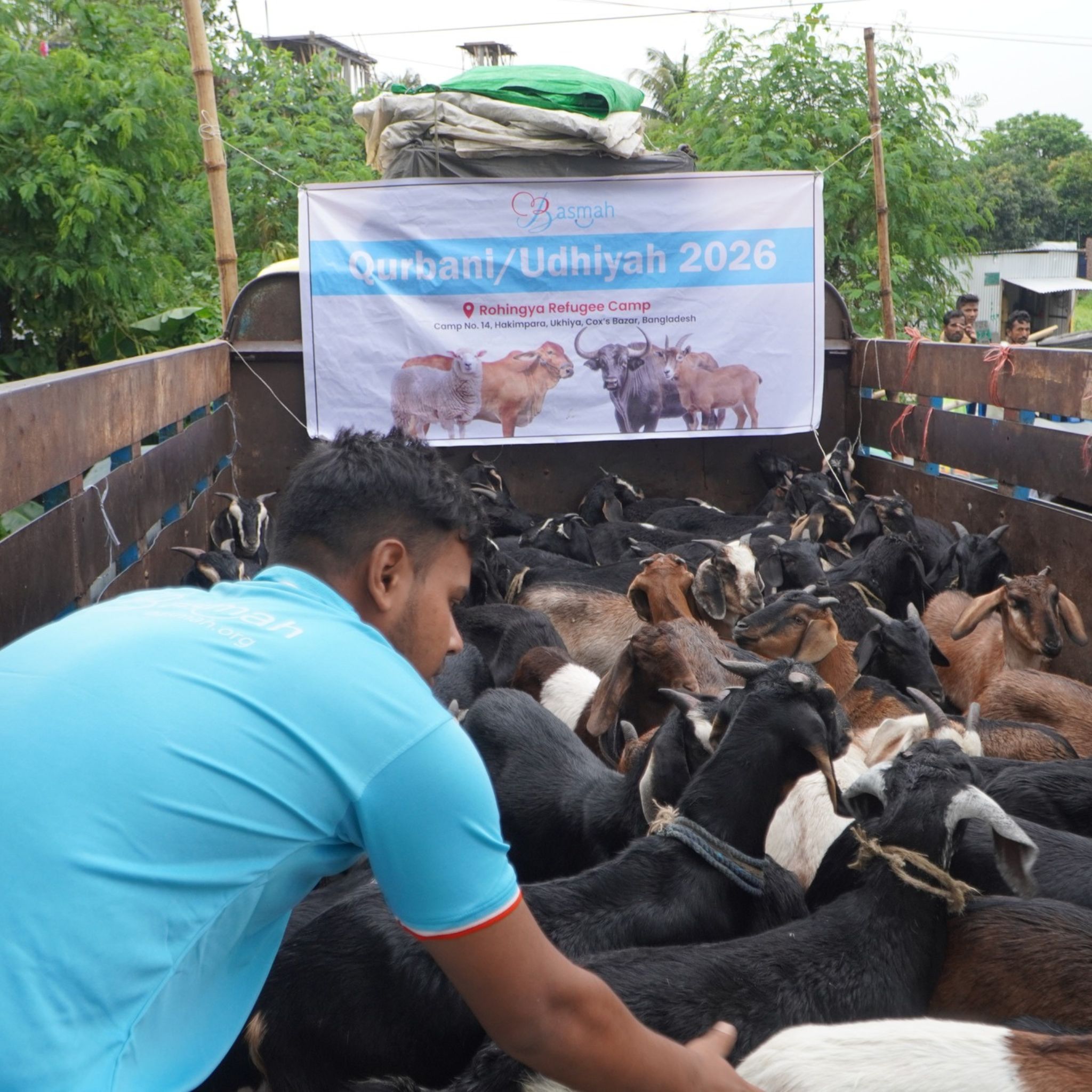
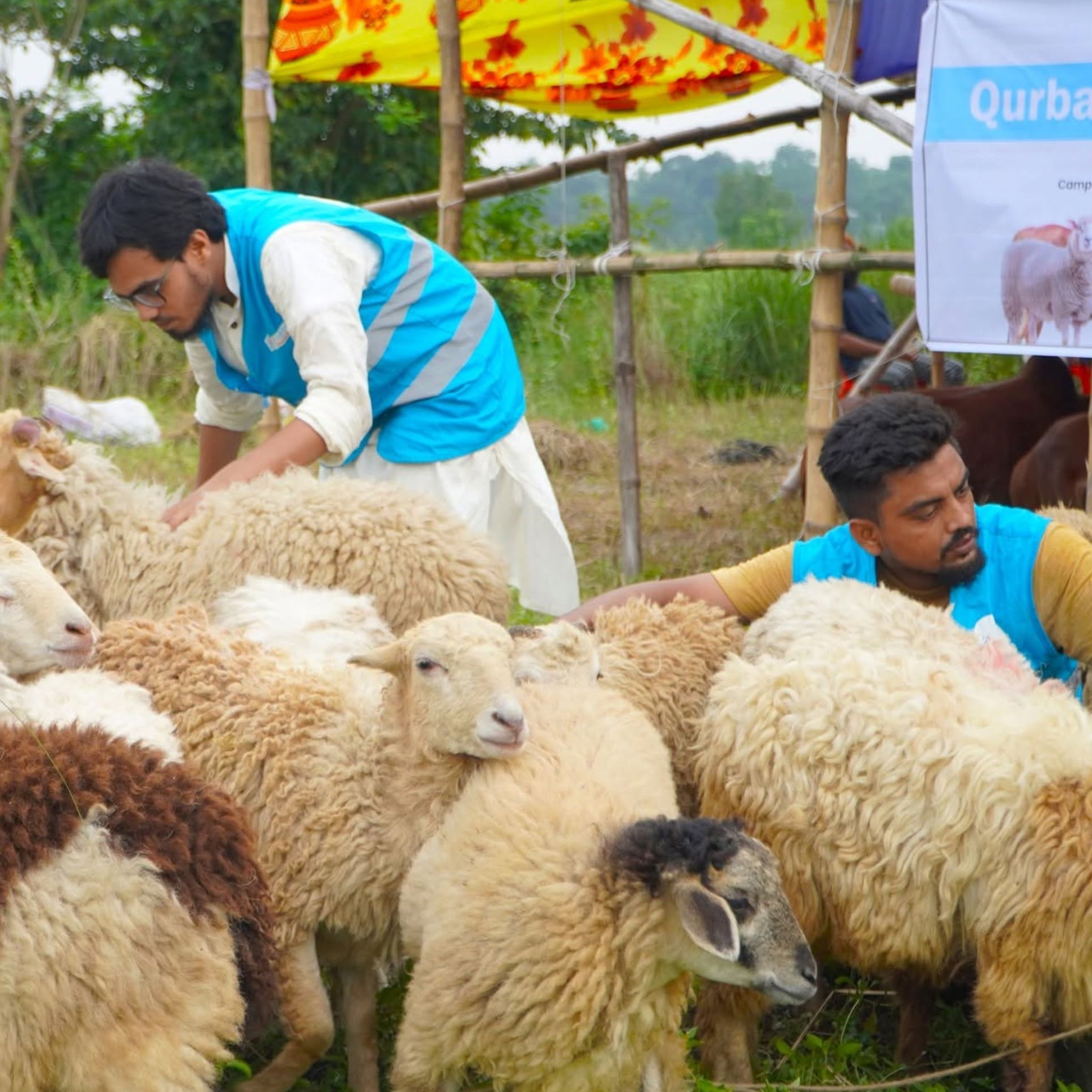
  • Sheep or goat โ€” counts as one Qurbani share (suitable for one person)
  • Cow or buffalo โ€” counts as seven Qurbani shares
  • Camel โ€” counts as seven Qurbani shares

Age requirements:

  • Sheep/goat must be at least one year old
  • Cow or buffalo must be at least two years old
  • Camel must be at least five years old

But age alone is not enough. The animal must also be in sound health. This is not merely a legal technicality โ€” it reflects the Islamic principle that we give our best to Allah, not our leftovers.

An animal is not suitable for Qurbani if:

  • It is blind or has lost a third or more of its vision
  • It is missing a third or more of an ear or tail โ€” whether from birth or injury
  • Its horn is broken from the root
  • It has a lame leg so severe it cannot walk to the place of slaughter
  • It is severely malnourished or emaciated
  • It has lost more than half of its teeth

And take note โ€” there is no preference between male and female animals. Both are entirely permissible. What matters is condition, age, and health.

How Should the Qurbani Be Performed?

The manner of slaughter in Islam is rooted in mercy โ€” even in this act of sacrifice. Every rule exists to minimise suffering and honour the life of the animal.

Here is what scholars and slaughterhouses are required to observe:

The knife must be sharp. A dull blade prolongs pain, and Islam forbids unnecessary suffering in any living creature. The knife must not be sharpened in front of the animal โ€” this causes visible distress. The animal being slaughtered must not be in the sight of other animals. It is best if the person giving the Qurbani performs the slaughter themselves. But if they do not know how, they should at least witness it.

And crucially โ€” the words โ€œBismillahi Allahu Akbarโ€ must be recited at the moment of slaughter. This is not optional. This invocation is what distinguishes a valid Qurbani from mere slaughter.

The skin of the animal must not be removed until the body has completely cooled. This is a firm ruling, not a suggestion.

How Is the Qurbani Meat Divided?

This part carries tremendous social and spiritual significance โ€” and unfortunately, it is where many families fall short.

The meat must be divided into three equal portions:

  1. One portion for your own family
  2. One portion for friends and neighbours
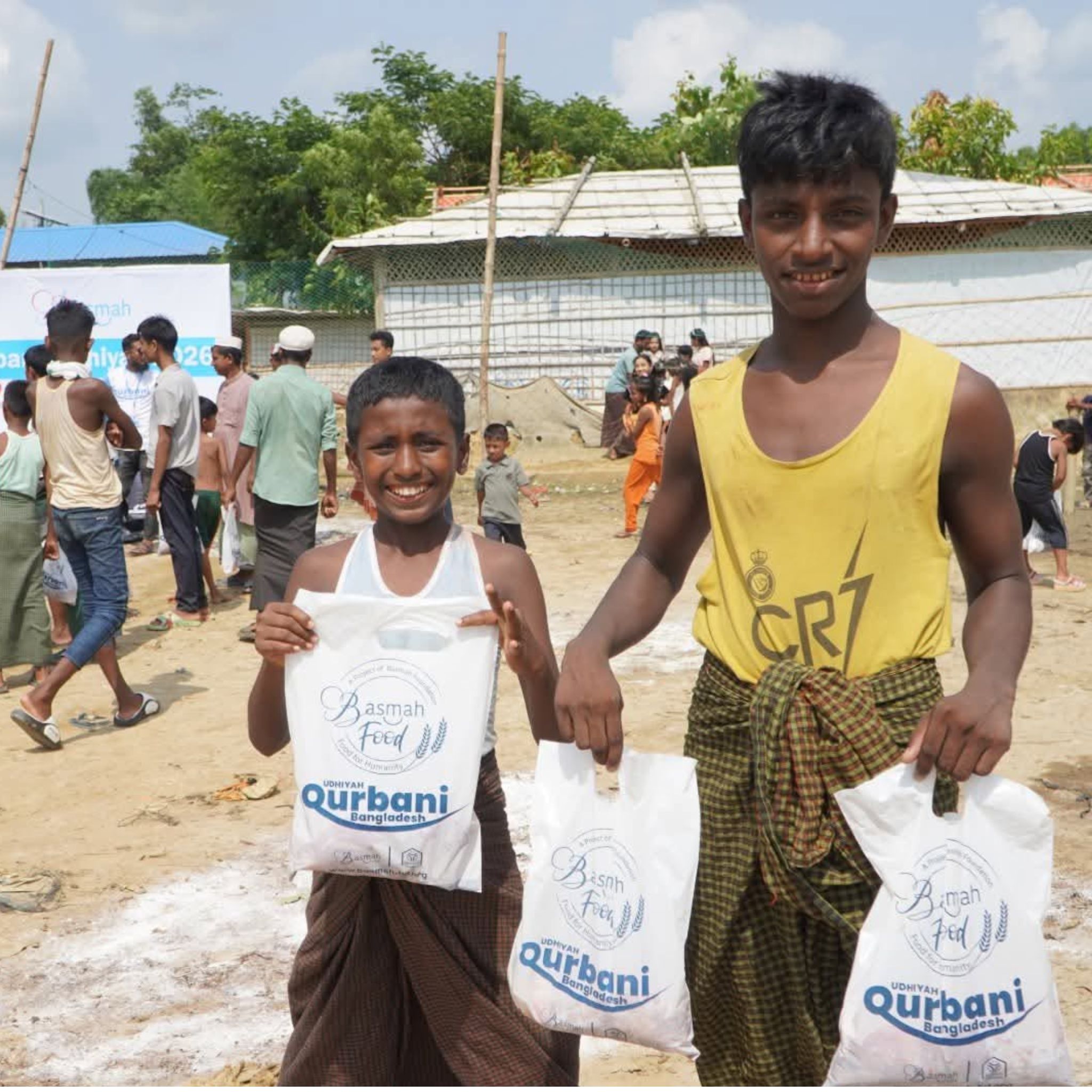
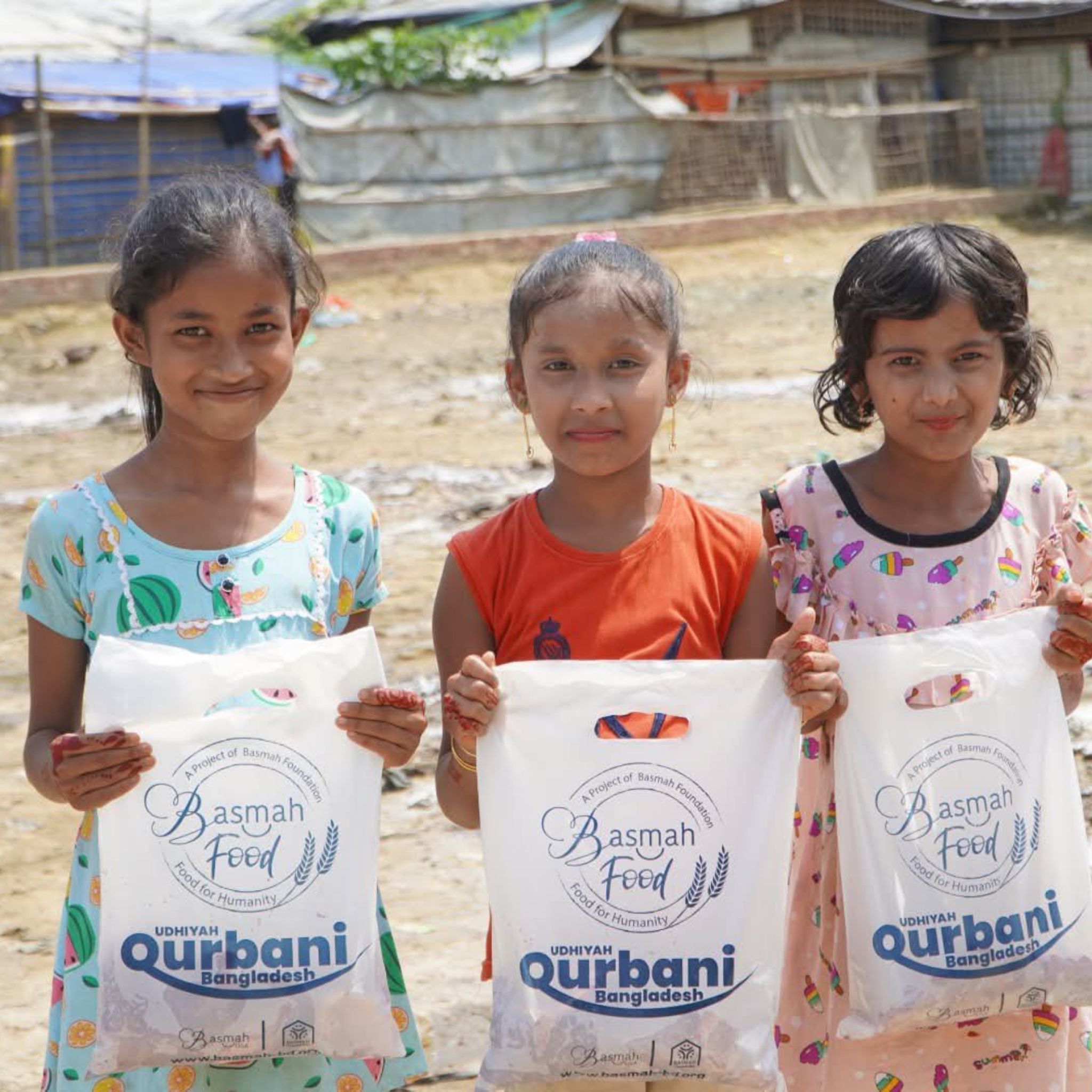
  3. One portion for the poor and needy โ€” both Muslim and non-Muslim

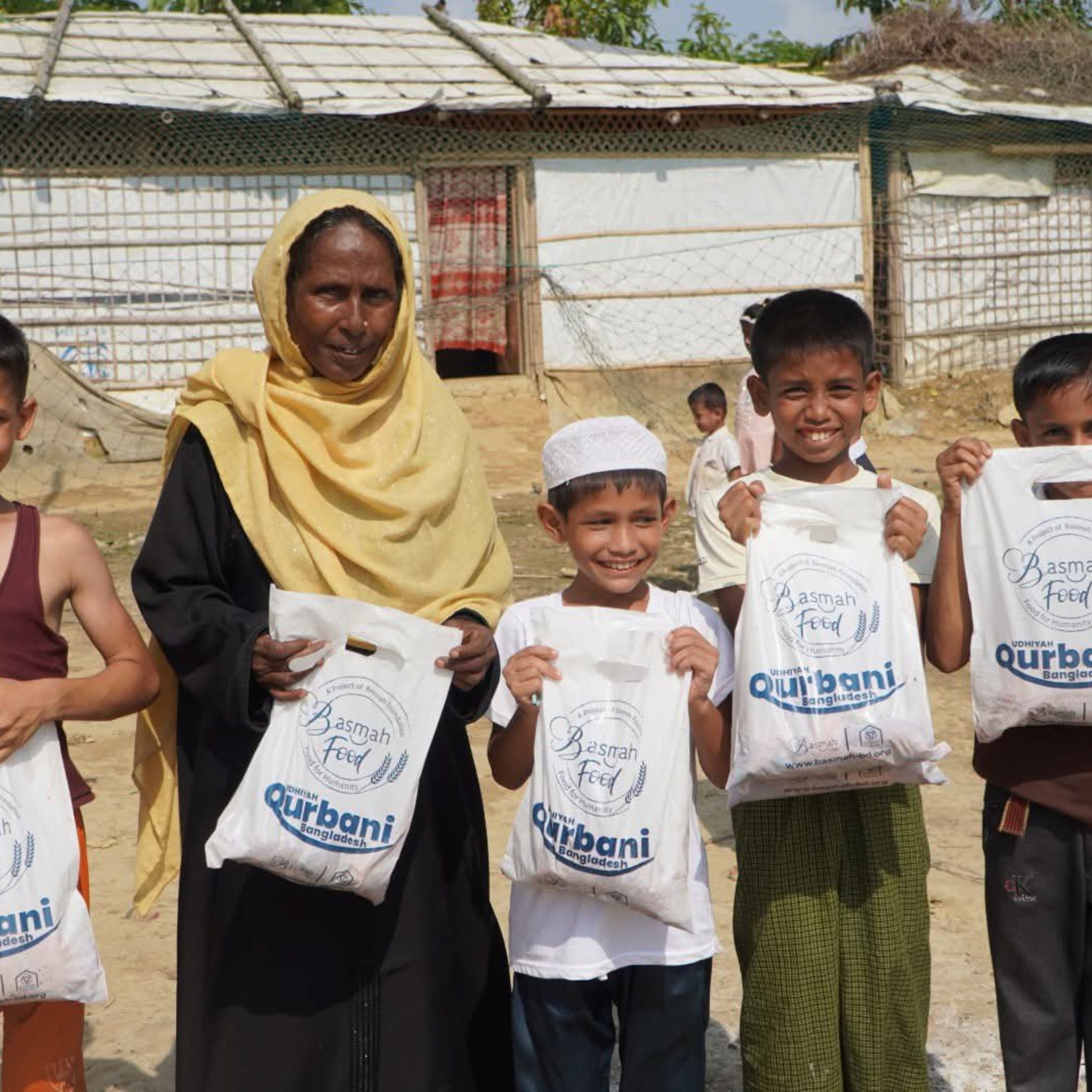
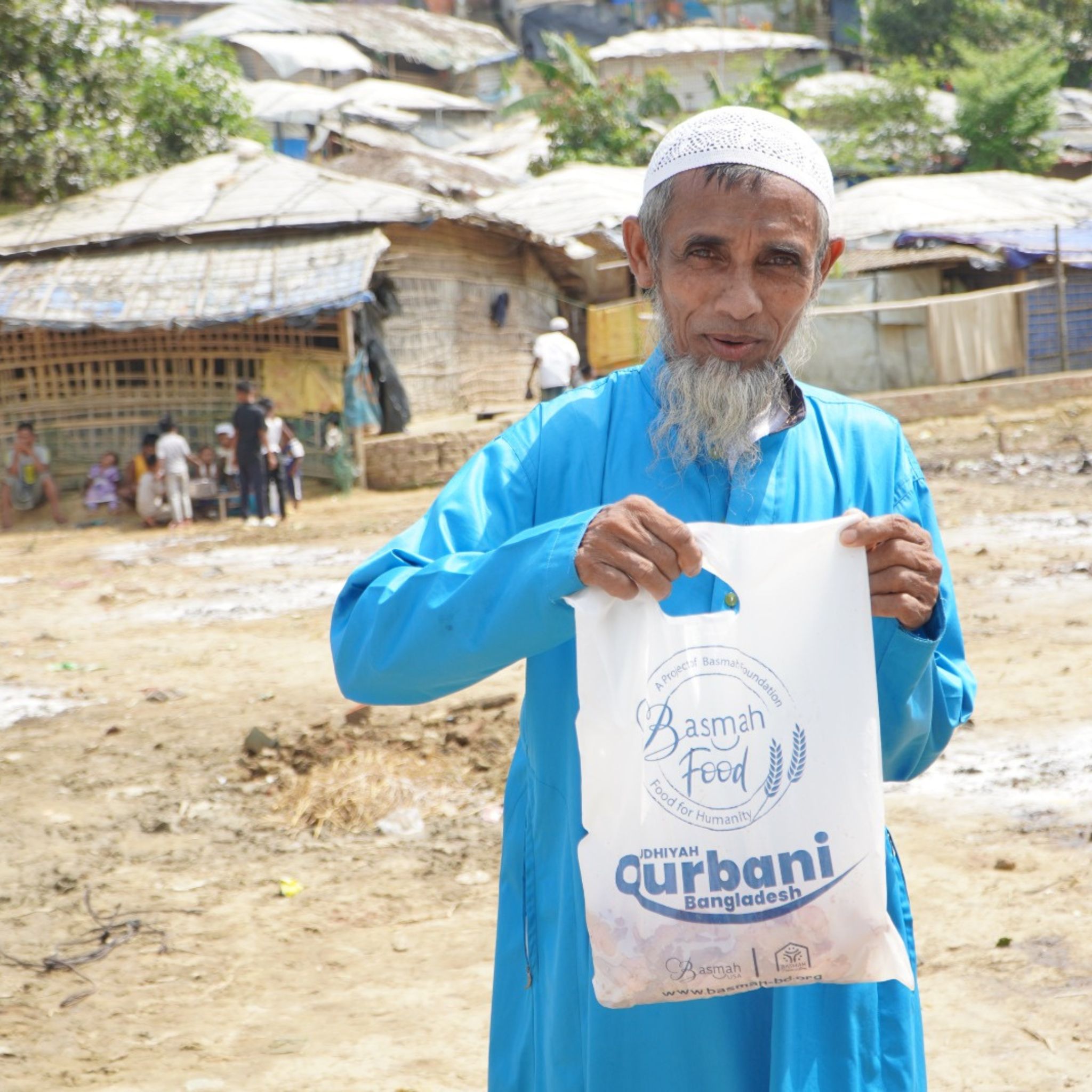
Yes. Non-Muslim neighbours and the needy have a right to this meat too. Qurbani is not just an inward act of worship โ€” it is a radiating act of community, of Rahma, of mercy that extends beyond the walls of the masjid and into the streets of your city.

One important rule: the butcher cannot be paid in meat, fat, or any part of the animal. Their fee must be paid separately in cash or its equivalent.

When multiple people share in one large animal โ€” such as seven people sharing a cow โ€” the meat must be divided by weight, not by rough estimation. Fairness is embedded into every corner of this practice.

How Many Qurbanis Should One Person Perform?

Every adult member of the household who meets the Nisab threshold is required to give their own individual Qurbani. A husband cannot simply give one animal and consider the entire family covered if the wife and adult children also qualify.

That said, households often pool together and contribute shares in one large animal โ€” a cow worth seven shares, for instance. A husband and wife can give two of those seven shares. It is efficient, it is valid, and it is common practice across Muslim communities worldwide.

A small animal โ€” a sheep or a goat โ€” covers one person only. Keep that in mind.

Should You Avoid Cutting Hair and Nails During Dhul Hijjah?

This is a Sunnah that many Muslims are unaware of โ€” and it carries its own quiet beauty.

If you are intending to give Qurbani, it is recommended โ€” and according to the Hanbali madhab and several prominent scholars, required โ€” that you refrain from cutting your hair or trimming your nails from the 1st of Dhul Hijjah until after your Qurbani has been performed.

The wisdom? It draws a symbolic parallel between the one giving Qurbani and the pilgrims in Hajj who enter a state of Ihram. Even from a distance, you are spiritually connected to Makkah during these sacred days.

What Is a Prophetic Qurbani โ€” and Why Does It Matter?

โ€œThe Prophet (peace be upon him) sacrificed for the one who could not offer from his Ummah โ€” one who bore witness to the Oneness of Allah and to his Prophethood.โ€ โ€” [Tabarani and Ahmad]

This narration is enough to move the hardest of hearts.

After fulfilling his own obligation, the Prophet (peace be upon him) gave an additional Qurbani on behalf of every Muslim who could not afford to do so. He did not forget the poor. He did not overlook the struggling. He carried them in his sacrifice.

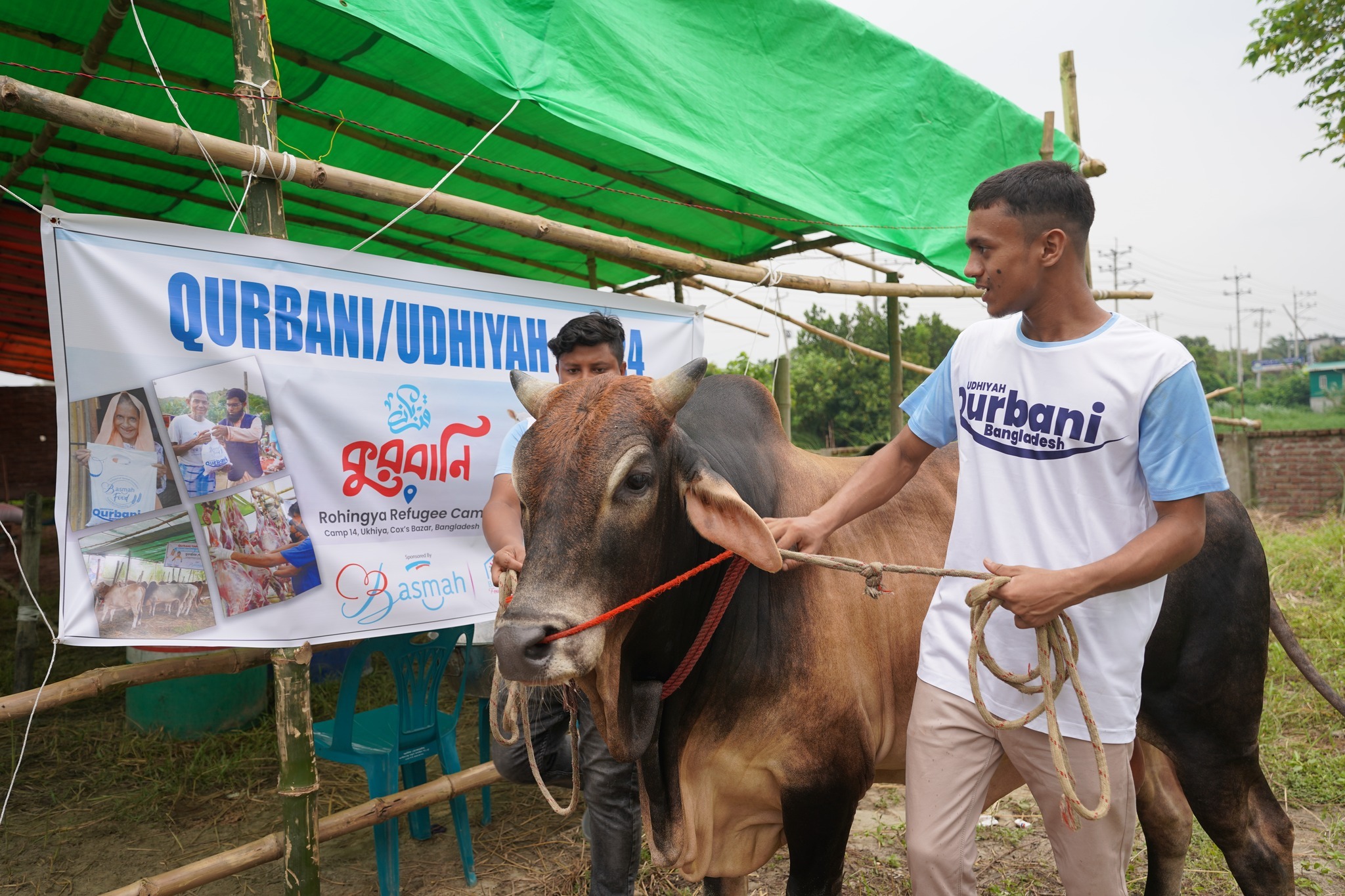
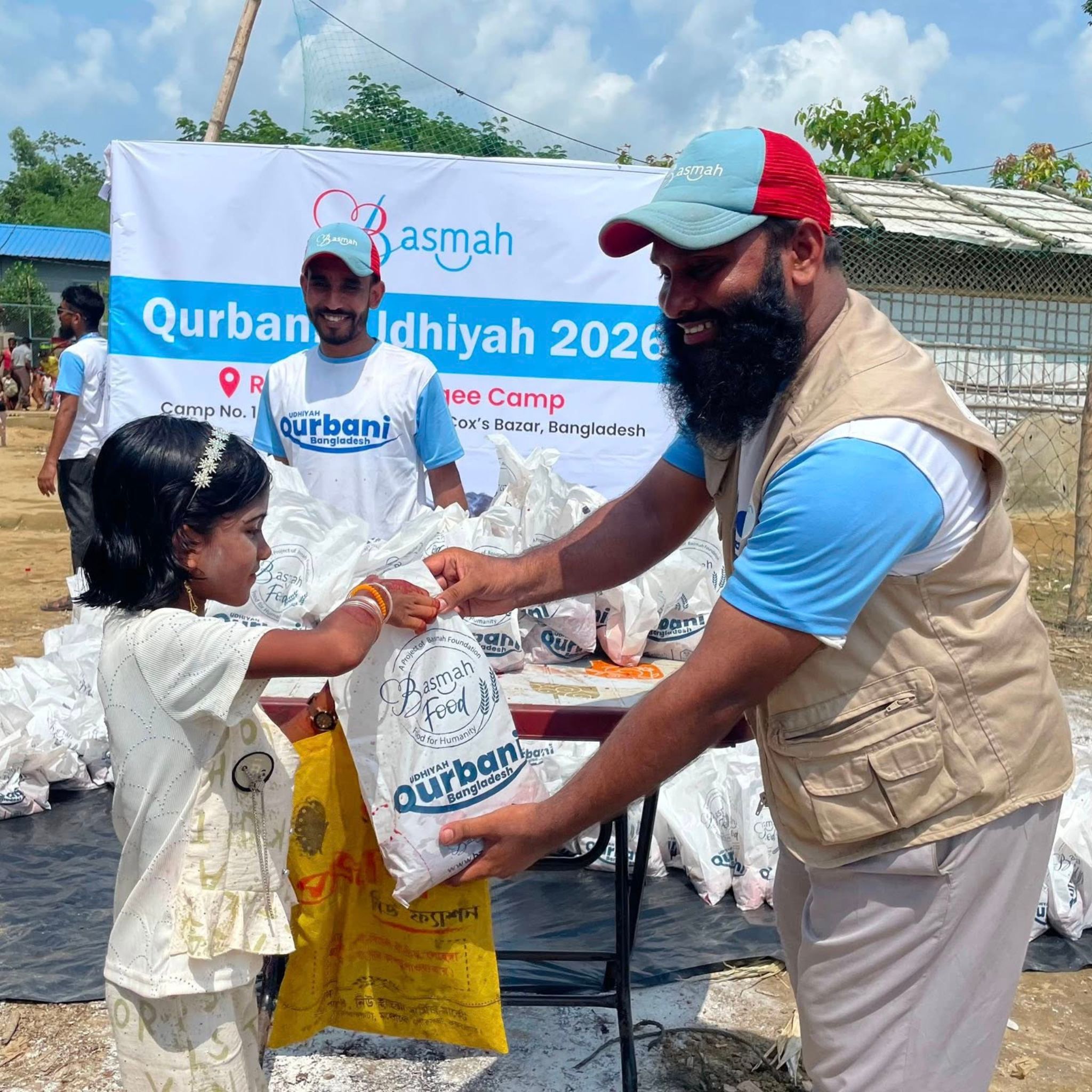
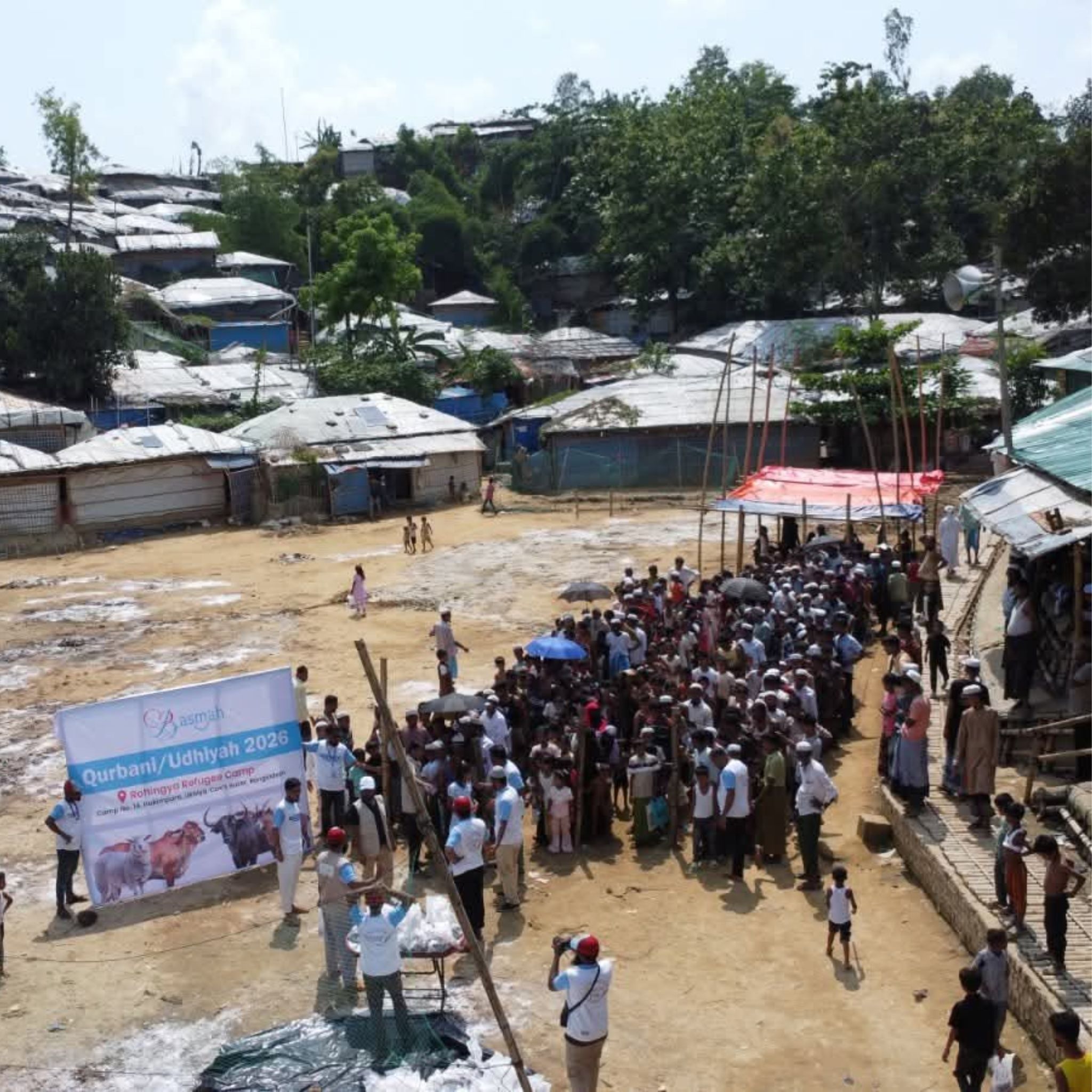
Performing a Prophetic Qurbani today means giving an extra share specifically for those in the Ummah who are too destitute to give their own. In war-torn regions. In famine-struck communities. In places where Eid ul-Adha passes without a single piece of meat on the table.

This Sunnah has been largely neglected. Revive it. Even once. The Barakah of it โ€” for you, for them, for the Ummah โ€” is immeasurable.

A Final Word โ€” Before the Days Slip Away

Dhul Hijjah arrives and leaves with breathtaking speed.

The 10 days are almost upon us. The days in which righteous deeds are more beloved to Allah than on any other days of the year. The days in which Ibrahim (AS) proved that nothing โ€” not even his own flesh and blood โ€” stood between him and his Lord.

Your Qurbani is not just a ritual. It is a declaration. It is you standing before Allah and saying: โ€œI submit. I give. I trust you.โ€

May Allah accept our sacrifices. May He grant our families Barakah in these blessed days. May the meat of our Qurbani reach the bellies of the hungry and earn us a place of shade on a Day when shade will be the greatest mercy.

Taqabbal Allahu Minna Wa Minkum. May Allah accept from us and from you.

Eid Mubarak to the entire Ummah โ€” near and far.

What is a Prophetic Qurbani?

โ€˜The Prophet (peace be upon him ) sacrificed for the one who could not offer from his Ummah, one who paid observer to the Oneness of Allah and [his] Prophethoodโ€™. [Tabarani and Ahmad]

After fulfilling his commitment, the Prophet (peace be upon him) gave an extra Qurbani in the name of the Muslims who could not afford to accomplish so. We promote all of our contributors to revitalize this overlooked Sunnah and support more needy individuals.

Qurbani is a spiritual act that gives a chance to get closer to Allah,

Related Posts

Share this post

ZAKAH CALCULATOR

Deductions

Totals