...

The Great Story of Sacrifice: Qurbani in the Quran and It’s Story

The Eternal Flame of Devotion: Rediscovering the Profound Story of Qurbani in the Quran and Its Timeless Lessons for Every Muslim Heart

Dhul Hijjah

May the beautiful narrative of sacrifice kindle fresh love for Allah in your soul, shower your family with barakah, and guide you and your loved ones toward the highest gardens of Jannah

In the gentle embrace of Dhul Hijjah, when the moon hangs like a silver promise in the night sky, millions of Muslim hearts turn toward a story that has moved believers for centuries. Eid al-Adha approaches—not merely as a festival of feasting and fine clothes, but as a sacred reminder of the greatest acts of surrender ever witnessed on earth. Qurbani, that noble offering of an animal in the blessed days following Eid prayer, carries within it whispers from the Quran, echoes of prophetic trials, and a living call that touches every household in the Ummah today. This is more than history. It is your story, my story, and the shared legacy of faith that binds us across oceans and generations.

Come, let us walk through this tale together with open hearts. May it soften our souls, renew our intentions, and inspire us to offer our Qurbani this year with deeper sincerity than ever before.

What Does Qurbani Truly Mean? A Gateway to Nearness with the Divine

The word Qurbani flows from the Arabic root “qurb,” meaning nearness or closeness. It is not simply slaughtering an animal for meat. It is a heartfelt act of worship designed to bring the servant nearer to Allah (SWT). Through this sacrifice, we declare with our wealth, time, and intention: “O Allah, You come first. My love for You outweighs everything I hold dear in this temporary world.”

In our fast-paced lives filled with responsibilities, bills, and distractions, Qurbani gently pulls us back. It asks us to pause, reflect, and remember that true success lies not in accumulation but in willing release for the sake of the Creator. When performed with taqwa—a deep consciousness of Allah—it becomes a river of barakah that flows into our homes, protects our children, and stores treasures for the Akhirah. The meat nourishes bodies, but the act itself nourishes souls. It is Sadaqah that keeps giving, a bridge between dunya and Jannah, and a beautiful Sunnah that echoes through every believing family.

I’m on the advisory board of this great organization, Basmah. And I’m saying to you, from a man on the inside, they do a lot of incredible work. I’m amazed every day by more and more work; they don’t stop, they never stop.
Imam Siraj Wahhaj  

Imam Siraj Wahhaj

Honorary advisor of BASMAH

The Very First Sacrifice: The Heartbreaking Tale of Two Brothers and the Power of Sincerity

Long before the time of Ibrahim (AS), in the earliest days of humanity, another story of offering unfolded—one that still teaches us the most essential truth about Qurbani. The Quran recounts the sons of Adam (AS): Habil and Qabil. These two brothers stood at a crossroads of faith and jealousy.

Their father, the first prophet, advised them to present an offering to Allah to settle a dispute between them. Habil, a shepherd who tended his flock with care, chose the finest, healthiest ram from his herd. He brought it forward with a heart full of humility and love for Allah. Qabil, a farmer, offered some leftover crops—ordinary produce given without much thought or sincerity.

Then came the moment of truth. Allah accepted Habil’s sacrifice, perhaps through a sign of fire descending or the offering being lifted in honor. Qabil’s gift remained untouched. The Quran records Habil’s gentle reminder: “Indeed, Allah only accepts from the righteous” (Surah Al-Ma’idah 5:27). Taqwa—the fear and love of Allah that fills the heart—made all the difference.

Tragically, jealousy consumed Qabil. Instead of learning from his brother’s example, he allowed envy to lead him to the first murder in human history. This early story burns with lessons for every Muslim preparing Qurbani today. Allah does not look at the size of the animal or the amount spent. He sees the sincerity glowing in your chest. Choose the best you can afford. Offer it with a heart free of show or pride. Treat the animal with mercy. In that sincerity lies the acceptance that turns an ordinary act into a key unlocking Jannah.

The Ultimate Test of Love: Prophet Ibrahim’s (AS) Unshakable Faith That Still Moves Millions

No story captures the spirit of Qurbani more powerfully than that of Prophet Ibrahim (peace be upon him), the beloved friend of Allah. After years of longing, Allah blessed him and his wife Hajar with a son, Ismail (AS). The child became the light of their lives—the answer to fervent duas whispered in the quiet nights.

Then came the dream. Not once, but repeatedly. In it, Allah commanded Ibrahim to sacrifice his beloved son. Imagine the father’s aching heart. The son he had waited for, now a strong young man walking beside him. Yet Ibrahim did not hesitate. He knew dreams of prophets carried divine commands. With trembling hands but a firm heart, he shared the vision with Ismail.

The young man’s response still brings tears to those who read it: “O my father! Do as you are commanded. You will find me, if Allah wills, of the steadfast” (Surah As-Saffat 37:102). What trust! What a submission! Mother Hajar, who had once been left with infant Ismail in the barren valley of Makkah, showed the same strength. The family stood united in obedience.

On the way to the place of sacrifice, Shaytan appeared three times—whispering doubts to Ibrahim, Hajar, and Ismail. Each time, they drove him away by throwing pebbles, an act Muslims still perform during Hajj as Ramy al-Jamarat. Their faith proved stronger than fear.

At the final moment, as Ibrahim laid his son down and raised the knife, Allah called out: “O Ibrahim! You have fulfilled the vision. Indeed, We thus reward the doers of good” (37:104-105). A ram from heaven replaced Ismail. The willingness was accepted. The test was passed. Allah did not desire the blood of the son but the complete surrender of the father’s heart.

This story lives in every Qurbani performed today. When you stand before your animal, you echo Ibrahim’s “Yes.” You tell Allah that your love for Him surpasses attachments to wealth, comfort, or even family. In that moment, your sacrifice joins the greatest story of devotion humanity has ever known.

Following in the Footsteps of the Beloved Prophet ﷺ: How Muhammad (peace be upon him) Perfected the Sunnah of Sacrifice

The Prophet Muhammad ﷺ carried this legacy forward with tenderness and generosity. He felt a deep personal connection to sacrifice—describing himself as “the son of two sacrificed ones.” His ancestor Ismail was saved by a ram, and his own father Abdullah was ransomed with one hundred camels.

Every year, the Prophet ﷺ offered Qurbani with his own blessed hands. He preferred white rams with horns, reminding him of the heavenly ram given to Ibrahim. More beautifully, he performed an extra sacrifice on behalf of those in his Ummah who could not afford it. “The Prophet sacrificed for the one who could not sacrifice from his Ummah” (reported in Tabarani and Ahmad). His companion Anas bin Malik said he too offered two rams, following the Prophet’s example.

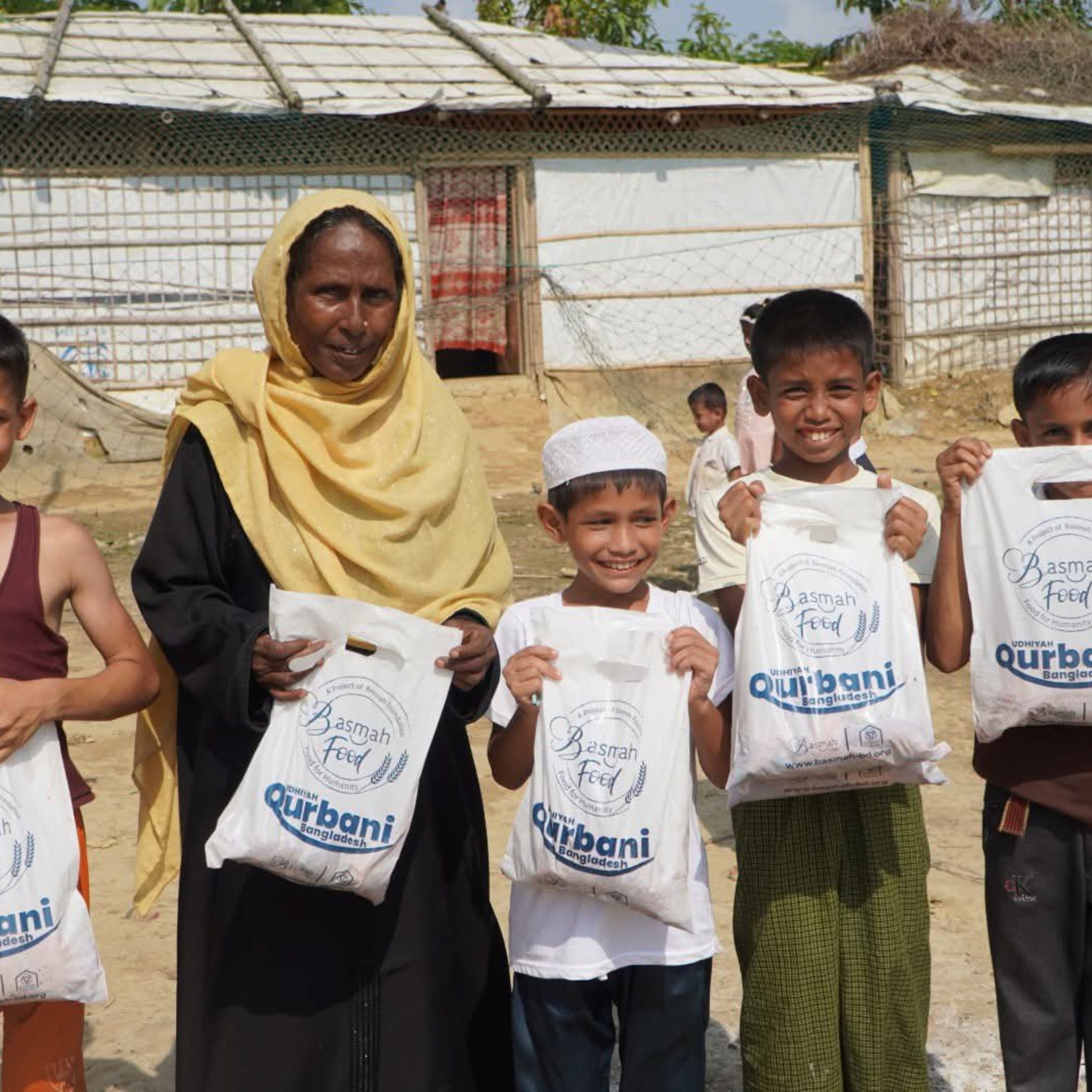
This “Prophetic Qurbani”—giving extra for the poor—remains a shining Sunnah. When you offer an additional share, you walk directly in the footsteps of the most beloved servant of Allah. You feed families who rarely see meat. You earn double reward: one for your own devotion and another for reviving the Prophet’s kindness. In refugee camps, remote villages, and struggling households, your extra sacrifice becomes a feast of joy and a reminder that the Ummah cares.

Qurbani Today: Living the Story in Our Modern Lives with Hope and Community

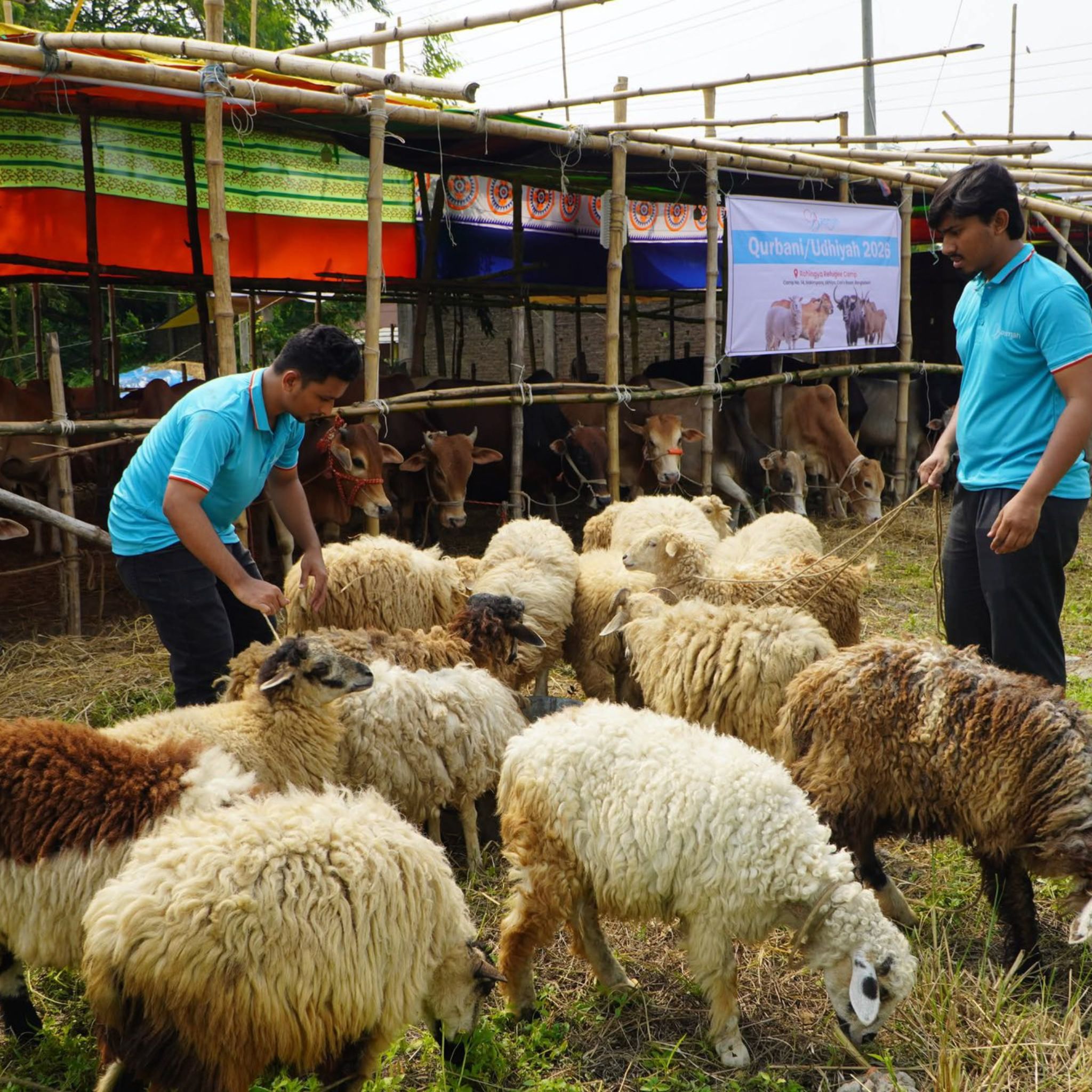
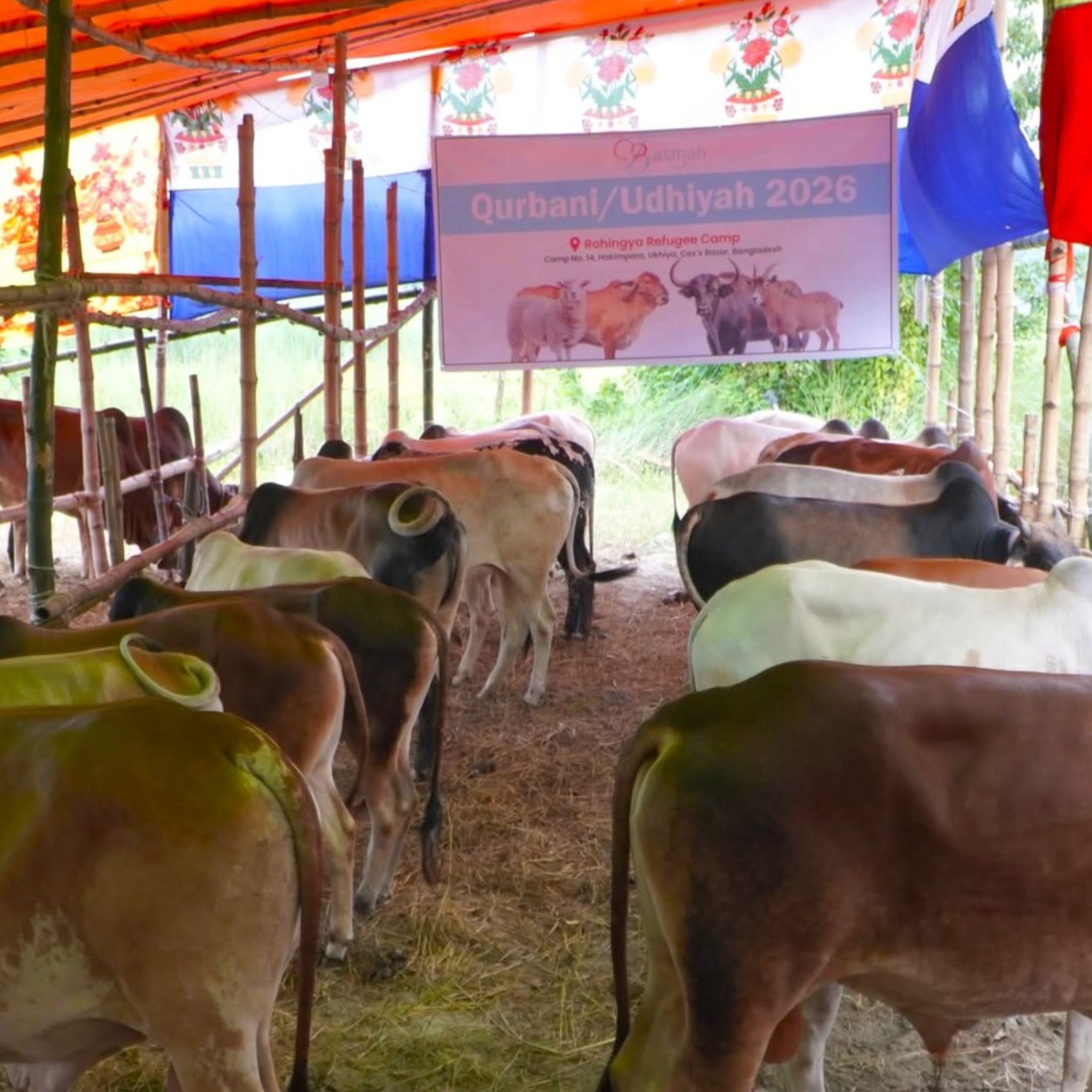
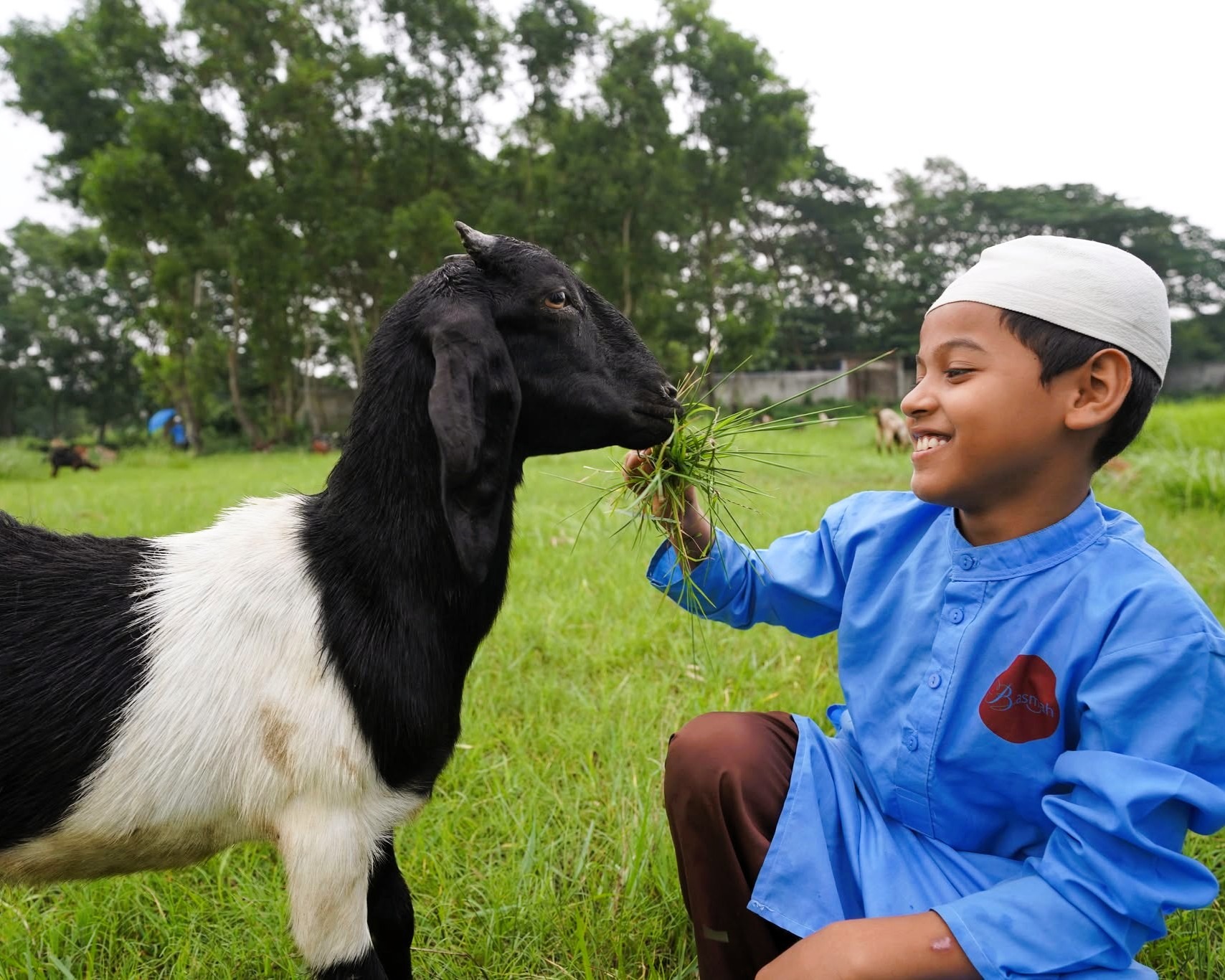
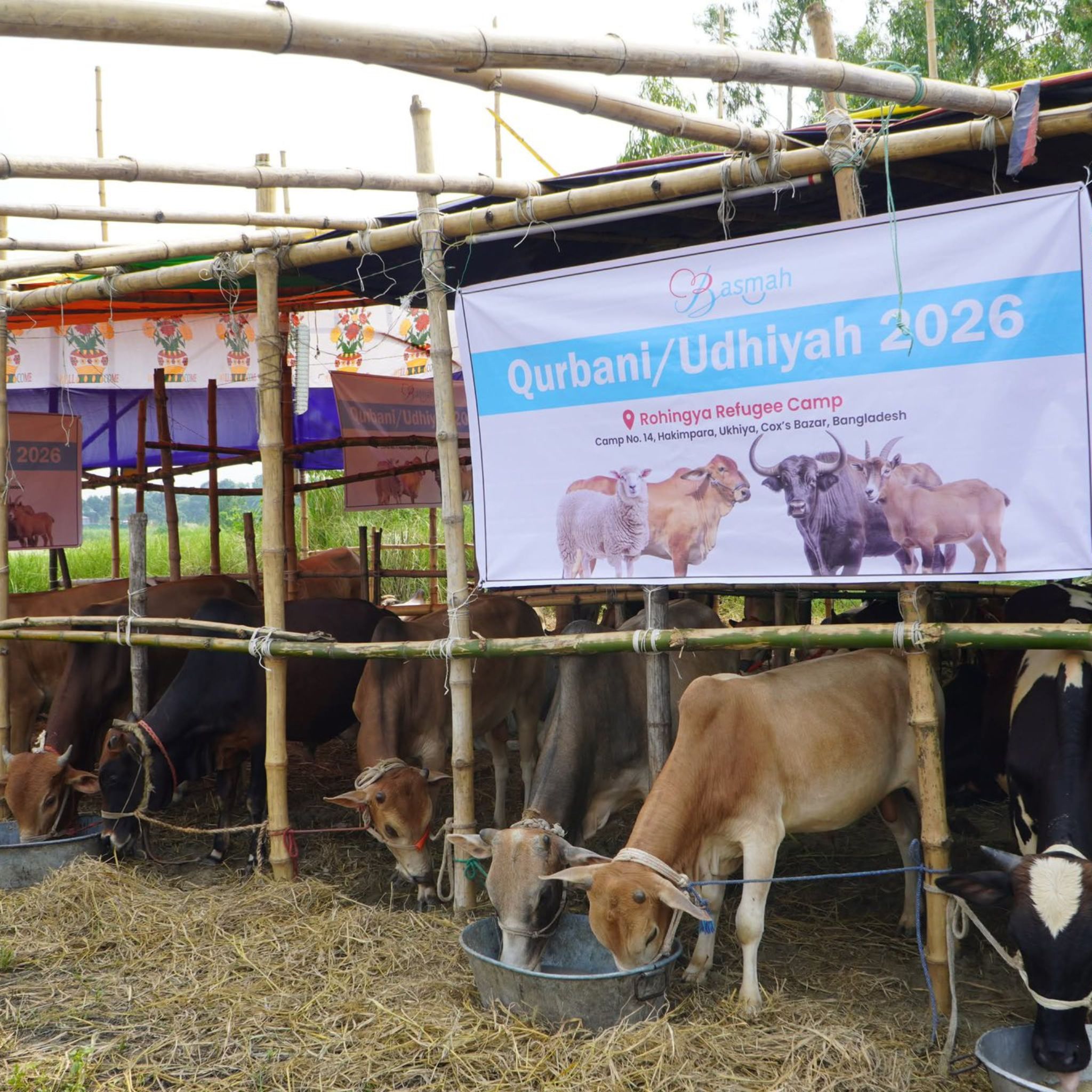
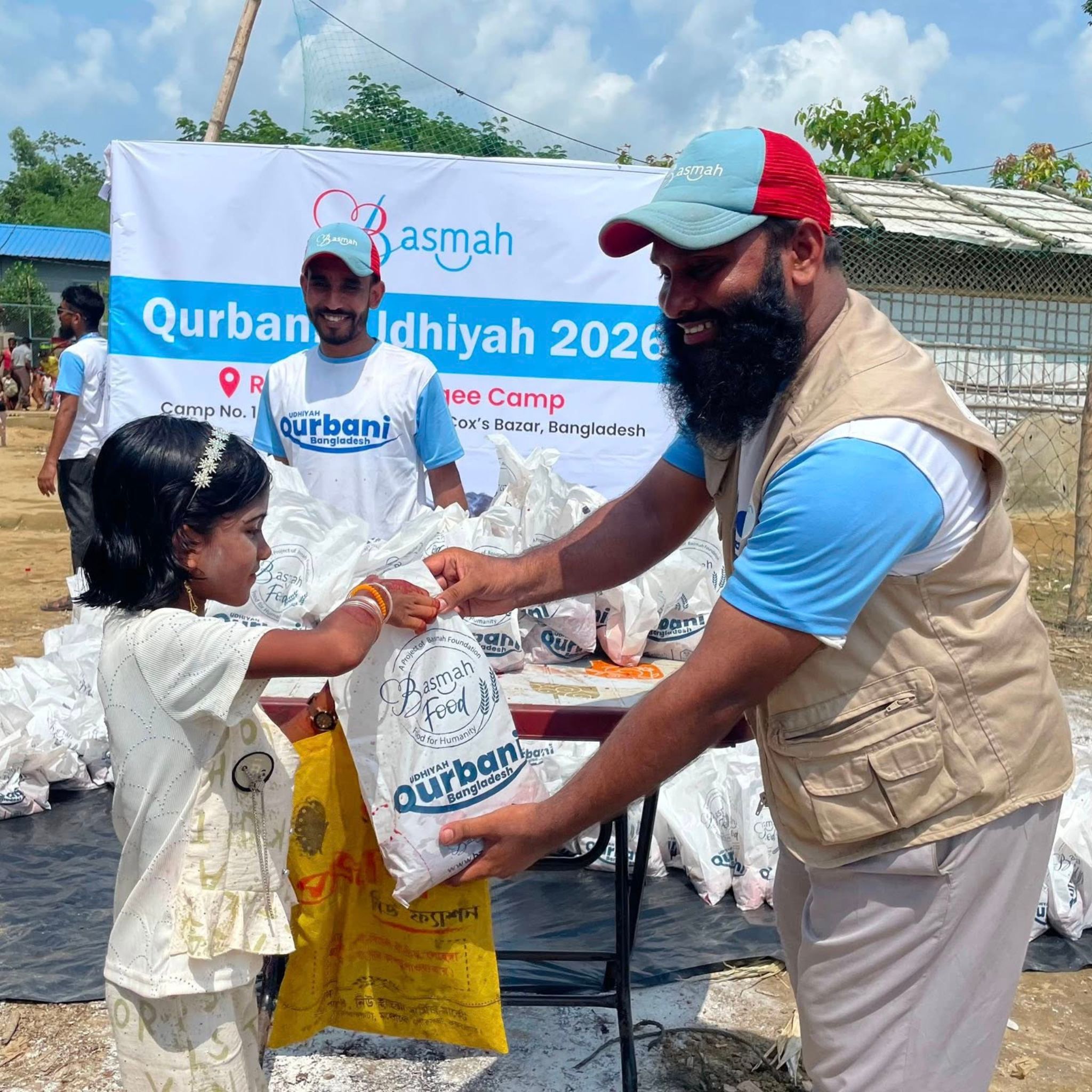
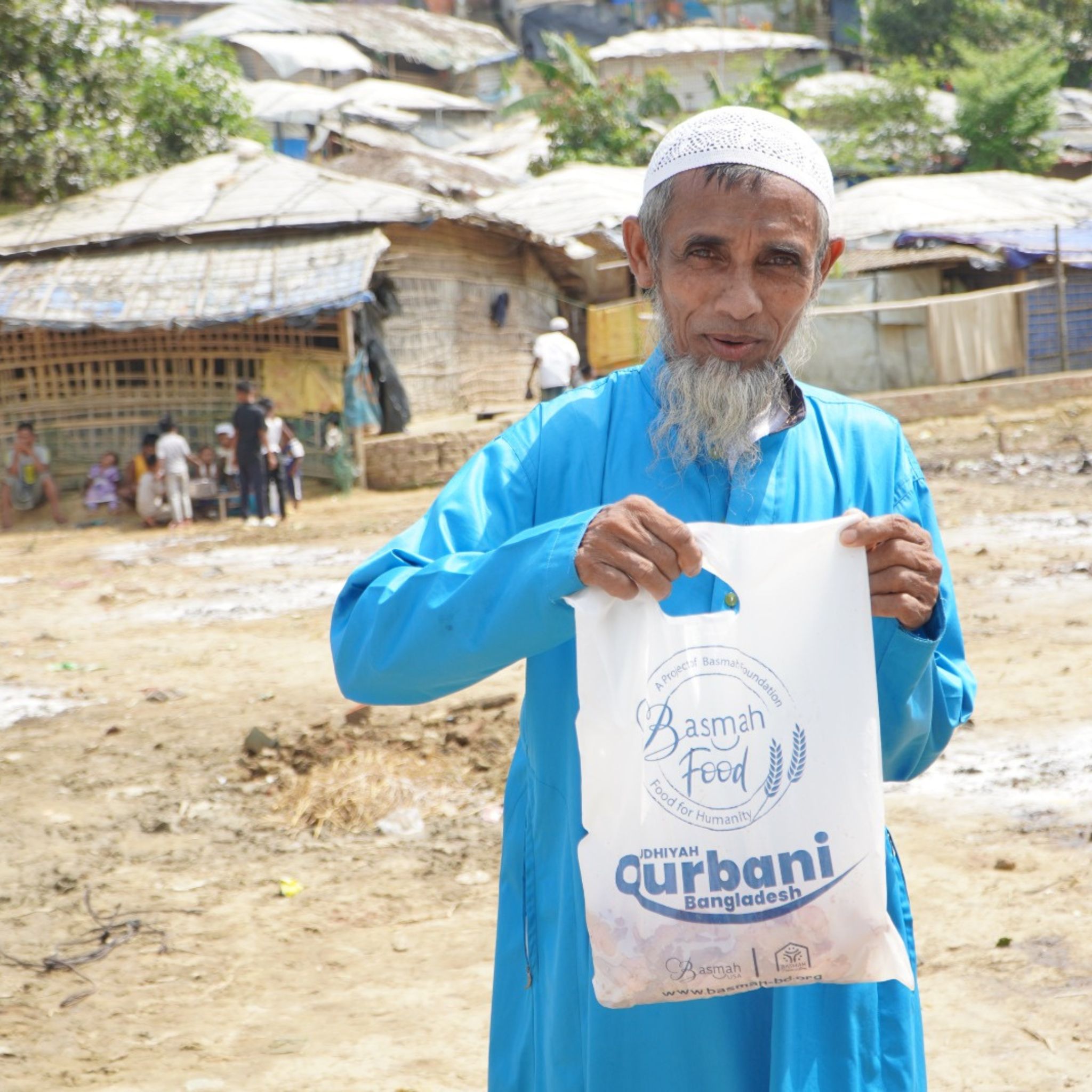
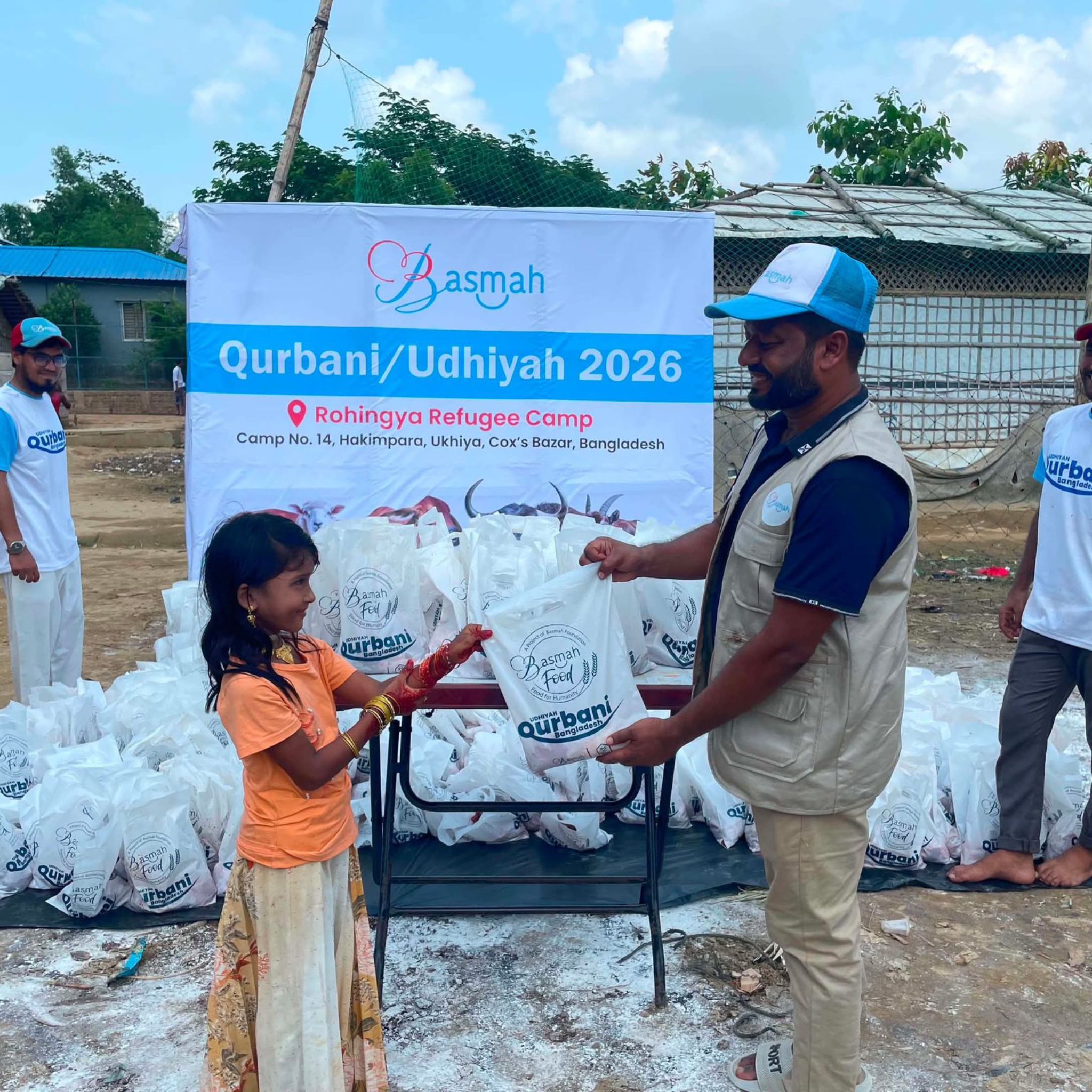
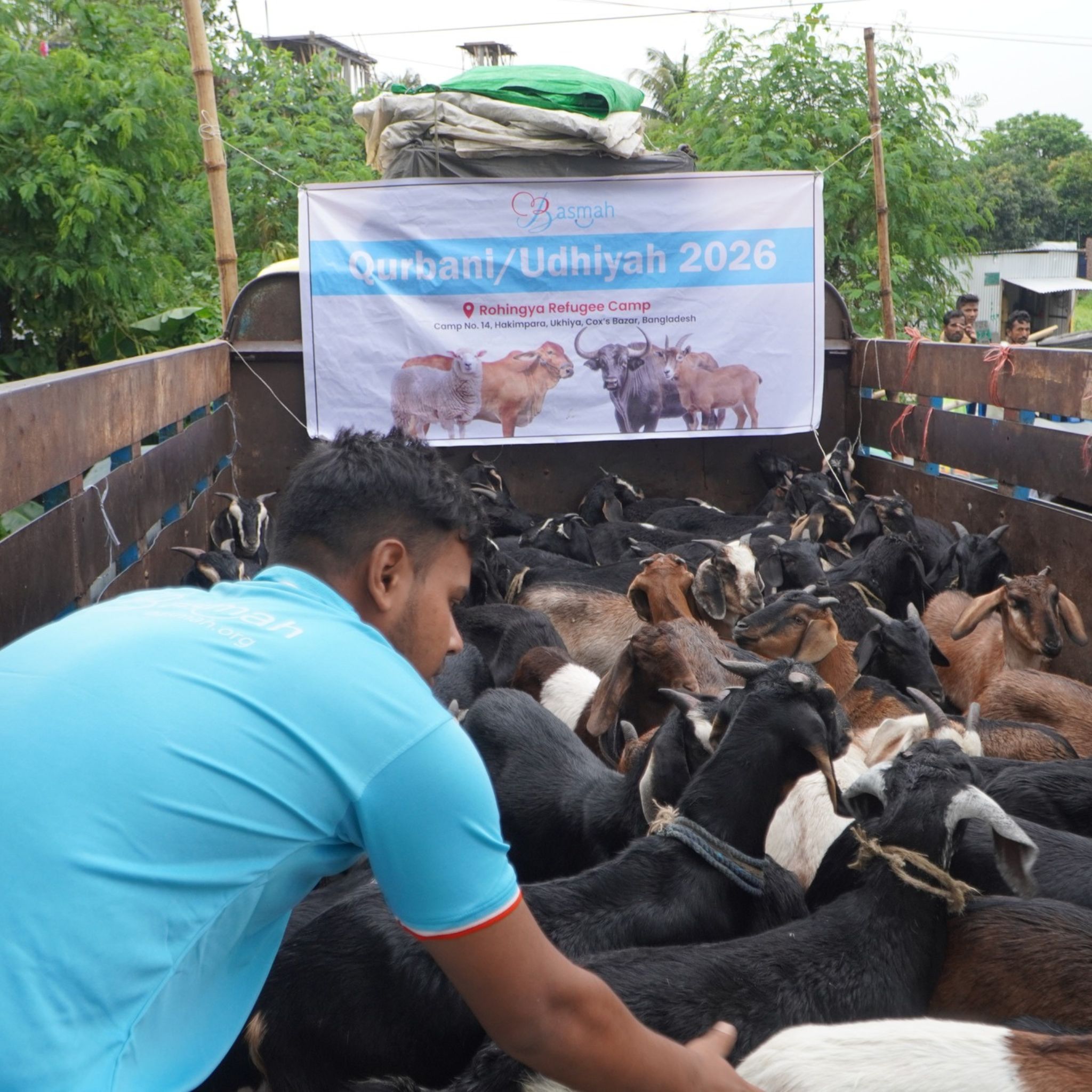
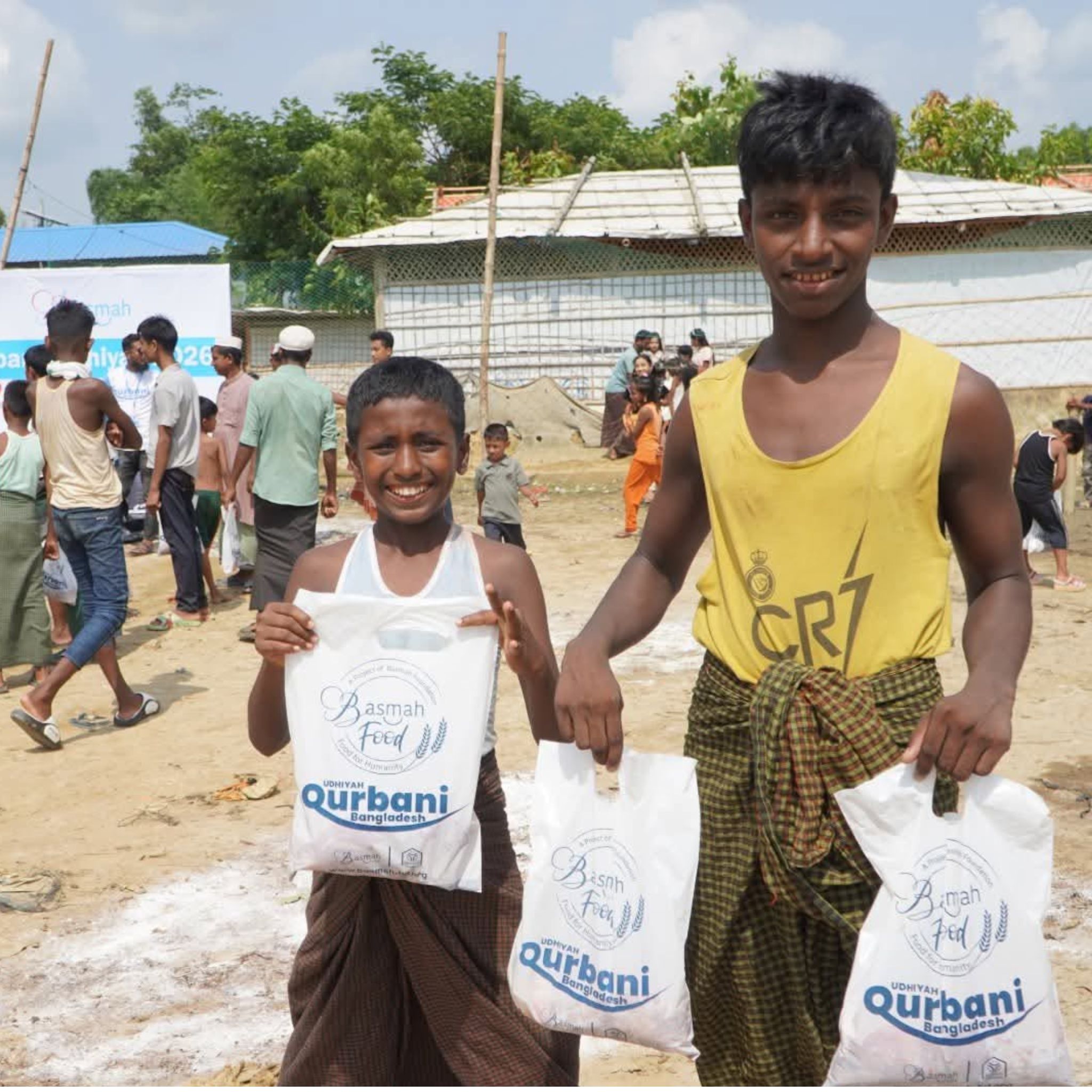
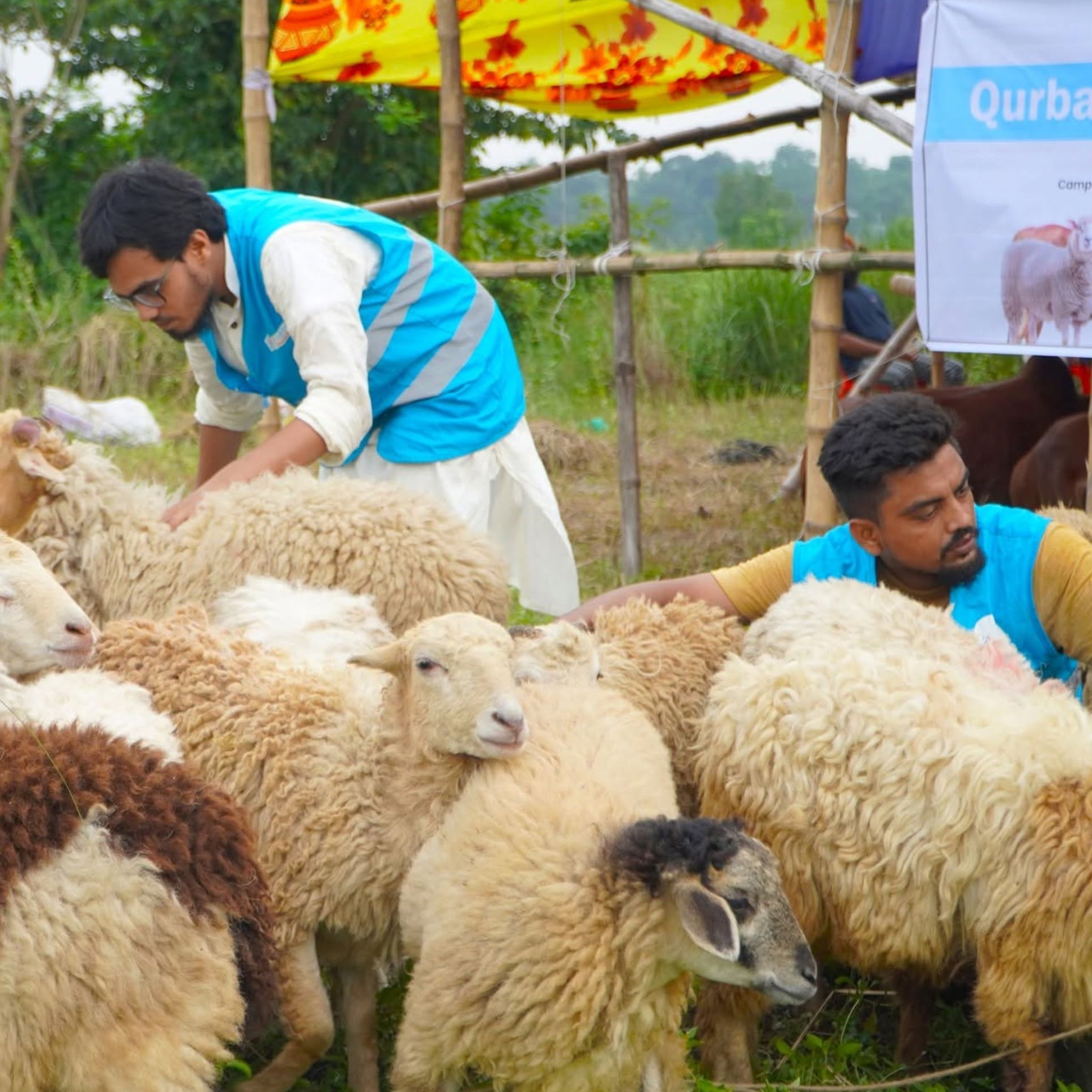
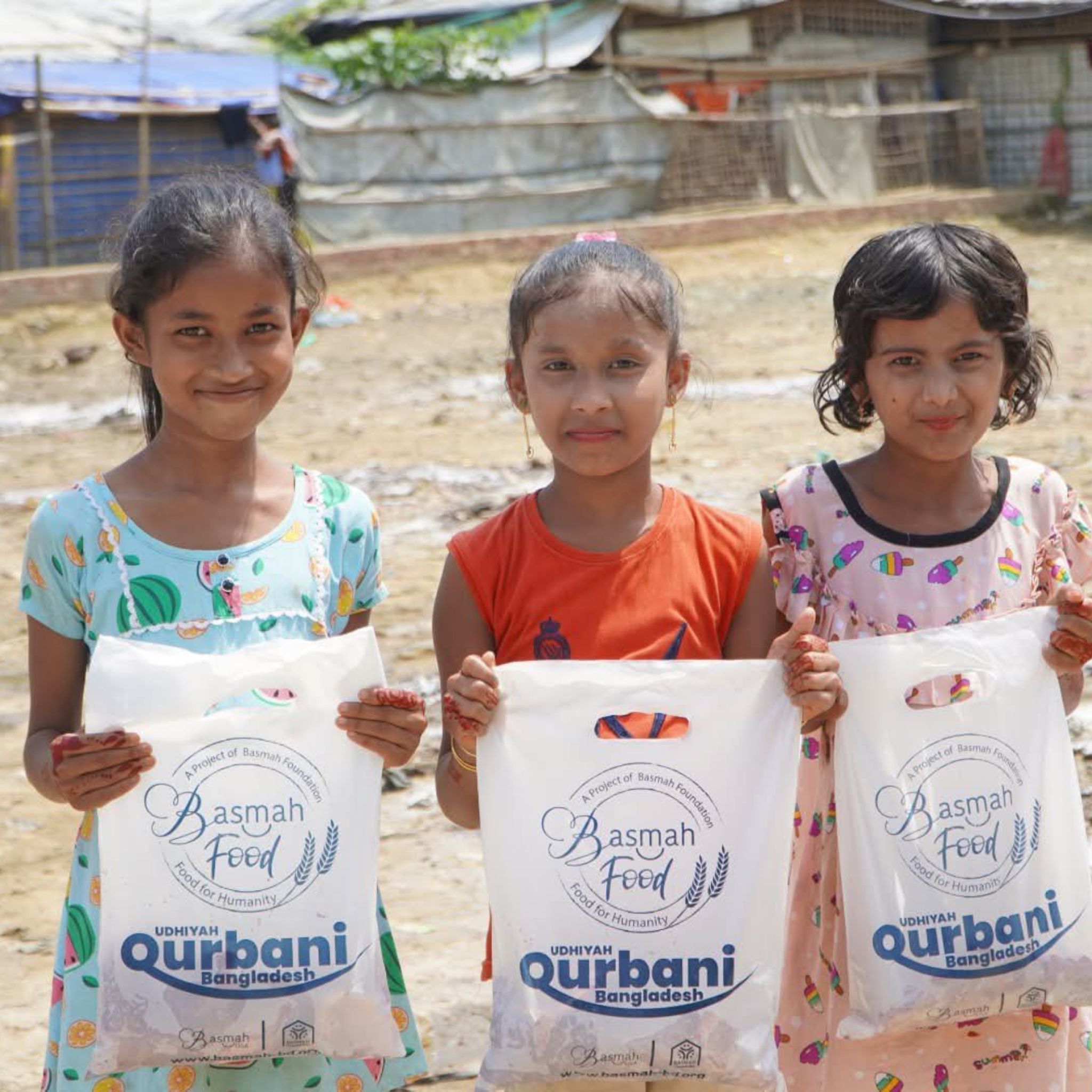
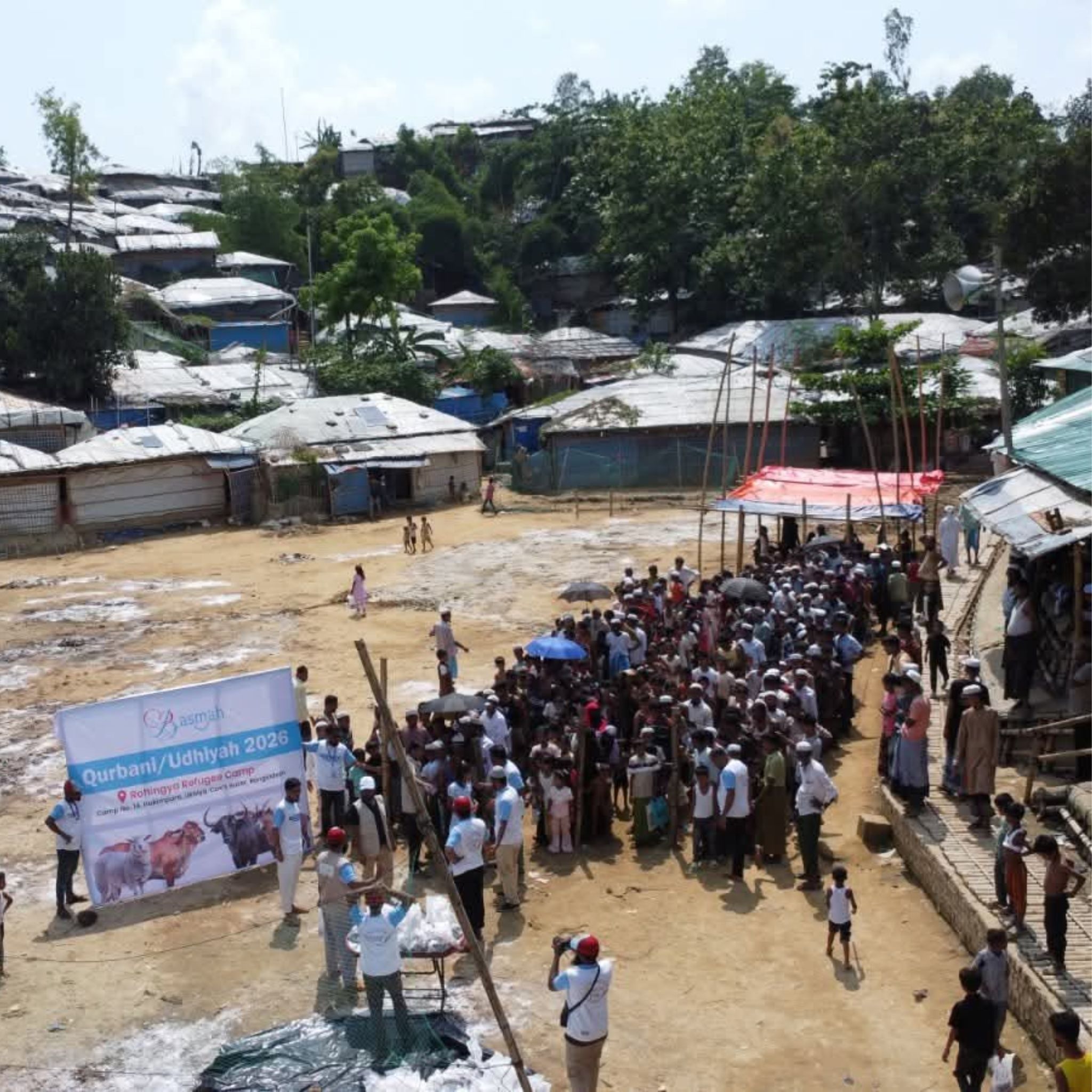
In 2026, as Eid al-Adha draws near, the ancient story breathes anew in our homes. A father explaining to his young son why they choose the healthiest goat. A mother packing portions for neighbors and the local mosque. A young professional donating a share through a trusted organization so meat reaches Rohingya families or widows in distant lands. Each act keeps the flame of Ibrahim’s faith burning brightly.

Qurbani teaches us taqwa like Habil, total submission like Ibrahim, patience like Ismail, and generosity like the Prophet ﷺ. It reminds us to treat animals with mercy, share meat in three portions (family, relatives, and the needy), and spend these blessed days in extra worship. It strengthens family bonds during planning and distribution. It builds community as neighbors exchange plates of cooked meat. Most importantly, it multiplies barakah—eased worries, healed relationships, increased rizq, and protection for our children.

Even those unable to afford a full animal can participate by joining shares or giving Sadaqah. Allah sees the intention. The poor who receive meat make dua for you—ongoing charity that continues after you leave this world.

Practical Light for This Year: Turning Story into Action with Sincerity

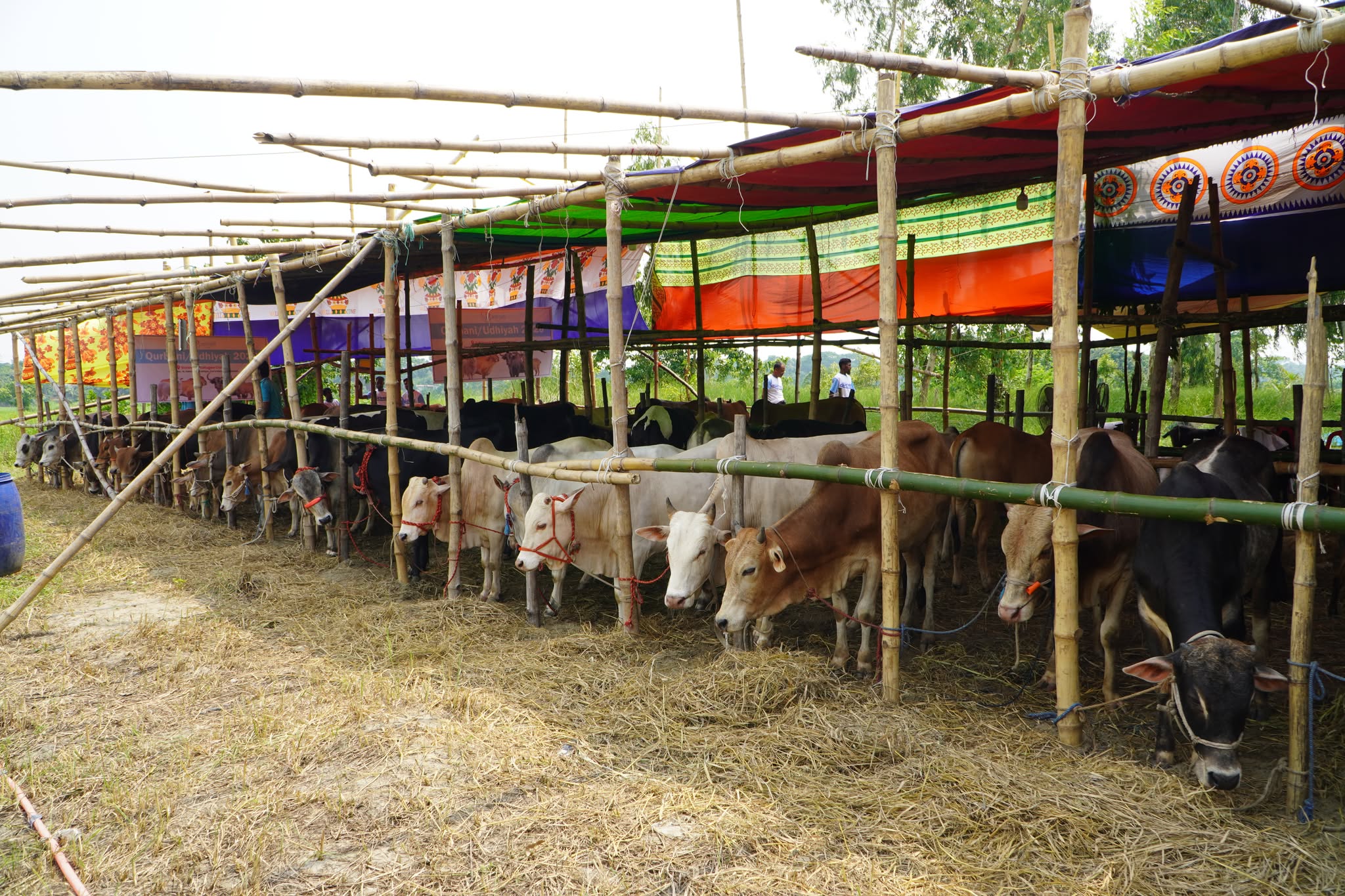
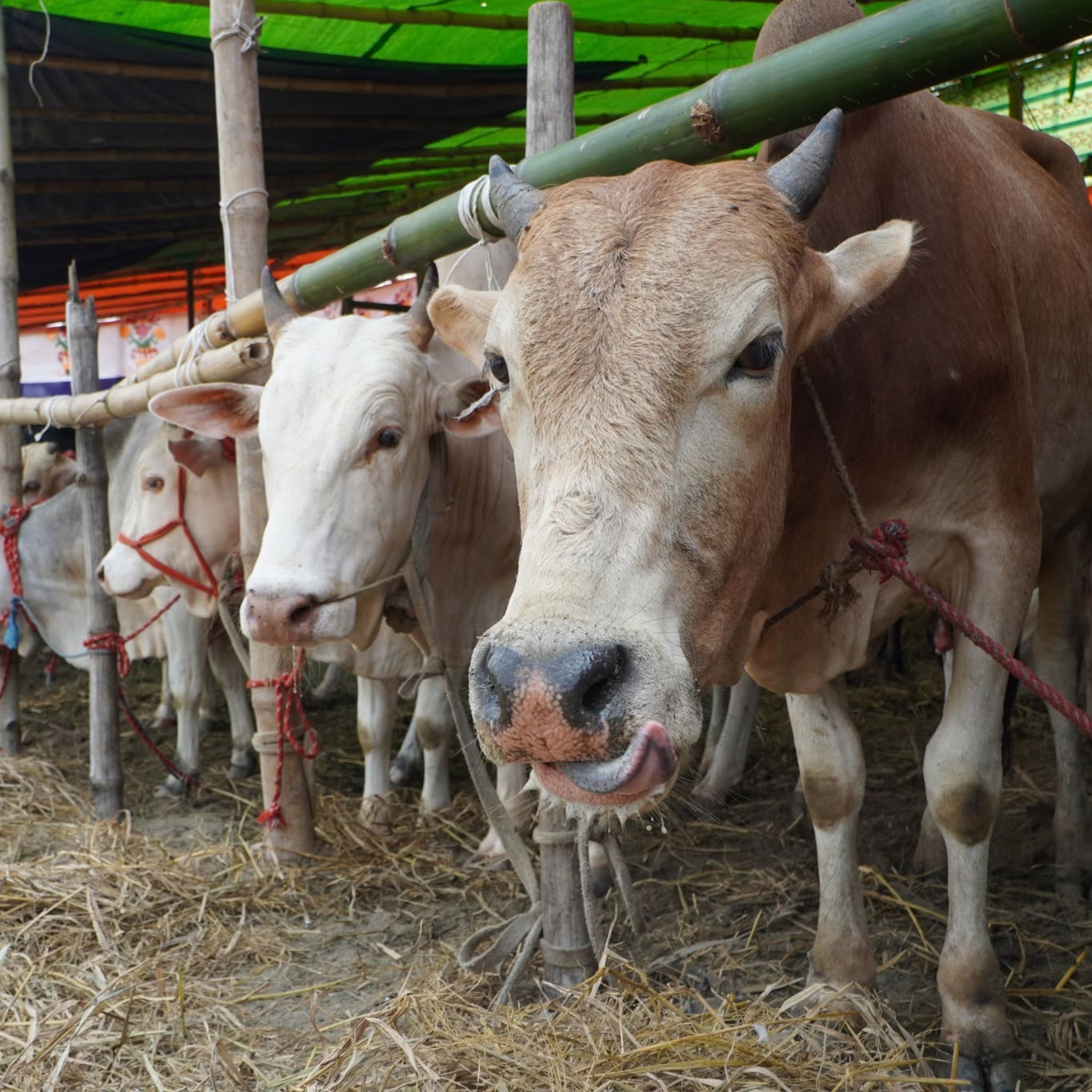
Choose healthy animals meeting the age and condition rules. Offer after Eid prayer on the 10th to 12th (or 13th) of Dhul Hijjah. Say “Bismillahi Allahu Akbar” clearly. Divide or delegate the meat with care. Involve your children so they grow up loving this Sunnah. Give extra if you can, following the Prophet’s example. Reflect afterward with shukr—thank Allah for the opportunity to walk in the path of His beloved servants.

A Heartfelt Call: Make This Your Most Meaningful Qurbani Yet

Dear brother and sister in Islam, the days of Dhul Hijjah are rushing toward us like a merciful wind. Somewhere a child waits for a taste of meat that will light up their Eid. Somewhere a mother whispers duas for the unknown giver who remembered her family. Your Qurbani can be that answer. Your extra share can revive the Prophetic Sunnah. Your sincere heart can join the greatest story of sacrifice ever told.

Do not delay. Prepare now. Offer with joy, not reluctance. Teach your family the stories. Share the meat generously. Let this Qurbani be your personal letter of love to Allah.

May every animal offered in His name become a witness for you on the Day of Judgment. May the barakah of these ten unmatched days fill your homes with peace, your hearts with contentment, and your scales with heavy good deeds. May Allah accept from every believer striving to follow Ibrahim, Ismail, and Muhammad ﷺ, and grant us all the highest ranks in Jannah alongside them.

O Allah, accept our Qurbani as You accepted from Your chosen servants. Strengthen our taqwa, multiply our rewards, unite the Ummah, feed the hungry through our hands, and enter us into Your Paradise with the righteous. Ameen ya Rabb al-Alameen.

The story continues through you. Let this year’s sacrifice be the most beautiful chapter yet—a true reflection of love, trust, and hope for the Akhirah.

Related Posts

Share this post

ZAKAH CALCULATOR

Deductions

Totals