Complete Guide to Qurbani: Earn Allah's Pleasure and Help the Ummah This Eid
The Complete Guide to Qurbani: Every Rule, Every Reward, Every Reason That Matters
- May 14, 2025
- The Story You Need to Feel, Not Just Know
- What Is Qurbani — and Why Does It Actually Matter?
- Is Qurbani Obligatory Upon You?
- Which Animals Are Permitted — and What Condition Must They Be In?
- When Must the Sacrifice Take Place?
- The Rules Before the Knife: What You Must Observe from the 1st of Dhul Hijjah
- How the Sacrifice Must Be Performed
- Understanding Qurbani Shares
- Who in the family is required to give Qurbani?
- How the Meat Must Be Distributed
- Can You Give Qurbani in Another Country?
- What Nullifies a Qurbani? Avoid These Mistakes
- The Verse That Changes Everything
- The Family You Have Never Met — But Who Needs You
- Do Not Wait. The Days Are Almost Here.
- A Final Du'a Before These Days Arrive
Because this sacrifice is not a checkbox. It is a conversation between you and Allah — and these are the most important days to have it.
Eid ul-Adha is not just a celebration.
It is a reckoning. A yearly moment in which Allah (SWT) holds up a mirror to your soul and asks a single, weightless, earth-shattering question:
What are you willing to give?
Millions of Muslims will answer that question this Dhul Hijjah. With their wealth. With their time. With an animal sacrificed in His name. With meat distributed to hands that have not held a proper meal in months.
But here is the thing — many of us perform Qurbani without fully understanding what we are doing, why the rules exist, or what is truly at stake. We follow tradition without feeling the weight of it. We go through the motions without letting the meaning reach our hearts.
This guide is for every Muslim who wants to change that. Who wants to perform Qurbani not merely correctly — but completely. Spiritually. Intentionally. With the full fire of Ibrahim (AS) in their chest.
Let us begin.
The Story You Need to Feel, Not Just Know
You have heard it before. But hear it again — differently this time.
Ibrahim (AS) was not an ordinary man facing an ordinary test. He was a prophet who had already endured the unimaginable — cast into a fire by his own people, exiled from his homeland, separated from his family, aged and weathered by decades of calling people to Allah (SWT) while the world pushed back.
And then, after all of that — after the fire and the exile and the longing — Allah gave him Ismail (AS). His son. His beloved. The child he had prayed for his entire life.
And then the dream came.
Sacrifice him.
Ibrahim (AS) did not collapse. He did not argue. He did not spend sleepless nights searching for a scholarly loophole. He went to his son — this extraordinary, courageous boy — and told him the truth. Father to son. Man to man.
And Ismail (AS) said, with a steadiness that still echoes across fourteen centuries:
“O my father, do as you are commanded. You will find me, if Allah wills, among the patient.” (Qur’an 37:102)
Two human beings. Both trembling, perhaps. Both heartbroken, possibly. Both walking forward anyway.
The knife was raised. And Allah (SWT) called out — “O Ibrahim! You have fulfilled the vision” — and sent down a ram from the heavens.
He never wanted the blood of Ismail. He wanted what lay behind the act. The surrender. The love. The proof that Ibrahim (AS) would give everything — absolutely everything — if Allah asked.
Every single Qurbani you have ever given, or will ever give, is a small echo of that moment on that mountain. Never let yourself forget it.
What Is Qurbani — and Why Does It Actually Matter?
Qurbani, from the Arabic root qurb meaning nearness and closeness, is the ritual sacrifice of a permitted animal during the days of Eid ul-Adha. In classical Arabic scholarship it is also called Udhiyah. The two words describe the same act — one emphasising the nearness to Allah it creates, the other describing the time in which it is performed.
It is one of the most beloved acts a Muslim can perform during these days. Not because of the meat. Not because of the tradition. But because of what the Prophet (peace be upon him) told us about its standing before Allah:
“On the day of sacrifice, no one does a deed more pleasing to Allah than the shedding of blood. The sacrifice will come on the Day of Resurrection with its horns, hair, and hooves — and the blood finds acceptance with Allah before it even falls on the ground.”
Before it falls on the ground. Your Qurbani is received in the heavens the moment it is performed. The mercy and immediacy of that is breathtaking.
And consider this: the Prophet (peace be upon him) remained in Madinah for eleven years after the Hijra. For eleven consecutive years — without exception — he sacrificed on Eid ul-Adha. Not as a cultural habit. Not because everyone else was doing it. But because he understood, more than anyone alive, what this act meant in the sight of Allah (SWT).
Is Qurbani Required for Every Muslim?
This is the question many people dance around. Let us answer it directly.
According to the majority of scholars — particularly in the Hanafi school — Qurbani is wajib, obligatory, upon every adult Muslim who possesses wealth above the Nisab threshold after their basic needs are met. This means that if you have a roof over your head, food in your kitchen, clothes on your back, and money remaining beyond that — Qurbani is not optional for you.
The Prophet (peace be upon him) left no ambiguity here:
“Whoever can afford it but does not offer a sacrifice — let him not come near our prayer place.”
That is not gentle encouragement. That is a warning. A serious, sobering reminder that abandoning Qurbani without genuine hardship as justification is not a small matter.
Now — if you are genuinely struggling financially, if you are barely managing your household’s basic needs, then Allah (SWT) does not burden a soul beyond its capacity. Sadaqah, du’a, and sincere intention are your portion during these days, and they are honourable and accepted.
But if you are comfortable? If you are managing? If you have disposable wealth and Qurbani simply slipped your priority list? Then know — the days are coming, the obligation stands, and the opportunity to fulfil it is finite.
Imam Siraj Wahhaj
Honorary advisor of BASMAH
Which Animals Are Permitted — and What Condition Must They Be In?
Allah (SWT) is specific in His guidance, and every rule carries wisdom worth understanding.
Permitted animals:
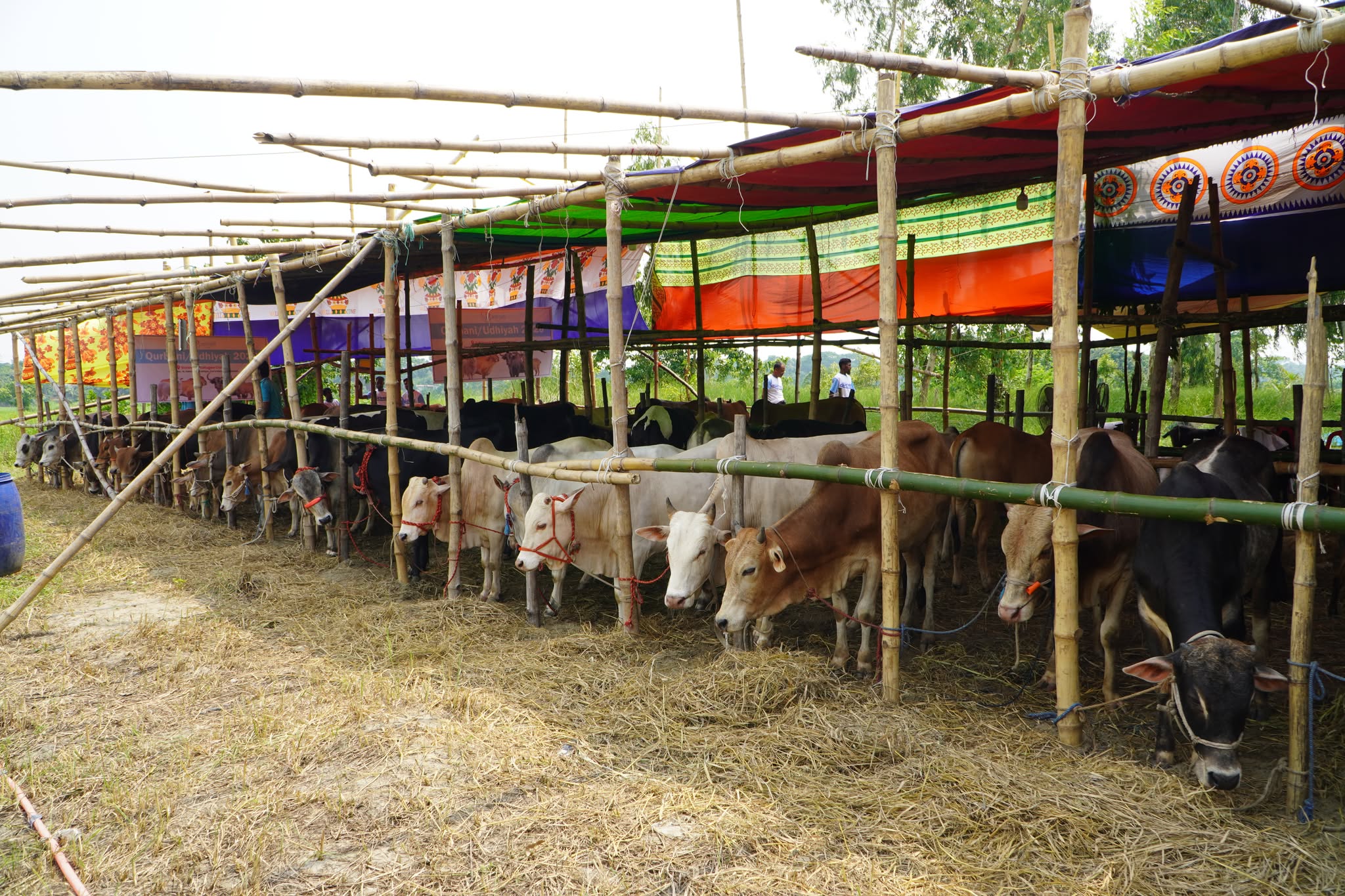
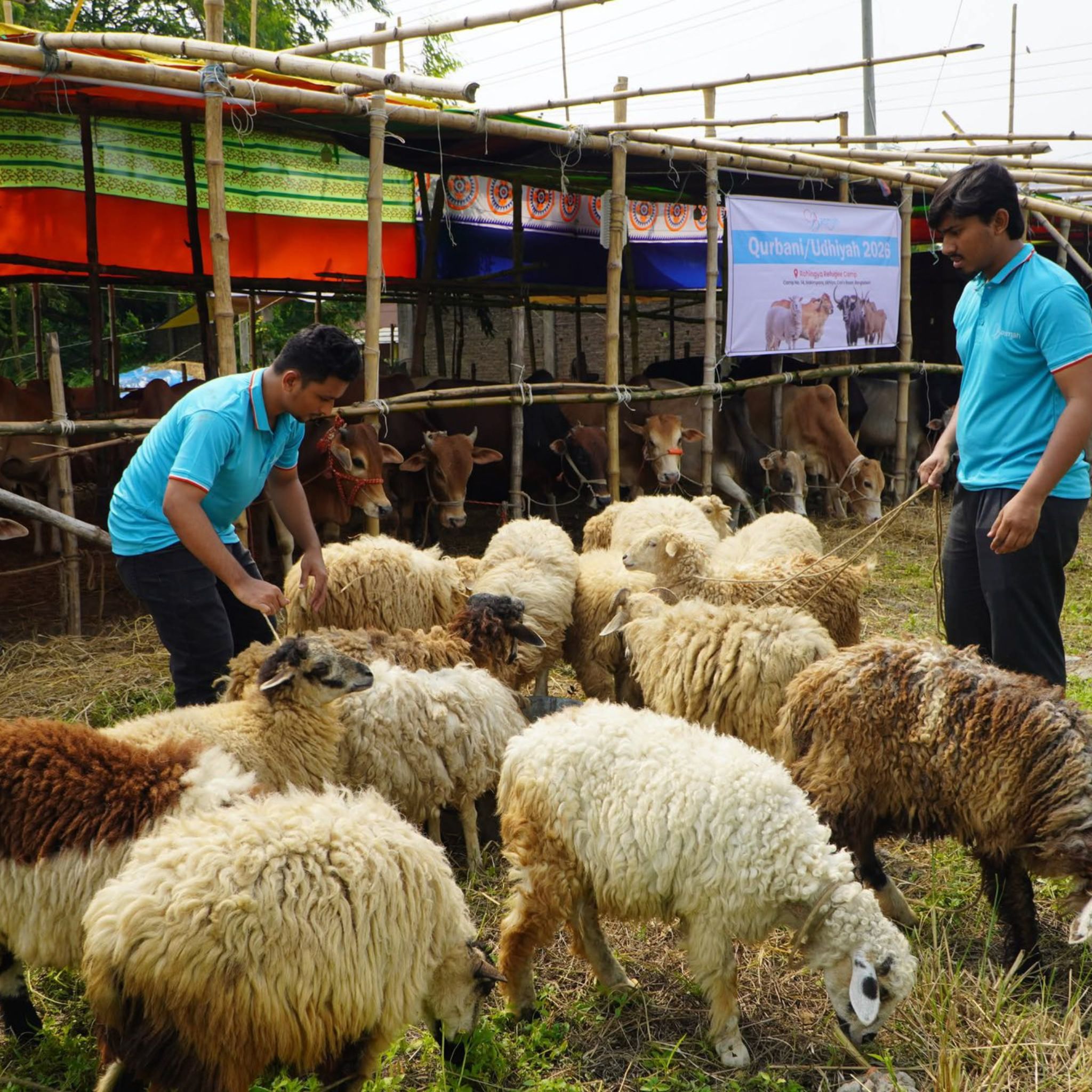
Sheep and goats qualify as one individual Qurbani share each. Cows and buffalo carry seven shares. Camels carry seven shares. Birds — chickens, ducks, turkeys — are not permissible for Qurbani regardless of their value. The sacrifice must come from one of the animals Allah specifically designated.
Minimum age requirements:
Sheep and goats must be at least one year old. Cows and buffalo, a minimum of two years. Camels, no younger than five. These are not arbitrary restrictions — they ensure the animal has lived sufficiently and that the meat is of genuine quality.
The animal must be healthy and whole:
The Prophet (peace be upon him) was explicit:
“There are four animals that will not be accepted as sacrifice: the one-eyed animal clearly blind in one eye; the sick animal that is obviously ill; the lame animal with a clear limp; and the emaciated animal with no marrow in its bones.”
Beyond these four, an animal is also invalid if it is missing a third or more of its ear or tail, if its horn is broken from the root, or if it has lost more than half of its teeth.
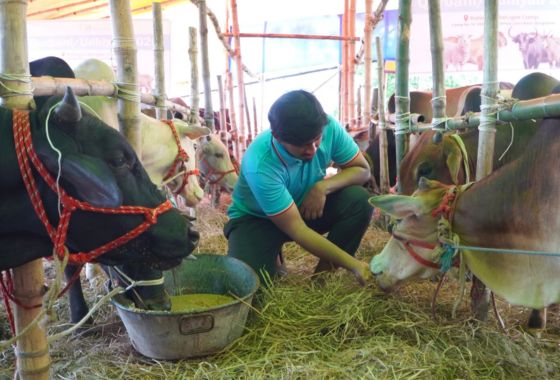
Why such meticulous standards? Because you are offering this to Allah (SWT). The One who gave you everything. Would you give your Creator something defective, weakened, and second-rate while keeping the best for yourself? Of course not. Give the finest you can find. That is the spirit of this act.
When Must the Sacrifice Take Place?
This is where many people make costly mistakes — sometimes unknowingly nullifying their entire Qurbani.
The valid window for Qurbani begins after the Eid prayer on the 10th of Dhul Hijjah and ends at sunset on the 13th of Dhul Hijjah. That gives you four days.
Not three. Four — if we include the 13th, as many scholars hold.
The Prophet (peace be upon him) stated plainly:
“Whoever slaughtered the sacrifice before the prayer — he slaughtered it for himself. But whoever slaughtered it after the prayer — he slaughtered it at the right time and followed the tradition of the Muslims.”
If you sacrifice before the Eid Salah — even by five minutes — it does not count as Qurbani. It is halal meat. Nothing more. The obligation remains unfulfilled, and you must sacrifice again after the prayer.
The most virtuous time is the first day, as soon after the Eid prayer as possible. But if circumstances require it, the remaining days are fully valid. What matters is that the prayer precedes the sacrifice — always.
The Rules Before the Knife: What You Must Observe from the 1st of Dhul Hijjah
If you are intending to give Qurbani, the preparation begins before Eid even arrives.
From the very first day of Dhul Hijjah, refrain from cutting your hair, trimming your nails, or removing skin. This continues until your Qurbani has been performed. It is a Sunnah confirmed by scholars across multiple madhabs — the Hanbali position holding it as obligatory, others as strongly recommended.
The wisdom behind it is quietly beautiful. In Makkah, pilgrims enter a sacred state of Ihram — hair uncut, nails untrimmed, hearts turned entirely toward Allah. Though you may be thousands of kilometres away, this practice binds you spiritually to those pilgrims. The entire Ummah, in different ways, enters a shared state of heightened consciousness during these days.
Do not neglect it. These are the details that separate a mechanical ritual from a living, breathing act of worship.
How the Sacrifice Must Be Performed
The manner of slaughter in Islam is steeped in mercy — a mercy that extends even to the animal in its final moments.
Use an exceptionally sharp knife. The Prophet (peace be upon him) commanded:
“Allah has prescribed excellence in everything. So when you slaughter, slaughter well. Let one of you sharpen his blade and spare suffering to the animal.”
A dull blade prolongs the dying process. Islam forbids this. Sharpen before the day begins.
Do not sharpen the knife in front of the animal. The anticipation of death causes measurable distress. Prepare your tools before bringing the animal to the place of slaughter.
Do not slaughter one animal within sight of another. Each animal should be led away separately. This is not sentimentality — it is the Islamic principle of mercy toward all living creatures, upheld even in the moment of lawful sacrifice.
Recite “Bismillahi Allahu Akbar” at the moment of slaughter. This is not optional. According to the majority of scholars, failing to recite this renders the meat impermissible. Say it with your full attention — not as a reflex, but as a declaration. In the name of Allah. Allah is the Greatest.
Make the cut swift, clean, and decisive — through the windpipe, oesophagus, and both jugular veins. The animal loses consciousness almost immediately. This is the most merciful method of slaughter known to exist, and it is the method Islam prescribed fourteen centuries before modern science validated it.
If you know how to slaughter, do it yourself. There is something profoundly personal about performing the act with your own hands. If you do not, appoint a knowledgeable butcher — but try to be present. Witness it. Let it land in your chest for what it truly is.
Understanding Qurbani Shares
One of the most practical and misunderstood aspects of Qurbani is the share system — and once you understand it, it opens up remarkable possibilities.
A sheep or goat equals one complete Qurbani share. It cannot be divided. One person, one animal.
A cow, buffalo, or camel equals seven shares. Seven individuals can combine their obligations into a single animal, each receiving full credit for their Qurbani. This is directly from the Sunnah — Jabir (RA) narrated that during the Treaty of Hudaybiyyah, the companions sacrificed one camel for every seven people alongside the Prophet (peace be upon him).
This is particularly valuable for families. A husband, wife, and five adult children — if all qualify — can pool together, purchase one large animal, and fulfil every individual obligation simultaneously.
Who in the family is required to give Qurbani?
Every financially capable adult Muslim in the household bears their own individual obligation. This includes the wife if she has her own wealth. It includes adult children who are earning independently. It includes elderly parents who possess wealth above Nisab.
A father cannot simply sacrifice one animal and consider his entire household covered if multiple adults within it independently qualify. The obligation belongs to each individual — not to the household as a collective unit.
How the Meat Must Be Distributed
This is where Qurbani transforms from personal worship into communal mercy — and where many families inadvertently fall short.
Divide the meat into three equal portions:
One third for your own family. Yes — you are permitted, even encouraged, to eat from your own Qurbani. The Prophet (peace be upon him) ate from his sacrifice and encouraged his companions to do the same. There is no virtue in refusing your share.
One third for relatives, friends, and neighbours. Rich or poor. Muslim or non-Muslim. Distribute it generously. Strengthen the bonds that Shaytan works tirelessly to sever. A piece of meat delivered to a neighbour’s door on Eid morning can do more for community than months of distant goodwill.
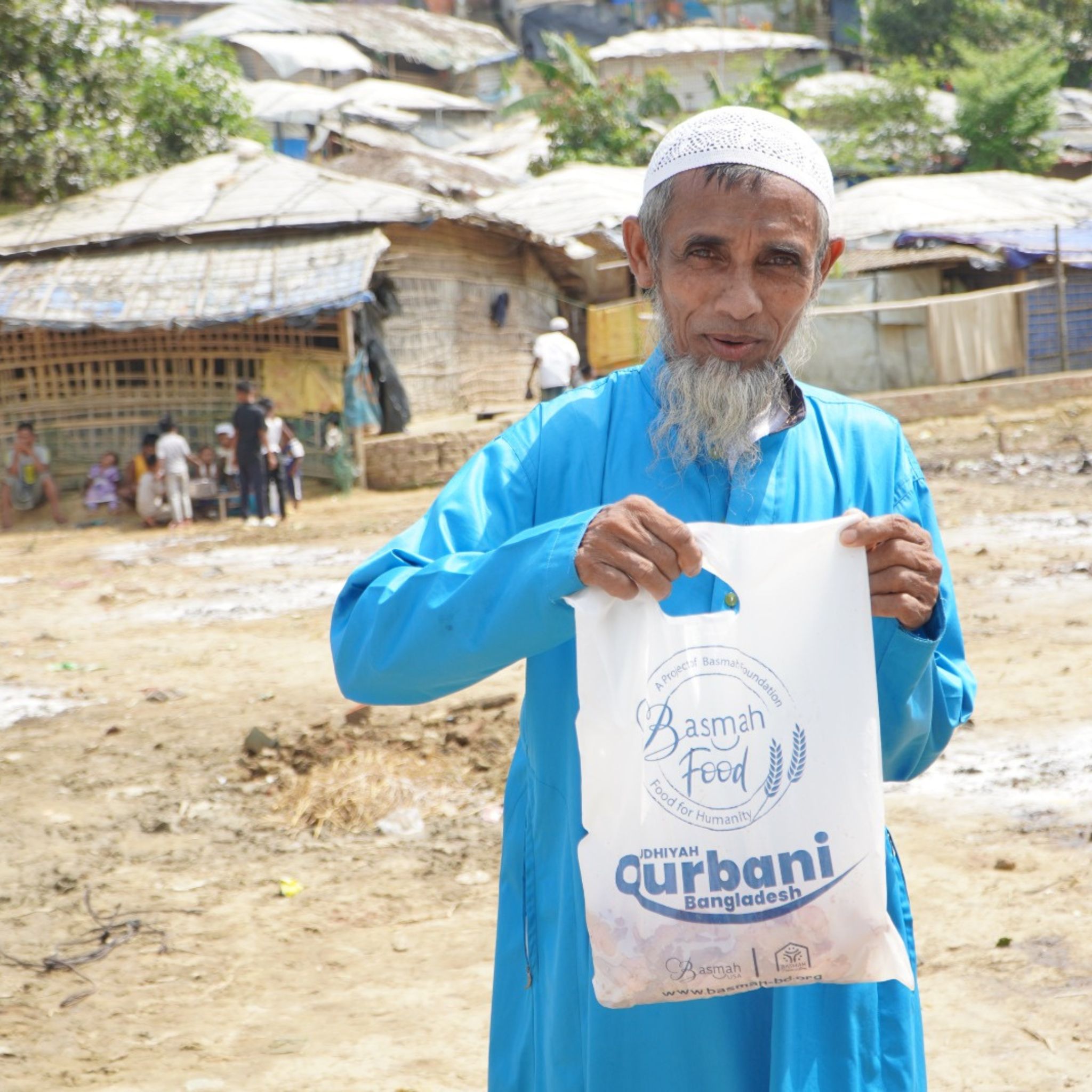
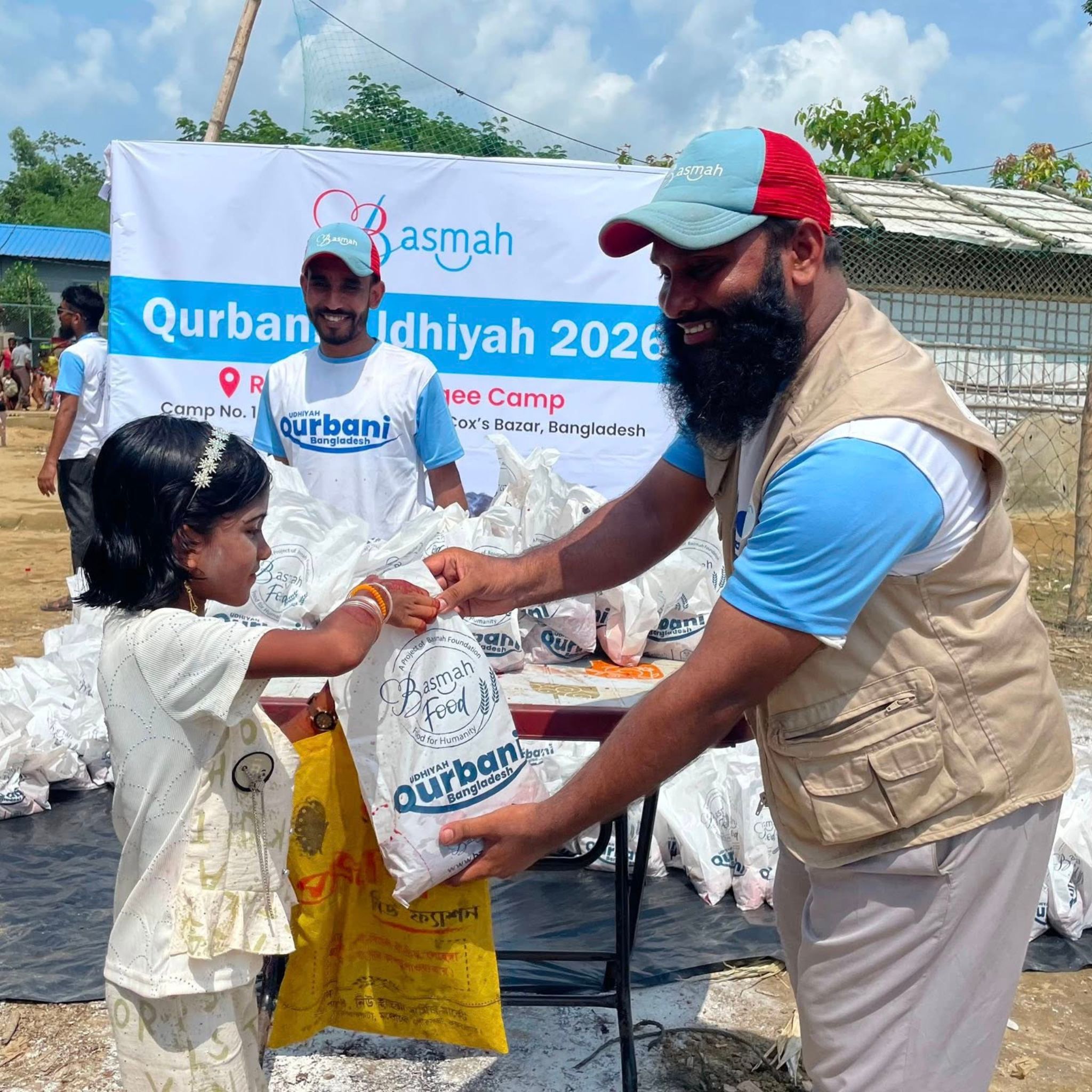
One third for the poor and needy. This is the heartbeat of the practice. The widow down the street. The refugee family in the camp. The orphan who has not tasted meat in months. The elderly person with no one left to care for them.
Two important rulings to memorise: You may give more than a third to the poor — even all of it if you wish, keeping only a symbolic taste for yourself. Many scholars actively encourage this. And the butcher must never be paid with any part of the Qurbani animal — no meat, no skin, no fat, no organs. Pay them separately in cash. Every part of the Qurbani belongs to Allah’s distribution — not to commercial transactions.
Can You Give Qurbani in Another Country?
Not only is it permitted — for many Muslims in wealthier nations, it is the most impactful choice available.
Consider: the same amount of money that purchases one small animal locally might fund a large animal in Bangladesh, Somalia, or Syria — feeding ten families instead of two, in communities where Eid ul-Adha may be the only day all year that meat appears on the table.
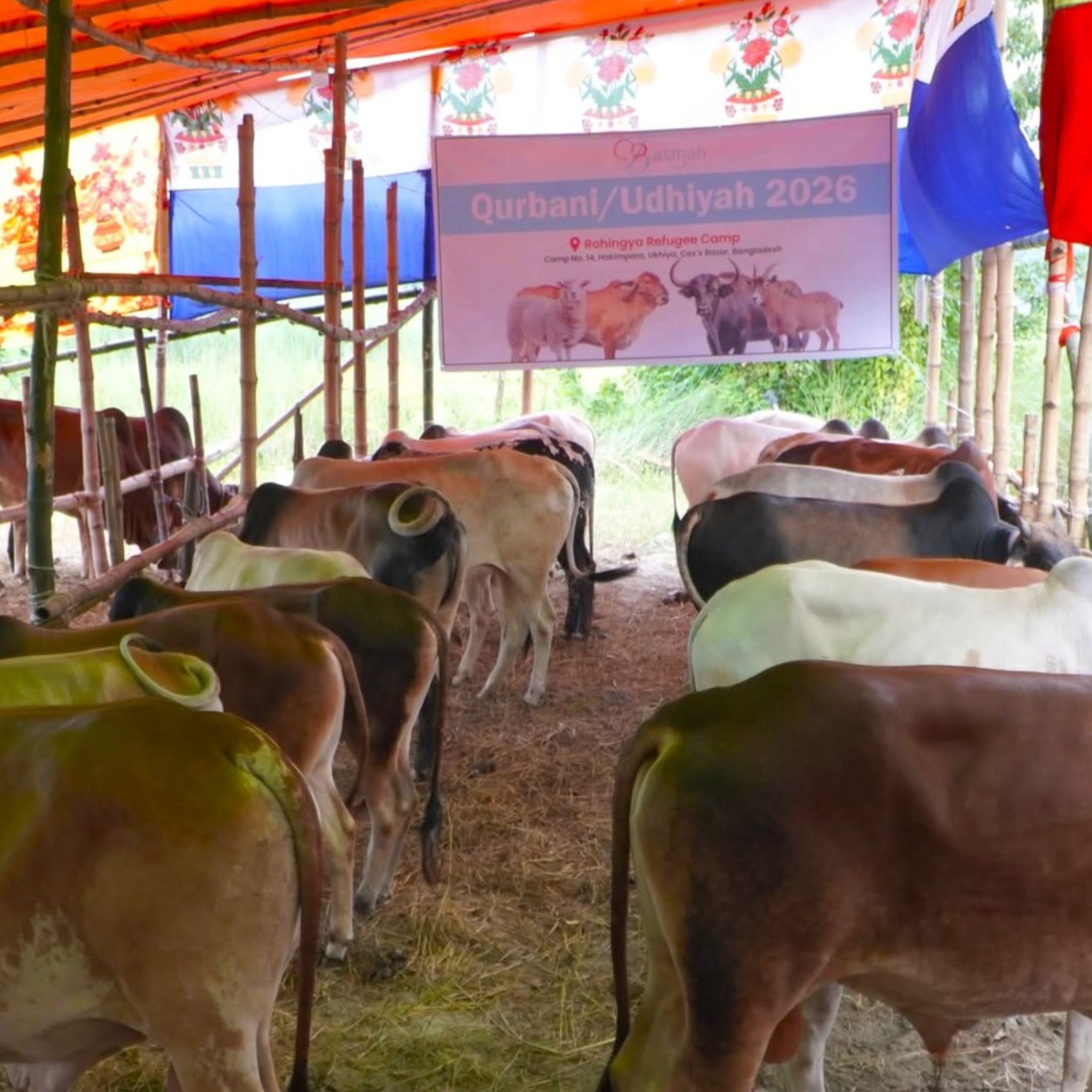
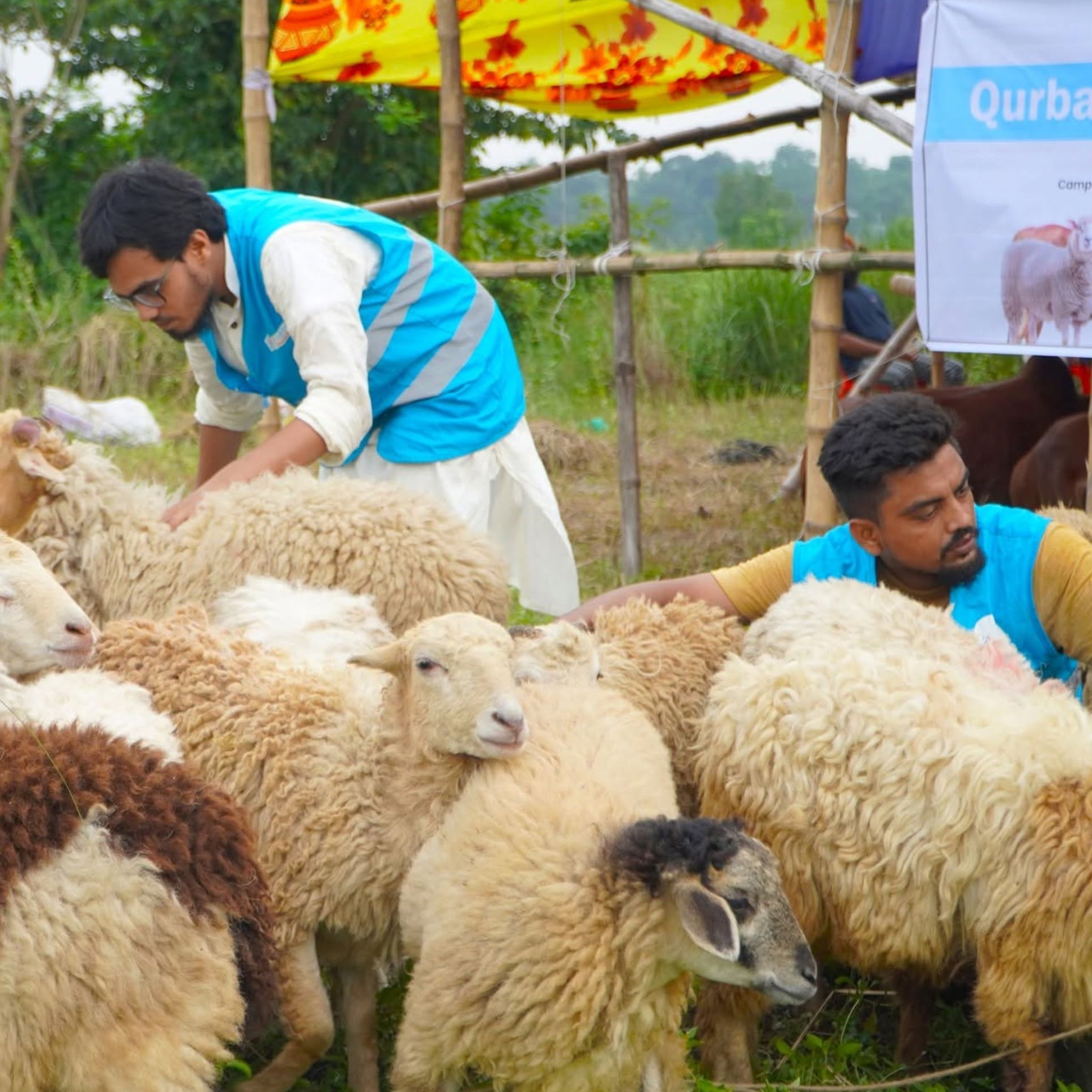
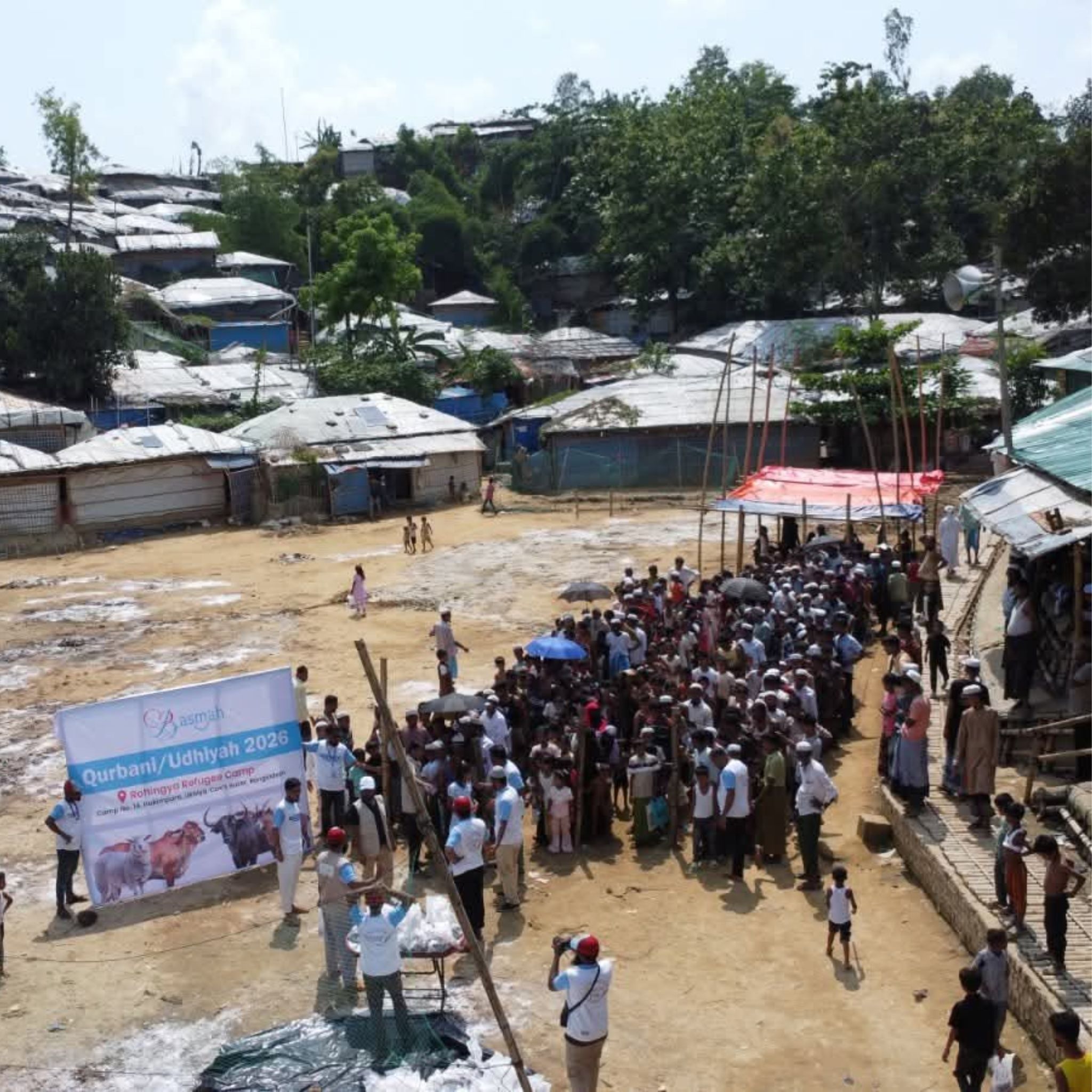
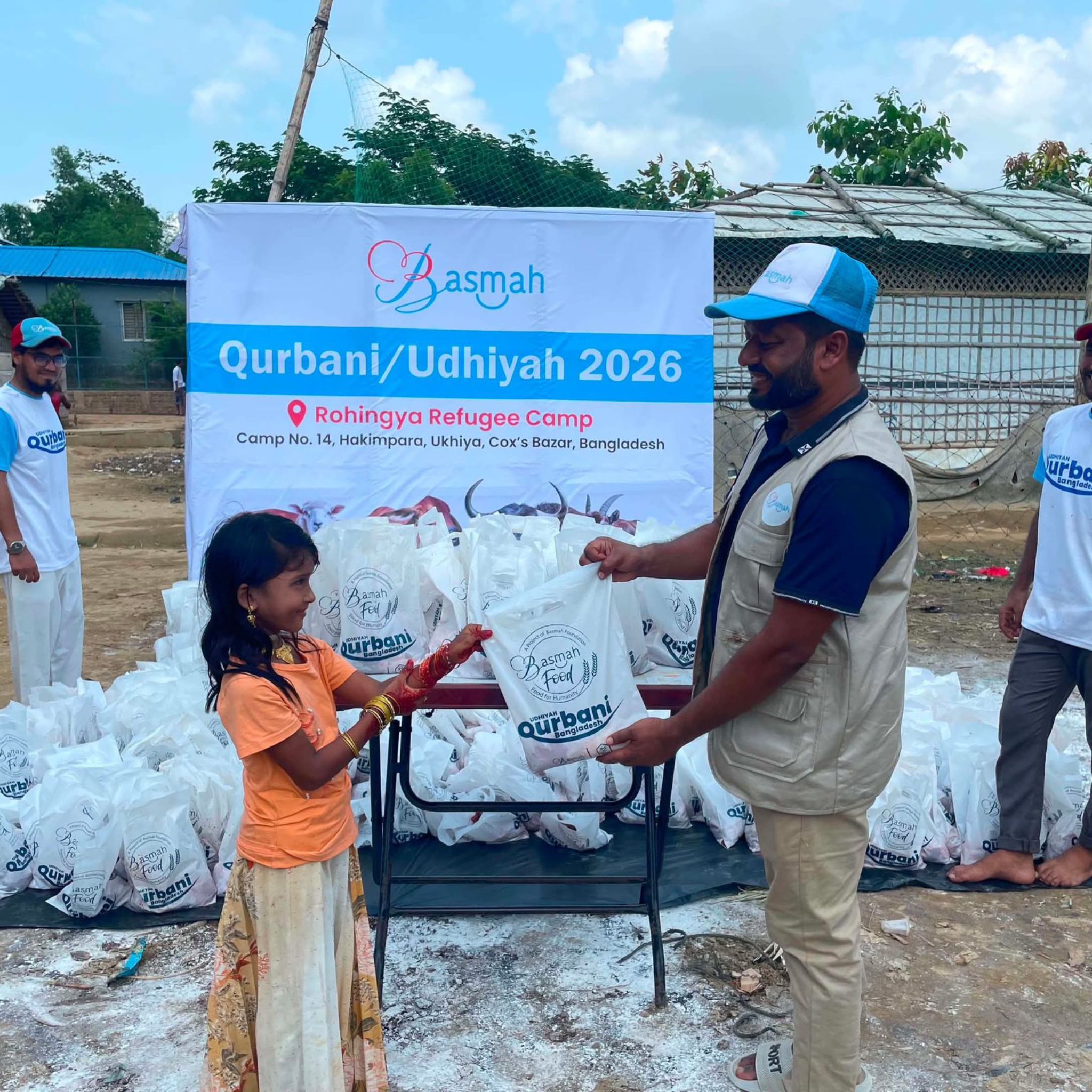
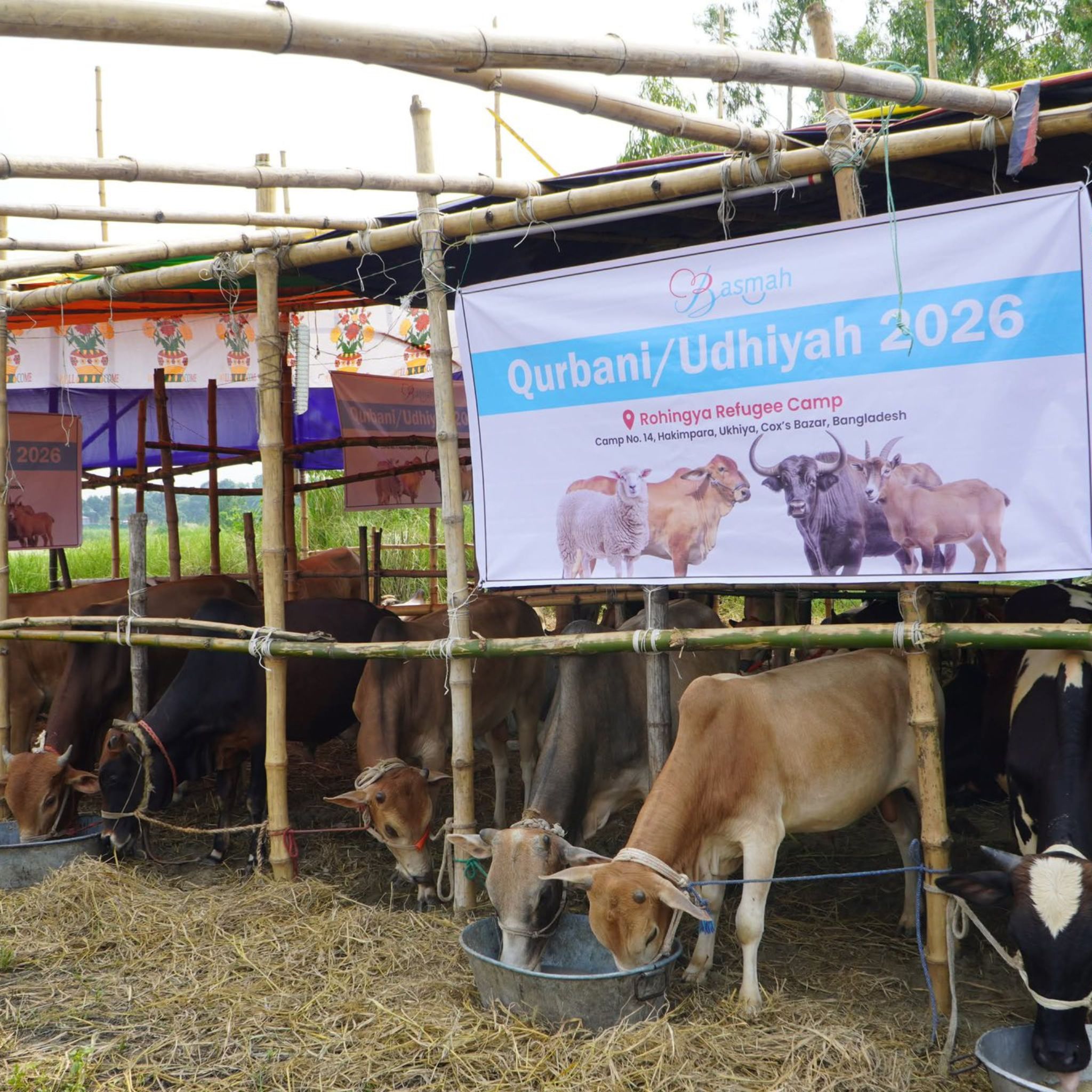
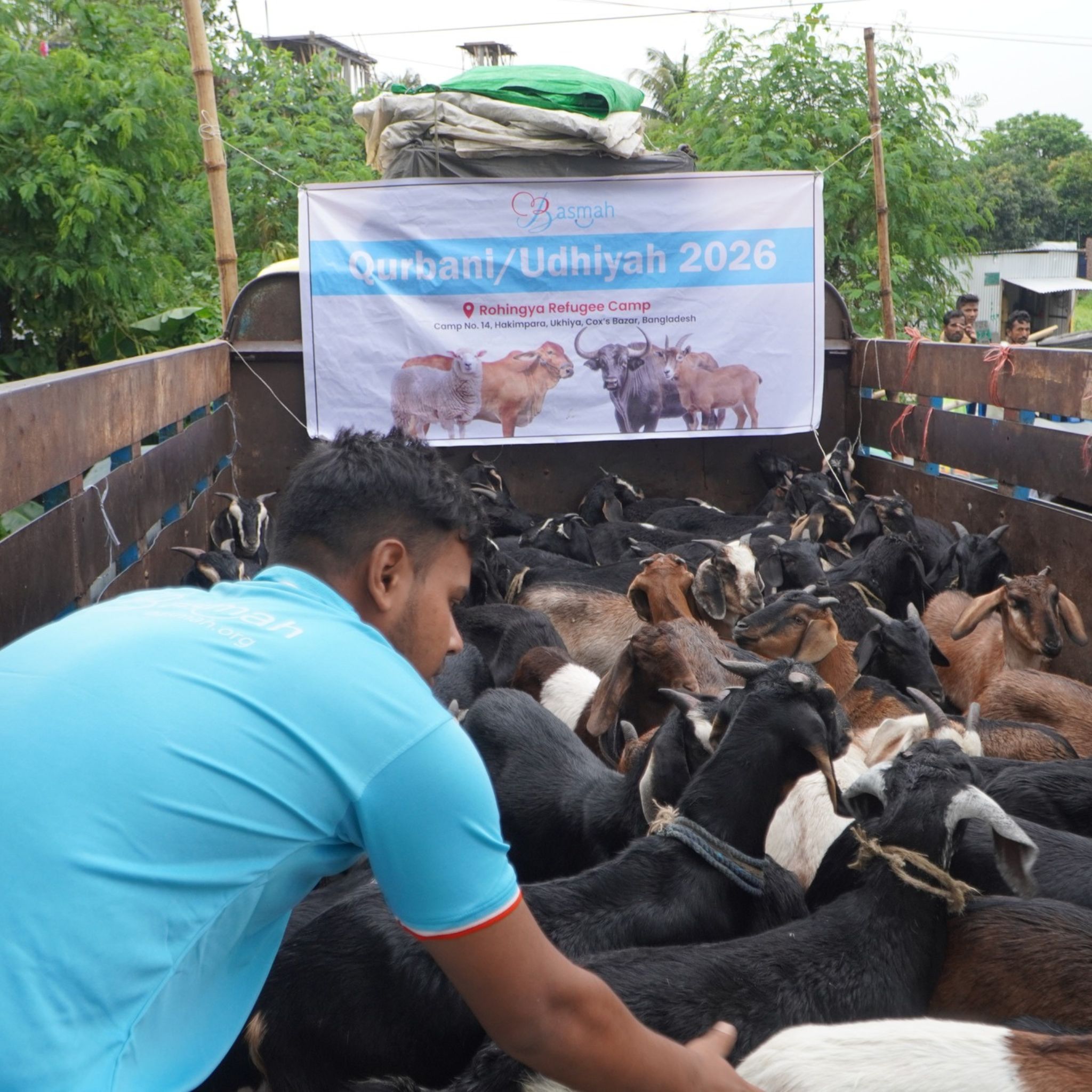
Trusted Islamic organisations operate verified systems in which animals are purchased locally in impoverished regions, slaughtered according to complete Shariah compliance, and distributed directly to confirmed needy families — including Rohingya refugees, displaced Palestinians, famine-struck Yemeni communities, and the deeply poor across Pakistan, Syria, and beyond.
Your intention is made here. The sacrifice happens there. The reward belongs to you entirely.
Research your organisation carefully. Ensure they confirm the animal meets all age and health requirements. Ensure the slaughter is Islamically conducted. And ensure the meat genuinely reaches those who need it — not administrative costs.
What Nullifies a Qurbani? Avoid These Mistakes
A Qurbani performed incorrectly may not count at all. Here is what to guard against:
Sacrificing before the Eid prayer — even moments before — renders it invalid. Using an animal that is too young, too sick, or too physically defective makes it unacceptable. Forgetting to recite Bismillah is a serious error that many scholars say makes the meat impermissible. Selling any part of the sacrificed animal — its meat, its hide, its fat — is strictly forbidden and mars the validity of the act. And cutting your hair or nails after the 1st of Dhul Hijjah, before your Qurbani is complete, violates the established Sunnah.
Take each rule seriously. These are not bureaucratic hurdles — they are the boundaries within which this act of worship lives and breathes.
The Verse That Changes Everything
After all the rules. After all the guidance. After the animal ages and the knife sharpness and the distribution percentages — Allah (SWT) says something in the Qur’an that reframes all of it:
“Neither their meat nor their blood reaches Allah — but it is your taqwa that reaches Him.” (Qur’an 22:37)
Read that again. Slowly.
Allah does not need your animal. He does not need the meat, the blood, or the transaction. What reaches Him — the only thing that reaches Him — is the state of your heart when you do it.
You could sacrifice the most expensive camel alive with the coldness of habit and empty ritual, and it would mean nothing in the sight of Allah. Or you could give the simplest goat, in a modest field, with tears of genuine love and sincere submission in your eyes — and that would be among the most precious things you have ever offered.
Qurbani is ultimately about six things. Submission — obeying Allah without demanding explanation. Gratitude — acknowledging that every blessing you own came from Him. Sacrifice — giving something real, something that costs you. Compassion — feeding the hungry with your own hands, or through your donation. Unity — binding yourself to an Ummah of billions across the earth. And remembrance — keeping the legacy of Ibrahim (AS) alive in your daily life, not just on Eid morning.
The Family You Have Never Met — But Who Needs You
Close your eyes for a moment.
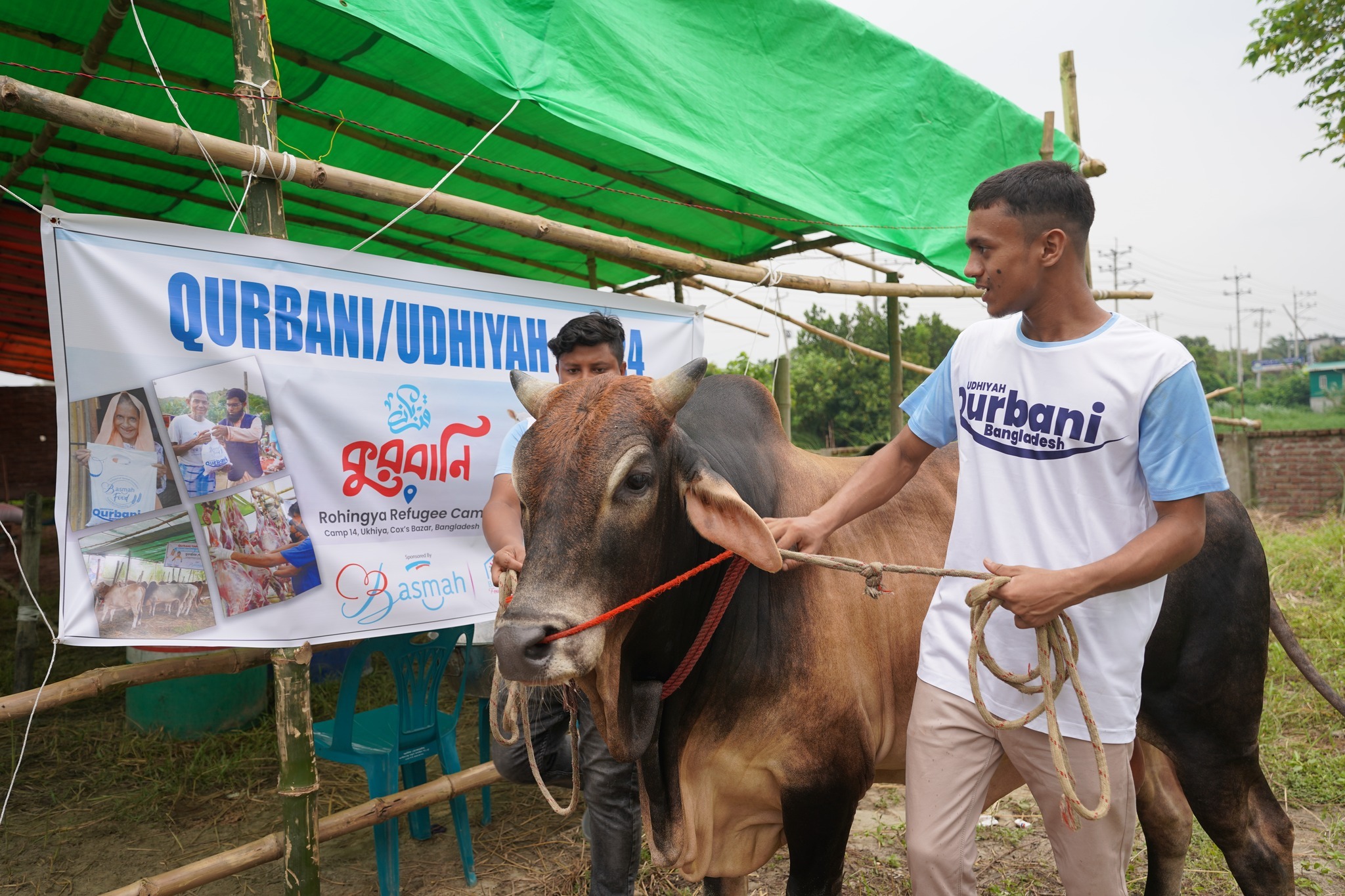
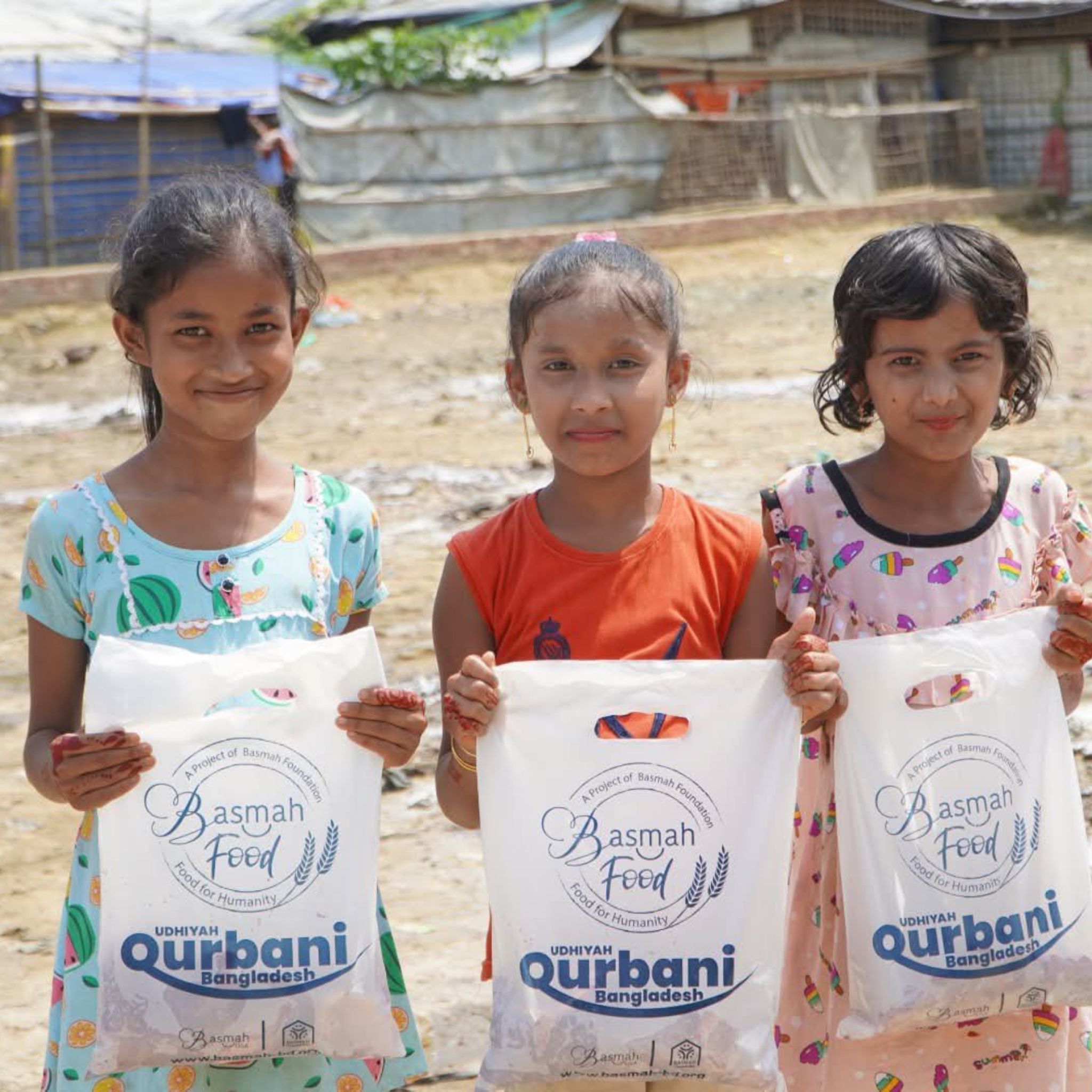
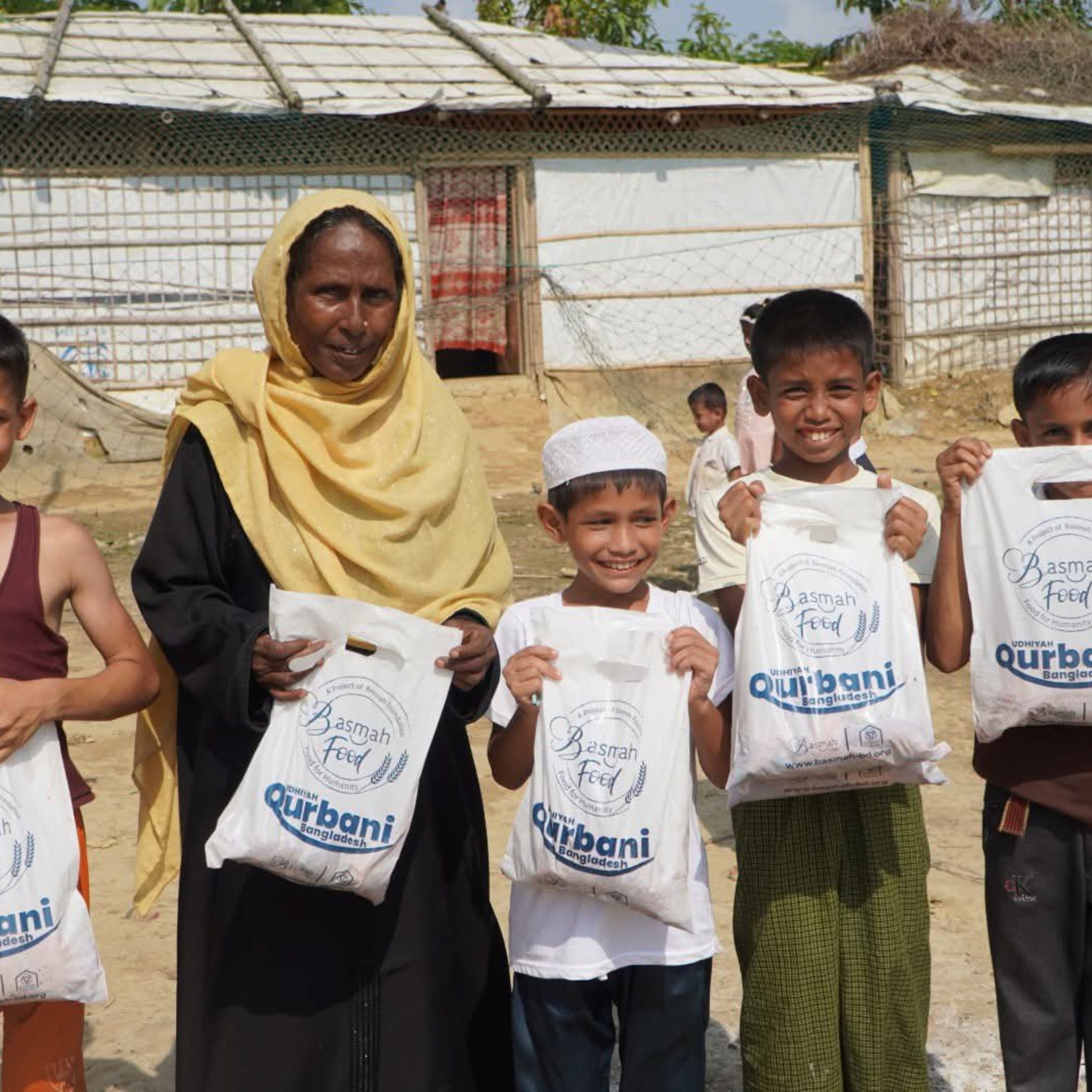
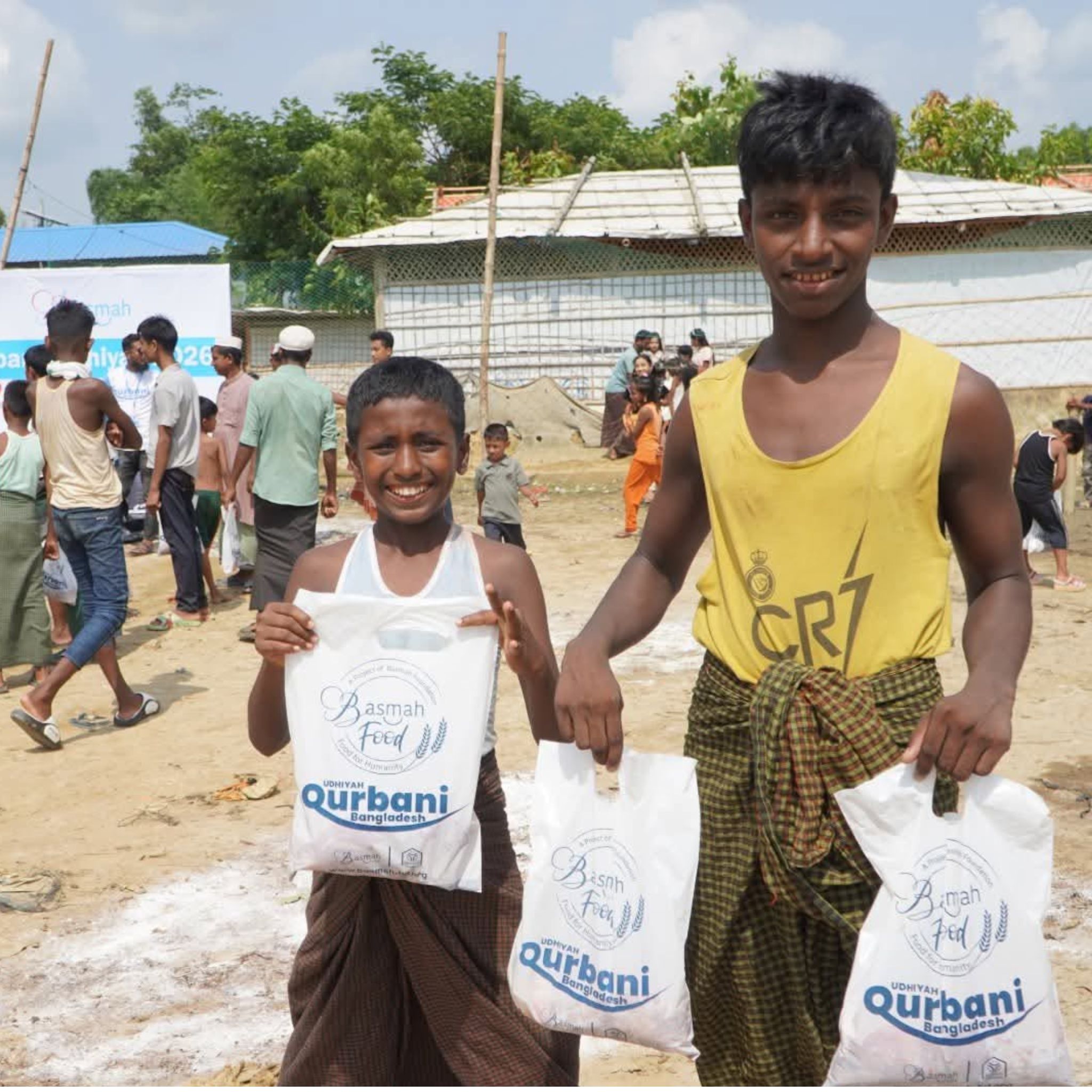
Somewhere in a refugee camp in Bangladesh, a Rohingya mother is cooking rice — again — because rice is all there is. Her children have not tasted meat in months. Her husband has no work. She does not know your name. She does not know you exist.
But on Eid ul-Adha, if you give your Qurbani through an organisation that reaches her — fresh meat arrives at her door. Her children’s faces change. She cooks a real meal. Her family sits together and eats with a fullness they had forgotten. And she raises her hands and makes du’a for the unknown Muslim who made her Eid.
That du’a goes directly to Allah. Your name is attached to it, even though she never knew it.
In Palestine, in Yemen, in Syria, in Somalia — this scene multiplies across thousands of families. The Prophet (peace be upon him) told us: “The believers in their mutual kindness, compassion, and sympathy are just like one body. When one limb suffers, the whole body responds with wakefulness and fever.”
The Ummah is one body. And right now, large parts of it are in pain.
Your Qurbani is one of the most direct ways to reach across that pain — from your kitchen table to theirs.
Do Not Wait. The Days Are Almost Here.
If you are giving Qurbani locally: find your animal now, before prices rise and healthy stock becomes scarce. Verify its age, its condition, its health. Arrange for slaughter after the Eid prayer. Prepare your distribution — know which families will receive meat before the day arrives.
If you are donating through an organisation: research carefully, give early so they can prepare, and request confirmation when your Qurbani is complete.
And from the very 1st of Dhul Hijjah: put down the scissors. Leave the nails uncut. Fast if you are able — these first nine days carry rewards beyond calculation. Make dhikr abundantly. Give extra Sadaqah. Spend these days the way they deserve to be spent — in heightened consciousness of Allah, in gratitude for what you have been given, and in urgent generosity toward those who have not.
The days will pass quickly. They always do.
A Final Du'a Before These Days Arrive
May Allah (SWT) accept every Qurbani offered in His name this Dhul Hijjah.
May He accept it from the wealthy family sacrificing a camel, and from the single mother who scraped together just enough for one modest share.
May He make the meat Barakah for every family that receives it — nourishing their bodies and softening their grief.
May He write our names among those who followed the Sunnah of Ibrahim (AS) with sincerity, excellence, and love.
May He grant us the taqwa that actually reaches Him — not merely the ritual, but the reality behind it.
And may He admit us, and our families, and the entirety of this wounded, beautiful Ummah — into Jannatul Firdaus.
Ameen, ya Rabbal Alameen.
Taqabbal Allahu Minna Wa Minkum.
May Allah accept from us and from you — on these most sacred of days
The poor are waiting. Jannah is calling. The days of Dhul Hijjah are almost here.
Give your Qurbani. Mean it. Change lives.
Related Posts
Understanding Aqiqah and Qurbani
Understanding Aqiqah and Qurbani Donate Understanding Aqiqah and Qurbani Welcoming New Life with Barakah: Understanding Aqiqah and Qurbani – Two
Benefits of Qurbani in Islam : Significance of qurbani in Islam
Benefits of Qurbani in Islam : Significance of qurbani in Islam Donate Benefits of Qurbani in Islam : Significance of
Seven Times the Blessing: Why the Camel Qurbani is an Eid Game-Changer!
Seven Times the Blessing: Why the Camel Qurbani is an Eid Game-Changer! Donate Seven Times the Blessing: Why the Camel
Rules of Cow Qurbani The Big Heart of Qurbani
Rules of Cow Qurbani The Big Heart of Qurbani Donate Rules of Cow Qurbani The Big Heart of Qurbani The
The Great Story of Sacrifice: Qurbani in the Quran and It’s Story
The Great Story of Sacrifice: Qurbani in the Quran and It’s Story Donate The Eternal Flame of Devotion: Rediscovering the
BASMAH Guide to Qurbani: Rules, Requirements, and How Your Sacrifice Helps
BASMAH Guide to Qurbani: Rules, Requirements, and How Your Sacrifice Helps Donate BASMAH Guide to Qurbani 2026: Rules, Requirements, and
Qurbani rules in Islam
Qurbani rules in Islam Donate The Sacred Path of Obedience: A Complete, Heartfelt Guide to Qurbani Rules in Islam –
Qurbani Meaning and its Story
Qurbani Meaning and its Story Donate The Heart-Stirring Meaning of Qurbani: A Timeless Tale of Love, Surrender, and Barakah That
Rules of Cow Qurbani
Rules of Cow Qurbani Donate Rules of Cow Qurbani Qurbani of a Cow Embracing Sacrifice with a Generous Heart: Your
Rules of Camel Qurbani
Your Path to Jannah: The Complete Guide to Camel Qurbani That Transforms Lives Donate Unlocking Rivers of Barakah: Your Complete
Qurbani Rulings and Animal Welfare
Your Complete Qurbani Rules Guide: Unlock Unlimited Barakah This Eid Donate Your Complete Guide to Qurbani: Embracing Sacrifice, Barakah, and
Benefits of Qurbani in Islam
Benefits of Qurbani in Islam Donate Unlocking Endless Barakah: The Profound Blessings of Qurbani in Our Lives A Flame of
Qurbani for a Newborn Baby
Qurbani for a Newborn Baby Donate Qurbani for a Newborn Baby Sunnah Sacrificed for a Newborn Baby Aqiqah or Qurbani
What We Should Not Do Before Qurbani
Your Ultimate Qurbani Preparation Guide: Don't Make These Costly Mistakes Donate Your Ultimate Qurbani Preparation Guide: Don't Make These Costly
Qurbani in Quran and Hadith
Rules of Cow Qurbani The Big Heart of Qurbani Donate Rules of Cow Qurbani The Big Heart of Qurbani A
How to Perform Qurbani – A Step-by-Step Guide
Your Complete Qurbani Guide: 5 Simple Steps to Guarantee Jannah Rewards Donate Your Complete Qurbani Guide: 5 Simple Steps to
The Etiquette of Qurbani A Complete Guide
Complete Guide to Qurbani: Earn Allah's Pleasure and Help the Ummah This Eid Donate The Complete Guide to Qurbani: Every
Qurbani Or Udhiyah In Islam
Qurbani Or Udhiyah In Islam Donate Qurbani Or Udhiyah In Islam What is Qurbani or Udhiyah? Why do only Muslims
An Icon Of Sacrifice And Submission: Prophet Ibrahim (AS)
An Icon Of Sacrifice And Submission: Prophet Ibrahim (AS) Donate An Icon Of Sacrifice And Submission: Prophet Ibrahim (AS) The
All You Need to Know About Qurbani Rules
ALL YOU NEED TO KNOW ABOUT QURBANI RULES Donate ALL YOU NEED TO KNOW ABOUT QURBANI RULES What is Qurbani?