...

Qurbani rules in Islam

Qurbani 2026

The Sacred Path of Obedience: A Complete, Heartfelt Guide to Qurbani Rules in Islam โ€“ Unlocking Barakah, Mercy, and Closeness to Allah

Qurbani

May every detail you learn here transform your sacrifice into a radiant light on the Day of Judgment, filling your home with barakah and drawing your family nearer to Jannah

In the blessed hush of Dhul Hijjah, when the Ummahโ€™s collective heartbeat quickens with remembrance, Qurbani stands as one of the most profound expressions of faith. It is far more than the ritual slaughter of an animal. It is a living echo of Prophet Ibrahimโ€™s (AS) unwavering trust, a bridge of compassion that feeds the hungry, purifies the soul, and multiplies rewards in ways that echo into eternity. This comprehensive guide unfolds every essential rule with clarity, sincerity, and the warmth of Islamic wisdomโ€”so your offering ascends as pure taqwa, accepted by the Most Merciful.

Whether you are offering your first Qurbani or seeking deeper understanding, may these words ignite fresh hope, strengthen your resolve, and remind you that in giving, we draw infinitely closer to Allah (SWT).

The Divine Foundation: What Truly Governs This Noble Act of Worship?

Qurbani (also called Udhiyah) is rooted in the Quran and the Sunnah of the Prophet Muhammad ๏ทบ. It commemorates the ultimate test of submission: when Allah commanded Ibrahim (AS) to sacrifice his son Ismail (AS). The fatherโ€™s readiness and the sonโ€™s obedience led to divine mercyโ€”a ram was provided instead. This event teaches that true sacrifice lies in the heartโ€™s surrender, not mere loss.

The Quran reminds us powerfully: โ€œIt is neither their meat nor their blood that reaches Allah, but your piety reaches Himโ€ (Surah Al-Hajj 22:37). The rules exist to preserve this spirit of excellence (ihsan), mercy, and sincerity. Following them ensures your act becomes a source of ongoing Sadaqah Jariyah, protection on the Day of Accounting, and barakah that flows into every corner of your life.

Who Is Mandated to Offer Qurbani? The Gentle Call to Those Who Can

According to the Hanafi school (followed by a large portion of the Ummah), Qurbani is wajib (obligatory) upon every sane, adult Muslim who:

  • Has reached puberty (bulugh).
  • Is of sound mind.
  • Is not a traveler (generally within about 45 miles / 72 km of home).
  • Possesses wealth above the nisab threshold after deducting basic needs and debts.

The nisab is equivalent to 87.48 grams of gold or 612.36 grams of silver. Using the silver standard (more inclusive), this often translates to roughly $1,500โ€“$1,800 USD or local equivalent, though values fluctuate. If you are eligible for Zakat, you are generally expected to offer Qurbani.

Other schools (Shafiโ€™i, Maliki, Hanbali) regard it as Sunnah Muโ€™akkadahโ€”highly emphasized and rewarded, but not strictly obligatory. Even so, the immense virtues make it a treasure few would willingly miss. Children before puberty carry no obligation, yet many parents lovingly offer on their behalf as an act of protection and tarbiyah.

When Does the Obligation Arise? Understanding the Window of Mercy

Qurbani becomes due during the blessed days of Eid al-Adha. The sacrifice itself begins after the Eid prayer on the 10th of Dhul Hijjah and extends through the 12th (some opinions allow until sunset on the 13th). The first day carries the greatest reward. Sacrifices performed before the Eid prayer count only as voluntary charity and should be repeated.

Procure the animal early, but the actual slaughter must occur in the valid days. Trusted organizations accept donations in advance and ensure timely fulfillment, often in regions of great need.

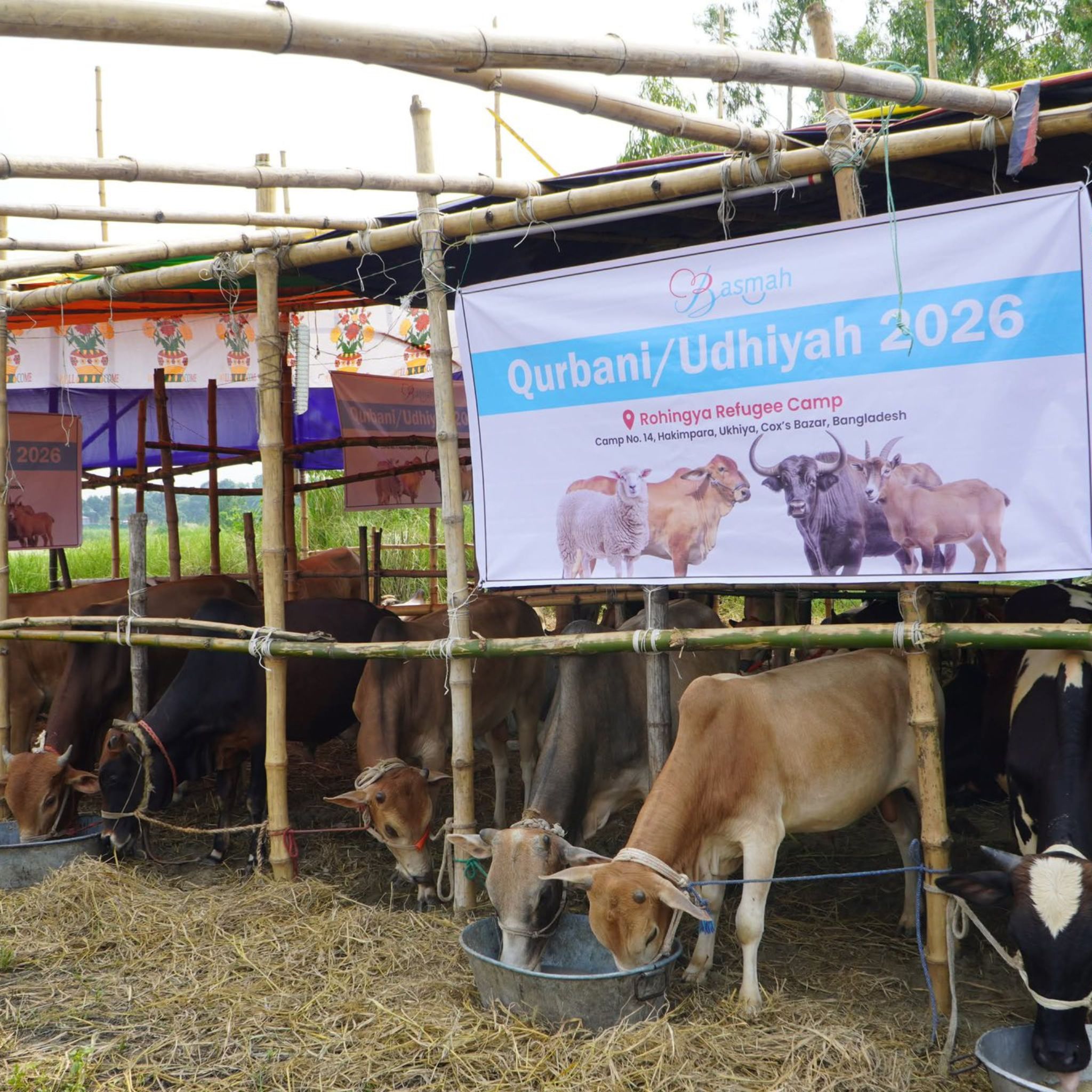
Eligible Animals: Age, Health, and the Wisdom Behind Every Condition

Allah desires excellence, so animals must meet clear standards:

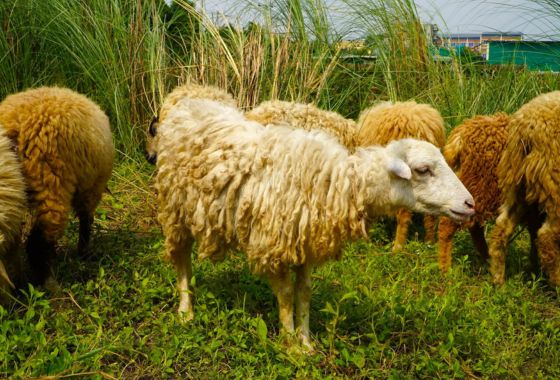
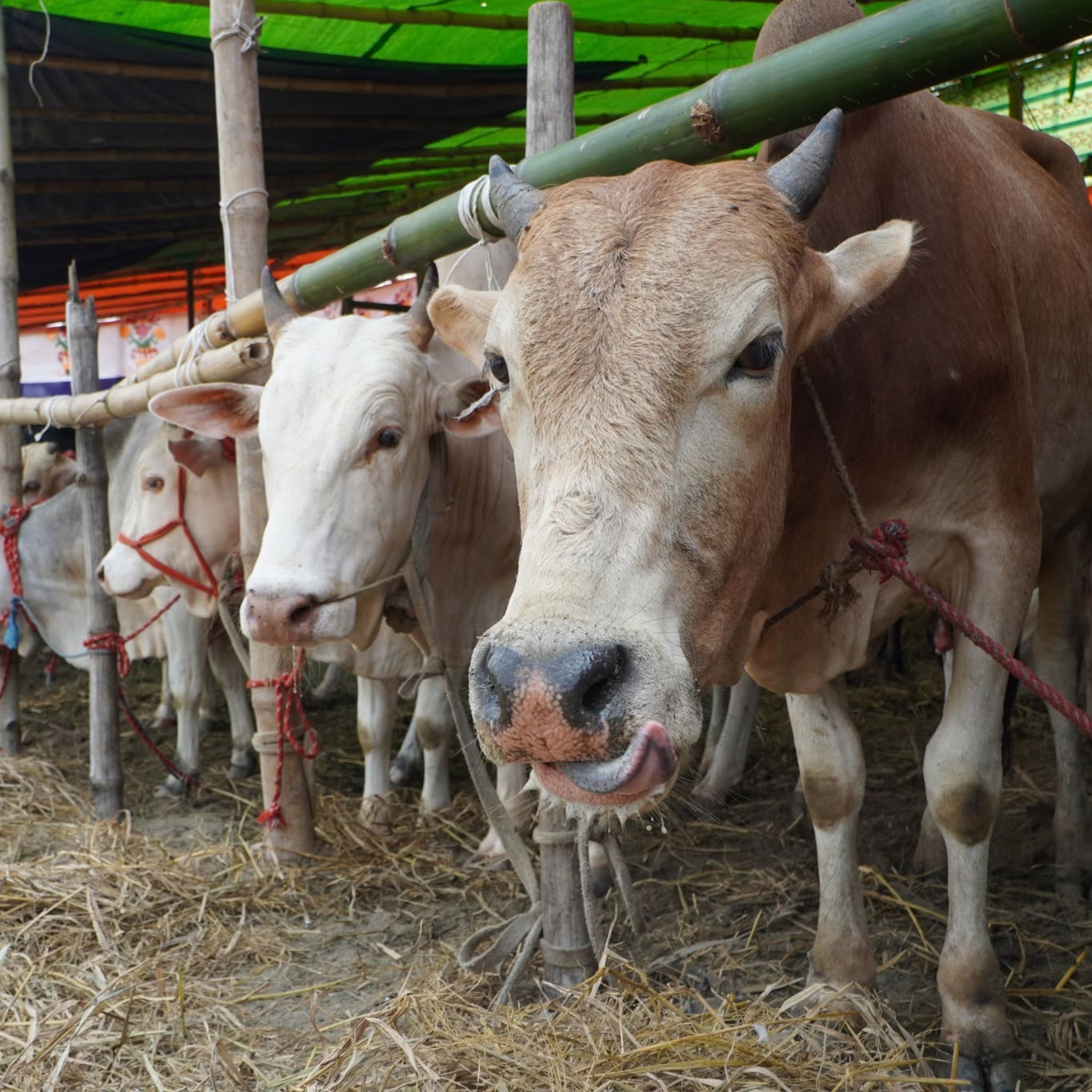
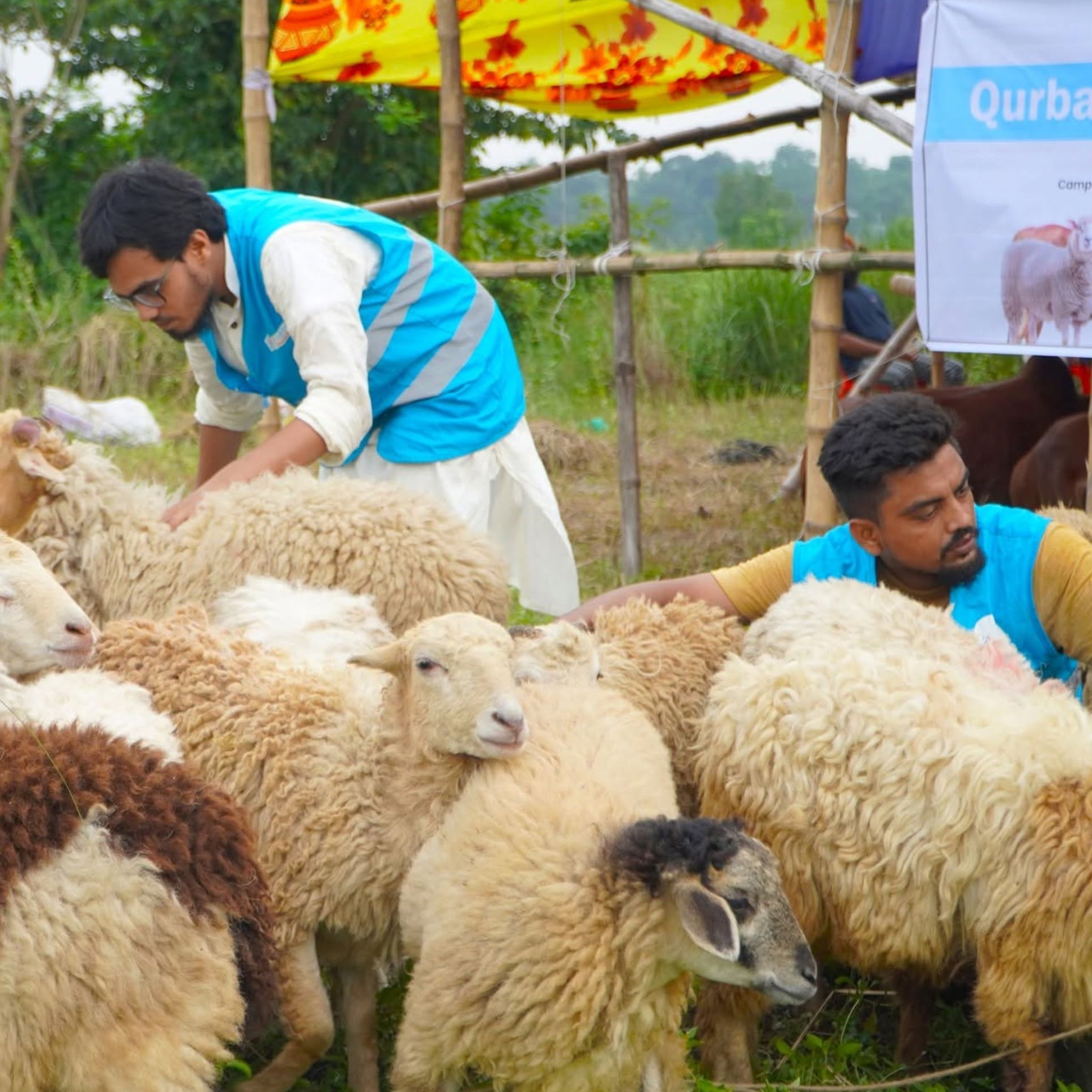
  • Sheep and Goats: At least one year old (one full share per animal).
  • Cows and Buffalo: At least two years old (up to seven shares).
  • Camels: At least five years old (up to seven shares).

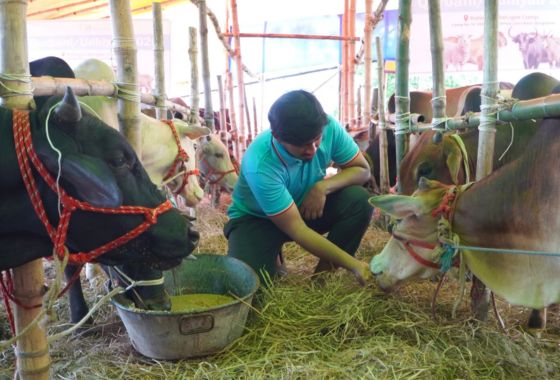
The creature must be healthy and free from major defects:

  • No blindness or serious eye injury.
  • Able to walk normally (no severe lameness).
  • Well-fed, not emaciated or obviously ill.
  • At least half the teeth intact.
  • No more than one-third of the ear or tail are missing.
  • Horns preferably intact (minor issues may be overlooked in some views).

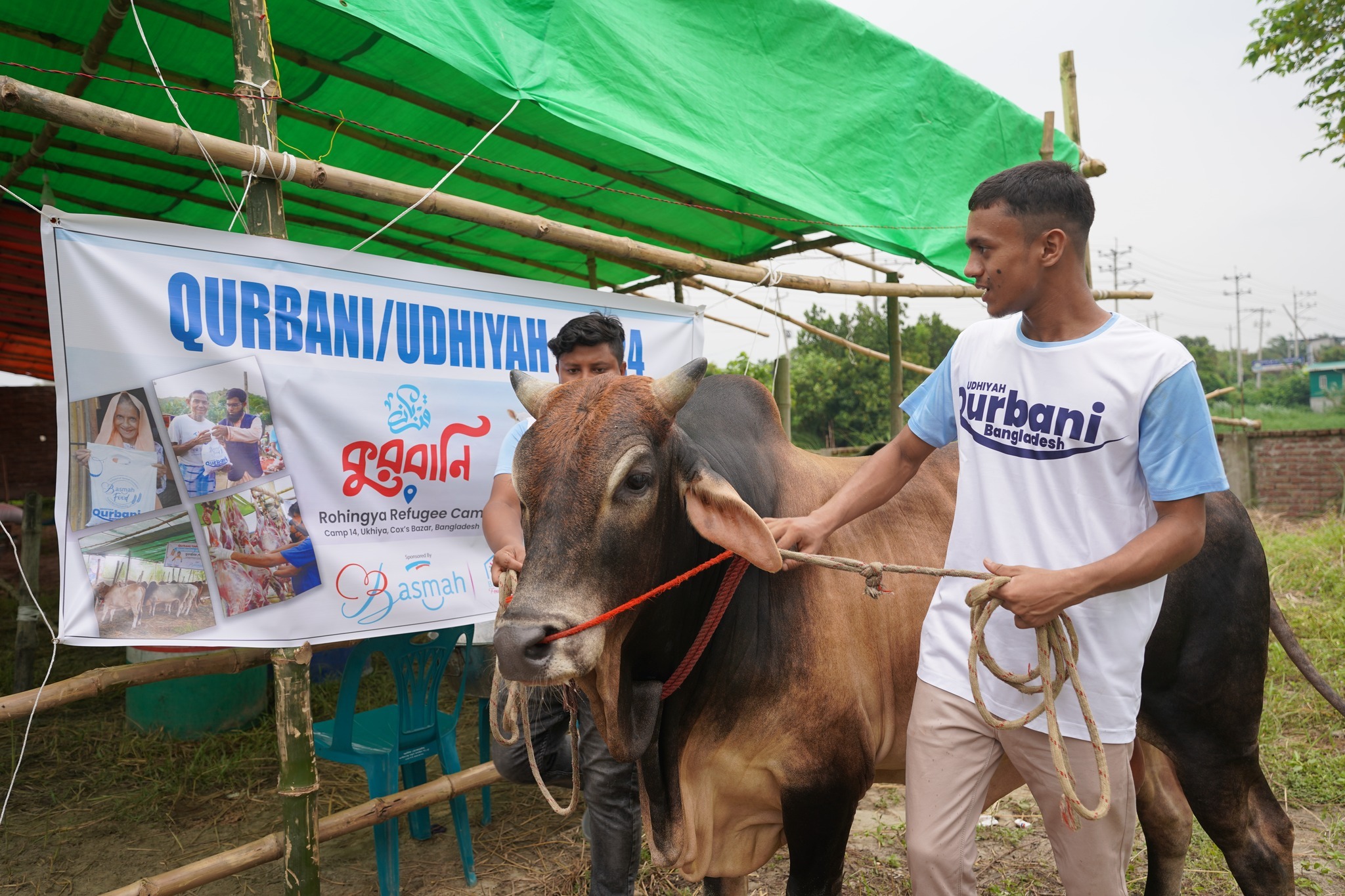
These conditions ensure wholesome meat for the needy and reflect the mercy the Prophet ๏ทบ showed all creation. Male or female animals are acceptable. Choose with careโ€”your intention and the animalโ€™s quality determine much of the barakah.

Iโ€™m on the advisory board of this great organization, Basmah. And Iโ€™m saying to you, from a man on the inside, they do a lot of incredible work. Iโ€™m amazed every day by more and more work; they donโ€™t stop, they never stop.
Imam Siraj Wahhajย ย 

Imam Siraj Wahhaj

Honorary advisor of BASMAH

The Sacred Ritual: How to Perform the Sacrifice with Ihsan

At the moment of slaughter, pronounce clearly: โ€œBismillahi Allahu Akbarโ€ (In the Name of Allah, Allah is the Greatest). Face the Qiblah. Use a sharp knife for a swift, humane cut. Do not sharpen the blade in the animalโ€™s sight. Never let one animal witness anotherโ€™s sacrifice. Treat the creature gently until the end. Allow the body to cool completely before skinningโ€”a final mark of respect.

If you cannot slaughter personally, entrust it to a reliable Muslim while maintaining your clear niyyah (intention): โ€œO Allah, this is from me for Your pleasure alone.โ€

Distribution of Meat: The Beautiful Balance of Gratitude and Compassion

The Sunnah encourages dividing the meat into three portions, though it is recommended rather than strictly mandatory:

  • One-third for your family to enjoy in celebration.
  • One-third for relatives, friends, and neighborsโ€”strengthening bonds.
  • One-third for the poor, orphans, widows, and those in need.

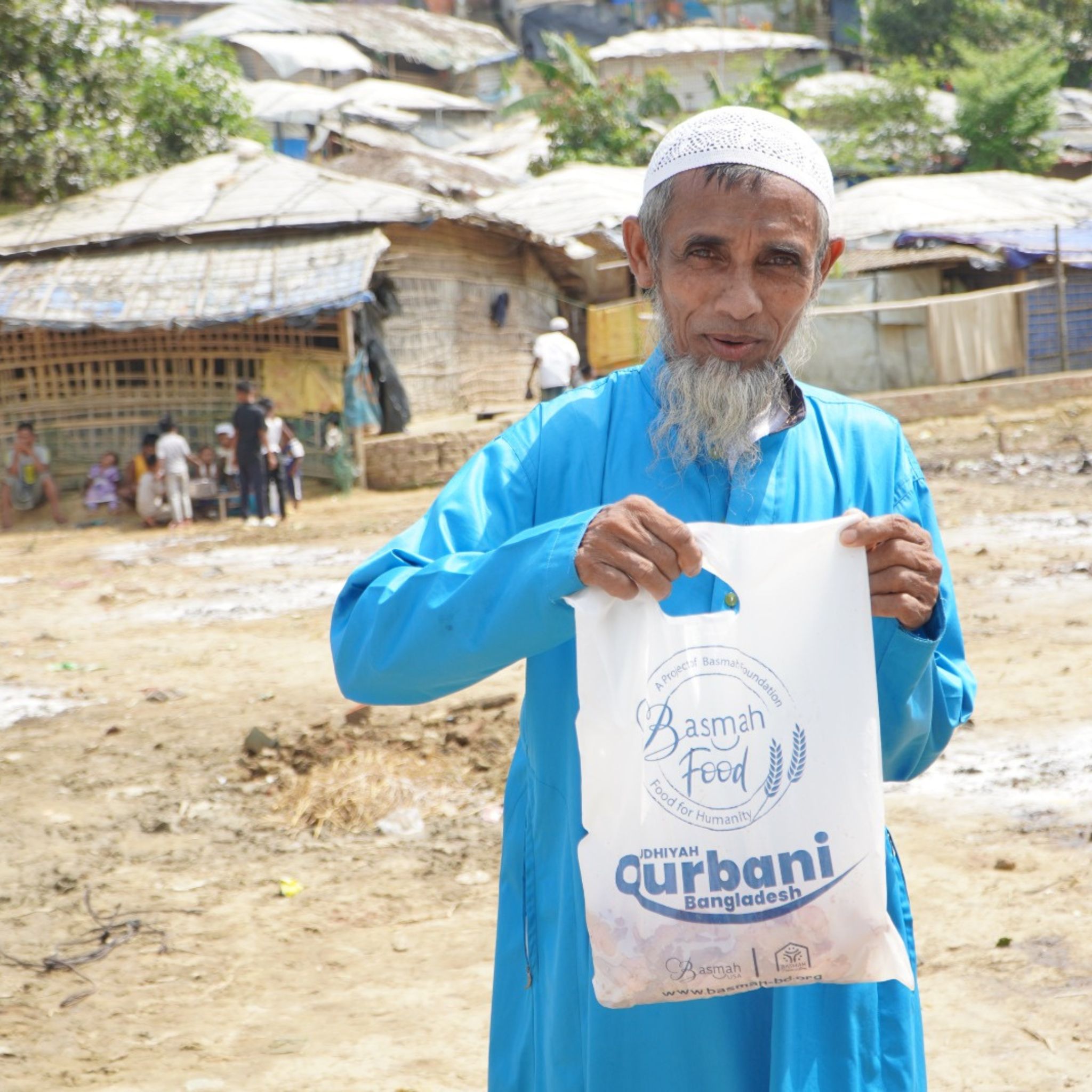
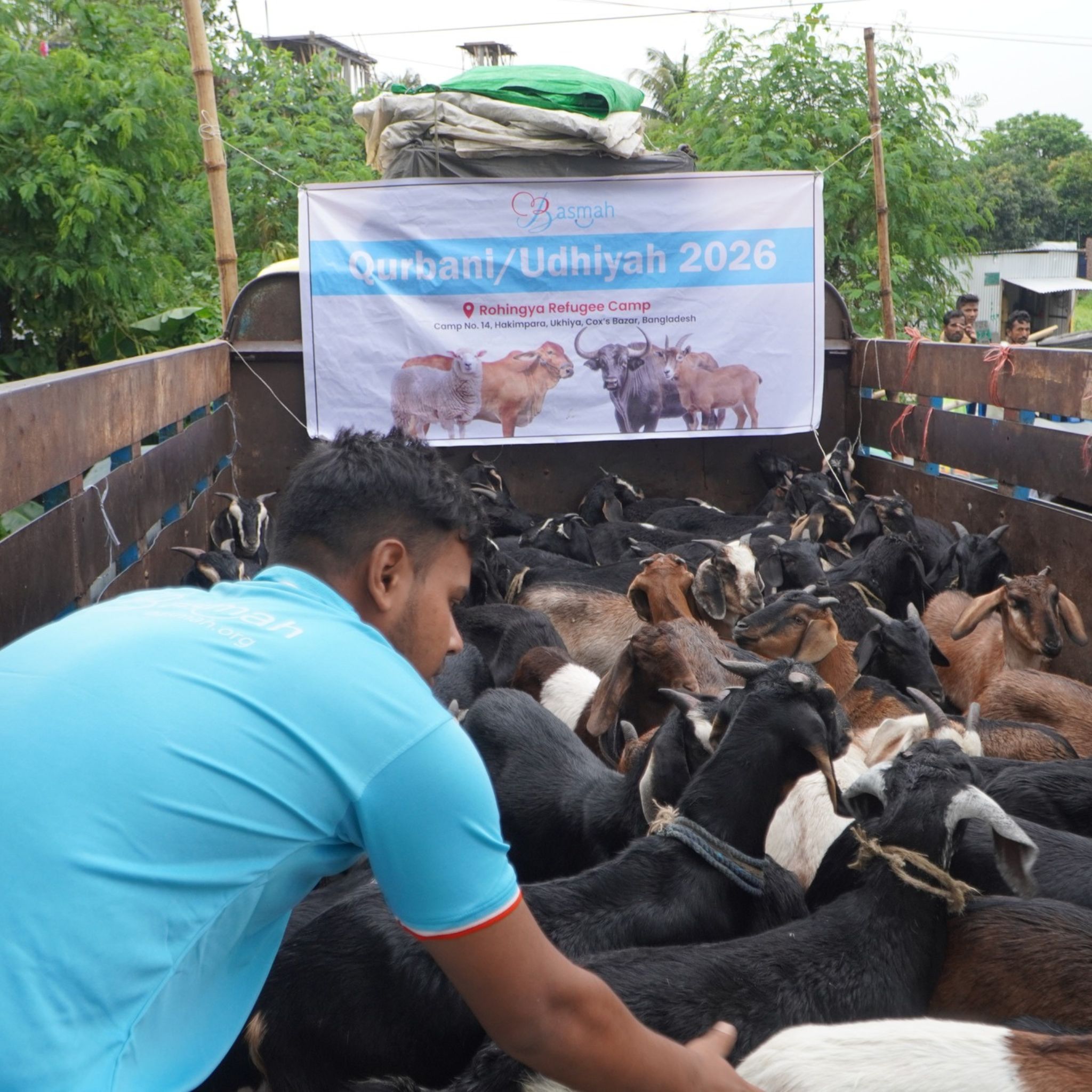
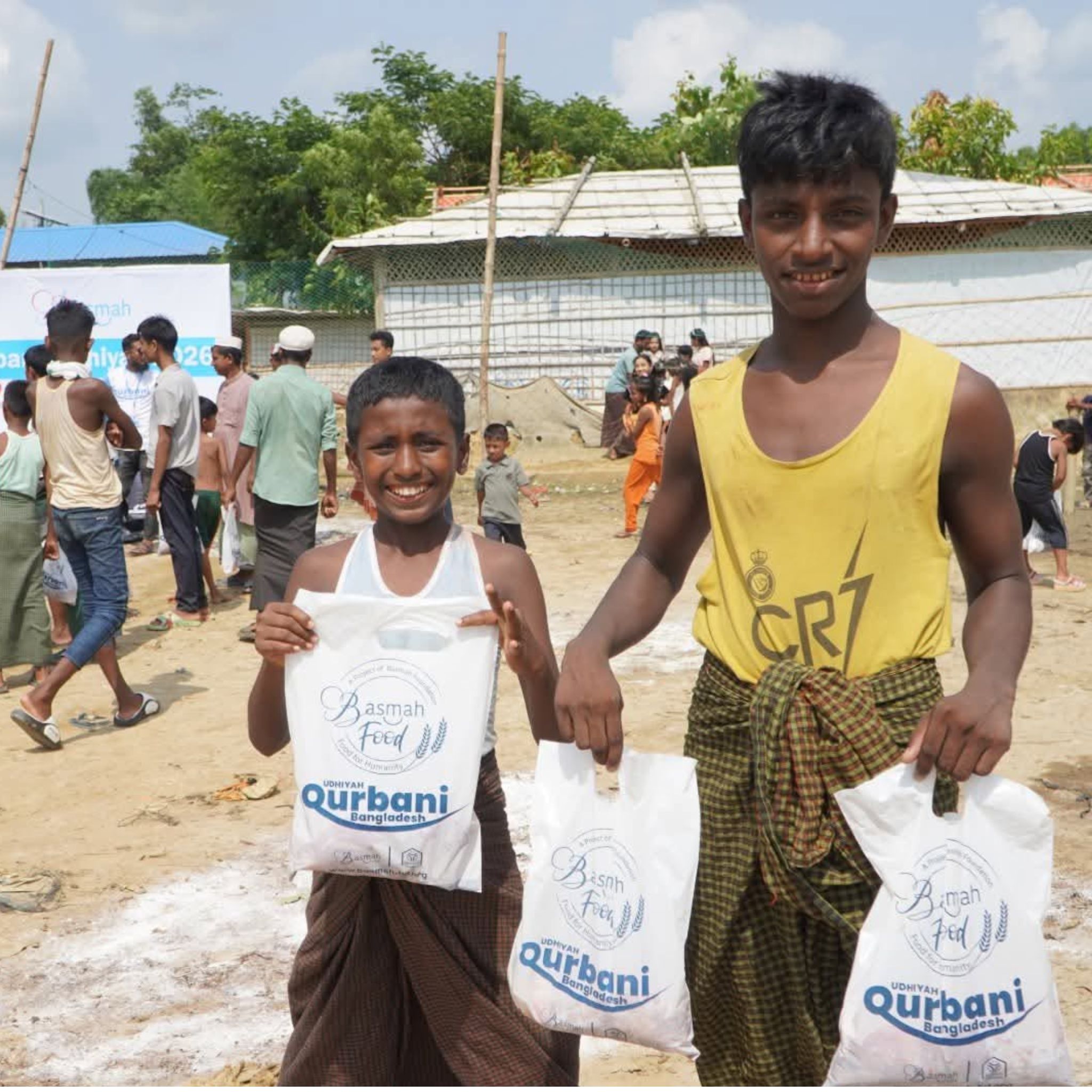
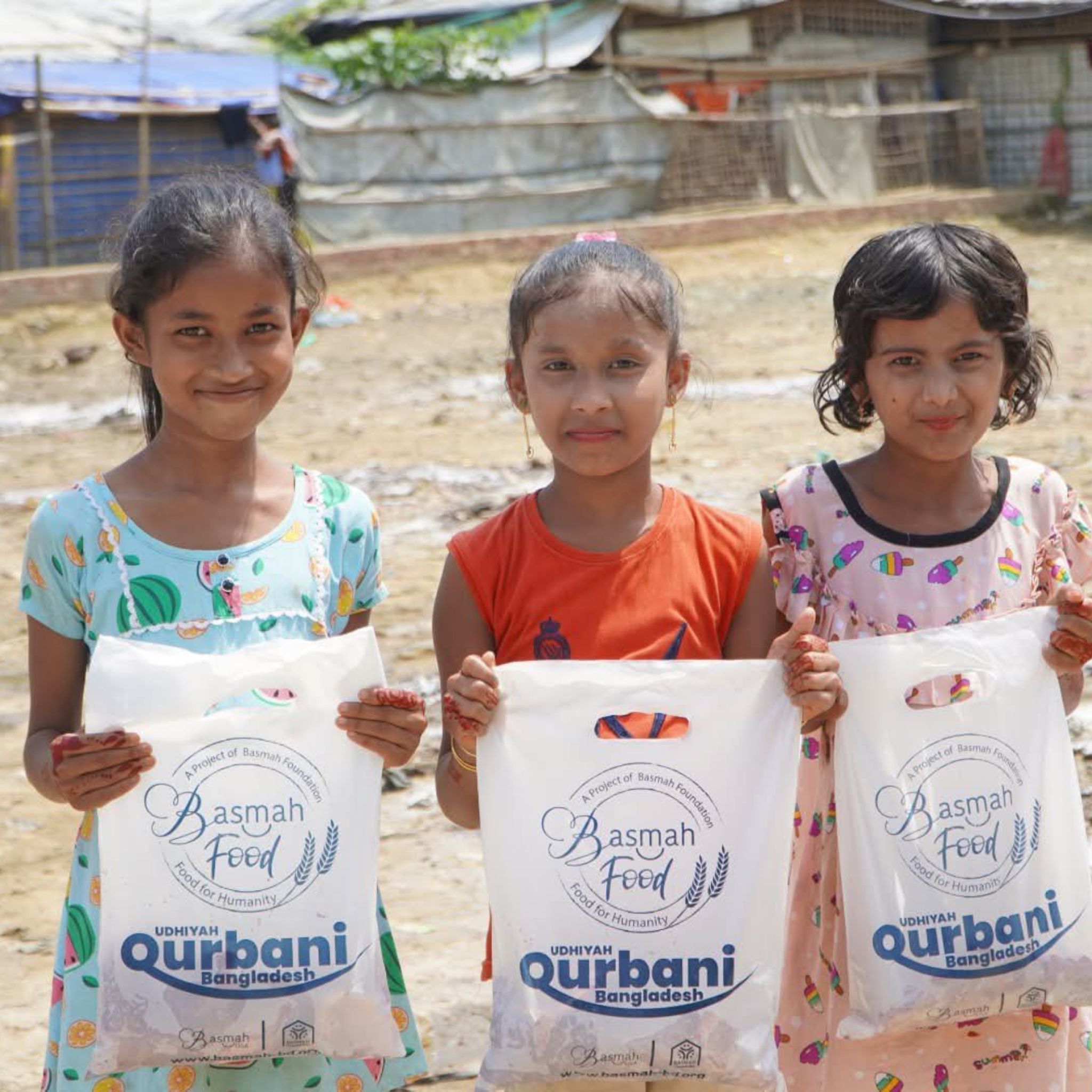
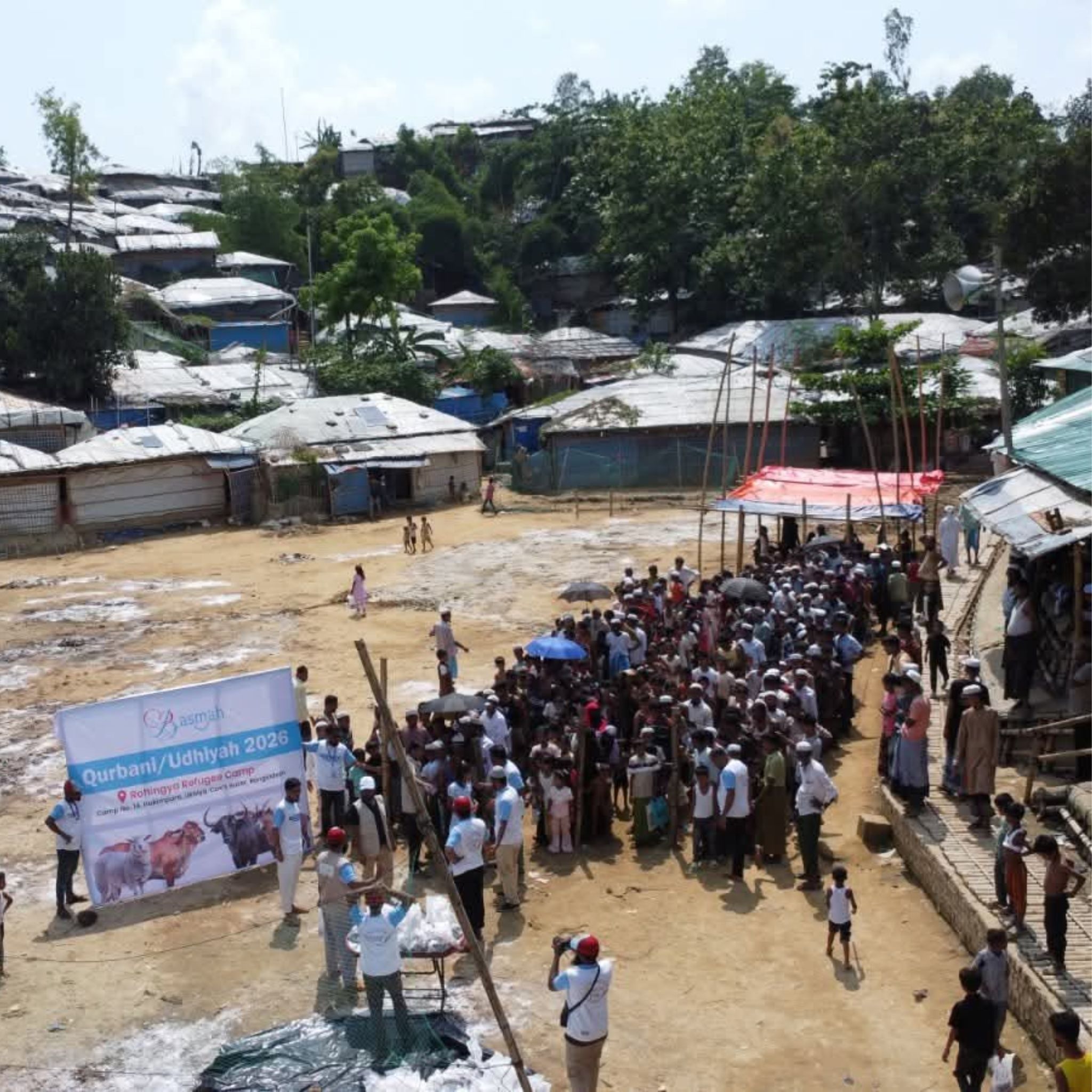
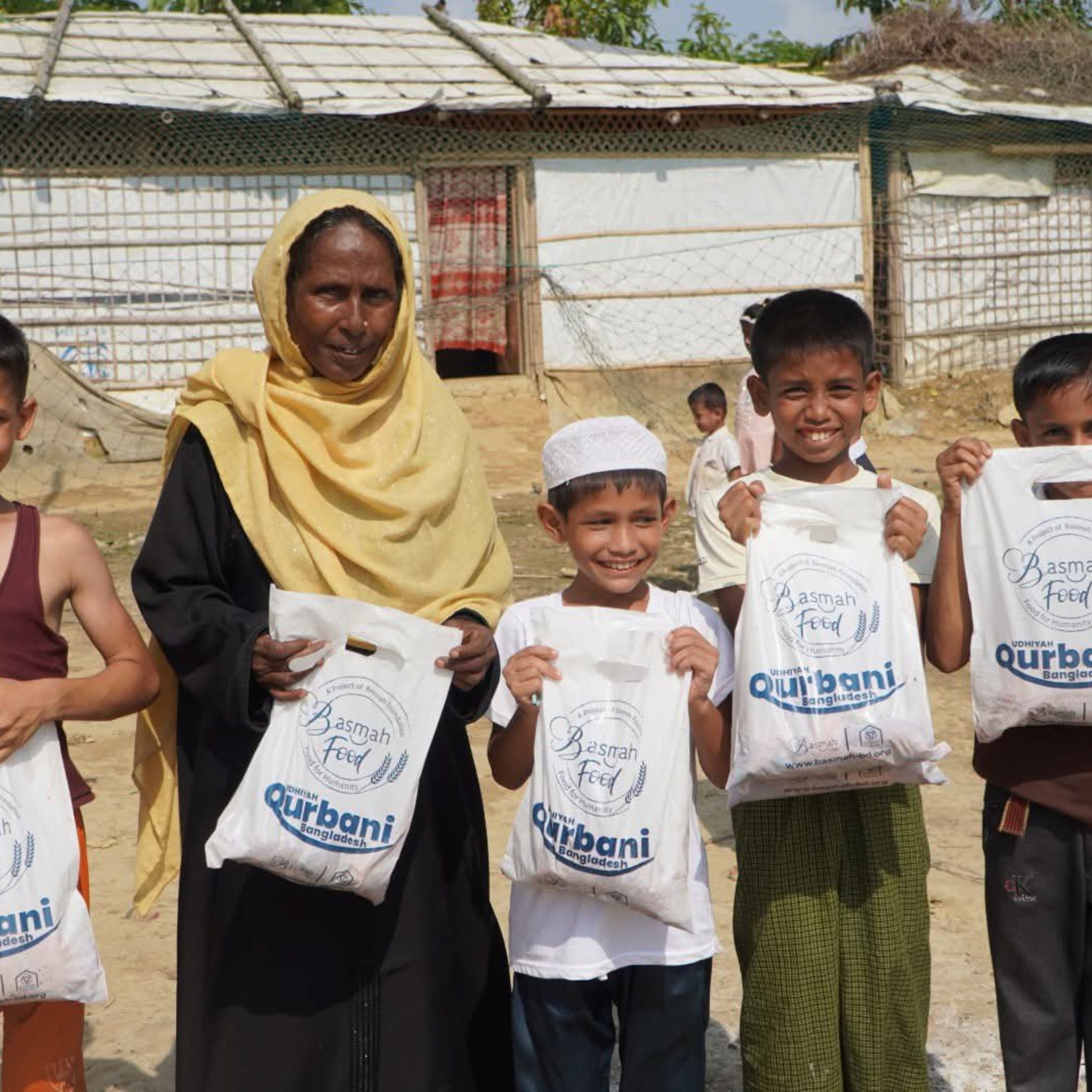
When donating through organizations, the full animal often goes to the most vulnerable, multiplying impact while you still receive complete reward. Share some locally if possible. The more you give to the needy, the greater the barakah.

Who Qualifies to Receive the Meat? Prioritizing the Most Deserving

Priority goes to:

  • Families below the poverty line.
  • Single mothers or female-headed households.
  • Homes with elderly, disabled, or young children.
  • Pregnant and nursing mothers.
  • Communities with limited access to food.

This ensures your sacrifice becomes a lifeline, not just a feast.

Family and Spousal Obligations: Each Soul Stands Individually Before Allah

In the Hanafi school, each eligible adult (husband, wife, grown children) should offer their own share. A large animal (cow or camel) can cover up to seven people, but the reward multiplies when intentions are separate and sincere. Husbands may cover for wives as an act of love, yet personal offerings nurture individual connection with the Divine.

Making Up for Missed Years: The Door of Mercy Remains Open

If previous years were missed due to valid reasons or oversight, many scholars allow compensatory offerings. For example, three missed years plus the current one would mean four shares this year. Intention and effort matterโ€”Allah is the Most Forgiving.

The Dhul Hijjah Restrictions: Nails, Hair, and the Spirit of Surrender

From the sighting of the new moon of Dhul Hijjah until your sacrifice is complete, it is recommended (and in some opinions makruh or disliked) to refrain from cutting hair, trimming nails, or removing skin. This applies to those intending to Qurbani. The wisdom lies in sharing fully in the state of the sacrificial animal, completing the act of devotion together. Many scholars view it as mustahabb (recommended) rather than strictly forbiddenโ€”follow what brings you closer to Allah.

Reaping the Divine Bounty: Why These Ten Days Are Unlike Any Other

The first ten days of Dhul Hijjah surpass even the last ten of Ramadan in virtue of good deeds. Fasting, extra salah, Quran recitation, and generous giving multiply exponentially. Qurbani crowns this period as a pinnacle of worship. Offer with joy, not reluctance. Involve your family. Teach children the story of Ibrahim (AS). Turn planning and distribution into moments of connection and gratitude.

Practical Steps and a Loving Call to Action

  1. Assess your nisab honestly.
  2. Decide shares for yourself, spouse, children, and loved ones (including deceased parents as Sadaqah Jariyah).
  3. Choose trusted channels that follow all rules.
  4. Make sincere niyyah.
  5. Prepare spirituallyโ€”increase worship in these golden days.
  6. Distribute or delegate with care.
  7. Reflect afterward and thank Allah abundantly.

Do not delay. Somewhere a mother prays for her children to taste meat this Eid. An orphan hopes for dignity. Your single share can become their answered dua and your heavy weight on the scales of Akhirah.

May Allah accept every Qurbani offered with sincerity. May it wash away shortcomings, multiply your rizq, protect your family, and grant you and the entire Ummah the highest stations in Jannah. May the barakah of these blessed days envelop your home like gentle rain, nourishing faith for generations.

O Allah, accept from us as You accepted from Ibrahim and Your beloved Prophet ๏ทบ. Unite our hearts, feed the hungry through our hands, and enter us into Your Paradise with the righteous. Ameen ya Rabb al-Alameen.

Take that step today. The path of sacrifice is the path of love. Walk it with an open heart, and watch endless mercy unfold. Your Qurbani is not just meatโ€”it is your story of devotion, written in obedience and sealed with divine pleasure.

ย 

Related Posts

Share this post

ZAKAH CALCULATOR

Deductions

Totals