...

Rules of Cow Qurbani

Cow Qurbani

Rules of Cow Qurbani

Qurbani of a Cow

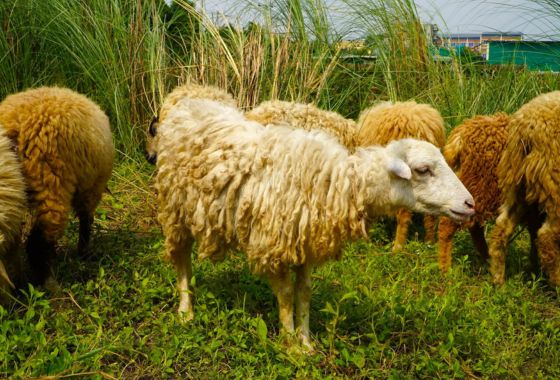
Every year, Muslims worldwide slaughter an animal (goat, sheep, cow, or camel). After Eid al Adha prayers, between the 10th and 12th days of Dhul Hijjah, the final month of the Islamic calendar.

According to our Prophet, Ibrahim sacrificed his son Ismail for the sake of Allah, our Prophet Muhammad (๏ทบ) would offer his Qurbani and then offer another on behalf of his ummah and those that could not afford to do it themselves.

On the authority of Kathir bin Abdullah, it is reported that Prophet Muhammad (saw) said,

โ€œWhoever revives a Sunnah of mine that dies out after I am gone, he will have a reward equivalent to those among the people who act upon it, without detracting from their reward in the slightest.โ€ (Ibn Majah)

Embracing Sacrifice with a Generous Heart: Your Complete Guide to Cow Qurbani Rules, Blessings, and the Path to Eternal Barakah
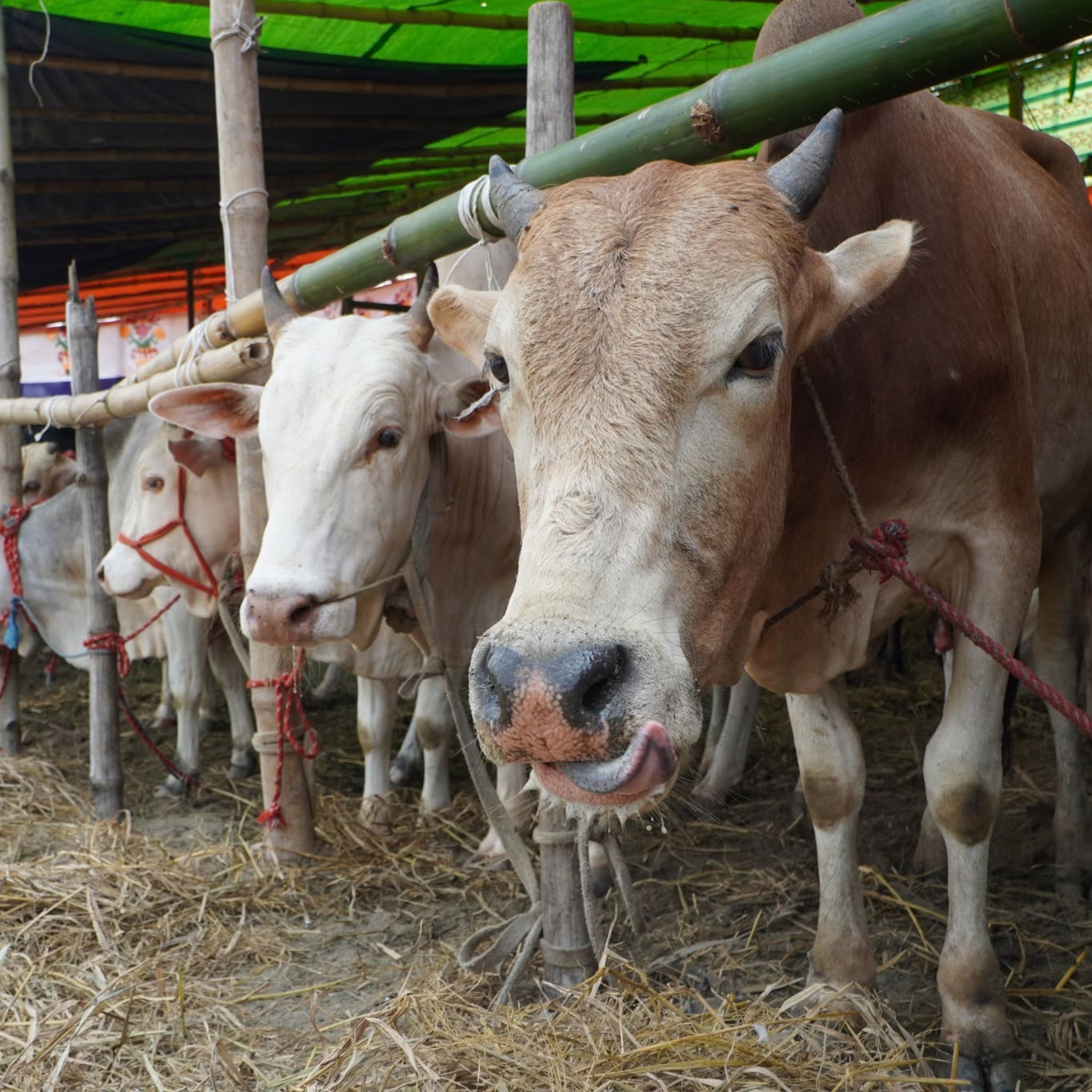
May your every share in this noble act flood your home with divine mercy, strengthen the Ummah, and open wide the gates of Jannah for you and your loved ones

In the luminous days of Dhul Hijjah, when the air itself seems thick with the whispers of devotion, Muslims around the globe turn their attention to one of the most profound acts of worship: Qurbani. Among the choices available, cow Qurbani holds a special placeโ€”majestic in scale, rich in impact, and deeply rooted in the Sunnah. It is not merely the slaughter of an animal but a heartfelt declaration of submission, gratitude, and compassion. This comprehensive guide illuminates every rule, wisdom, and hidden blessing so your offering ascends as pure taqwa to the Creator, while nourishing bodies, mending communities, and storing treasures for the Akhirah.

The Timeless Echo of Ibrahim (AS): Why Cow Qurbani Still Moves Hearts Today

Long ago, in a trial that defines ultimate trust, Allah commanded Prophet Ibrahim (peace be upon him) to sacrifice his beloved son Ismail. Father and son both surrendered with full hearts. At the last moment, a ram from heaven took the place, teaching humanity that true sacrifice is about inner surrender rather than loss. This event echoes in every Eid al-Adha celebration. The Prophet Muhammad ๏ทบ revived and perfected this Sunnah, often offering extra sacrifices on behalf of his Ummah, including those who could not afford it.

One companion narrated that the Prophet ๏ทบ said: โ€œWhoever revives a Sunnah of mine that dies out after I am gone, he will have a reward equivalent to those among the people who act upon it, without detracting from their reward in the slightestโ€ (Ibn Majah). When you perform cow Qurbani, you do more than fulfill a dutyโ€”you breathe fresh life into this prophetic legacy. Your act joins the river of obedience flowing from the time of Ibrahim through every generation of believers.

Imagine a modest home where a father gathers his children before Eid. He explains how the cow they are sacrificing represents willingness to let go for Allahโ€™s sake. The children watch, learn, and grow up understanding that faith demands action. These moments plant seeds of generosity that bloom across lifetimes.

Who Should Offer Cow Qurbani? The Gentle Invitation from the Most Merciful

Qurbani becomes obligatory (wajib in the Hanafi school) or highly recommended (Sunnah Muโ€™akkadah in others) for every sane, adult Muslim who possesses wealth above the nisab thresholdโ€”approximately the value of 87.48 grams of gold or 612 grams of silver, after covering basic needs and debts. If you are eligible for Zakat, you are generally expected to offer Qurbani.

This is no burden but a beautiful opportunity. Allah knows your financial realitiesโ€”the rising costs of living, family responsibilities, and uncertain times. Yet He opens this door of multiplied reward precisely during the most blessed ten days of the year. A single parent stretching resources, a young couple saving carefully, or an established family with meansโ€”all find their place in this mercy. Children before puberty carry no obligation, yet many loving parents offer shares in their names, storing barakah and protection for their little onesโ€™ future.

Husbands and wives often perform separate offerings when able, each nurturing their individual bond with Allah. Yet flexibility exists: a couple may share in a cow, each taking their portion with full reward. Extended families pool resources, turning planning into joyful gatherings filled with dua and shared purpose.

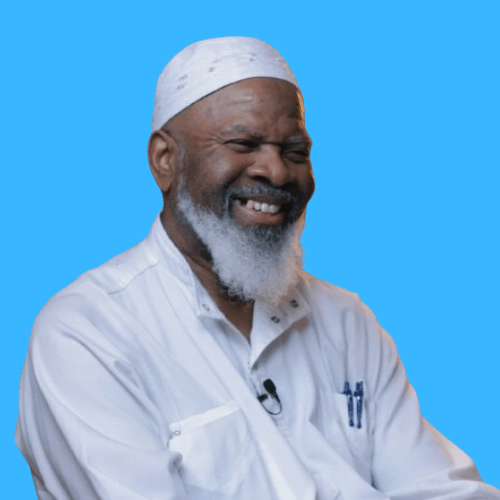
Iโ€™m on the advisory board of this great organization, Basmah. And Iโ€™m saying to you, from a man on the inside, they do a lot of incredible work. Iโ€™m amazed every day by more and more work; they donโ€™t stop, they never stop.
Imam Siraj Wahhajย ย 

Imam Siraj Wahhaj

Honorary advisor of BASMAH

The Wisdom in Choosing a Cow: Abundance, Community, and Greater Impact

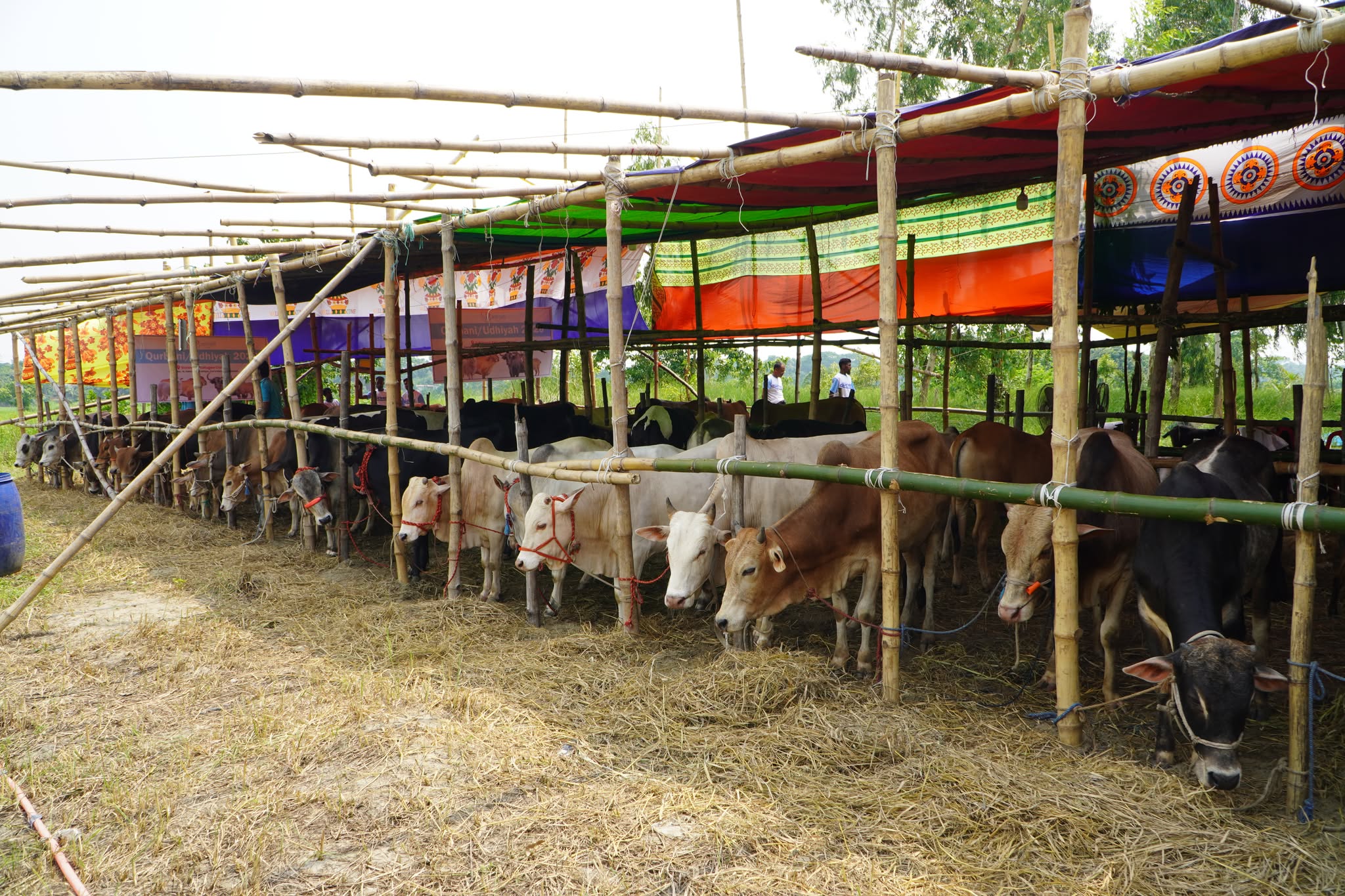
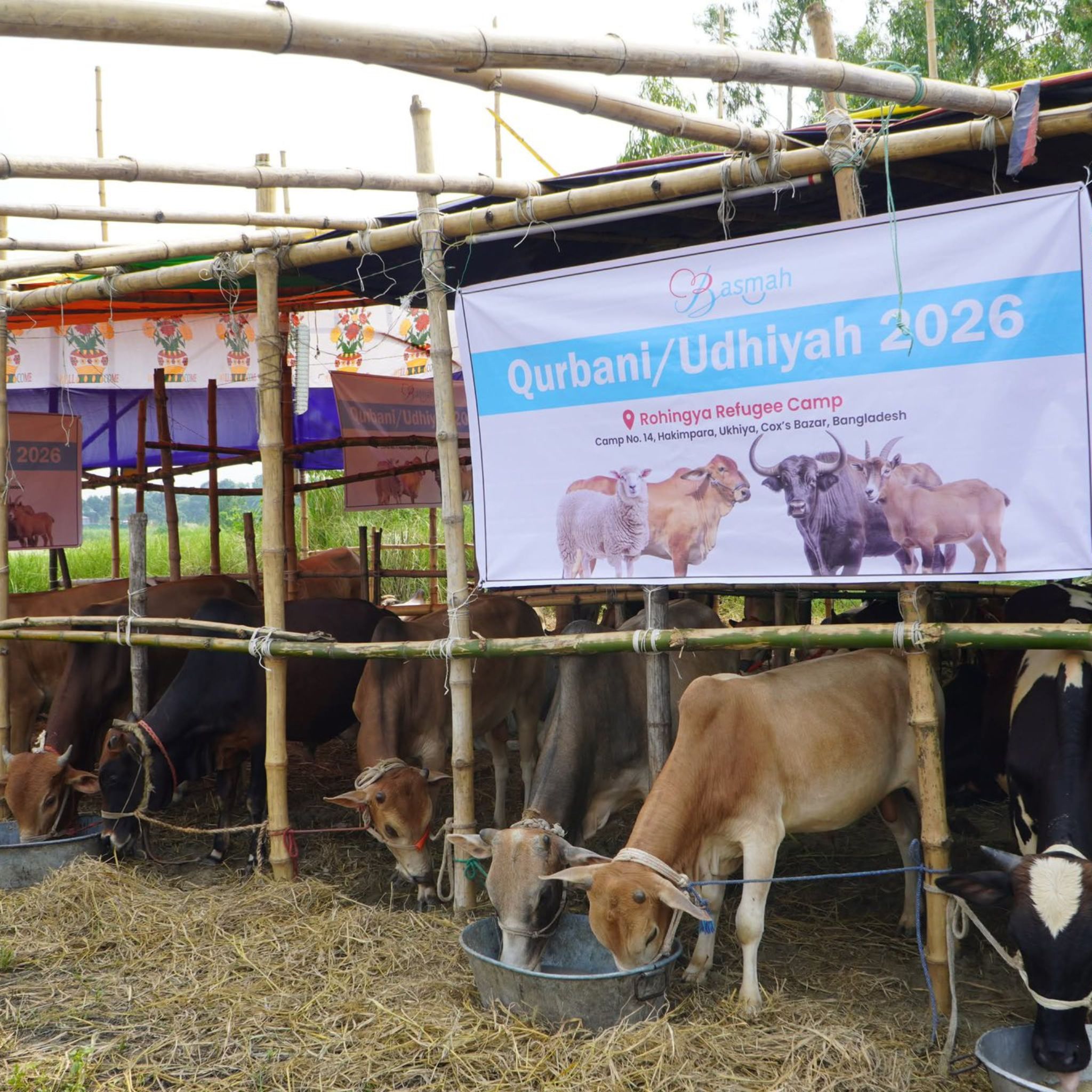
Why a cow over a goat or sheep? A single healthy cow fulfills the Qurbani for up to seven people, making it ideal for families, friends, or community groups. One animal yields far more meatโ€”enough to feed dozens of needy familiesโ€”turning your sacrifice into widespread Sadaqah that ripples through the Ummah.

Compared to seven individual goats, a cow often proves more cost-effective per share while providing richer nutrition. The larger scale creates communal moments: neighbors coordinating, meat distributed in villages, smiles spreading across faces that rarely see such abundance. Scholars note that while a personal goat carries its own beauty of individual devotion, a shared cow multiplies the reach of compassion, feeding more hungry bellies and earning ongoing rewards as long as people benefit.

The Prophet ๏ทบ himself sacrificed cows and camels, showing the excellence of larger offerings when possible. One narration mentions him sacrificing cows on behalf of his wives during Hajj, highlighting care for family and Ummah alike.

Precise Rules for a Valid Cow: Age, Health, and Excellence That Please Allah

Allah desires the best from us, so clear guidelines ensure acceptance:

  • Minimum Age: A cow or buffalo must be at least two years old. Younger animals do not qualify. This ensures the creature has reached maturity and provides wholesome meat.
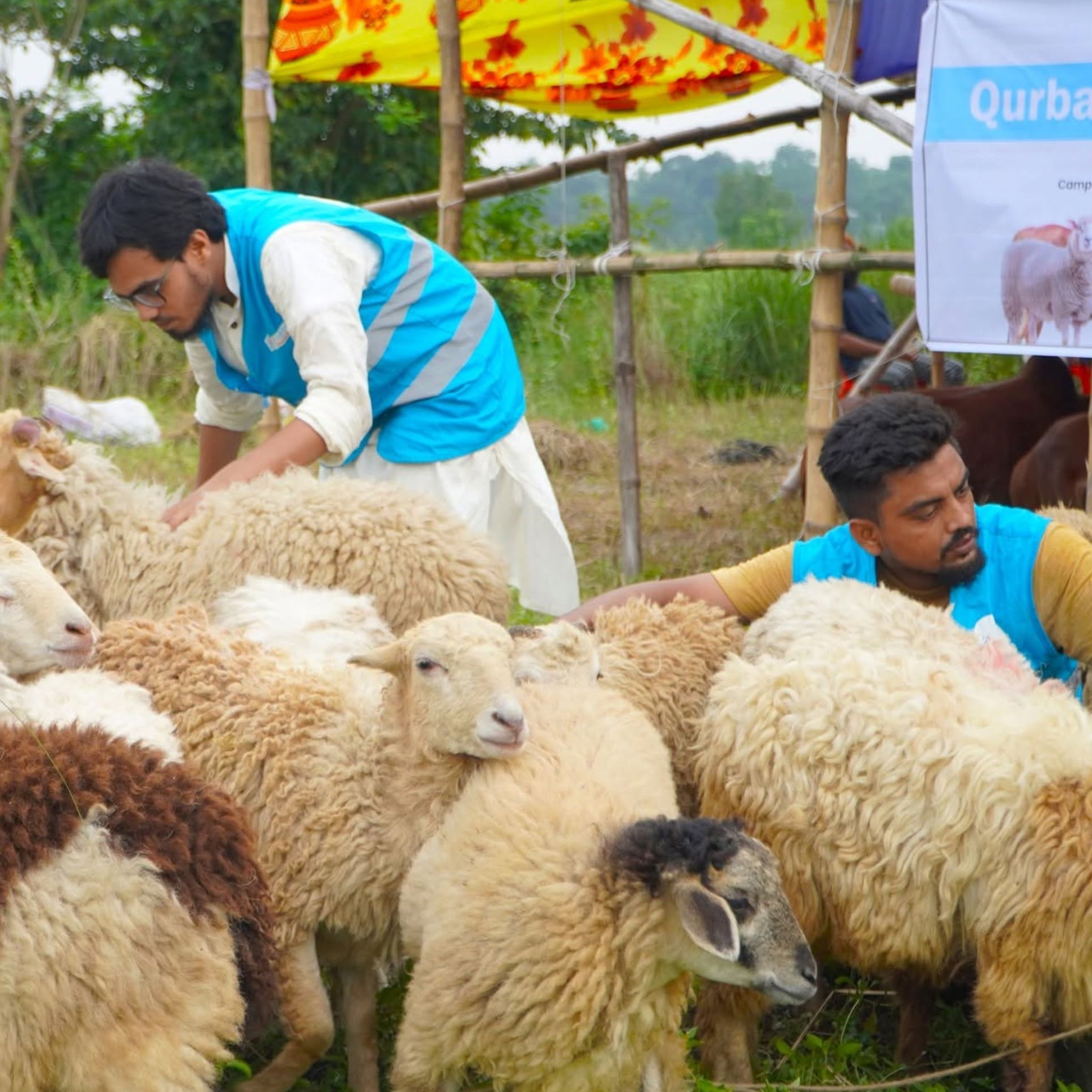
  • Health and Physical Condition: The animal must be free from major defects. It should have clear vision (no blindness or serious eye injury), intact teeth (at least half), ears and tail not missing more than one-third, and the ability to walk normally without severe lameness. It must appear well-fed and strongโ€”no emaciation or obvious sickness.

These conditions reflect mercy toward creation and guarantee quality meat for the poor. Choose animals that lived with care, mirroring the kindness the Prophet ๏ทบ taught: โ€œVerily Allah has prescribed ihsan (excellence) in everything.โ€

Defective animalsโ€”those that are blind, severely injured, lame to the point of inability to reach the slaughter place, or extremely thinโ€”do not fulfill the obligation. Always verify through trusted sources, whether local farms or established charities.

How Shares Work: One Cow, Seven Pathways to Barakah

This beautiful system makes excellence accessible. A single cow divides into seven equal shares, each counting as a complete Qurbani. You may:

  • Sponsor one share for yourself.
  • Purchase multiple shares for family members, living or deceased parents (as Sadaqah Jariyah), or children.
  • Join with six others to share the full animal.
  • Buy the entire cow for multiplied personal reward.

Each participant receives full spiritual benefit when the intention is pure. This fosters unityโ€”seven intentions rising together, seven portions reaching the vulnerable. Families often buy several shares in one cow, creating shared memories and stronger bonds.

Sacred Slaughter: Performing with Mercy, Precision, and Reverence

The act itself must embody ihsan. Key rules include:

  • Use a sharp knife for a swift, humane cutโ€”dull blades cause unnecessary suffering, which Islam strictly forbids.
  • Do not sharpen the knife in the animalโ€™s presence.
  • Slaughter one animal at a time; never let one witness anotherโ€™s sacrifice.
  • Pronounce clearly: โ€œBismillahi Allahu Akbarโ€ at the exact moment of cuttingโ€”no other words.
  • Face the Qiblah if possible.
  • Be present if you can; otherwise, entrust to a reliable person.
  • Allow the body to cool completely before skinningโ€”a final gesture of respect.

The Prophet ๏ทบ emphasized gentleness: โ€œWhen you slaughter, slaughter well.โ€ These details transform the physical act into profound worship.

Distribution of Meat: The Division That Multiplies Mercy

Tradition encourages dividing the meat into three equal parts:

  • One-third for your family to enjoy in celebration.
  • One-third for relatives, friends, and neighborsโ€”strengthening ties.
  • One-third for the poor, orphans, widows, and those in hardship.

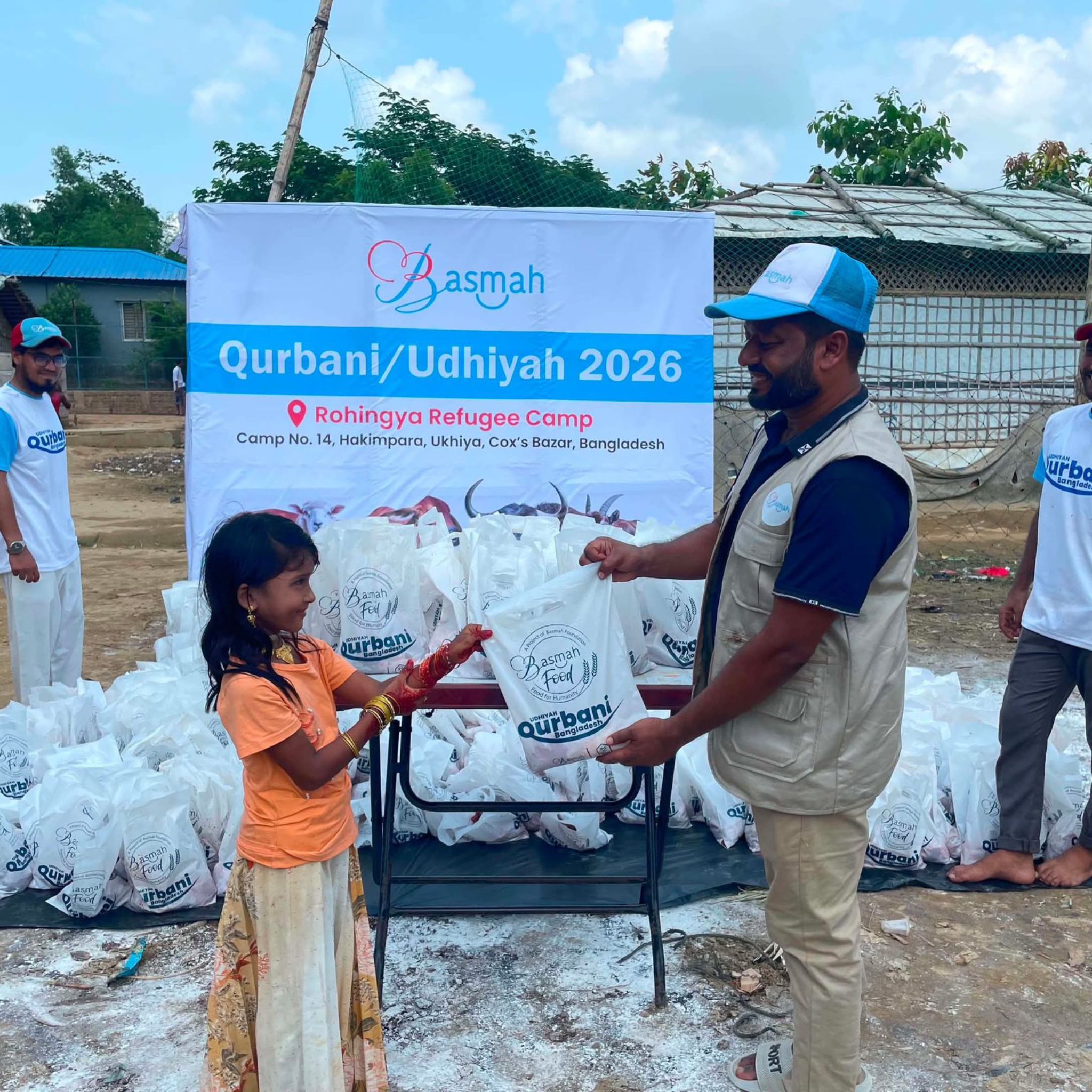
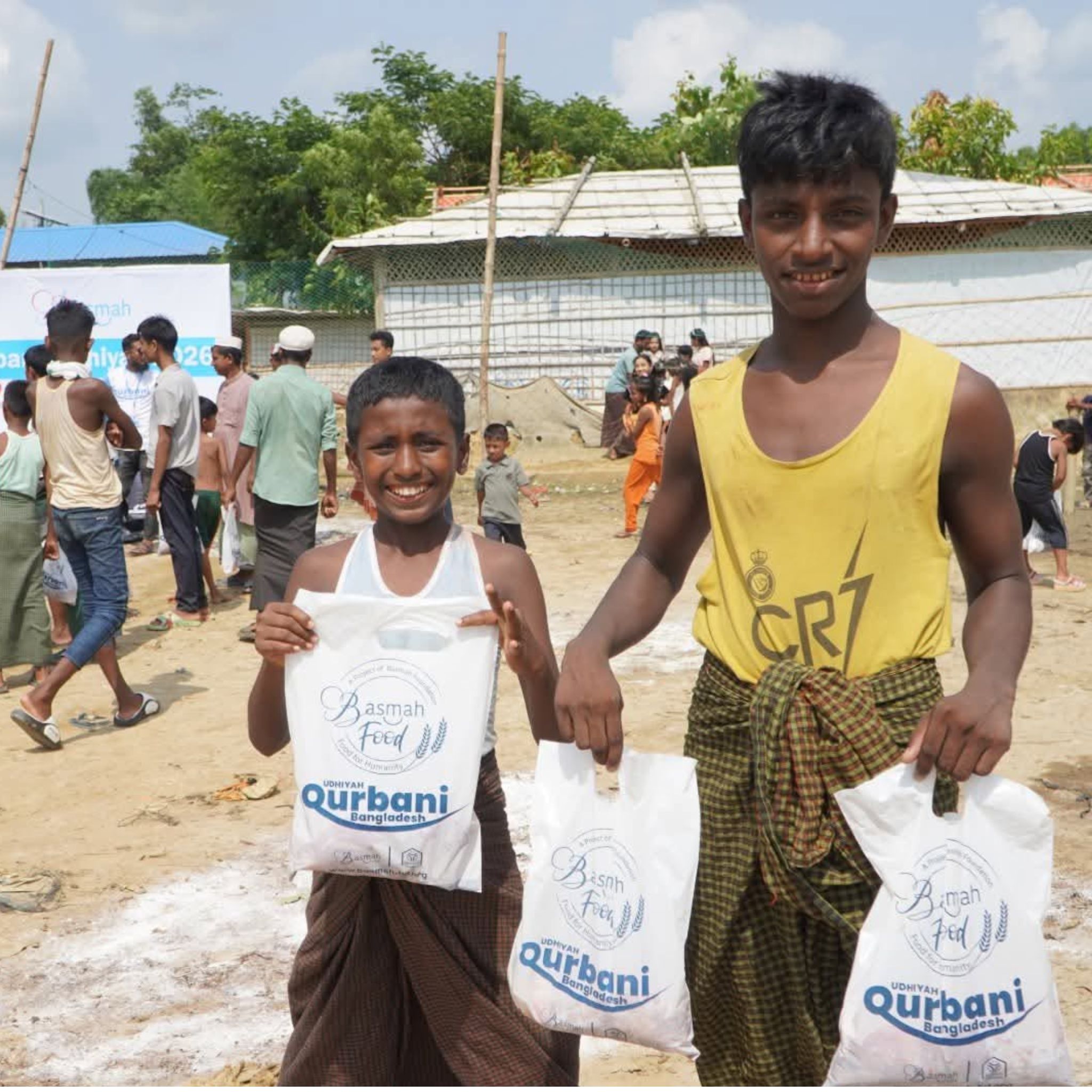
Flexibility exists according to need, but this pattern ensures balanced benefit. In practice, charities handling overseas Qurbani often distribute the needy portion directly in high-impact areas, while you receive updates or local shares.

Real Costs and Modern Ease: Making Cow Qurbani Accessible Worldwide

Prices vary by region, quality, and organization. A full cow might range from several hundred to over a thousand dollars depending on location (e.g., more affordable shares in Bangladesh or Pakistan, higher in Western countries for local slaughter). One share often starts around $70โ€“$150, making it reachable for many.

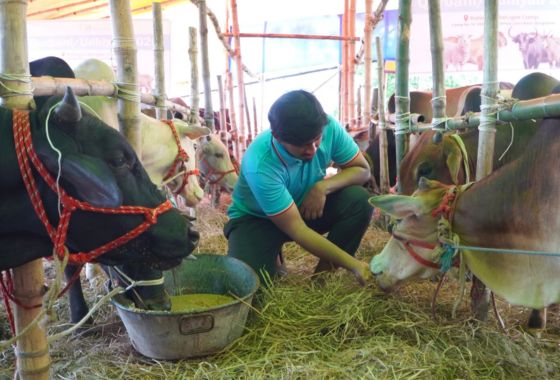
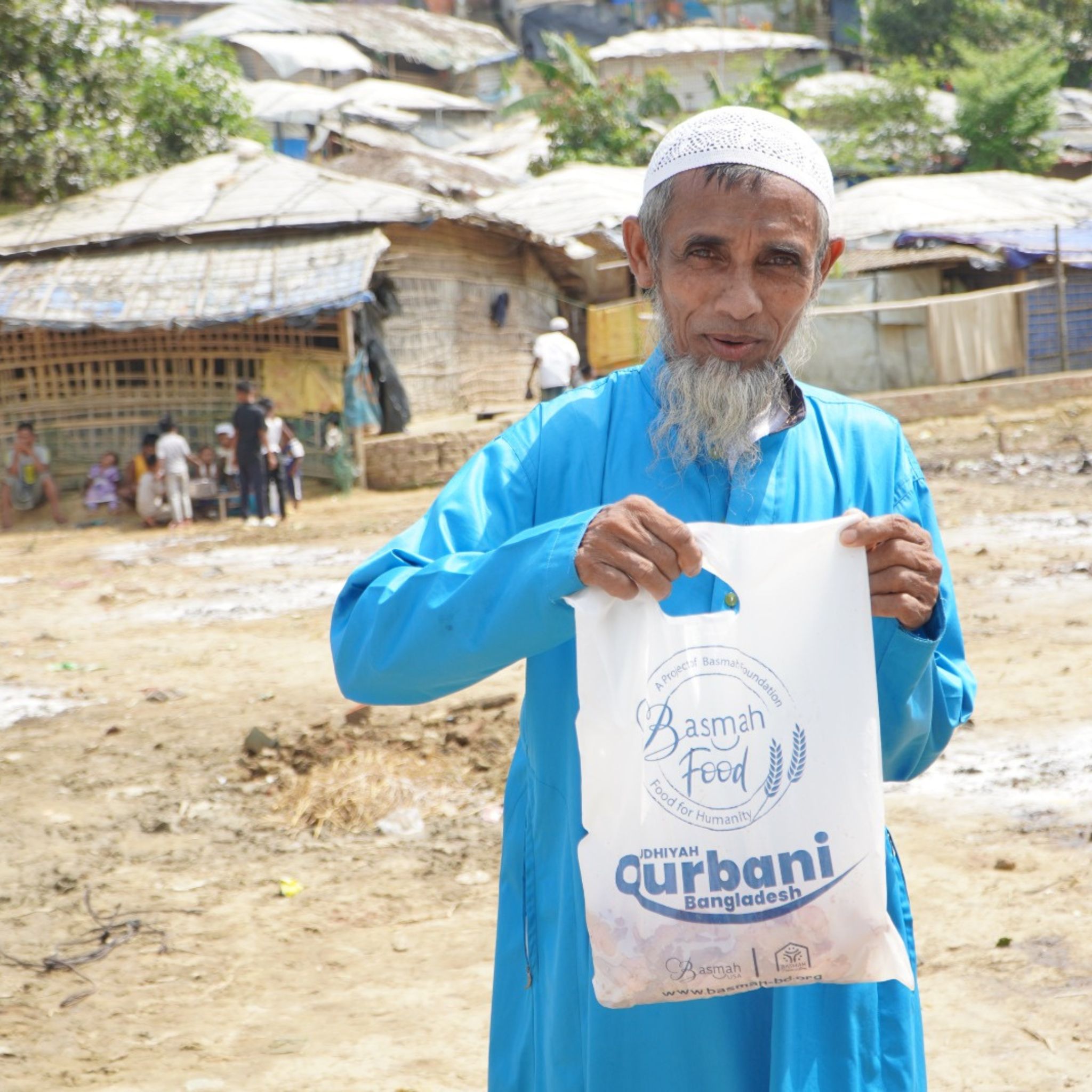
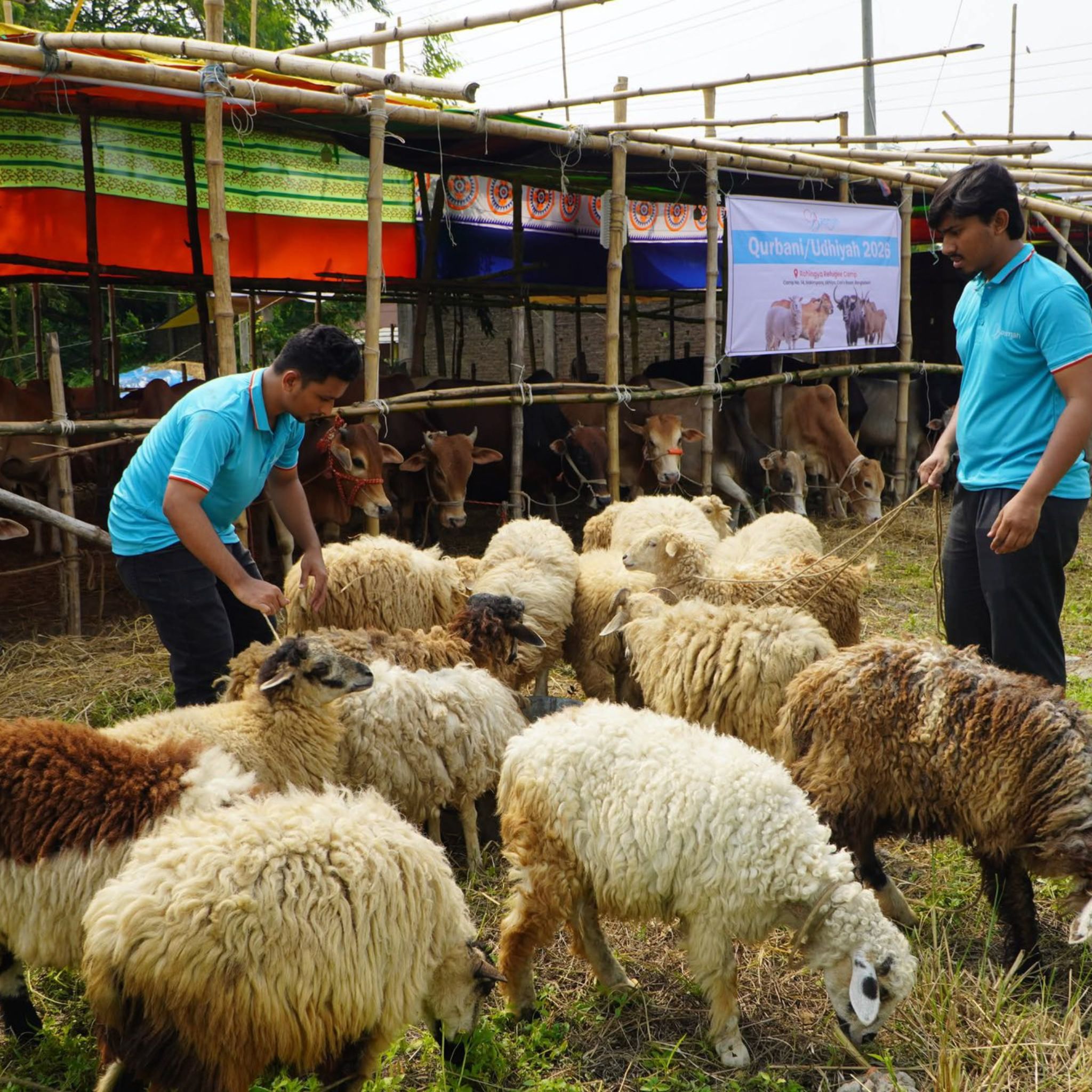
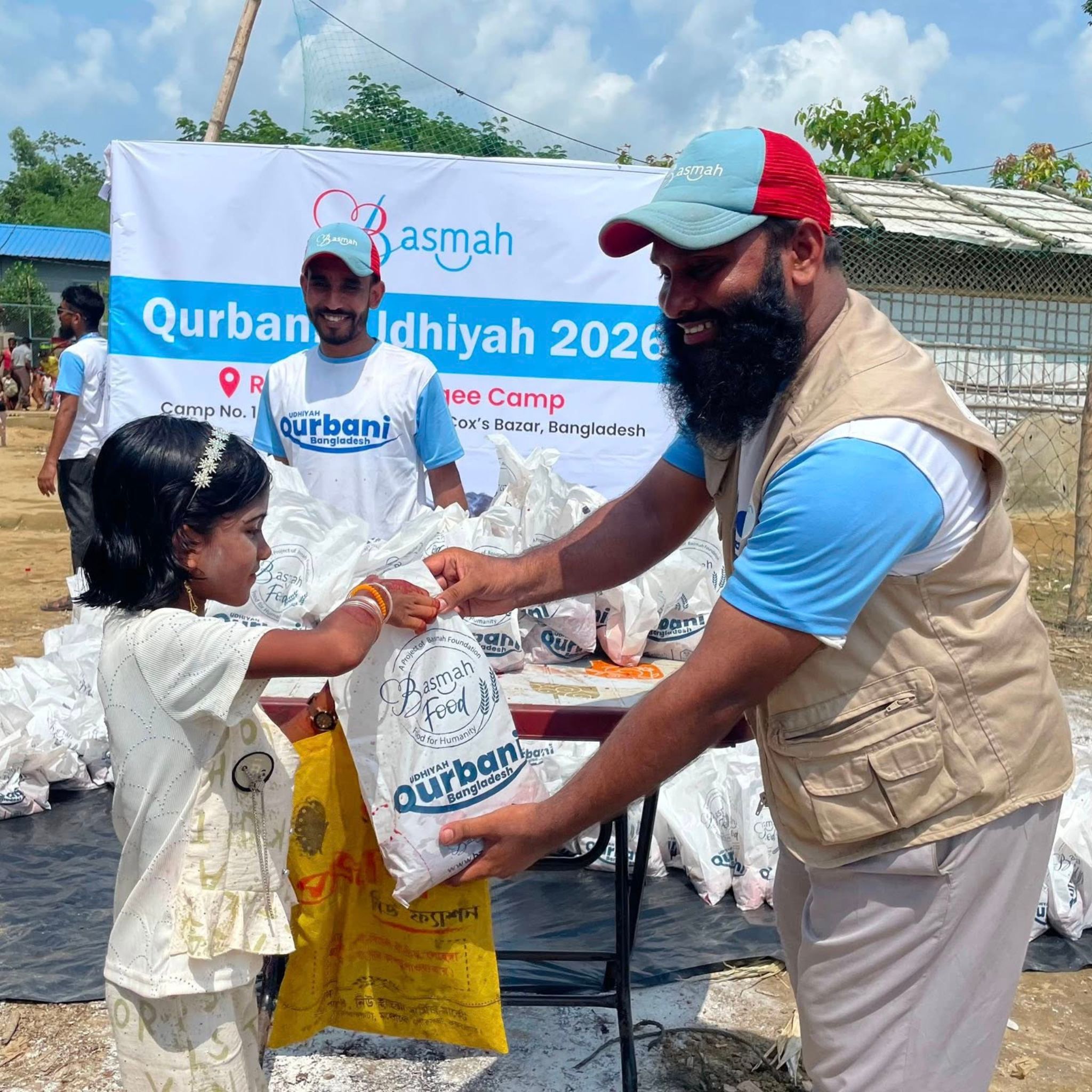
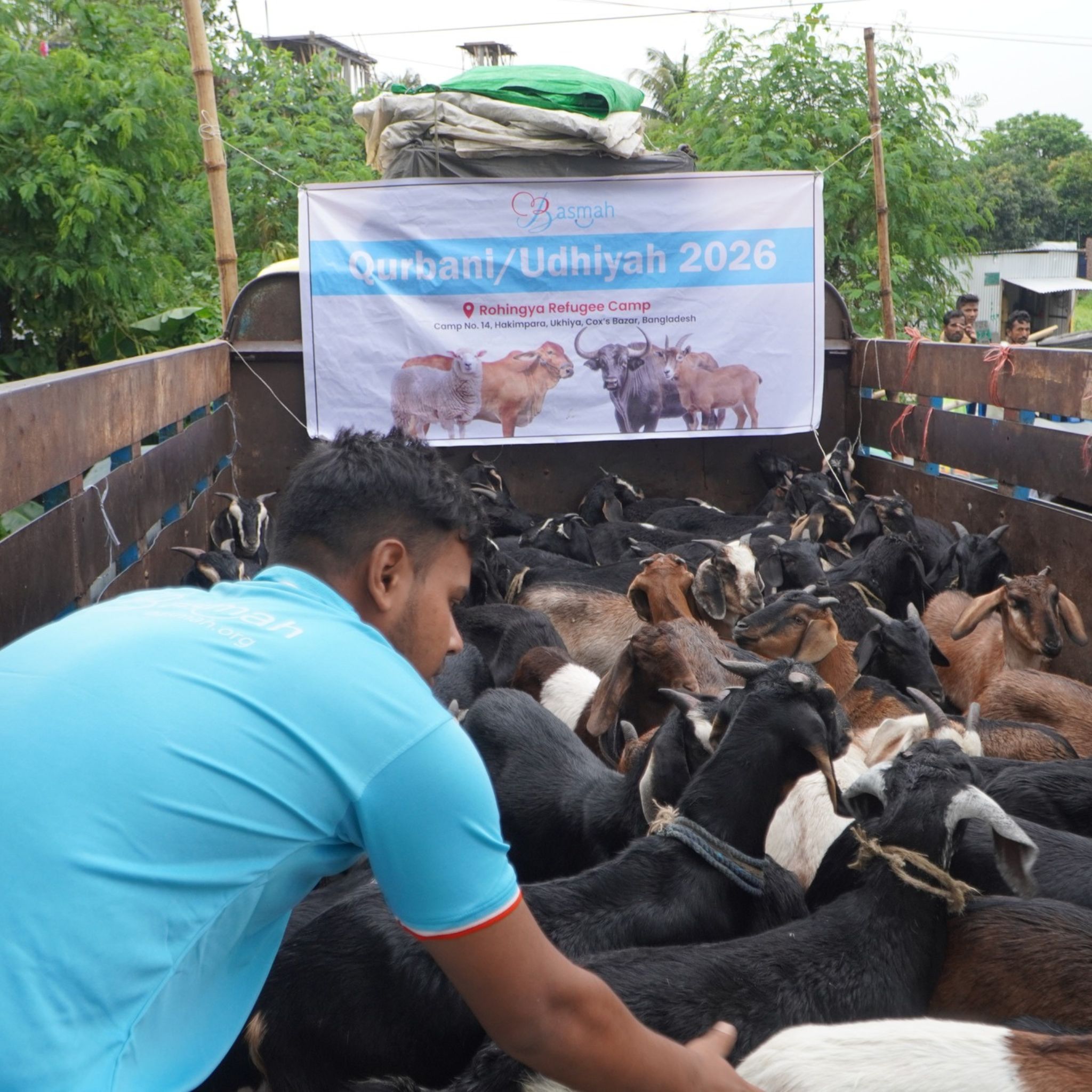
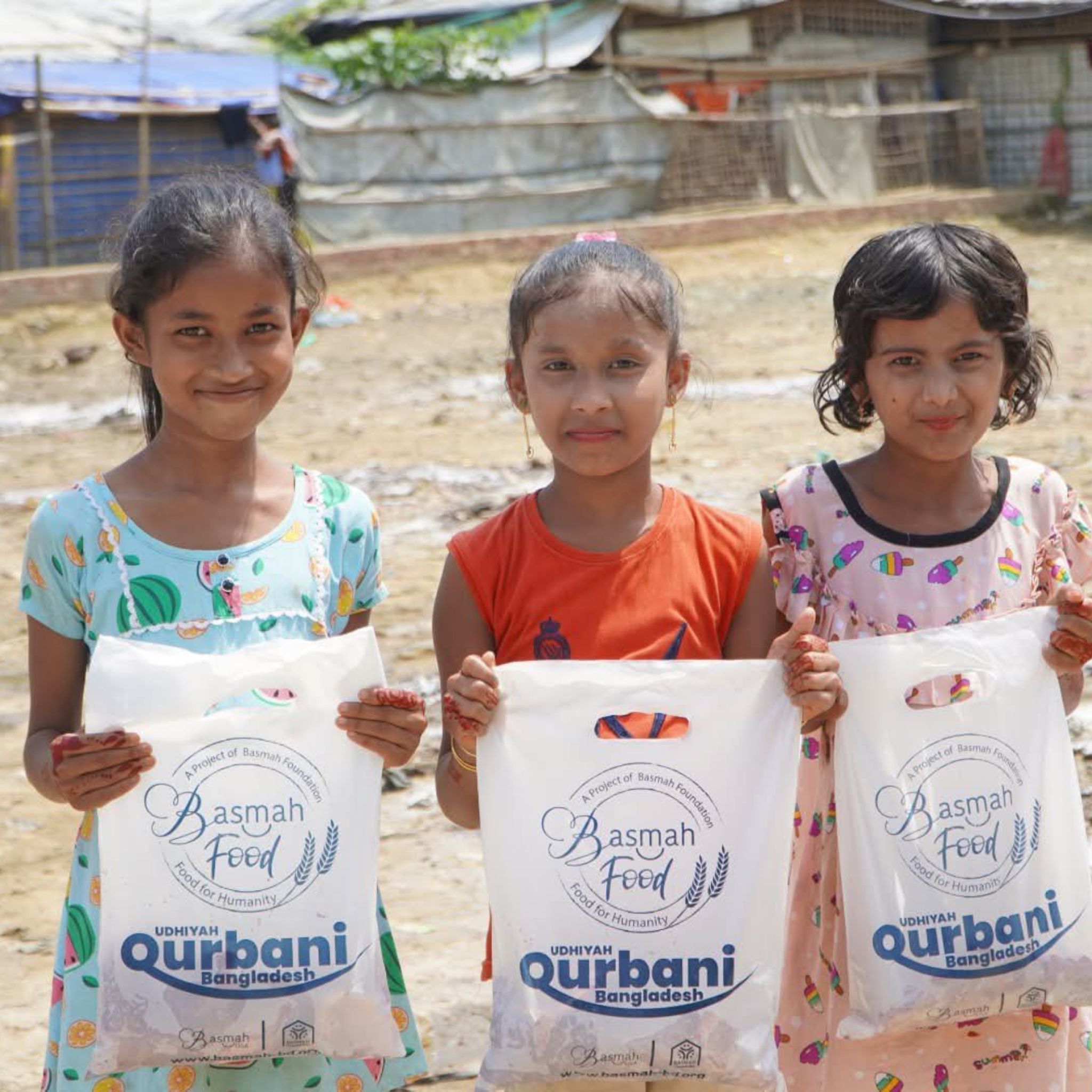
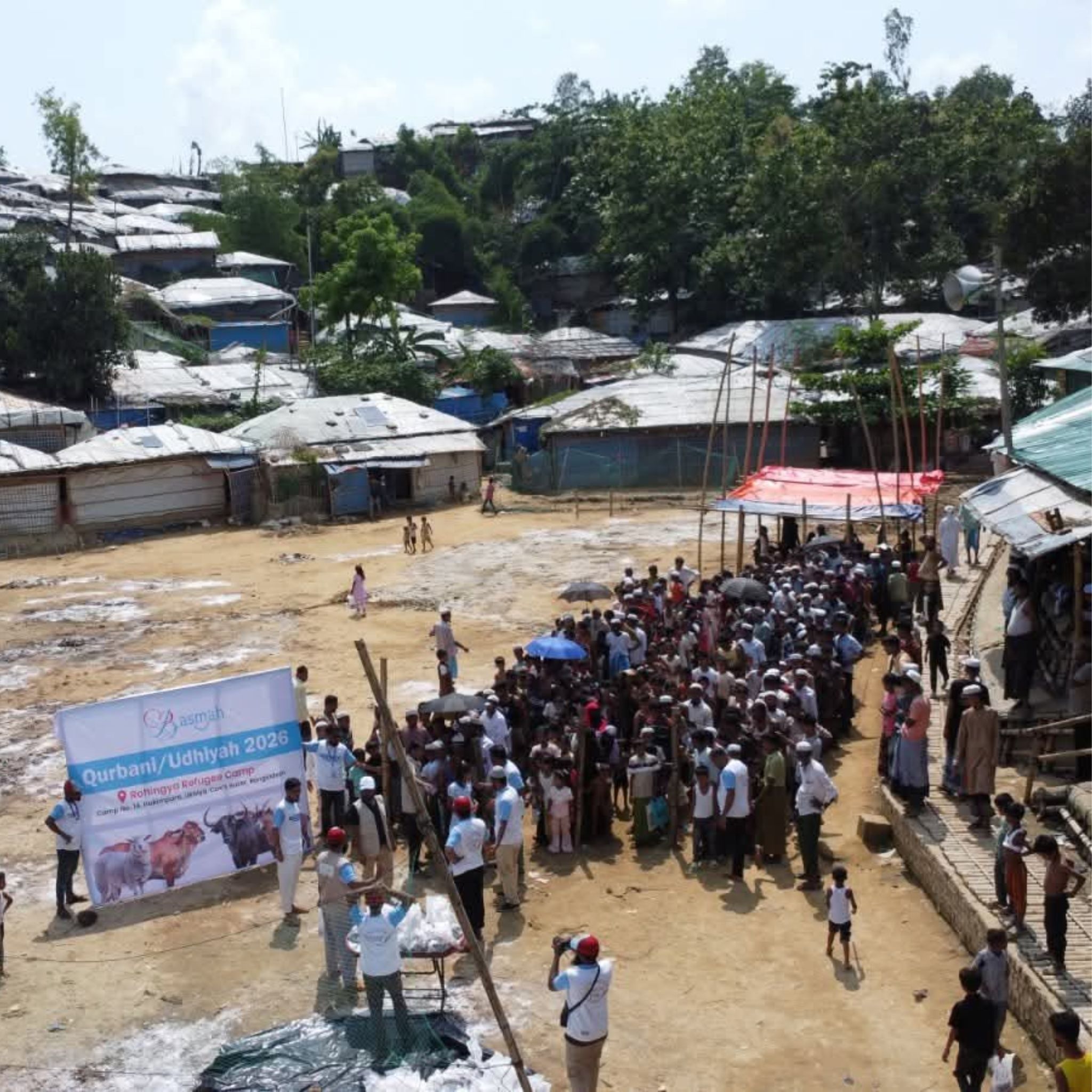
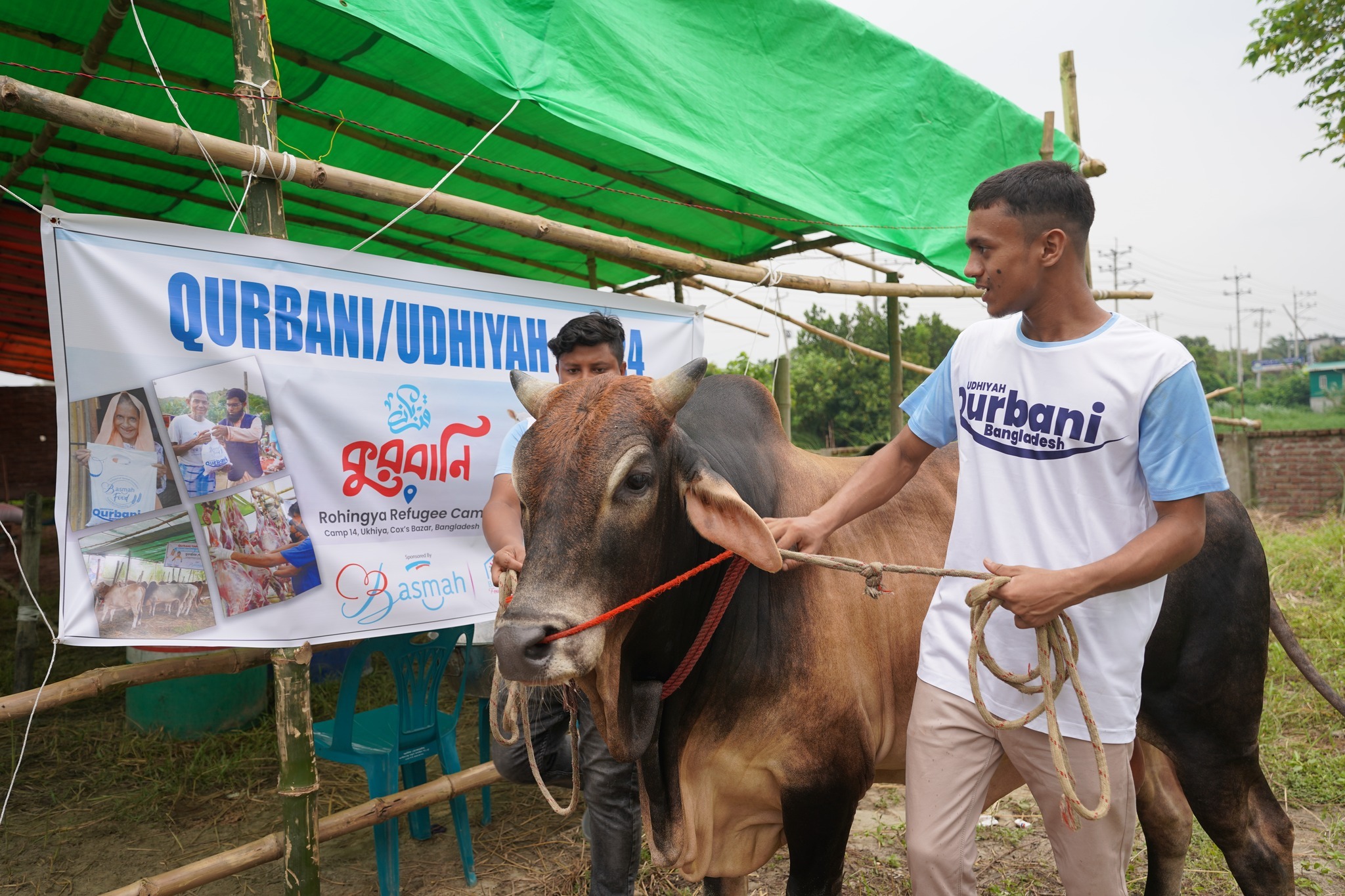
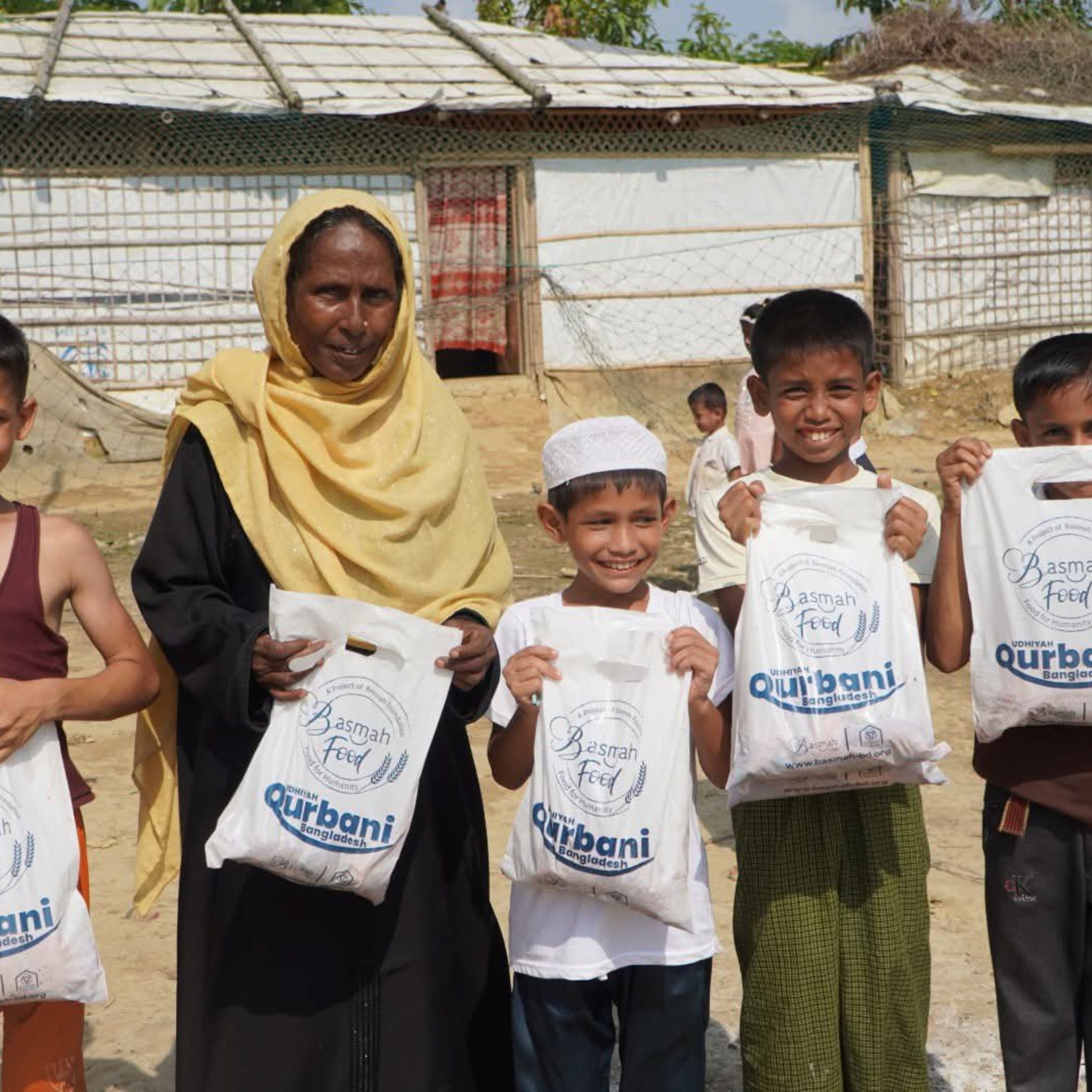
Trusted charities like those supporting Rohingya refugees in Bangladesh or families in conflict zones handle procurement, proper slaughter, and distribution. You donate online, receive confirmation and sometimes photos, and rest assured the rules are followed meticulously. Pay earlyโ€”ideally before the 9th or 10th of Dhul Hijjahโ€”to secure your place in the blessed first days.

Hidden Spiritual Treasures: How Cow Qurbani Transforms the Soul

Beyond rules lies deep renewal. Every dirham loosens attachment to dunya. The act mirrors Ibrahimโ€™s surrender and the Prophetโ€™s generosity. Families who involve children in planning raise empathetic hearts. Communities witness living faithโ€”generosity made visible.

Hadiths promise immense reward: the animal appears on Judgment Day with horns, hair, and hooves intact, adding weight to your good deeds. The sacrifice is accepted before the blood reaches the ground. For every strand of hair or drop, a separate blessing is recorded. Sins lighten. Ranks in Jannah rise. Ongoing charity continues through dua from grateful recipients.

Many families report unexpected barakah afterwardโ€”eased difficulties, increased rizq, and profound peace. These are glimpses of Allahโ€™s response to sincere hearts.

Common Questions Answered with Clarity and Compassion

How many Qurbani does one cow fulfill? Exactly seven shares.

Can non-Muslims receive the meat? Yesโ€”sharing with them spreads kindness and opens doors to dawah.

What if I miss the days? The sacrifice window closes after the 13th. Plan ahead.

Is it better than a goat? Both are valid. A cow excels in volume and communal benefit; a goat in personal completeness. Choose according to means and intention.

For deceased loved ones? Highly rewarding as Sadaqah Jariyah.

Your Practical Step-by-Step Action Plan for This Eid

  1. Assess eligibility โ€” Check your wealth against nisab.
  2. Decide shares โ€” For yourself, spouse, children, parents.
  3. Research options โ€” Local or trusted international organizations.
  4. Book early โ€” Secure dates and animals.
  5. Make niyyah โ€” Pure intention for Allahโ€™s pleasure.
  6. Prepare spiritually โ€” Fast the first nine days if able, increase salah and Quran.
  7. Celebrate and distribute โ€” Enjoy, share, reflect, and thank Allah.
  8. Inspire others โ€” Your example multiplies good.

A Heartfelt Urgent Call: Do Not Let This Golden Opportunity Pass

The blessed days of Dhul Hijjah arrive like precious rainโ€”limited yet life-giving. Somewhere a mother in a refugee camp prays for her children to taste meat. An orphan hopes for inclusion. A struggling family wonders if help will come. Your cow Qurbani can become their answered prayer.

Time is short. Do not delay with excuses. Whether one share or more, what matters is the sincerity flowing from a heart turned toward the Divine. Act today. Secure your share. Watch barakah unfold in ways seen and unseen.

May Allah accept every portion of your cow Qurbani. May it become a shield on the Day of Accounting, a source of shade, and a key unlocking rivers of mercy. May it feed bodies, uplift spirits, unite families, and draw your entire household and the wider Ummah closer to Jannah.

O Allah, shower Your barakah upon every cow sacrificed in Your name. Forgive our shortcomings, multiply our rewards, strengthen our communities, and grant us the highest levels of Paradise with the Prophets, the truthful, and the righteous. Ameen ya Rabb al-Alameen.

Take that step now. Your future self, your family, and countless grateful souls will thank you in both worlds. The path lies openโ€”walk it with generosity and trust.


One Cow equals seven Qurbani.


It means slaughtering a cow after Eid al Adha prayers, between the 10th and 12th days of Dhul Hijjah.


One Cow equals seven Qurbani.


Each cow equals seven Qurbani. Seven people can share one Qurbani of a cow.

Related Posts

Share this post

ZAKAH CALCULATOR

Deductions

Totals