...

Qurbani for a Newborn Baby

Qurbani

Embracing New Life: The Heartfelt Gift of Aqiqah for Your Precious Newborn

May the blessings of this sacred act shower your family with endless barakah

In the quiet hush of a home where a tiny soul has just entered the world, something profound stirs in the hearts of parents. A child arrives like a gentle rain from the heavens, bringing rays of hope and a fresh chapter in the journey toward Jannah. For Muslims across the globe, this moment calls for more than celebrationโ€”it invites a beautiful Sunnah that echoes through generations: the Aqiqah. This act of sacrifice wraps the newborn in protection, gratitude, and generosity, turning a personal joy into a bridge that connects the family to the wider Ummah.

The Gentle Whisper of Tradition: What Aqiqah Truly Means

Picture this: on the seventh day after birth, a family gathers with hearts full of thanks. They remember the Prophet Muhammad ๏ทบ, who showed us the way with love and wisdom. Aqiqah is not just about slaughtering an animalโ€”it is a heartfelt release. It washes away any unseen burdens from the child, much like clearing a path through a dense forest so sunlight can reach the ground below. The word itself carries the idea of cutting or severing, symbolizing freedom from harm and entry into a life blessed by Allahโ€™s mercy.

For a baby boy, the Sunnah encourages two healthy animalsโ€”often goats or sheepโ€”while for a girl, one suffices. This beautiful distinction reflects the balance and care in our deen. The meat is then shared: some for the family to enjoy in gratitude, and much of it distributed to relatives, neighbors, and especially the poor and needy. In giving, we find barakah multiplying like ripples in a calm pond. The Prophet ๏ทบ himself performed Aqiqah for his beloved grandsons, Imam Hasan and Imam Husain (may peace be upon them), setting a luminous example for every parent.

One companion, Salman ibn Amir al-Dabbi, narrated the Prophetโ€™s ๏ทบ words: โ€œAqiqah is to be offered for a newly born boy, so slaughter an animal for him and remove all dirt from him.โ€ These words feel like a warm embrace, reminding us that this act cleanses and protects. Another narration from Samurah ibn Jundub adds depth: โ€œEvery child is held in pledge by his Aqiqah; slaughter should be done on the seventh day, the child named, and the head shaved.โ€ What a powerful imageโ€”freeing the little one from any spiritual bond so they may walk freely toward Akhirah.

A Story of Love and Legacy

Imagine a young couple in a bustling city, welcoming their first son after years of prayer. Tired but glowing, they recall the struggles of pregnancyโ€”the late nights, the hopes whispered in sujood. On the seventh day, they choose not to delay this Sunnah. Friends and family come together. The aroma of cooking meat fills the air. Children laugh, elders offer dua. Portions are packed for the local mosque and families in need. In that moment, the newbornโ€™s arrival becomes a source of Sadaqah and community strength. The parents feel lighter, as if they have planted seeds in Jannah for their childโ€™s future.

This is not a mere ritual. It is an act of shukrโ€”deep gratitudeโ€”that says, โ€œO Allah, this child is Your trust. We return thanks through obedience.โ€ Many who perform Aqiqah later speak of unexpected ease in life, increased harmony at home, and a special closeness to their little one. The barakah flows like honey, sweet and nourishing.

Clearing Confusion: Aqiqah and Qurbaniโ€”Two Paths, One Devotion

Hearts sometimes mix these two noble acts, yet each shines with its own light. Qurbani, the grand sacrifice during Eid al-Adha, commemorates Prophet Ibrahimโ€™s (AS) ultimate test of faith. It falls in the blessed days of Dhul Hijjah, from the 10th to the 13th. Families who can afford it offer it yearly, remembering submission and divine provision. The meat brings joy to millions, strengthening bonds across the Ummah.

Aqiqah, by contrast, blooms once in a lifetime, tied specifically to the miracle of birth. It carries urgency and intimacy. While Qurbani welcomes the whole community in festive unity, Aqiqah feels like a private conversation with Allah about this new soul He has gifted. Both involve sacrifice, yet their timing and purpose differ like two flowers in the same gardenโ€”one for seasonal renewal, the other for welcoming fresh life.

Timing with Wisdom and Flexibility

The ideal moment arrives on the seventh day, a number rich with blessings in Islam. If circumstancesโ€”a motherโ€™s recovery, travel, or financial stretchโ€”make it difficult, the fourteenth or twenty-first day works beautifully. Some even fulfill it later, even into the childโ€™s youth, though earlier brings greater reward. There is no harshness in our faith; Allah understands the burdens parents carry. The door of mercy stays open.

Alongside the sacrifice, traditions include naming the child with a beautiful, meaningful name and shaving the head. The weight of the shaved hair is often given in gold or silver as charityโ€”another layer of Sadaqah that multiplies blessings. Families might rub honey or dates on the palate, symbolizing a sweet entry into the world of faith.

Does Every Child Need This? Understanding Obligations and Choices

Qurbani becomes a duty (in the Hanafi school) for sane, mature Muslims who possess enough wealth beyond basic needs. Children themselves do not carry this responsibility until they reach puberty and have means. Yet parents can choose to offer on their behalf as an act of love and extra reward.

Aqiqah stands as a highly recommended Sunnah (muโ€™akkadah), not obligatory, yet deeply rewarding. Many scholars note that fulfilling it brings protection and intercession. Delaying does not close the gate forever; the intention and effort still count. For those facing hardship, communities often step in through collective Sadaqah or organizations that facilitate affordable sharesโ€”ensuring no family misses this barakah.

The Deeper Rewards: Hope, Community, and the Path to Jannah

Think of Aqiqah as investing in eternal treasure. Every portion shared with the hungry becomes ongoing charity. The dua offered during the gathering rises like incense. The child grows up knowing they entered this world surrounded by remembrance of Allah. Parents earn closeness to the Sunnah, modeling generosity for their little ones to emulate.

In todayโ€™s fast world, where new parents juggle work, worries, and endless feeds, pausing for Aqiqah feels like an oasis. It reminds us that children are not burdens but trusts from the Most Merciful. They bring barakahโ€”if we nurture them with faith. Sharing the meat teaches empathy: the rich and poor sit at the same table of blessing. The Ummah grows stronger, one newborn at a time.

Stories abound of families who felt financial strain yet witnessed doors opening after Aqiqah. A job offer arrives unexpectedly. A sick relative recovers. Peace settles in the home like morning light. These are not coincidences but glimpses of divine response to sincere acts.

Practical Steps for Todayโ€™s Families

Choose healthy animals free from defects. Slaughter with the proper Islamic method, invoking Allahโ€™s name. Cook some meat for a family mealโ€”make it joyful! Distribute the rest cooked or raw, ensuring the needy receive good portions. Invite relatives, neighbors, and especially those less fortunate. Turn it into a gathering of smiles and shared stories.

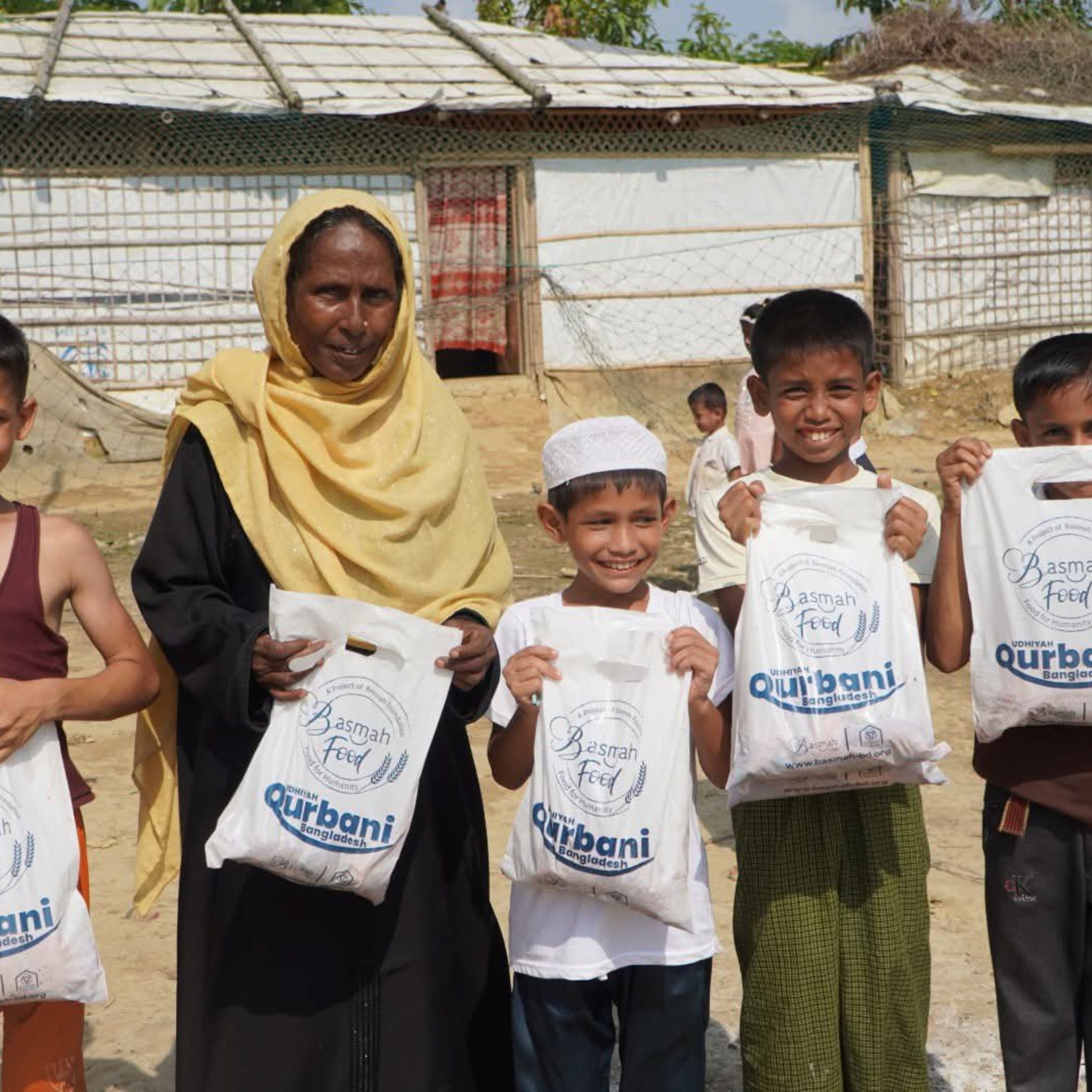
If distance or cost poses challenges, trusted charities now make it easy to perform Aqiqah in regions where poverty is high. Your sacrifice feeds families abroad while fulfilling Sunnah at homeโ€”a beautiful circle of compassion.

For baby girls and boys alike, the act carries equal love. One or two animalsโ€”each fulfills the command with sincerity. The focus remains on intention: doing it for Allahโ€™s pleasure, seeking protection for the child in this life and the next.

A Call to Every Parent: Donโ€™t Let This Moment Slip

Newborn days pass like a sweet dream. The cries, the tiny hands, the wonder in their eyesโ€”these are fleeting gifts. Seize the chance to mark this arrival with something eternal. Perform Aqiqah and watch barakah unfold. Teach your child later about this day, how their arrival brought joy and charity to others. Plant the seed of generosity early.

In the end, Aqiqah whispers a timeless truth: every soul is precious. Every birth is a sign of Allahโ€™s kindness. By following the Prophetโ€™s ๏ทบ way, we draw nearer to Jannahโ€”not just for ourselves, but for the little one we hold close. May every newborn enter this Ummah under showers of mercy, surrounded by the warmth of family, community, and unwavering faith. Ameen.

This sacred practice, rooted in love and obedience, continues to bind hearts across continents. Whether in a quiet village or a towering city, the spirit remains the same: gratitude poured out, blessings multiplied, and a child welcomed into a legacy of light. May your family taste its sweetness and reap its endless rewards in both worlds.


Every sane Muslim of mature age (who has reached puberty), should give Qurbani.


Yes, you can give Qurbani to any needy people.


Islam allows performing Qurbani and Aqeeqah together, but the person must take two shares (Hissa).


Qurbani is obligatory for Every sane Muslim of mature age (who has reached puberty) and Non-travelling persons.

Related Posts

Share this post

ZAKAH CALCULATOR

Deductions

Totals