...

Your Complete Qurbani Guide: 5 Simple Steps to Guarantee Jannah Rewards

Qurbani

Your Complete Qurbani Guide: 5 Steps That Transform a Ritual Into a Revolution of the Soul
Qurbani

Let us be honest with each other for a moment.

Most of us have performed Qurbani before. Many of us will perform it again this year. We will pay the money, arrange the animal, say Bismillah, distribute the meat, and move on with our Eid celebrations.

And yet — something often feels missing. A hollowness where the weight of the act should be. A sense that we did the ritual but somehow missed the experience.

This guide exists to close that gap.

Because Qurbani performed correctly — with full intention, genuine presence, and deep understanding — is not merely a religious obligation being discharged. It is a conversation with Allah (SWT). A declaration to the universe. A moment in which you stand in the spiritual shadow of Ibrahim (AS) and prove, with your wealth and your hands, that you mean every word of the Shahadah you recited.

Five steps. Follow them completely. And watch what happens to your soul.

Why Your Qurbani This Year Could Be the Most Important One You Have Ever Given

Before the steps — a truth worth sitting with.

Millions of Muslims perform Qurbani every year. And a startling number of them make quiet mistakes — in intention, in timing, in method, in distribution — that silently reduce their reward or, in serious cases, render the sacrifice invalid altogether.

Not out of dishonesty. Not out of laziness. But simply because nobody sat them down and walked through it properly, completely, and with the spiritual depth it deserves.

This guide is that conversation.

Your Qurbani is not just tradition. It is not cultural inheritance to be maintained out of habit. It is a direct command from Allah (SWT), an unbroken Sunnah of the Prophet (peace be upon him), and one of the most potent pathways to nearness with your Creator available during the most blessed days of the entire Islamic year.

Follow these five steps. Follow them fully. And earn every reward that Allah has waiting for you.

Step One: The Niyyah — Where Every Reward Is Either Born or Buried

Long before you see the animal. Long before Eid morning arrives. Your Qurbani has already begun.

It begins in the most private chamber of your existence — your heart. And what lives in that chamber when you make your intention will determine everything that follows.

The Prophet (peace be upon him) gave us one of the most important principles in all of Islam:

“Actions are only by intention — and every person will only have what they intended.”

Read that carefully. Your entire Qurbani reward — not part of it, all of it — is built on the foundation of what you intended when you began. A perfect slaughter with a hollow intention earns a hollow reward. A simple, modest sacrifice with a heart full of love for Allah (SWT) can earn you more than you could calculate in a lifetime.

So let us ask the uncomfortable question: why are you doing Qurbani this year?

Because your family expects it? That is a reason — but not the one that unlocks rewards. Because your neighbours will notice if you do not? That is a reason — but it is the wrong one entirely. Because it is simply what you do every Eid? Then you are treating one of the most spiritually charged acts in Islam like a recurring calendar appointment.

The intention that unlocks everything is simpler and more profound than any of those:

“I am doing this purely for the pleasure of Allah (SWT). To obey His command. To follow the Sunnah of Ibrahim (AS) and the Prophet (peace be upon him). To draw nearer to Him. And to help His creation.”

That is it. That is the intention that makes angels write in your book before the knife has even been sharpened.

How to make this intention with your whole being:

Find a quiet moment — the night before Eid, or the morning of. Make fresh wudu. Sit somewhere still. And speak to Allah from the truest part of yourself. You can say:

“I have turned my face toward the One who created the heavens and the earth. My worship and my sacrifice, my living and my dying — all of it is for Allah, Lord of all the worlds. O Allah, this Qurbani is from You and for You alone. Accept it from me.”

Do not rush this. Do not mumble it while checking your phone. Mean it. Let every word land in your chest before you move on.

The moment sincerity enters your intention — before a single dirham has been spent, before the animal has been selected, before Eid morning has arrived — the reward has begun. This is the extraordinary mercy of Allah: He rewards the intention to worship, not merely the worship itself.

Step Two: Choosing the Animal — Because Allah Deserves Your Finest, Not Your Leftovers

Now comes a decision that many people approach with the wrong question. They ask: “What is the minimum I can get away with?”

The right question is entirely different: “What is the best I can honestly offer?”

This animal is not a commodity purchase. It is not a transaction to be optimised for cost efficiency. It is what you are placing before the Lord of all creation as your sacrifice. Think about that. Truly think about it.

Permitted animals and their shares — a clear summary:

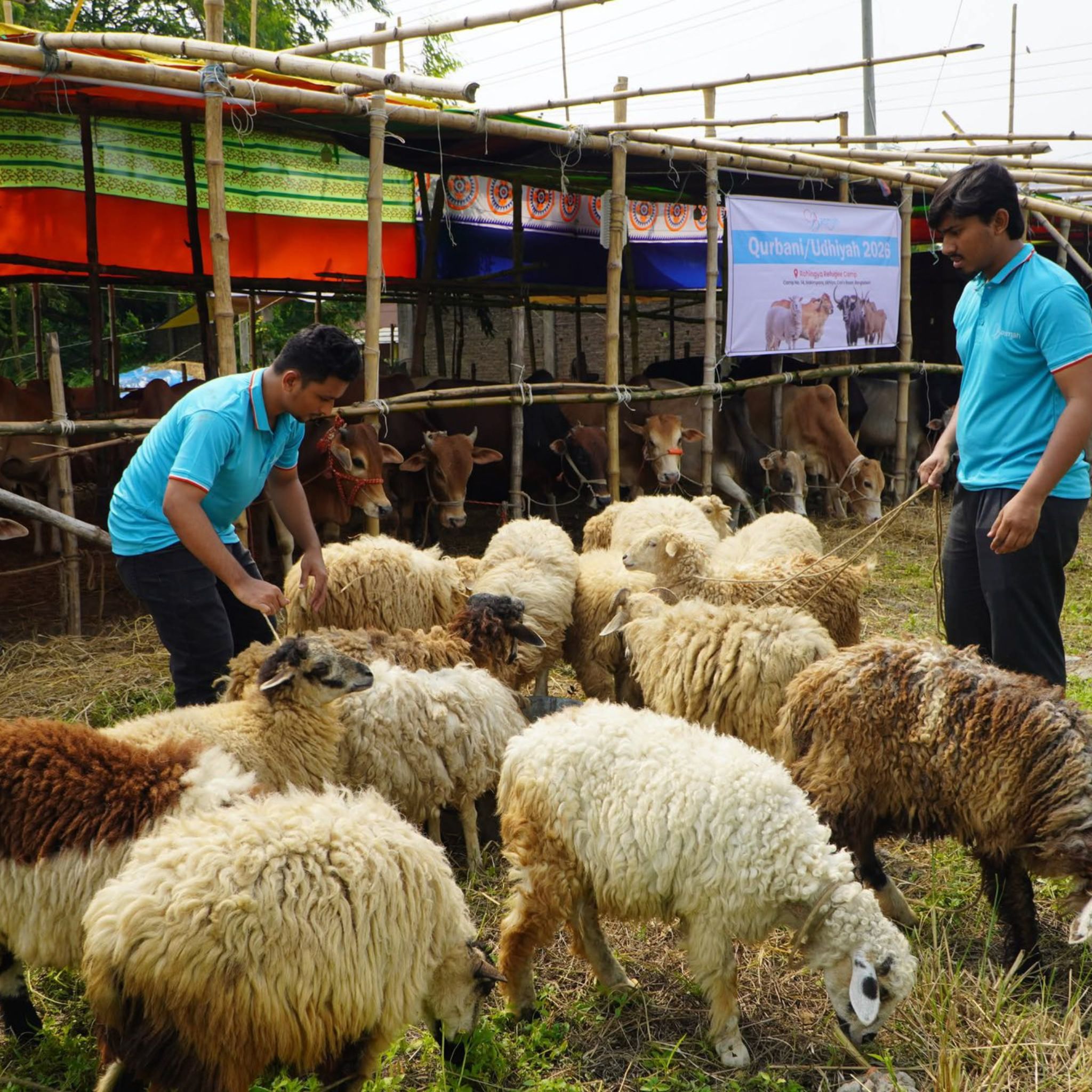
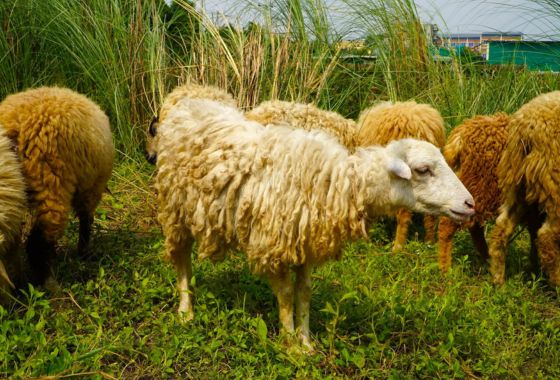
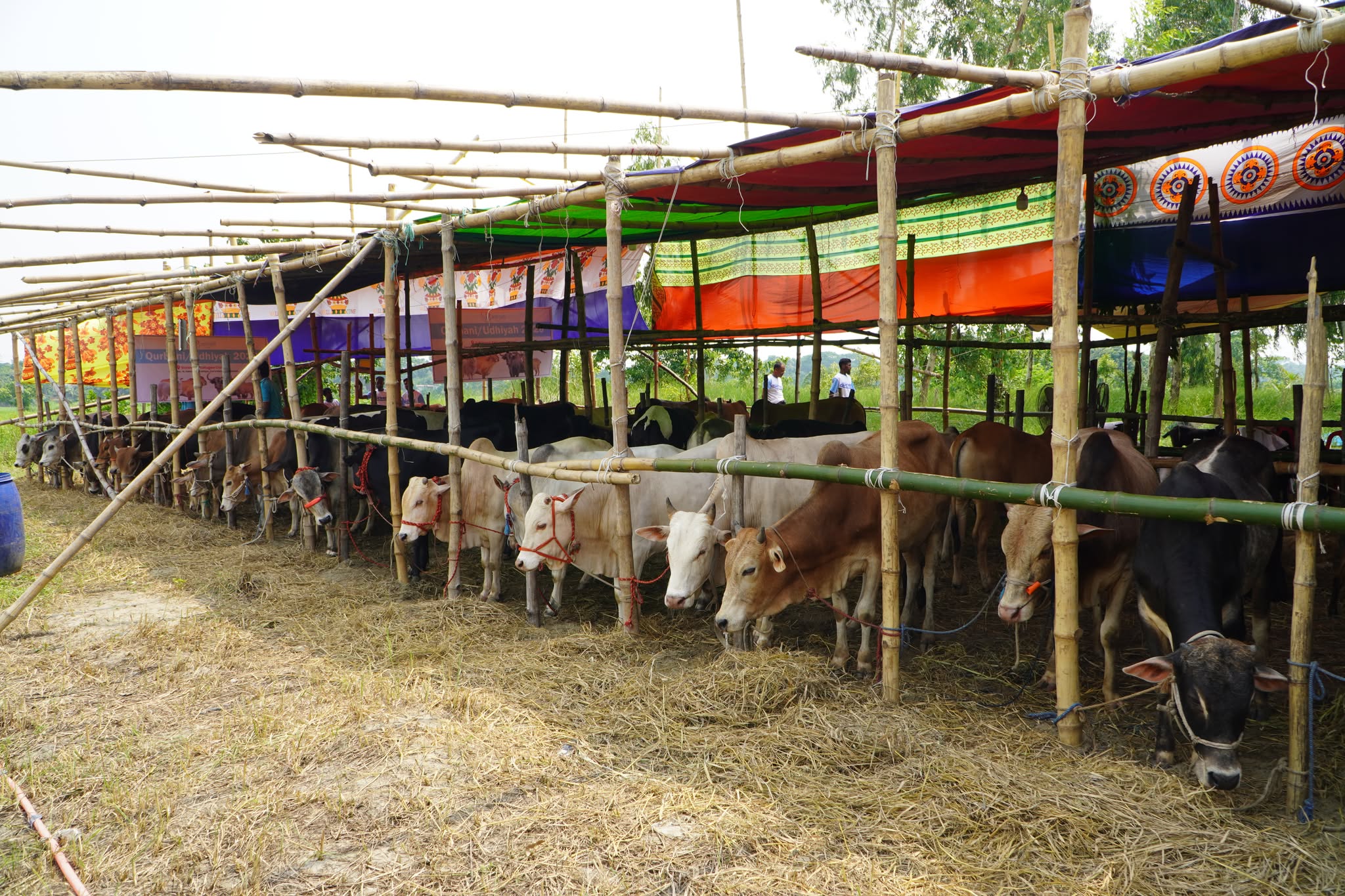
Sheep and goats count as one complete Qurbani share, sufficient for one individual. Cows and buffalo carry seven shares between them. Camels carry seven shares. These are the only animals permissible — no birds, no fish, nothing outside this list.

Age requirements — non-negotiable:

Sheep and goats must be at least one full year old. Cows and buffalo, a minimum of two years. Camels, no younger than five. These ages mark genuine maturity — in body, in size, in the quality of meat that will feed the hungry. A younger animal does not meet the standard, regardless of how healthy it appears.

The health requirements — and why they exist:

The Prophet (peace be upon him) was explicit:

“There are four animals that will not be accepted as sacrifice: the one-eyed animal clearly blind in one eye; the sick animal that is obviously ill; the lame animal with a clear limp; and the emaciated animal with no marrow in its bones.”

Beyond these four, an animal missing a third or more of an ear or tail, with a horn broken from its root, or that has lost more than half its teeth — none of these are acceptable.

Why such careful standards? Because this sacrifice is directed toward Allah (SWT), and what you direct toward Allah should reflect the best of what you have — not what you could not sell elsewhere. The scholars remind us: Allah is Beautiful and loves beauty. Your Qurbani animal should reflect that love in its very selection.

A word on caring for the animal before Eid:

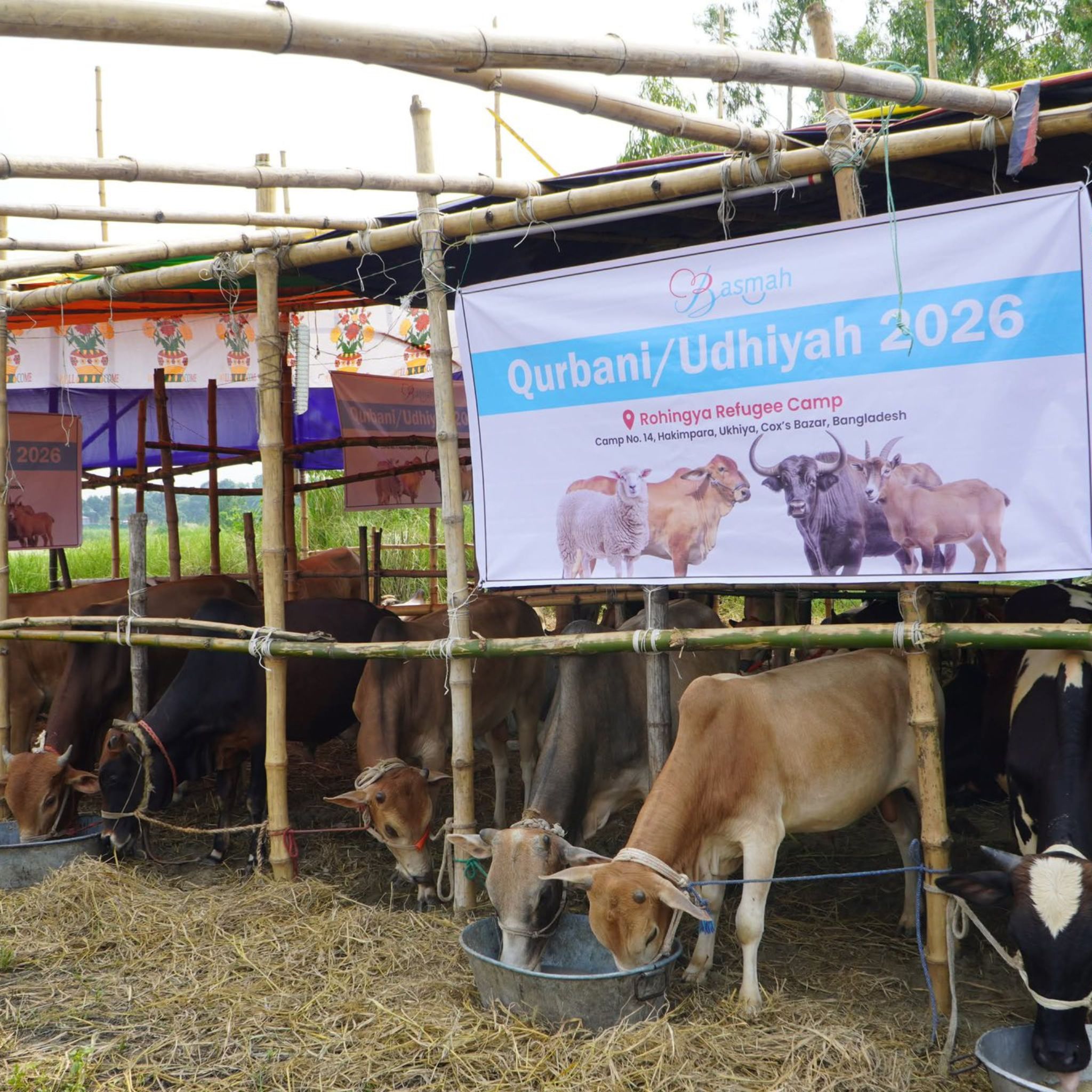
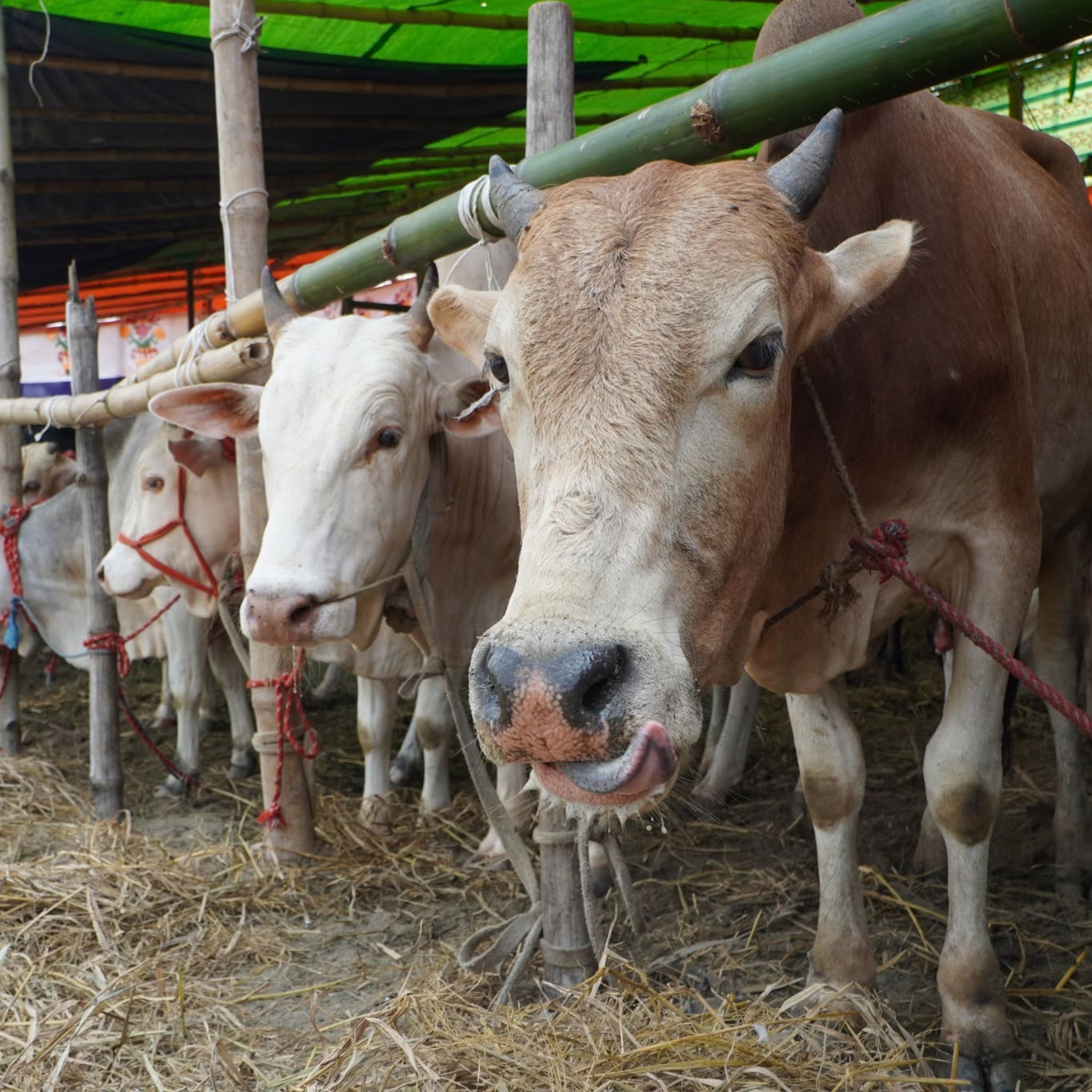
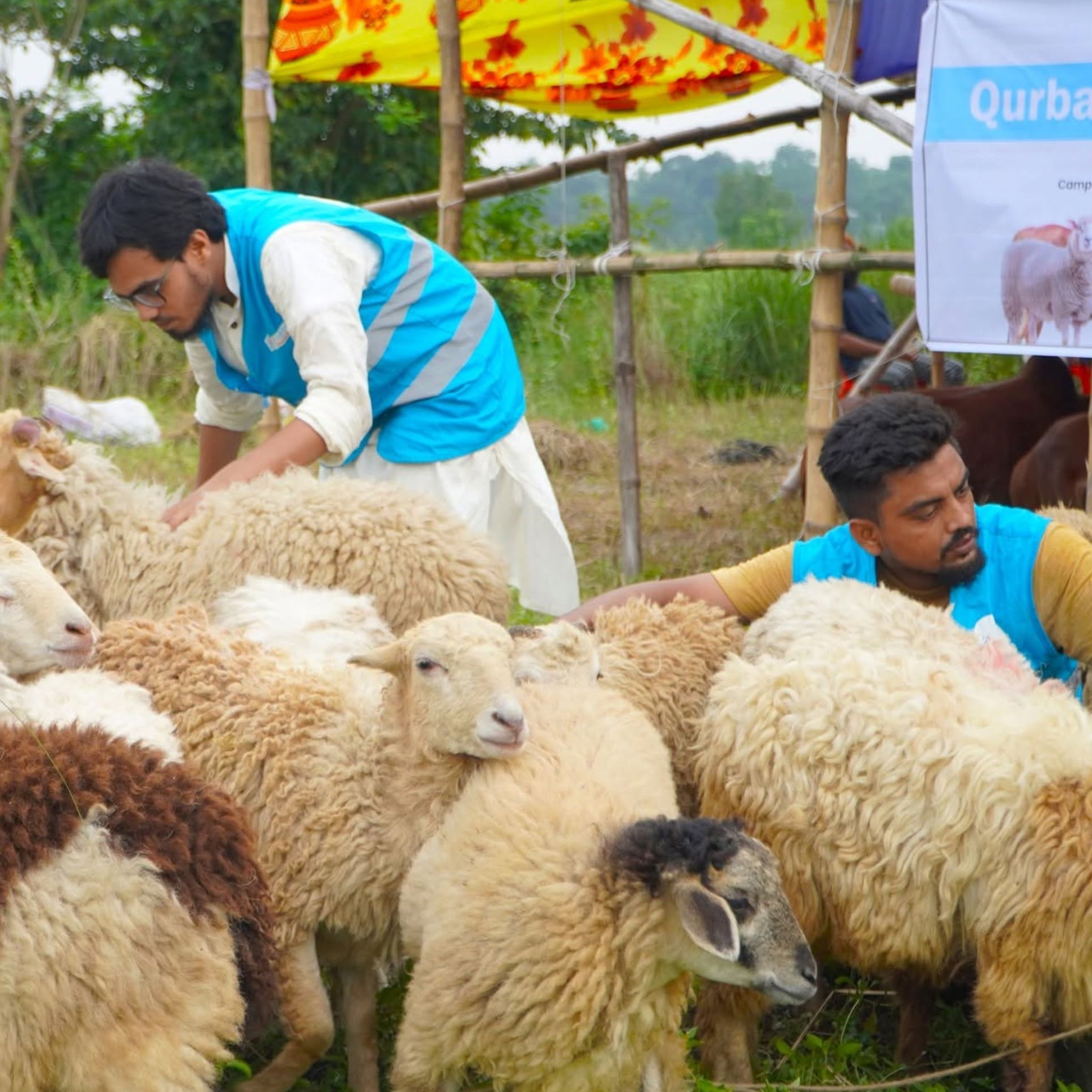
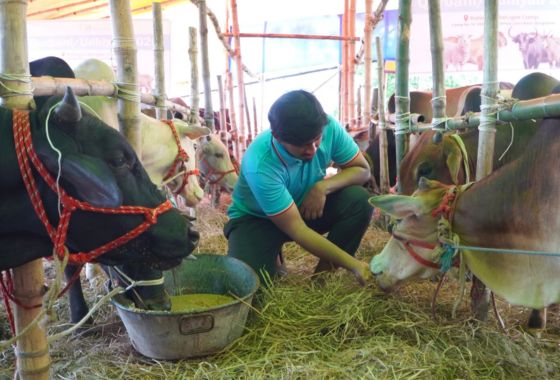
If you are purchasing locally, buy a few days early. Give the animal water, feed, shelter, and rest after the stress of transportation. Handle it gently. Let it be calm. The scholars say this period of care is not merely about animal welfare — it is about purifying the heart of the one giving the Qurbani. Every gentle moment with that animal is a moment of spiritual preparation.

Some people say: “Why bother? It will be slaughtered anyway.”

This thinking misses the entire spirit of the act. This animal is offering its life in an act of worship. The minimum it deserves is dignity in its final days. And the minimum you deserve is the inner transformation that comes from treating a living creature with mercy and gratitude before its sacrifice.

I’m on the advisory board of this great organization, Basmah. And I’m saying to you, from a man on the inside, they do a lot of incredible work. I’m amazed every day by more and more work; they don’t stop, they never stop.
Imam Siraj Wahhaj  

Imam Siraj Wahhaj

Honorary advisor of BASMAH

Step Three: The Sacred Timing — Get This Wrong and Nothing Else Matters

Timing, in Islamic worship, is everything. The prayer offered outside its time is not accepted. The fast broken before Maghrib is not counted. And the Qurbani performed before its moment — however expensive the animal, however sincere the intention — does not count.

The valid window:

Qurbani begins the moment the Eid prayer concludes on the 10th of Dhul Hijjah. It ends at sunset on the 12th, according to the majority of scholars. Three days. Three sacred, irreplaceable days.

The rule that many people violate — often unknowingly:

The Prophet (peace be upon him) stated without ambiguity:

“Whoever slaughtered the sacrifice before the prayer — he slaughtered it for himself. But whoever slaughtered it after the prayer — he slaughtered at the right time and followed the tradition of the Muslims.”

If your animal is slaughtered five minutes before the Eid prayer concludes — even on the 10th, even with perfect intention, even with a sharp knife and the correct words — it is not Qurbani. It is halal meat. Nothing more. The obligation remains entirely unfulfilled, and you will need to sacrifice again.

This is not a minor technicality. This is the boundary between an act of worship and an act that carries no spiritual weight whatsoever.

Why does this timing rule exist?

The Eid prayer is not merely a preamble to the sacrifice. It is a communal act of purification — the entire Ummah turning to Allah together, proclaiming His greatness, before the day’s sacrifices begin. Your Qurbani is meant to flow from that prayer, not precede it. The prayer prepares your soul. The sacrifice follows from that preparation. Remove the prayer from the sequence, and the sacrifice loses its spiritual context entirely.

The most virtuous time:

The 10th of Dhul Hijjah, as soon after the Eid Salah as possible, is the most beloved time for sacrifice. The 11th and 12th are fully valid. But do not delay without reason — these days depart quickly, and the window, once closed, will not reopen for another year.

Step Four: The Sacred Method — This Is Where Intention Becomes Worship

Everything before this step has been preparation. This is the moment itself. And the manner in which it is conducted is what separates a mechanical act from an act of genuine Ibadah.

Before the knife is raised — prepare spiritually:

Make fresh wudu if possible. You are about to perform worship. Approach it in a state of spiritual readiness. Calm the animal completely before anything begins — speak to it softly, handle it gently, let it settle.

The knife — this is a mercy requirement, not a preference:

The Prophet (peace be upon him) commanded:

“Allah has prescribed excellence in everything. So when you slaughter, slaughter well. Let one of you sharpen his blade and spare suffering to the animal.”

A sharp knife cuts cleanly and causes the animal to lose consciousness almost immediately. A dull blade prolongs the process, causes unnecessary pain, and violates the Islamic principle of mercy toward all living things. Sharpen your knife the night before. Test it. This is not optional.

Do not sharpen the knife where the animal can see it. Animals perceive threat. The sight of blade preparation creates measurable fear and distress. Prepare all equipment before bringing the animal to the place of slaughter.

Do not slaughter one animal within sight of another. If multiple animals are being sacrificed, separate them. Lead each one away individually. This is mercy, and mercy is woven into every thread of Islamic practice — even here, even now.

Position the animal facing the Qiblah — towards Makkah, toward the Kaaba that Ibrahim (AS) built with his own hands. In doing so, your local sacrifice is spiritually oriented toward the global centre of Islamic worship. Your small act in your backyard is connected to something ancient and vast.

The words that transform everything:

As the knife meets the animal’s throat, say — clearly, consciously, with your entire attention behind it:

“Bismillahi Allahu Akbar.”

In the name of Allah. Allah is the Greatest.

These are not a ritual formula to be mumbled automatically. They are a declaration. You are announcing, in this moment, that this act belongs to Allah alone. Not to tradition. Not to social expectation. Not to culture. To Allah — and to Allah only.

Most scholars hold that failing to recite these words renders the meat impermissible. But beyond the legal ruling — missing these words means missing the entire point of the act. Say them. Mean them.

Make the cut swiftly, cleanly, decisively — through the windpipe, oesophagus, and jugular veins. This method, prescribed by the Prophet (peace be upon him) fourteen centuries ago, causes the animal to lose consciousness almost instantaneously. It is the most merciful method of slaughter known to exist. Science has confirmed what revelation already knew.

A word on presence:

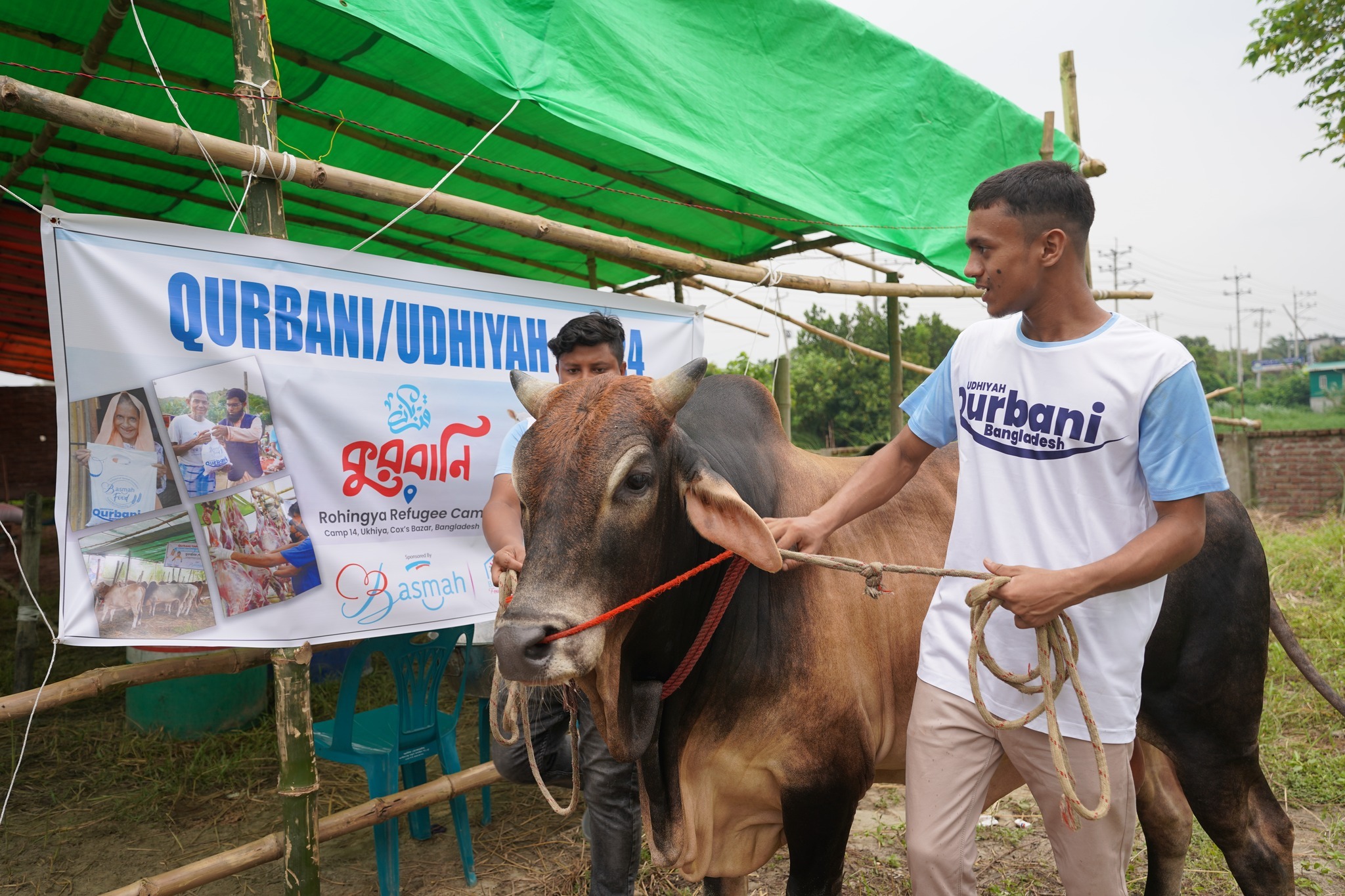
If you have appointed someone else to perform the slaughter — which is entirely permissible — do not simply pay them and walk away. Be there. Watch. Let the reality of what you are giving land in your chest. Qurbani is not meant to be comfortable and distant. It is meant to cost you something — not just financially, but emotionally. Your presence is part of the worship.

Step Five: The Distribution — Where Your Personal Worship Becomes the Ummah's Mercy

The sacrifice is complete. The animal has given its life. And now comes the part of Qurbani that most directly touches the world beyond your own household.

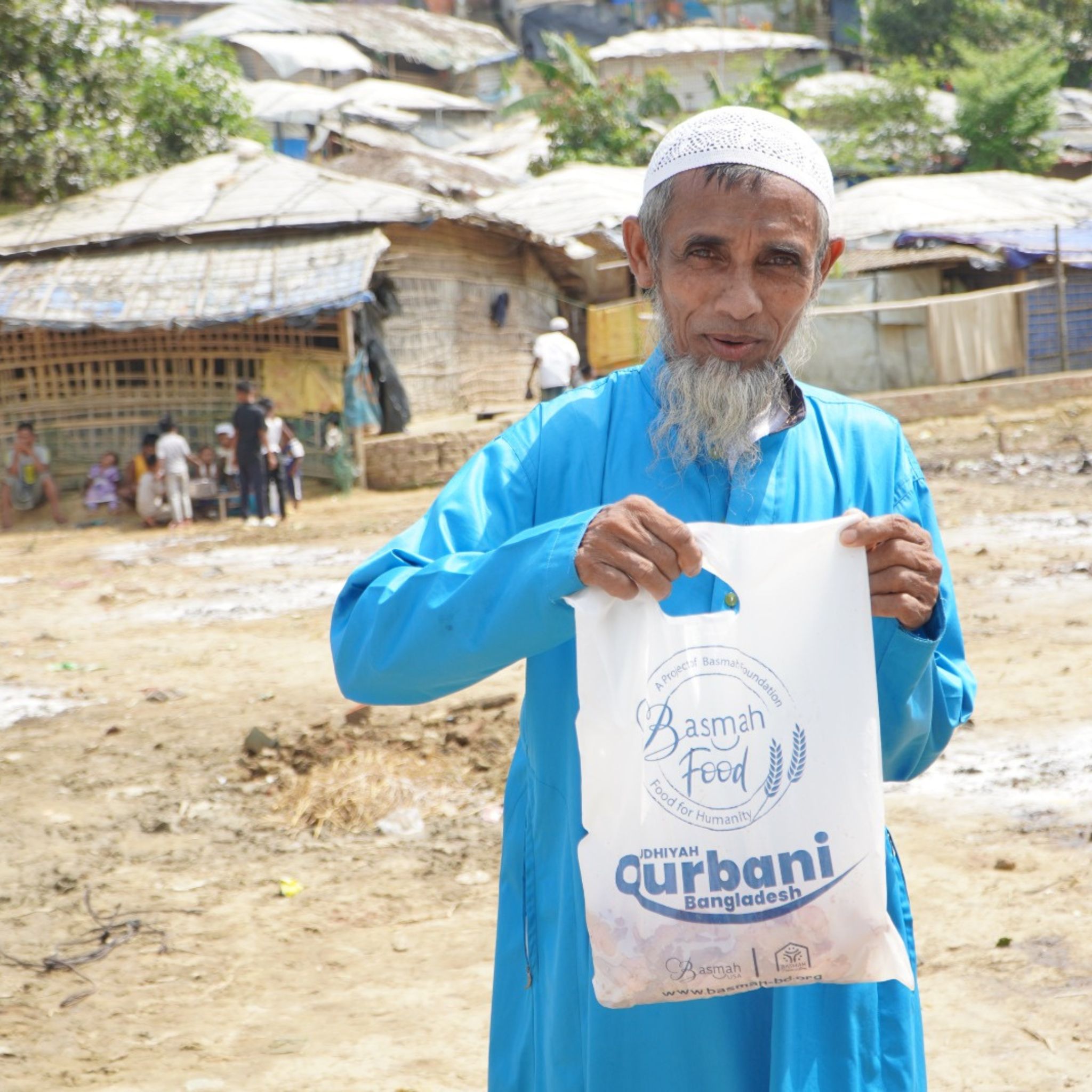
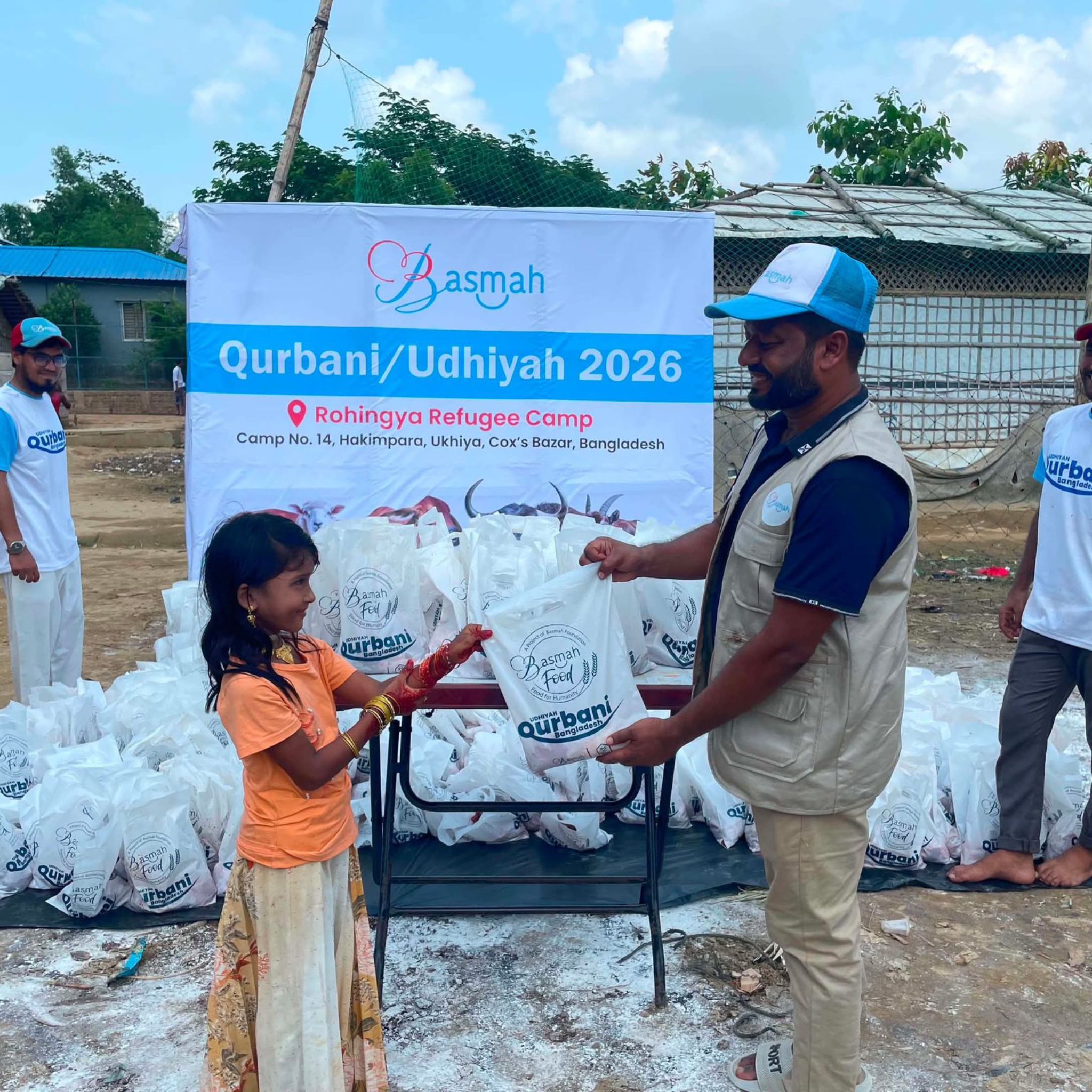
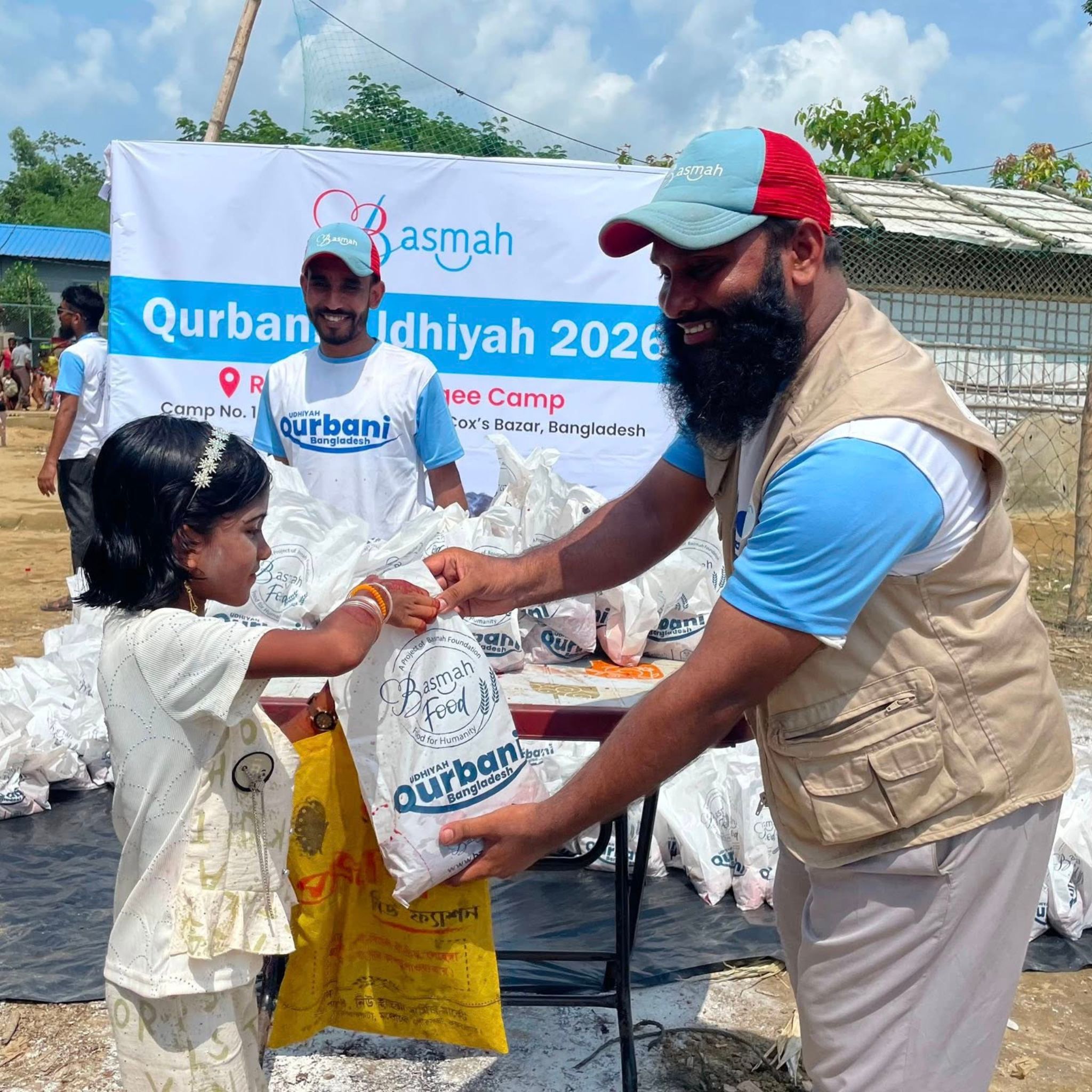
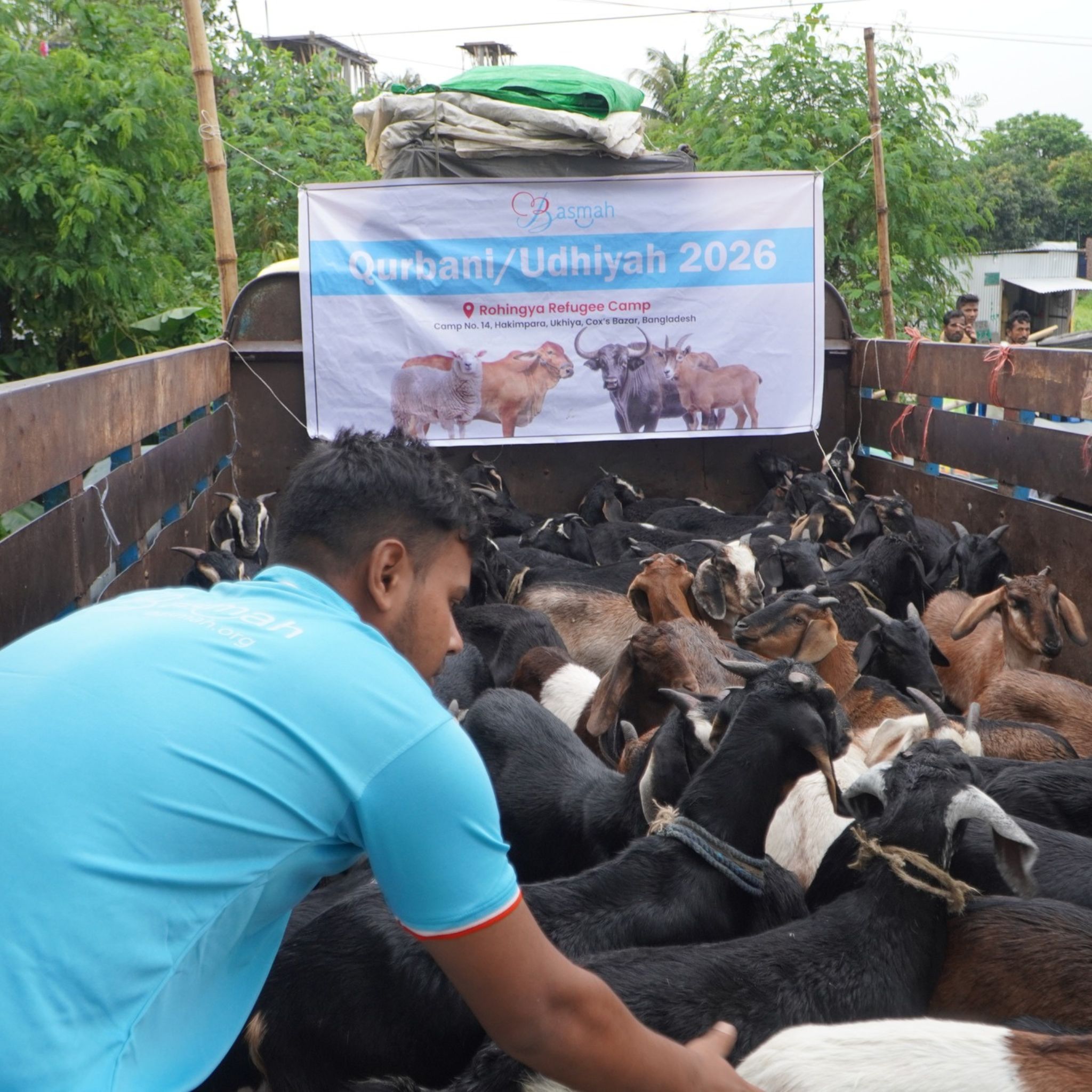
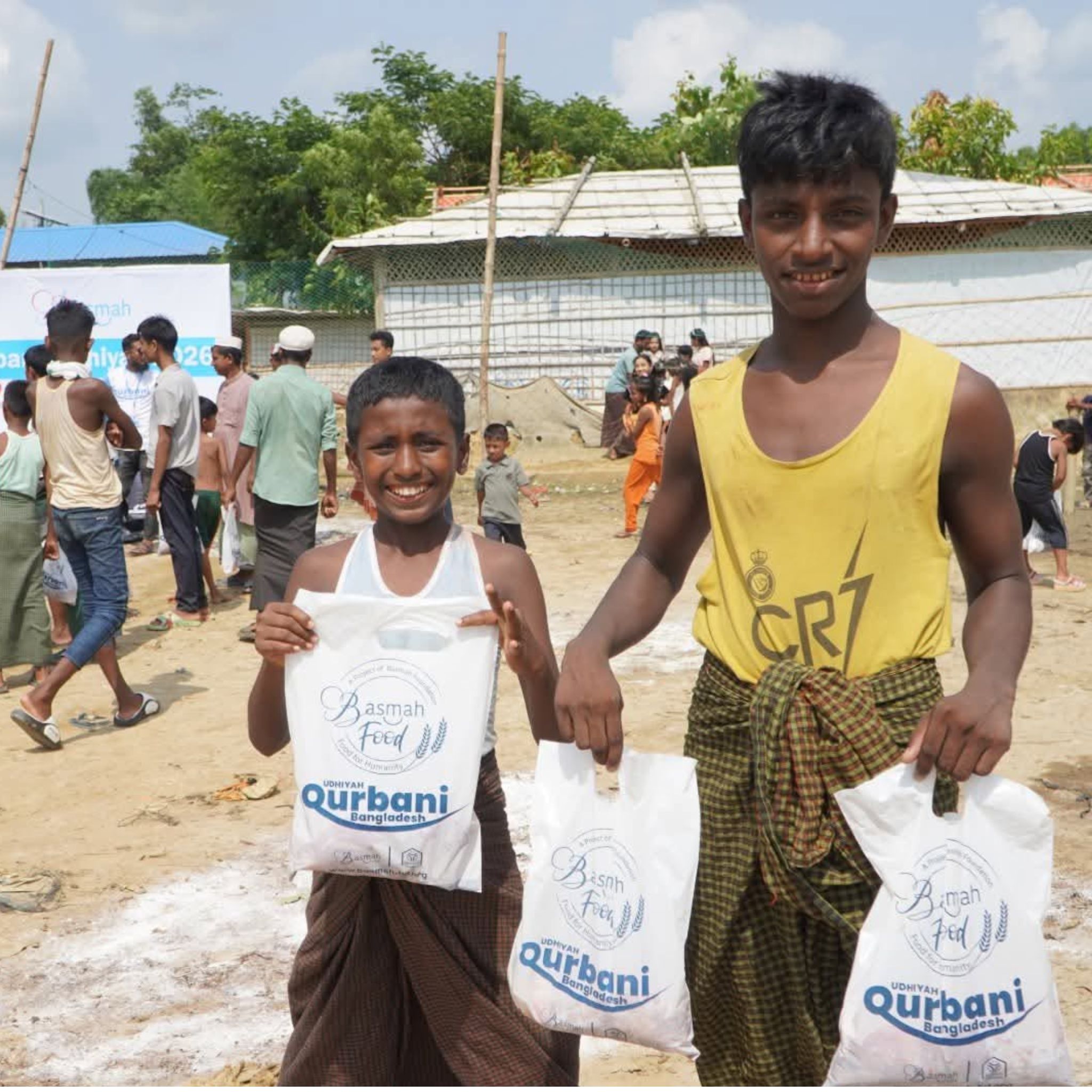
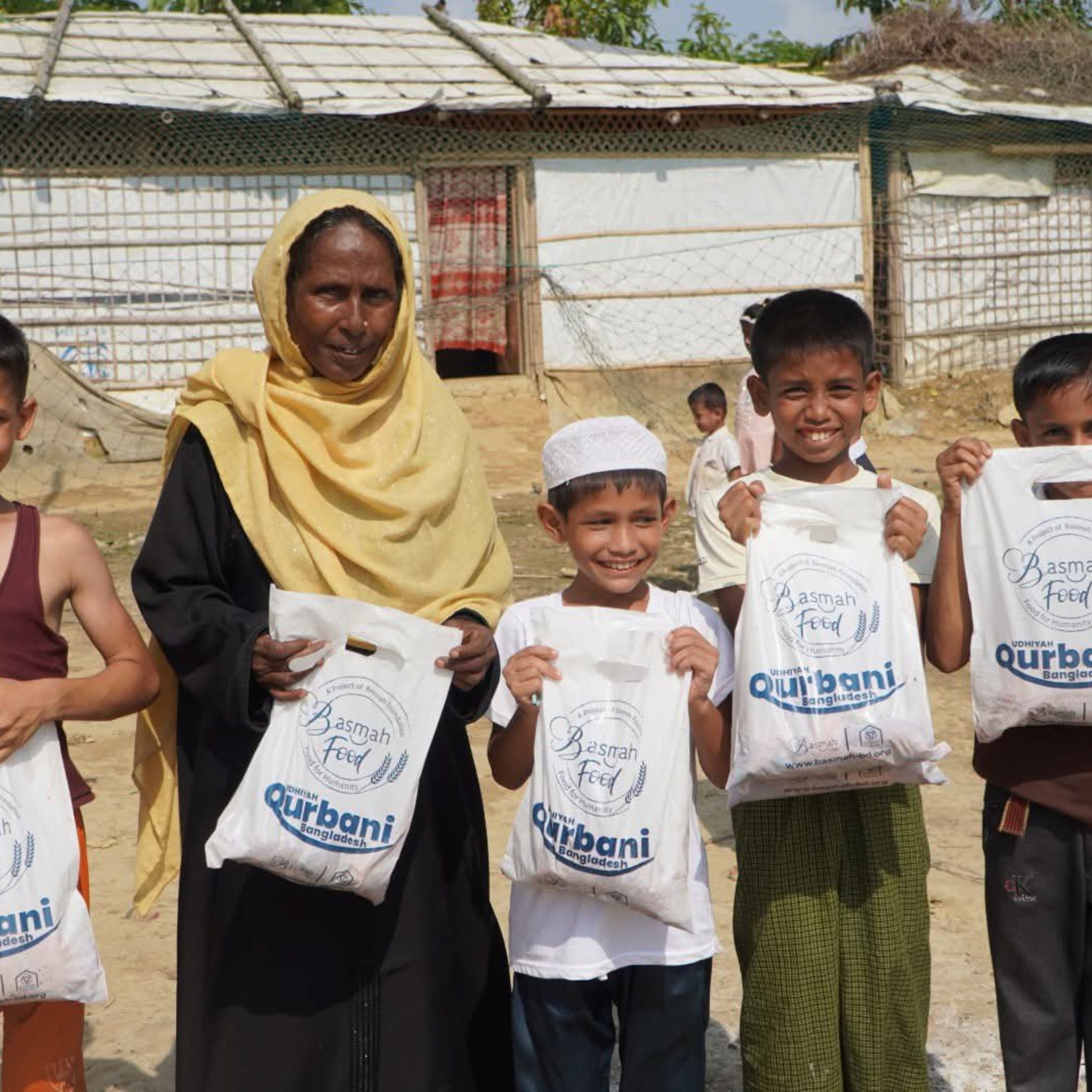
This is where your individual act of worship becomes a ripple of mercy that spreads outward — into your street, your city, and if you give through a trustworthy organisation, into refugee camps and famine-struck communities thousands of miles away.

The three portions — and their spiritual significance:

One third for your family. Keep it. Cook with it. Gather around the table and eat together. The Prophet (peace be upon him) encouraged people to eat from their own sacrifice — it is not selfishness, it is participation. Your family worked, saved, and shared in this Qurbani. Celebrate it together.

One third for relatives, friends, and neighbours. Rich or poor. Muslim or non-Muslim. The family next door who helped you move last year. The coworker who showed you kindness. The non-Muslim neighbour who has always wondered what Eid means. A portion of your Qurbani arriving at their door is a form of dawah — it says, without a word, that Islam is generous, that Muslims remember people, that this faith is alive and community-minded.

One third for the poor and needy. This is the portion that earns you rewards long after Eid day has passed. The widow in your neighbourhood. The family in your city that has been quietly struggling. The orphan. The refugee. The elderly person with no one left.

And if you choose to give more than a third to the poor — even all of it, keeping only a taste for your household — this is honoured and encouraged by scholars. The spirit of Qurbani is outward generosity, not inward accumulation.

Two rules to memorise and never violate:

First — no part of the Qurbani animal may be sold. Not the meat, not the skin, not the fat, not the organs. These all belong to Allah’s distribution. Selling any portion strips the act of its spiritual validity and transforms sacred worship into commercial transaction.

Second — the butcher cannot be paid with Qurbani meat. Pay them separately, in cash or its equivalent. If you then wish to gift them some meat as a gesture of generosity, that is permissible — but it must be a gift, not payment.

The reach of a properly distributed Qurbani:

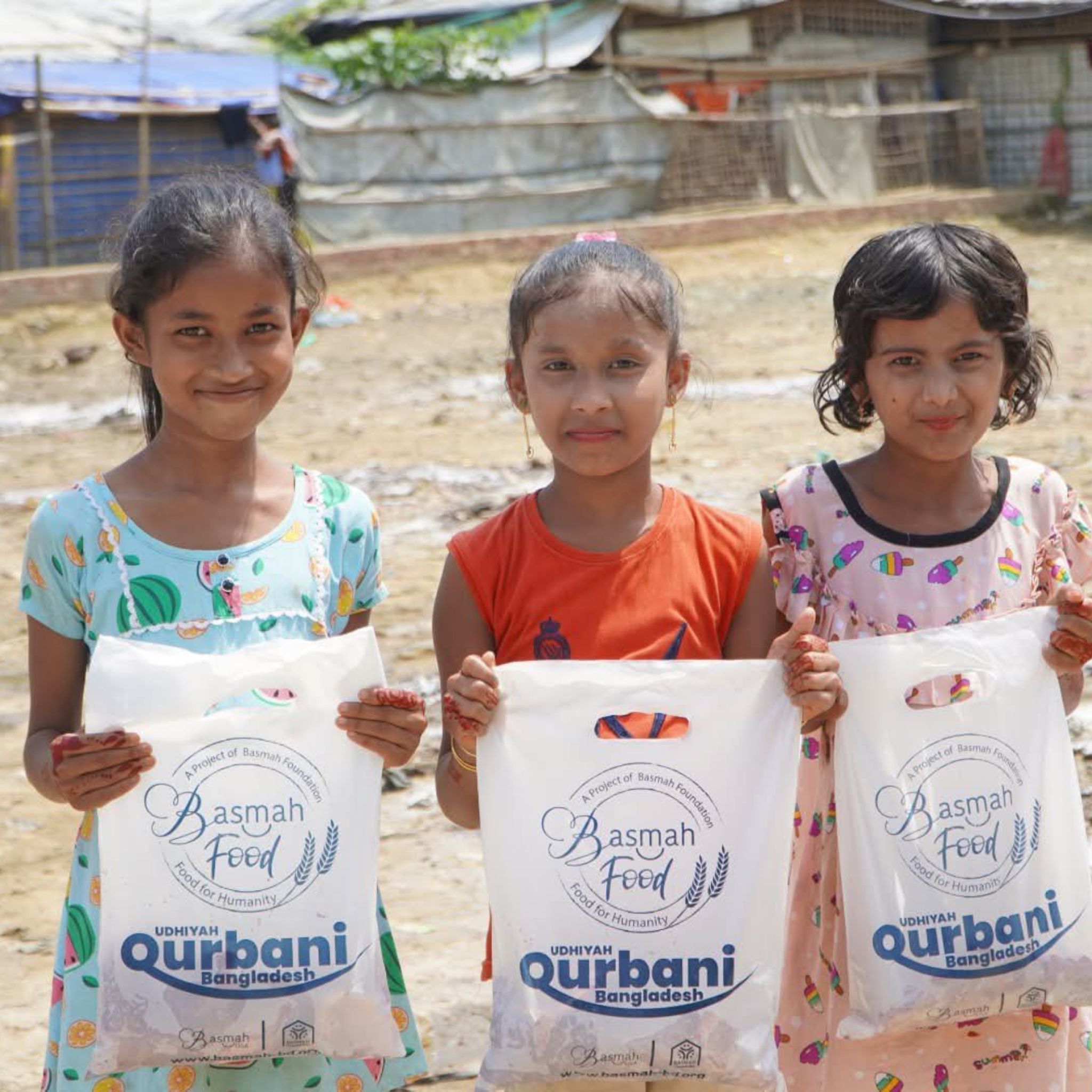
Every family that eats from your sacrifice makes du’a for you. Every child whose Eid meal came from your generosity grows up knowing that somewhere, a Muslim remembered them. Every elderly person who tasted meat they could not have afforded remembers, in their bones, that this Ummah has not abandoned them.

That du’a — rising from a camp in Bangladesh, from a tent in Syria, from a small home in rural Pakistan — reaches Allah (SWT). And your name is attached to it, even though they never knew it.

The Mistakes That Quietly Destroy Qurbani Rewards — and How to Avoid Every One

Vague, hollow intention. “I am doing it because we always do it” is not a niyyah — it is a habit. Invest time in your intention before Eid arrives.

Choosing the cheapest possible animal without checking its condition. A defective or underaged animal does not fulfil the obligation. The money spent means nothing if the sacrifice is invalid.

Sacrificing before the Eid prayer ends. This is perhaps the most common serious mistake. Wait. Always wait. No matter how organised you want to be, no matter how many animals need to be processed — none of them may be slaughtered until the Salah is complete.

Keeping all the meat for your own household. Technically permissible in some scholarly opinions, but spiritually impoverishing. The community-building and charitable dimensions of Qurbani are not optional decorations — they are load-bearing pillars of the act.

Paying the butcher with Qurbani meat. Sacred meat cannot become commercial currency. Pay them separately.

Delegating everything and emotionally disconnecting. Writing a cheque and forgetting about it is not the full experience of Qurbani. Stay engaged. Make your intention clearly. If you are donating through an organisation, follow up. Understand what your sacrifice achieved and who it reached.

The Verse That Holds the Entire Guide Together

(SWT) says this in the Qur’an, and it reframes everything:

“Neither their meat nor their blood reaches Allah — but it is your taqwa that reaches Him.” (Qur’an 22:37)

Not the animal. Not the cost. Not even the meat that feeds the hungry — though all of that matters enormously. What reaches Allah — the only thing that reaches Allah — is the taqwa behind the act. The God-consciousness. Sincerity. The love.

You could sacrifice a thousand animals with an empty heart and earn almost nothing. You could sacrifice one modest goat, in a quiet field, with tears of genuine love running down your face, with a heart completely turned toward Allah — and earn more than you can imagine.

This is what Qurbani truly asks of you: not your money, not your animal, not even your time. It asks for the one thing only you can give, the one thing no amount of wealth can purchase on your behalf.

Your heart. Fully. Without reservation.

Your Action Plan — From Today Until Eid Morning

Two weeks before Eid: Research trusted local suppliers or reputable international organisations. Calculate how many Qurbanis are obligatory in your household. Set aside the funds. Begin making du’a for acceptance.

One week before: Confirm your arrangements. If giving locally, identify the animal. If donating internationally, book early — organisations fill up quickly as Eid approaches. Identify the families or communities who will receive your meat.

Three days before: If purchasing locally, bring the animal home. Begin the care period. Sharpen your equipment. Prepare your meat distribution bags and your list of recipients.

The night before Eid: Make sincere Tawbah. Ask Allah to forgive your shortcomings and accept what you are about to offer. Make your full, detailed niyyah. Go to sleep with Eid on your mind and Allah in your heart.

Eid morning: Wake early. Make wudu. Attend the Eid prayer with complete presence — not as a preamble to the “real event,” but as worship in its own right. Then — after the Salah, not before — perform or supervise your Qurbani with full intention and full presence. Distribute immediately.

After Eid: Thank Allah for the opportunity to obey Him. Follow up on any charitable distribution. Reflect on what the experience taught you. And begin planning to do it better next year.

A Final Word — Before the Days Arrive and Depart

The days of Dhul Hijjah do not wait.

They arrive with breathtaking speed and depart before you have fully registered that they came. The window for Qurbani is three days — three days out of three hundred and sixty-five — and once the sun sets on the 12th, it is closed until next year.

This year, let something be different. Not just in the steps you follow — though follow them completely, follow them carefully — but in the spirit you bring to each one.

When you make your intention, mean it in the marrow of your bones. When you choose your animal, choose it like you are choosing a gift for the most important relationship in your life. When you say Bismillahi Allahu Akbar, let those words carry the full weight of what they mean. When you distribute the meat, remember that you are not just following a distribution rule — you are feeding someone’s child, comforting someone’s grief, making someone’s Eid possible.

And when it is all done — when the day has passed and the meat has been distributed and the family has gathered and Eid is settling into the quiet of the evening — sit with what you have done.

You followed the command of Allah (SWT). You revived the Sunnah of Ibrahim (AS). You fed the hungry. You drew closer to your Creator.

That is not a small thing. That is not a routine. That is the kind of act that echoes forward into your Akhirah long after this world has faded.

May Allah accept every sacrifice offered with a sincere heart this Eid ul-Adha.

May He grant Barakah in the meat, joy to those who receive it, and Jannah to those who gave it.

May He write your name — and the names of everyone you sacrificed on behalf of — among those who answered His call completely.

Ameen, ya Rabbal Alameen.

Taqabbal Allahu Minna Wa Minkum.

May He accept — from us, and from you.

These days are almost here. Your intention is waiting to be made. The Ummah is waiting to be fed.

Do not let this Qurbani be the one you look back on and wish you had given more of yourself to.

Give everything. Mean everything. Allah sees everything.

Related Posts

Share this post

ZAKAH CALCULATOR

Deductions

Totals