...

Qurbani Meaning and its Story

Qurbani

The Heart-Stirring Meaning of Qurbani: A Timeless Tale of Love, Surrender, and Barakah That Echoes Through Every Muslim Home

May the story of this sacred sacrifice soften your heart, ignite your obedience, and shower your family with endless mercy from the Most Compassionate

In the hushed moments before Eid al-Adha, when the crescent of Dhul Hijjah graces the sky, something profound stirs within the soul of every believer. Qurbaniโ€”that beautiful act of sacrificeโ€”calls us back to the very essence of faith. It is not simply the slaughter of an animal on certain blessed days. It is a living reminder of total surrender to Allah (SWT), a bridge between our fleeting dunya and the eternal gardens of Jannah, and a powerful expression of gratitude that binds the Ummah in compassion and hope.

This guide delves deeply into the true meaning of Qurbani, its inspiring story, the clear rules that protect its sanctity, who must participate, and how its blessings continue flowing long after the meat is shared. Whether you are preparing your first sacrifice or seeking to deepen your understanding, may these words bring you closer to the One who sees every sincere intention.

What Does Qurbani Truly Mean? Beyond the Ritual to the Heart of Submission

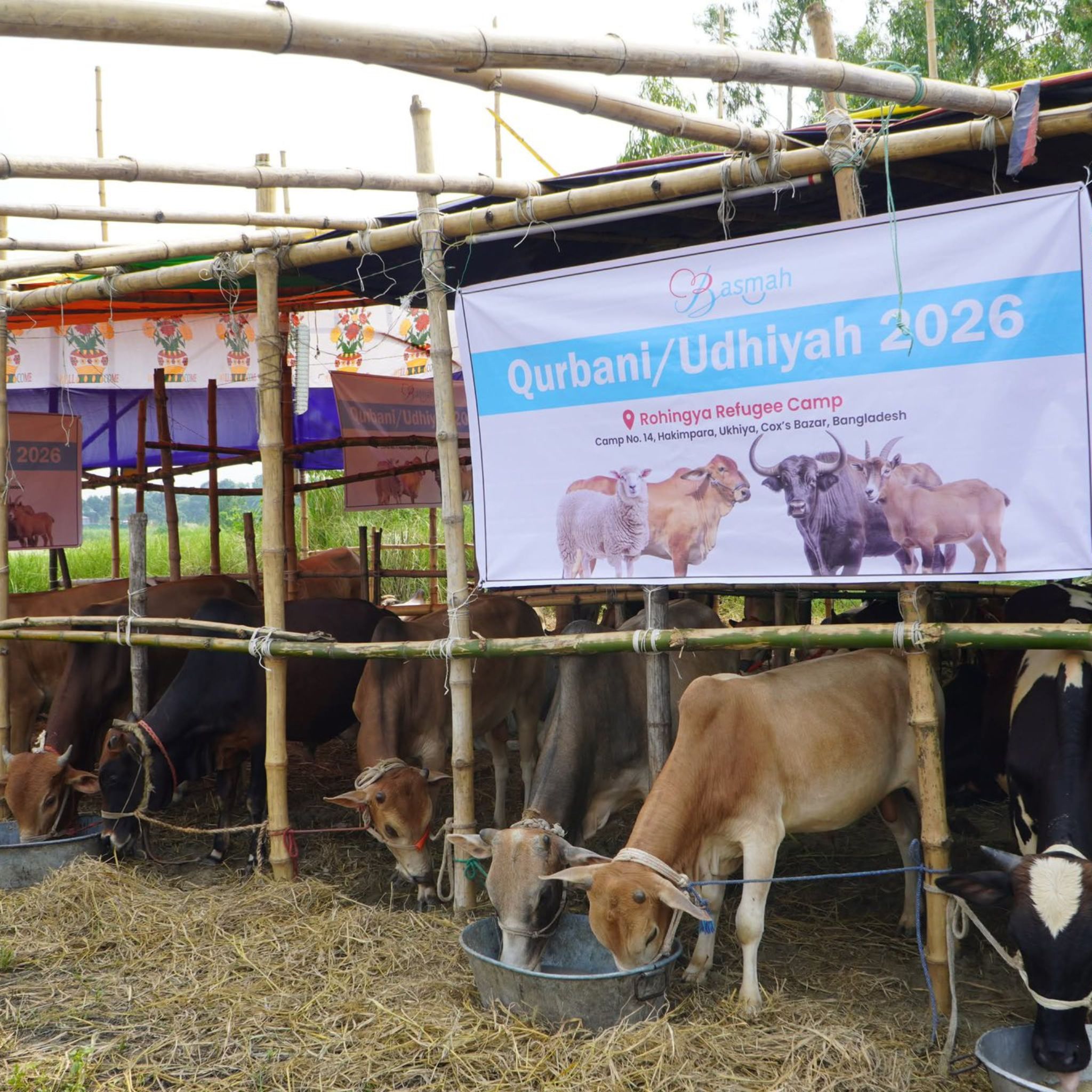
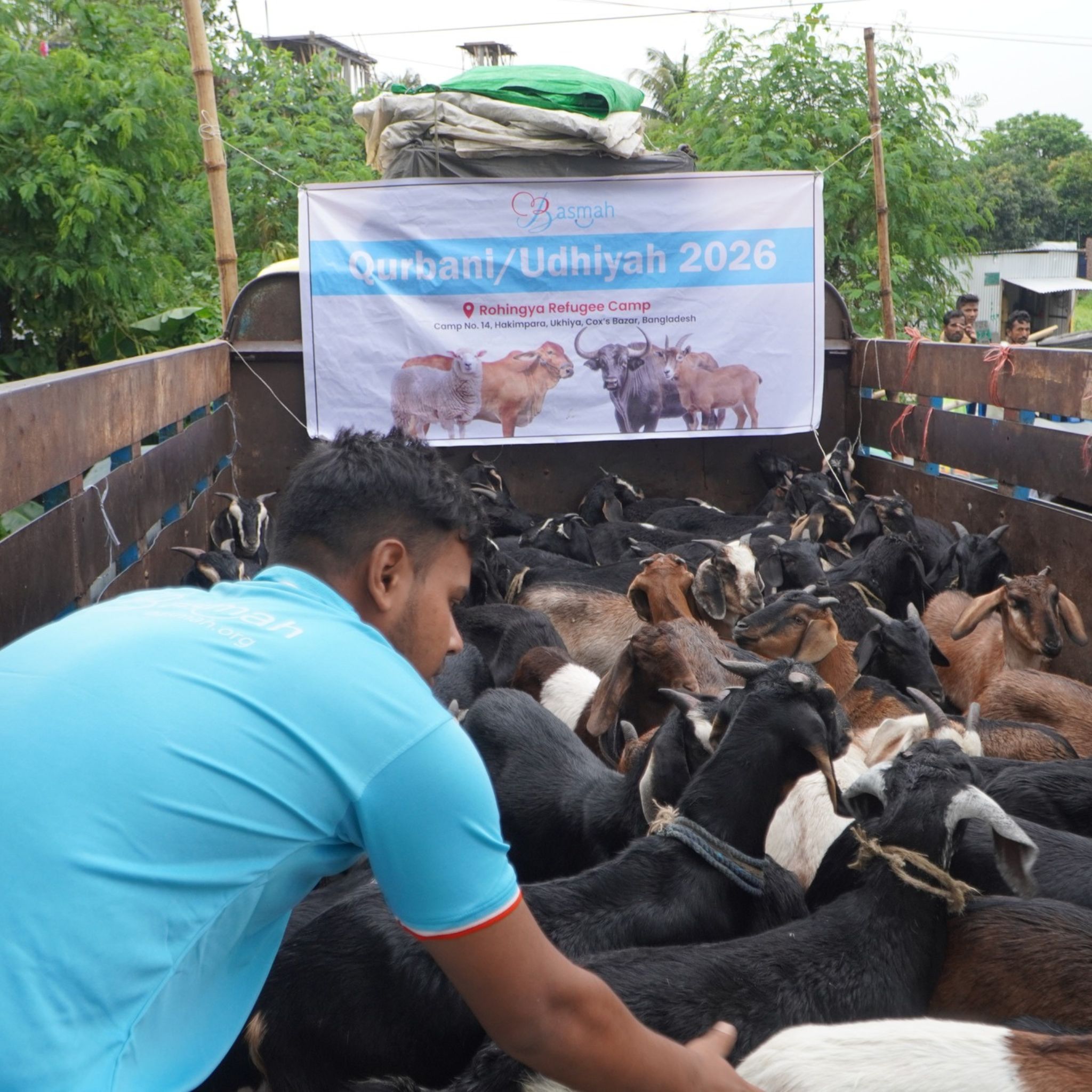
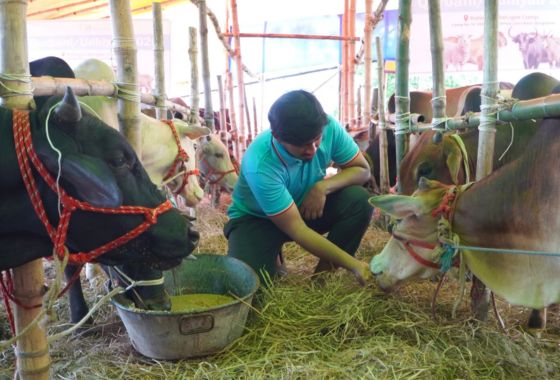
The Arabic word โ€œQurbaniโ€ (or Udhiyah) comes from roots meaning โ€œnearnessโ€ or โ€œcloseness.โ€ It is the act of drawing nearer to Allah by giving up something valuable in His path. Every year, during the sacred days of Eid al-Adha, Muslims offer healthy animalsโ€”goats, sheep, cows, or camelsโ€”as a symbol of devotion.

Yet the meat and blood do not reach Allah. As the Quran beautifully declares in Surah Al-Hajj (22:37): โ€œIt is neither their meat nor their blood that reaches Allah, but it is your piety that reaches Him.โ€ This verse pierces the illusion of formality. Qurbani is about the heartโ€”the willingness to release attachments, the joy in obedience, and the empathy awakened when we feed those who hunger.

In a world that pulls us toward accumulation, Qurbani whispers a different truth: real richness lies in letting go for the sake of the Creator. It transforms ordinary wealth into ongoing charity (Sadaqah Jariyah), multiplies rewards during the most blessed days, and plants seeds of barakah that bloom in this life and the next.

The Moving Story of Prophet Ibrahim (AS): The Ultimate Test of Love and Trust

The roots of Qurbani stretch back to one of the most powerful narratives in Islamic historyโ€”a story that still brings tears to eyes and strength to hearts across the Ummah.

Prophet Ibrahim (peace be upon him), the friend of Allah, received a command in a dream: sacrifice your beloved son, Ismail (AS). This was no ordinary test. Ibrahim had longed for a child for decades. When Ismail finally arrived as a gift in his old age, the command came to offer him back.

Imagine the fatherโ€™s aching heart. The sonโ€™s quiet courage. Together they walked toward the place of sacrifice. Ismail, showing remarkable faith, comforted his father: โ€œO my father, do as you are commanded. You will find me, if Allah wills, of the steadfastโ€ (Surah As-Saffat 37:102).

At the final moment, as the blade was drawn, Allahโ€™s mercy descended. A ram from heaven replaced the boy. The sacrifice was acceptedโ€”not through loss, but through complete submission. Allah declared: โ€œO Ibrahim, you have fulfilled the vision. Indeed, We thus reward the doers of goodโ€ (37:105).

This event teaches us that Allah never desires harm to His servants. He tests to elevate. He asks for what we love so He can replace it with something betterโ€”closer connection, multiplied barakah, and eternal reward. Every Qurbani revives this story in our homes. When you stand before your animal, you echo Ibrahimโ€™s โ€œYesโ€ to Allah. You declare that nothingโ€”not wealth, comfort, or even the deepest lovesโ€”ranks above His pleasure.

The Prophet Muhammad ๏ทบ carried this legacy forward. He performed Qurbani annually, sometimes offering extra animals on behalf of his Ummah, including those unable to afford it. His example shows that this act is both personal worship and communal care.

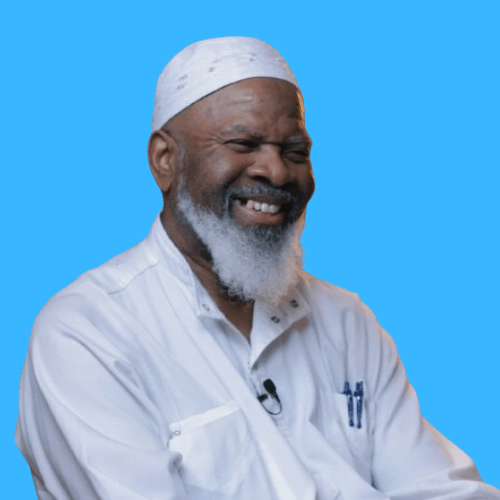
Iโ€™m on the advisory board of this great organization, Basmah. And Iโ€™m saying to you, from a man on the inside, they do a lot of incredible work. Iโ€™m amazed every day by more and more work; they donโ€™t stop, they never stop.
Imam Siraj Wahhajย ย 

Imam Siraj Wahhaj

Honorary advisor of BASMAH

Why Do We Perform Qurbani Today? Lessons That Shape Our Lives

Qurbani is far more than tradition. It:

  • Strengthens Taqwa: It trains the soul to prioritize Allah over desires.
  • Cultivates Empathy: Sharing meat reminds us of those who struggle daily.
  • Revives Sunnah: Following the Prophet ๏ทบ brings us closer to him on the Day of Judgment.
  • Multiplied Rewards: Hadiths promise that for every hair or strand on the animal, a good deed is recorded. The sacrifice is accepted before the blood even touches the ground.

It is not Zakat (which is obligatory purification of wealth) but can complement it. Nor is it mere Sadaqah, though the distribution carries charityโ€™s rewards. It stands uniqueโ€”an act of worship tied to specific days, specific animals, and specific intention.

Many parents use it as tarbiyah (upbringing). Children who help choose the animal, witness the care, and join in distribution grow up understanding generosity as faith in action.

Clear Rules of Qurbani: Ensuring Acceptance and Maximum Barakah

To fulfill this worship properly, certain conditions must be met. These guidelines come from the Sunnah and protect the dignity of the act.

Eligible Animals and Their Qualities

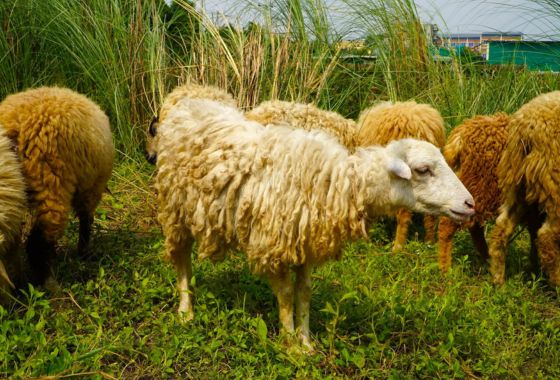
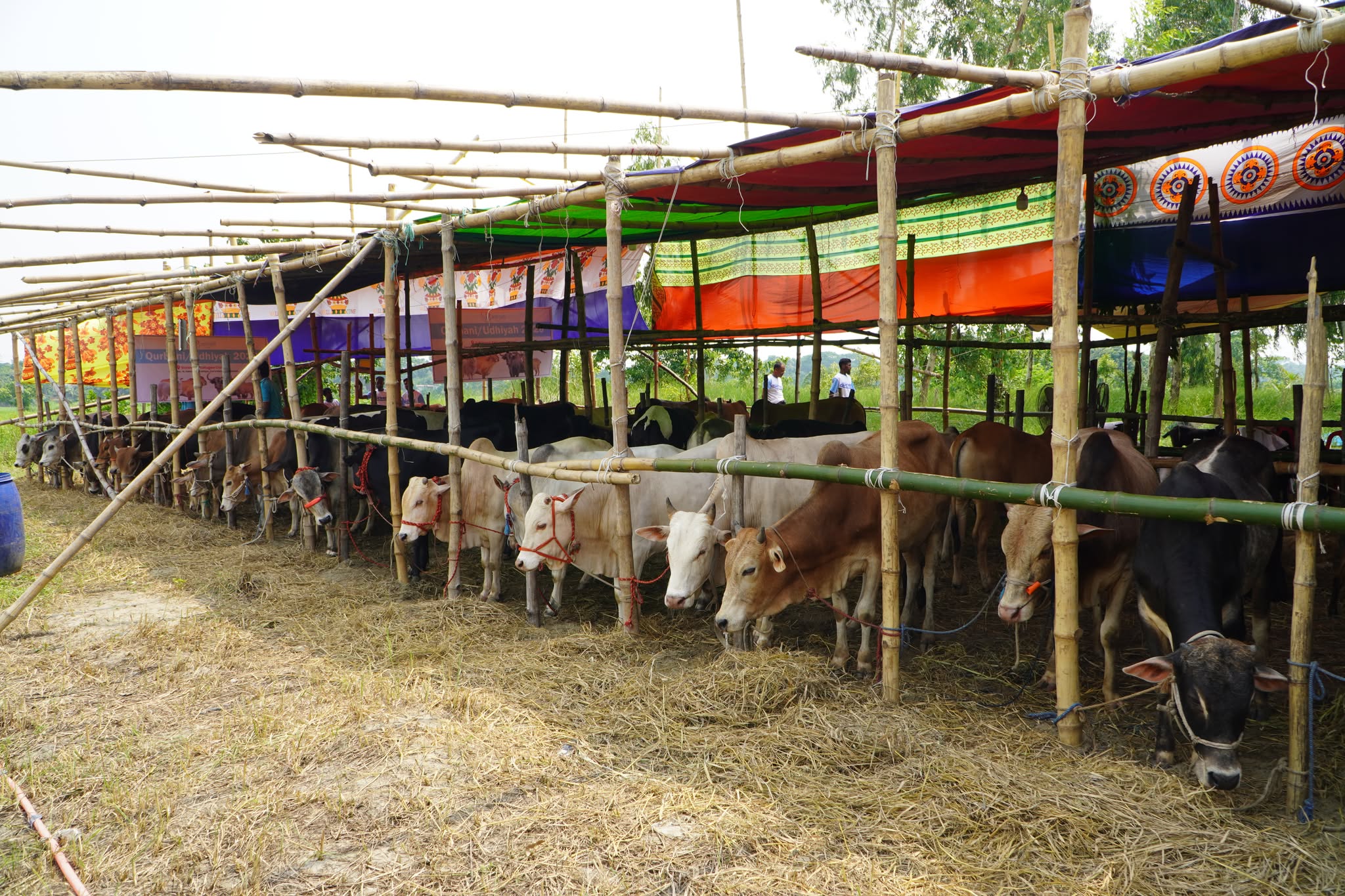
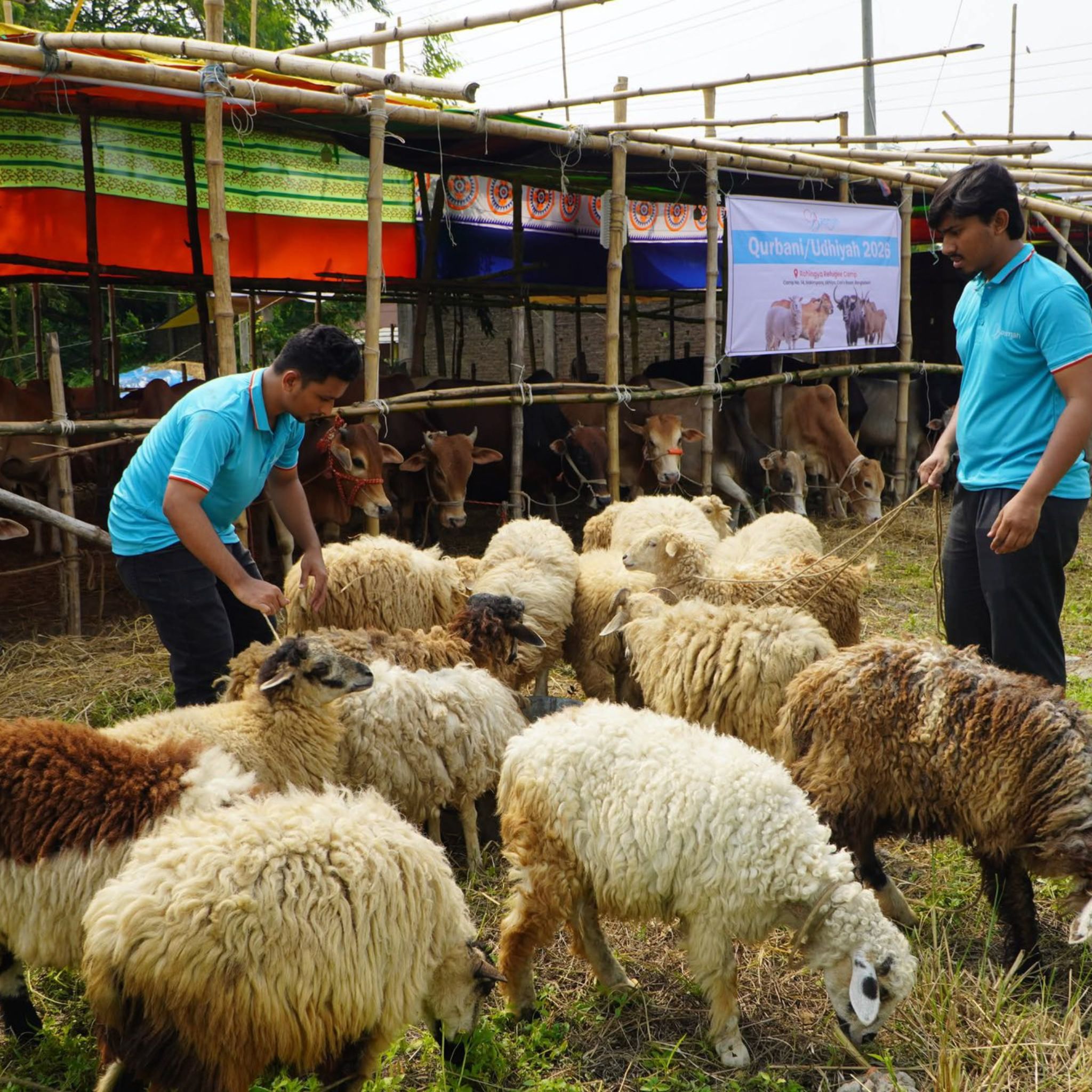
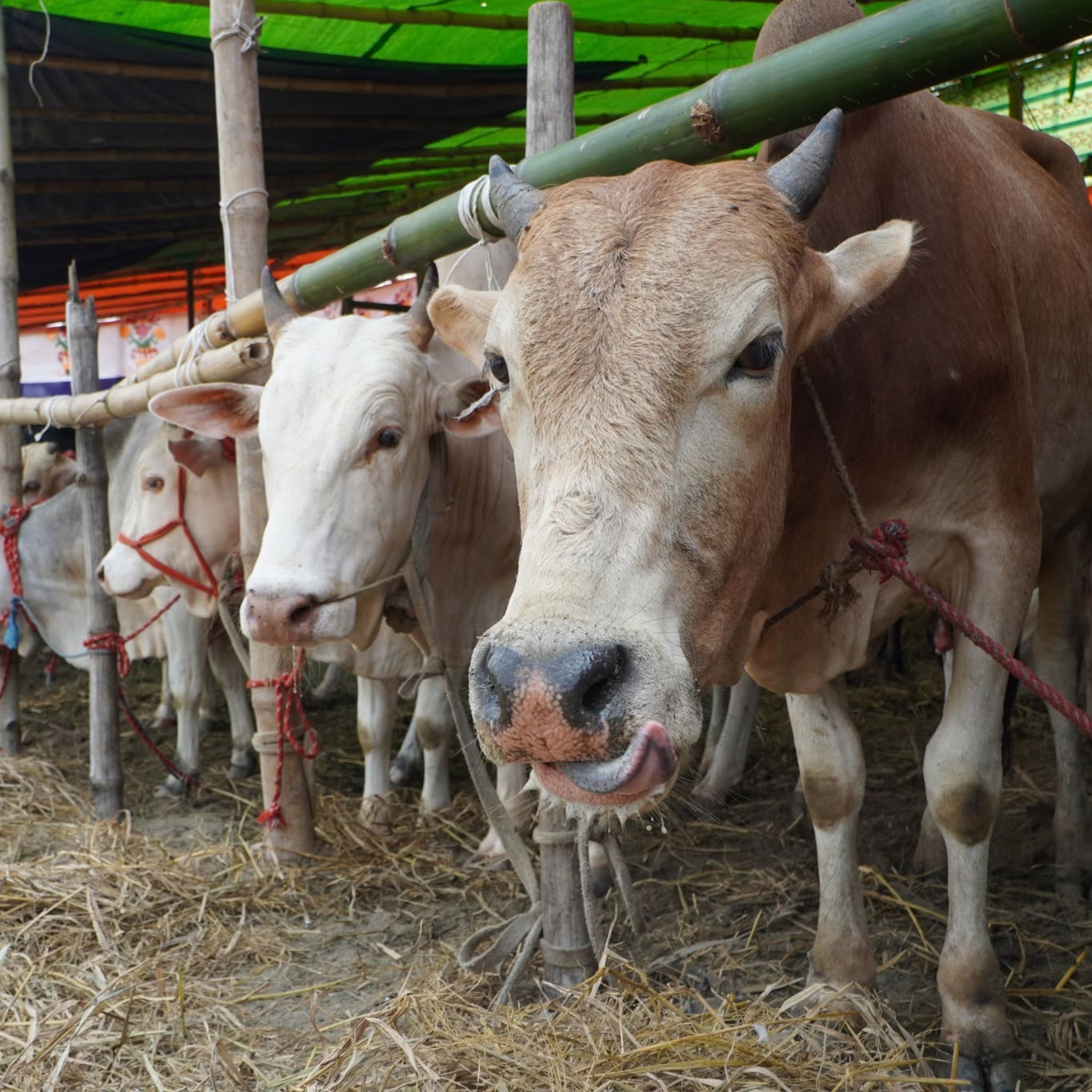
Only certain livestock qualify: goats, sheep, cows/buffalo, and camels. They must be healthy, free from major defects, and meet age requirements:

  • Sheep and Goats: At least one year old (one share per animal).
  • Cows and Buffalo: At least two years old (up to seven shares).
  • Camels: At least five years old (up to seven shares).

Health Conditions (must be free from):

  • Blindness or significant loss of sight.
  • Severe lameness (must walk normally to the place of sacrifice).
  • Emaciation or obvious illness.
  • Broken horns (minor damage may be acceptable in some views).
  • Loss of more than one-third of ear or tail.
  • At least half the teeth intact.

Male or female animals are acceptable. The creature should have lived with care, reflecting the mercy Islam teaches toward all creation.

Who Must Perform Qurbani?

According to the Hanafi school, it is wajib (obligatory) upon every sane, adult Muslim (post-puberty) who possesses wealth above the nisab threshold (approximately 87.48g gold or 612g silver equivalent, after essentials and debts) and is not traveling far. Other schools view it as Sunnah Muโ€™akkadahโ€”strongly recommended for those who can afford it without hardship.

If you pay Zakat, you are generally expected to offer Qurbani. Families can cooperate, and one valid sacrifice may cover the household in some opinions, though individual offerings bring greater personal reward.

The Blessed Timing

Qurbani begins after the Eid al-Adha prayer on the 10th of Dhul Hijjah and continues through the 12th (some scholars allow the 13th until sunset). Sacrifices before the Eid prayer count only as optional charity and should be repeated. The first day carries the greatest virtue.

ย 

Sacred Slaughter: Performing with Ihsan and Reverence

The method must embody excellence:

  • Use a sharp knife for a swift cut.
  • Say โ€œBismillahi Allahu Akbarโ€ clearly at the moment of slaughter.
  • Face the Qiblah.
  • Do not sharpen the knife in front of the animal or let one animal witness another.
  • Treat the creature gently until the end.
  • Allow the body to cool fully before skinning.

These rules minimize suffering and maximize spiritual focus. If you cannot slaughter yourself, entrust it to a trustworthy Muslim while making your intention clear.

Distributing the Meat: The Division That Spreads Mercy

The Sunnah encourages dividing the meat into three portions:

  • One-third for your family to enjoy.
  • One-third for relatives, friends, and neighbors.
  • One-third for the poor, needy, orphans, and widows.

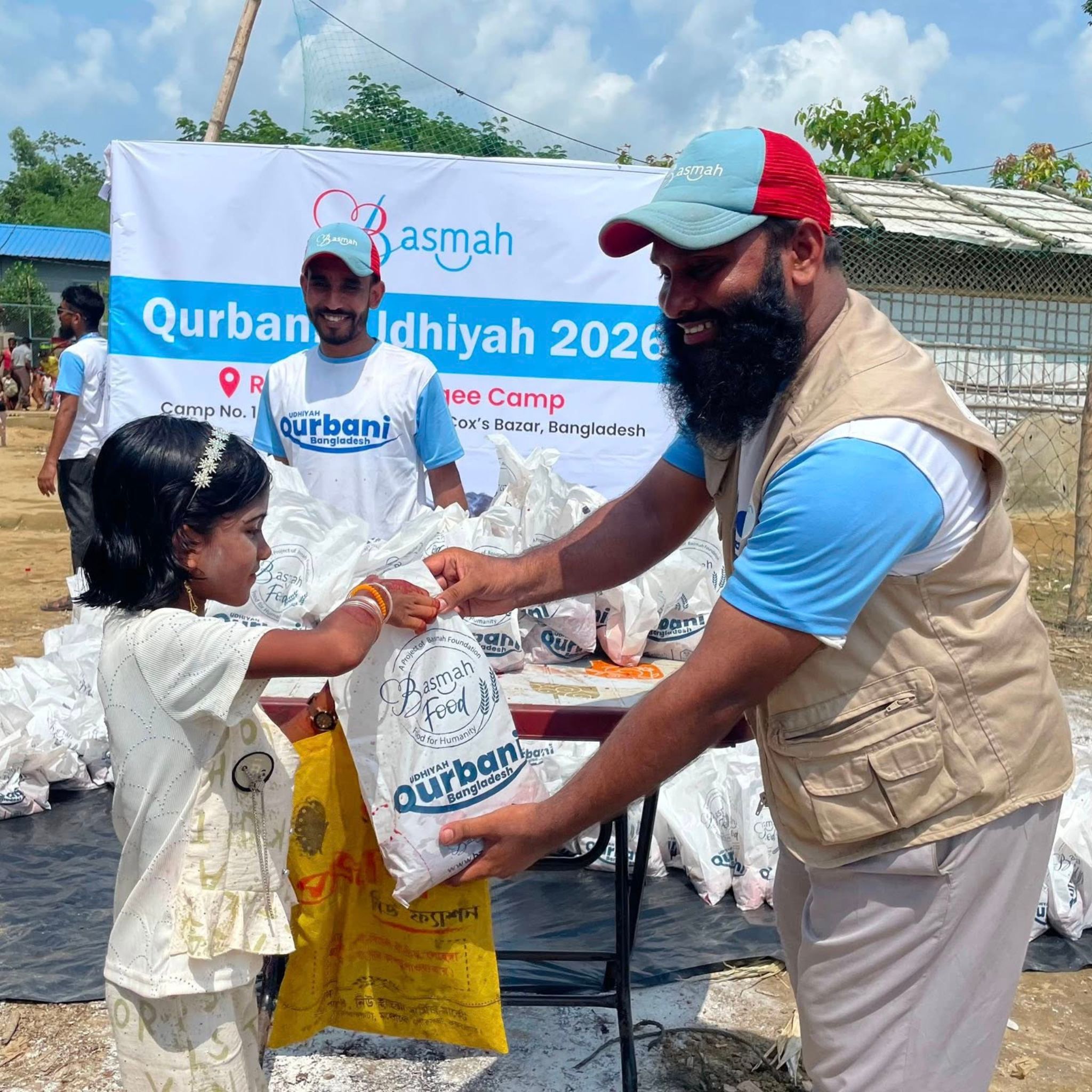
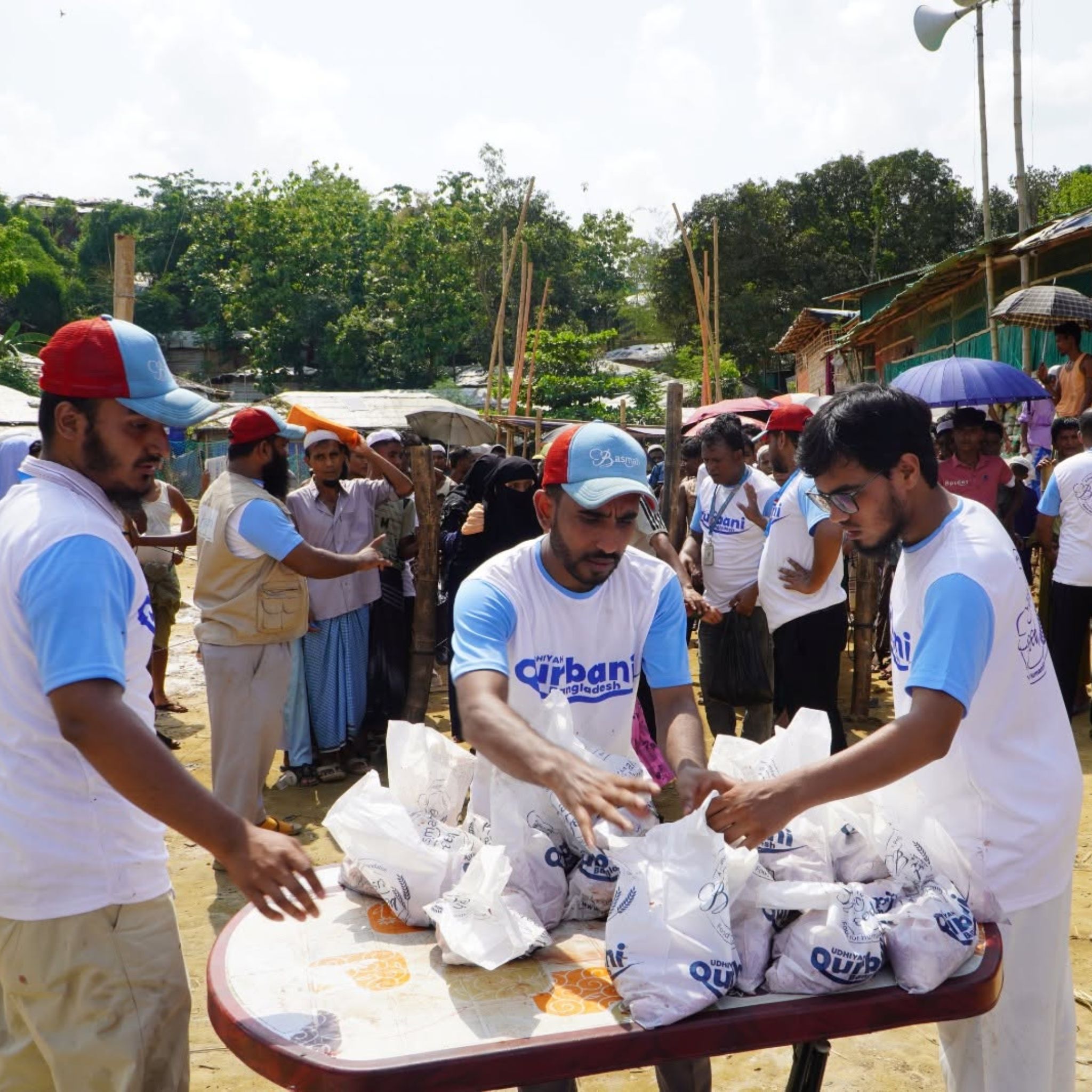
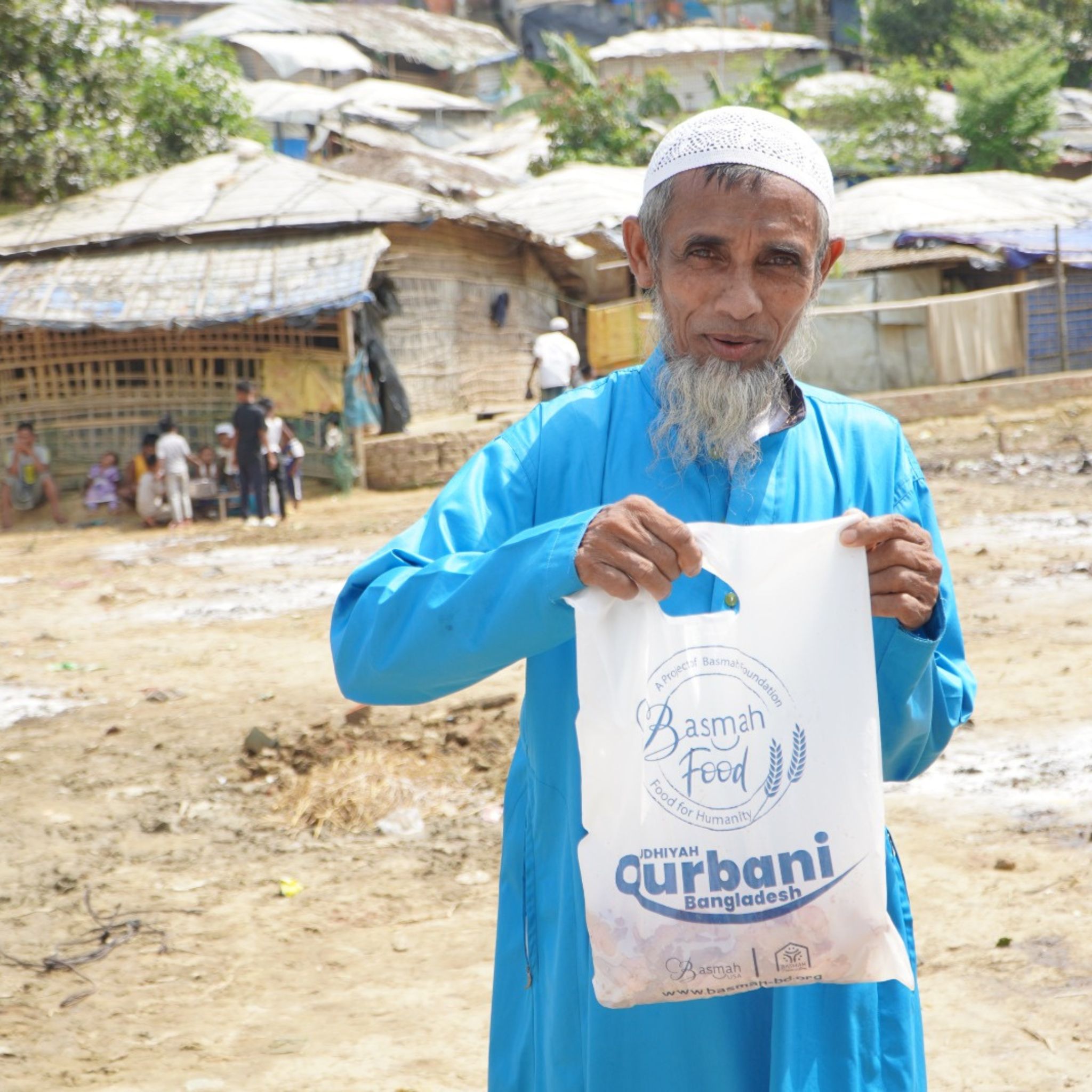
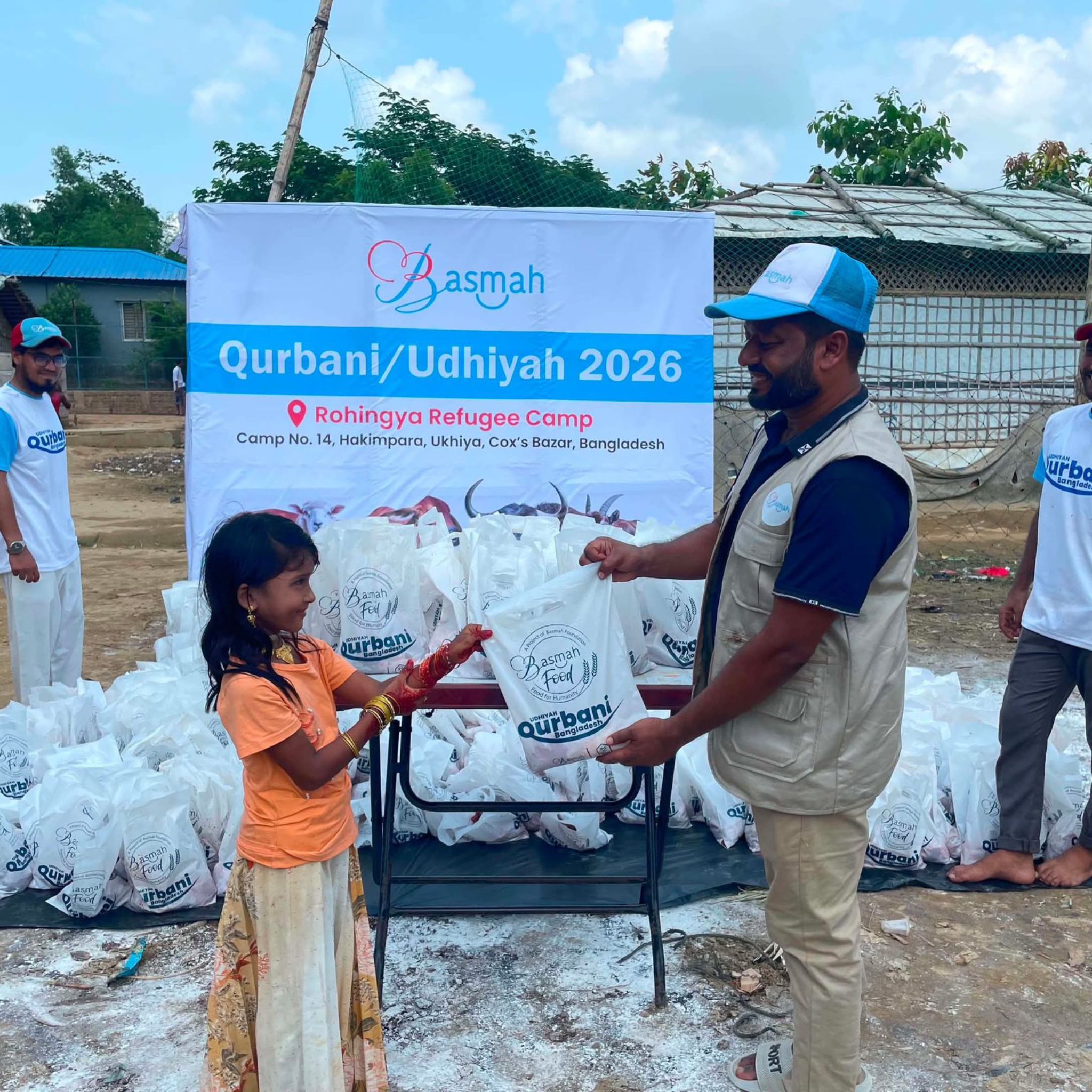
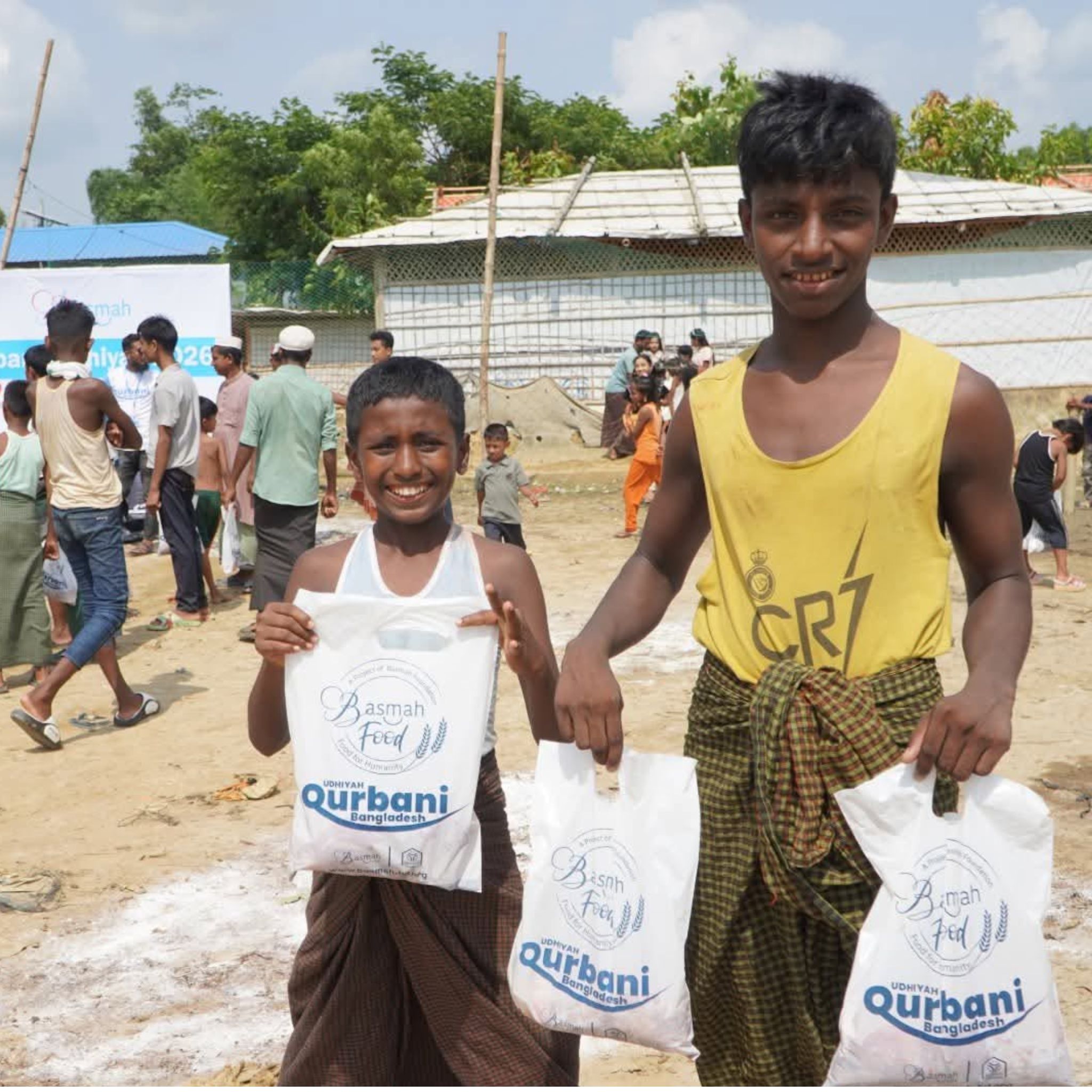
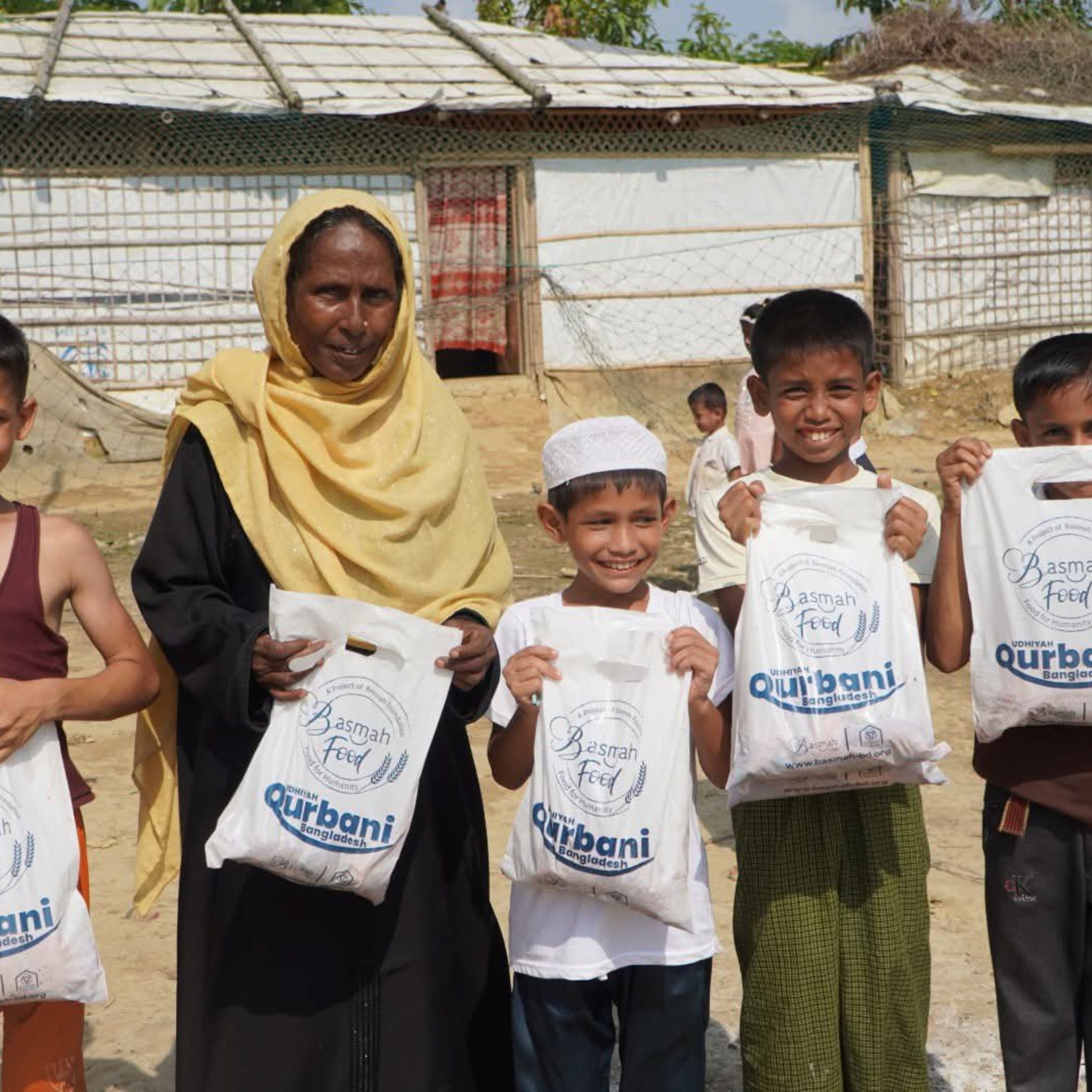
This creates balanceโ€”celebration at home, strengthened ties, and support for the vulnerable. When donating through charities, the entire animal often goes to those in greatest need, while you still receive full reward. Meat may be shared with non-Muslims as an act of kindness.

You can also offer Qurbani on behalf of deceased parents or loved ones as ongoing Sadaqah Jariyah, sending blessings to their souls.

Common Questions from the Heart of the Ummah

Is Qurbani compulsory on Eid al-Adha? For those meeting the conditions, yes in the Hanafi view; highly emphasized otherwise.

Can we do it on behalf of deceased parents? Absolutelyโ€”beautiful and rewarding.

What if I cannot afford it? Allah does not burden a soul beyond its capacity. Focus on sincere intention and smaller acts of charity.

Is it better to do it locally or abroad? Both have virtue. Local allows personal involvement; abroad reaches greater need.

The Deeper Impact: How Qurbani Changes Families and Communities

Beyond rules lies transformation. Families who plan together grow closer. Children learn empathy by helping pack portions. The Ummah feels its unity when meat reaches distant villages. Barakah enters homesโ€”sometimes as eased trials, increased rizq, or profound peace.

On the Day of Resurrection, the animal will testify for you. Rewards continue flowing as long as people benefit from the meat or remember your kindness in their duas.

Practical Steps to Make This Your Most Meaningful Qurbani Yet

  1. Calculate your nisab and intention early.
  2. Research trusted organizations or local arrangements.
  3. Choose healthy animals meeting all criteria.
  4. Prepare spirituallyโ€”increase salah, Quran, and dua in the first ten days.
  5. Perform or witness with full presence.
  6. Distribute thoughtfully and reflect with gratitude.
  7. Inspire othersโ€”your example multiplies good deeds.

A Gentle Yet Powerful Call: Answer the Call of Ibrahimโ€™s Legacy

As Dhul Hijjah approaches, remember that these days are like none other. Rewards multiply seventy-fold or more. A hungry child somewhere awaits your generosity. Your own soul yearns for closeness to Allah.

Do not let this opportunity slip. Whether one small share or a full animal, what matters is the love and sincerity behind it. Offer with an open heart, and watch Allah open doors you never imagined.

May every Qurbani you perform draw you nearer to Him. May it protect your family, uplift the Ummah, feed the needy, and become a heavy weight on your scale of good deeds. May Allah accept it from all of us and grant us the highest levels of Jannah alongside Ibrahim, Ismail, and the Prophet Muhammad ๏ทบ.

O Allah, accept our sacrifices as You accepted from Your beloved servants. Shower us with barakah, forgive our shortcomings, unite our hearts, and enter us into Your Paradise with the righteous. Ameen ya Rabb al-Alameen.

The story of Qurbani lives on through you. Let this yearโ€™s offering be your most sincere yetโ€”a true reflection of love, surrender, and hope for the Ummah and the Akhirah.


Qurbani means sacrifice. Every year during the Islamic month of Dhul Hijjah, Muslims around the world slaughter an animal โ€“ a goat, sheep, cow, or camel.


Any animal chosen for sacrifice should be in good health and have no illness or disease, including; Their horns cannot be broken.

They must have at least half their teeth.

They cannot have lost a third or more of their ears or tail.

They cannot be blind or have lost a third or more sight.


Qurbani is observed by Muslims in order to honor the sacrifice that Ibrahim (AS) was prepared to make as he demonstrated the level of devotion and submission Allah (SWT) expects.


Qurbani is Zakat. However, people can sacrifice an animal as a sadaqah during Dhul Hijjah.


Yes, giving Qurbani to deceased parents is permissible


Qurbani is a vital part of Islam, but as, Zakat and Ramadan, not everyone can observe it like

Eid al-Adha is the second of two major Islamic festivals celebrated worldwide each year.

It falls within the month of Dhul Hijjah (the 10th month in the Islamic calendar) and marks the end of a period of fasting during which Muslims traditionally donate money and goods to help those less fortunate than themselves.

The festival lasts for four days and commemorates Ibrahimโ€™s willingness to sacrifice his son.

Related Posts

Share this post

ZAKAH CALCULATOR

Deductions

Totals