 Skip to content
The First 10 Days of Dhul Hijjah: Your Path to Jannah and Unlimited Barakah
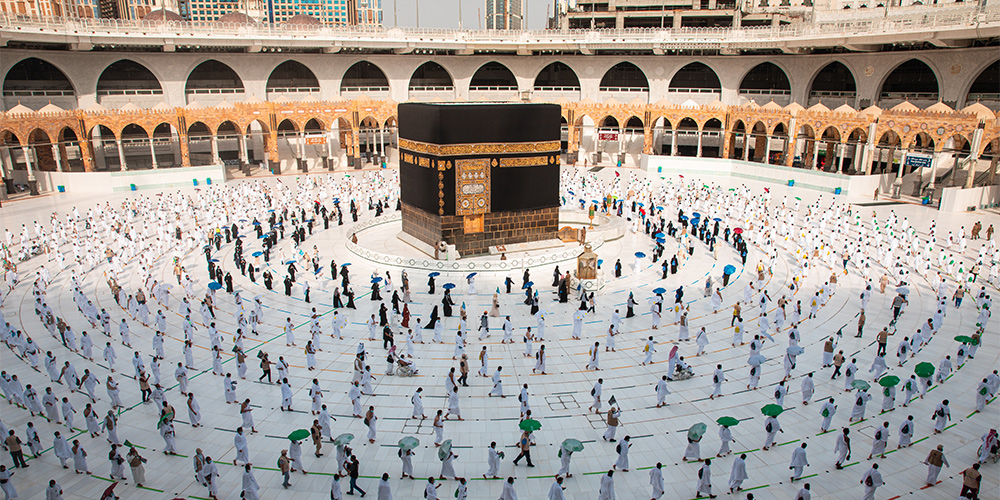
The First Ten Days of Dhul Hijjah: A Letter to the Believer Who Knows These Days Matter
And who is determined, this year, to actually live them.
- Apr 13, 2026
- Why These Days Sit at the Very Top
- Fast the Days — And Understand What Fasting Here Actually Means
- The Day of Arafah: Give It Everything That Remains
- Read the Quran — Imperfect, Struggling, Consistently
- Dhikr: The Practice That Turns Every Moment Into Worship
- Pray — But Pray as Though You Believe Someone Is Listening
- Seek Forgiveness — Without Embarrassment, Without Limit
- Give Sadaqah — More Generously Than Feels Comfortable
- Qurbani: Because Ibrahim's Story Deserves More Than Our Passive Admiration
- Remember the Ummah — Because These Days Were Not Designed for Private Spirituality Alone
- A Practical Shape for Ten Days — Honest, Not Overwhelming
- These Days Are Coming — The Only Question Is Who You Will Be In Them

Something happens every year that quietly breaks the heart of anyone paying attention.
The first ten days of Dhul Hijjah arrive. The most beloved days in the sight of Allah — not a claim made by scholars, not a pious exaggeration, but a direct statement from the Prophet ﷺ preserved in Sahih al-Bukhari. The days Allah honored with a divine oath in the Quran. The days when the spiritual soil is so fertile that a single seed of good intention grows into something the Akhirah alone can measure.
And most of us — good people, believing people, people who genuinely love Allah and want to be better — let them pass like any other week.
Not out of indifference. Out of something more complicated: we know they matter, we feel the pull of them, and somehow that awareness never quite converts into action before the days are gone.
This is written for the person who is done with that pattern.
Why These Days Sit at the Very Top
- The Prophet ﷺ was asked — after declaring these ten days the most beloved to Allah — whether not even Jihad fi sabilillah surpassed them. His answer was no. Except for the one who goes out with everything and returns with nothing.
- These were companions who understood sacrifice in ways most of us will never be tested to understand. And the Prophet ﷺ told them that what they could do in these ten days — in their homes, in their neighborhoods, in the ordinary fabric of daily life — surpassed even that. The scale of this statement has not diminished across the centuries. It lands today exactly as it landed then.
- Allah confirmed these days in His own Book. Surah Al-Fajr opens: “By the dawn. By the ten nights.” When the Creator of existence takes an oath by something in His own revelation, that something has earned a category of significance no human tongue can adequately convey. The scholars are nearly unanimous — those ten nights are the first ten nights of Dhul Hijjah.
- And Dhul Hijjah itself is one of the four sacred months Allah designated in the Quran — months in which every action carries amplified weight, for good and for harm alike. Within those sacred months, Dhul Hijjah is the crown. Within Dhul Hijjah, the first ten days are the jewel at its center.
- The convergence of worship that fills this window explains the elevation. Hajj happens here. Arafah — the greatest day of the Islamic year — falls on the ninth. Eid al-Adha, the commemoration of Ibrahim’s ﷺ total surrender, falls on the tenth. Qurbani, fasting, dhikr, Sadaqah, the Takbeer of Eid — virtually every major form of worship converges in a single ten-day window, creating a spiritual environment that the rest of the year simply does not replicate.
- This environment is available to you wherever you are. The Barakah is not geographically restricted to Makkah. Every believing heart that turns toward Allah during this window — in Dhaka, in London, in a small village in Indonesia, in a high-rise in Dubai — is enveloped in the same sacred atmosphere. The pilgrims on the plain of Arafah are not the only ones who can draw from what these days offer. The Barakah is for the entire Ummah.
Fast the Days — And Understand What Fasting Here Actually Means
- The Prophet ﷺ fasted the first nine days of Dhul Hijjah. Regularly. As a recognized, consistent feature of how he inhabited this sacred window. Not occasionally, not when the weather cooperated, not when his schedule allowed — consistently, with full awareness of what these mornings were worth.
- His example is the first invitation. But what makes Dhul Hijjah fasting theologically extraordinary is what Allah said about fasting itself — in a hadith Qudsi, His own direct words: “All the deeds of the son of Adam are for him, except fasting. It is for Me, and I shall reward it.”
- Every other act of worship has a known multiplier. The Quran specifies ten times. Other hadith mention seven hundred times, more according to sincerity and circumstance. But fasting? Allah handles the reward personally. No announced ceiling. No declared scale. Just divine generosity operating without stated limit, applied to every hour of voluntary hunger you experience during these nine mornings.
- The Prophet ﷺ also told us something specific about the multiplication of deeds during these days — that fasting one of these days carries the reward of fasting an entire year, and that praying one of these nights carries the weight of Laylatul Qadr. These are not motivational metaphors. They are precise statements from the most truthful human being who ever lived, about the mechanics of divine reward during the most beloved days of the year.
- Each hunger pang you sit with during these nine mornings — for His sake, consciously, deliberately — is seen. Each moment of thirst chosen over convenience is recorded. The discomfort ends at Maghrib every single evening. The reward does not end. It follows you into your grave, into Barzakh, into the Akhirah — and its size will astonish you when you finally see it.
- If nine days cannot happen — and for some people, genuinely, they cannot — protect the ninth with everything you have.

The Day of Arafah: Give It Everything That Remains
No day in the Islamic calendar carries what the ninth of Dhul Hijjah carries. Not Laylatul Qadr in the narrow sense of individual deed-for-deed reward. Not the first night of Ramadan. Not Eid. Arafah is singular, and its singularity is worth sitting with before rushing to the practical instructions.
On this day — during the farewell Hajj, with the Prophet ﷺ surrounded by tens of thousands of companions on the plain outside Makkah — Allah revealed the ayah that sealed the religion: “This day I have perfected for you your religion and completed My favor upon you and have approved for you Islam as your religion.” (Al-Ma’idah 5:3) Islam was declared complete in Arafah. The faith you practice, the du’as you make, the prayers you offer — they belong to a religion whose completion was announced on this very day, every year.
On this day, Allah draws near to His servants in a way described nowhere else in the hadith literature with quite this texture. He descends to the nearest heaven. He directs the angels’ attention to the people calling out to Him — not because He needs the angels to look, but because He is, in a display of divine generosity that the word pride does not fully capture, honoring the act of turning toward Him. “Look at my servants. What do they want?” And His promise: those who come to Him on Arafah seeking mercy, even carrying sins as numerous as the ocean’s foam, will find forgiveness waiting.
No day in the year sees more souls freed from Hellfire than this one. The Prophet ﷺ confirmed it. This liberation extends to every believer who fasts this day and calls out to Allah — from every latitude, every time zone, every circumstance.
And fasting it carries the most specific reward stated for any single voluntary fast in the Islamic tradition. The Prophet ﷺ was asked directly. His answer: “It expiates the sins of the preceding year and the coming year.”
Two years. One fast. An exchange rate set by divine generosity that worldly arithmetic cannot process.
Spend Arafah’s final hours — from Asr until Maghrib — in sustained, unhurried du’a. Put the phone in another room. Raise your hands. Bring everything you have been carrying: your sins by name if you can bear to name them, the people you love by name, your fears for the Akhirah, your dreams for this life, your grief, your gratitude, your uncertainty. Nothing is too heavy to bring. Nothing is too small. Allah is not a busy deity who resents the volume of requests. He is the Most Generous, actively seeking servants to answer on the day He loves most.
The best du’a of Arafah — named by the Prophet ﷺ as the finest thing he and all the prophets before him said on this day:
La ilaha illallahu wahdahu la sharika lah, lahul mulku wa lahul hamdu wa huwa ala kulli shay’in qadir.
There is no god but Allah, alone, without a partner. To Him belongs all sovereignty, to Him belongs all praise, and He has power over all things.
Begin with this. Return to it throughout the day. Let it be the thread running through every other thing you ask.

Imam Siraj Wahhaj
Honorary advisor of BASMAH
Read the Quran — Imperfect, Struggling, Consistently
The Quran is not a book for those who have already mastered it. It never was. It is a book for the person who opens it haltingly, who moves their lips slowly over unfamiliar letters, who feels vaguely inadequate about their Arabic and reads anyway — because Allah’s words deserve to be received regardless of how polished the reception is.
The Prophet ﷺ addressed that person with characteristic mercy: “The one who recites the Quran and struggles with it, finding it difficult — for them is a double reward.” Double. Not a consolation. Not partial credit. Double — because the effort itself is the act of worship, not merely its outcome.
During these ten days, every letter carries amplified weight in the spiritual atmosphere Allah constructed for this window. One page after Fajr. One page after Maghrib. Even five minutes of genuine, attentive recitation — not background noise while doing something else, not passive audio while scrolling, but you and the words and the intention to receive them — plants something in these sacred days that will grow in ways you cannot track.
Read with your family in the evenings if you are able. Let children hear the Quran recited in the home during the most blessed days of the year. They may not remember the specific ayah. But they will remember that Quran was part of how Dhul Hijjah felt — and that memory will shape them long after these ten days have ended.
Dhikr: The Practice That Turns Every Moment Into Worship
The Prophet ﷺ gave a specific instruction for these days — not a general encouragement toward remembrance but a targeted directive: increase the Tahleel, the Takbeer, and the Tahmeed. Increase them. During these days, above all others.
Subhanallah. Alhamdulillah. La ilaha illallah. Allahu Akbar.
Four phrases. Each one a complete theological declaration. Each one, during these days, accumulates reward silently throughout every hour — provided the tongue moves and the heart accompanies it, even partially.
The companions understood this viscerally. Ibn Umar and Abu Hurairah would walk into the marketplaces of Madinah during Dhul Hijjah and say the Takbeer aloud — in the noise and commerce of public life, surrounded by the ordinary distractions of trade and conversation. Others would hear it and join. Until the marketplace itself hummed with the remembrance of Allah.
Your commute is a marketplace. Your kitchen is a marketplace. The school run, the office, the hour between tasks — all of it becomes a site of worship the moment Allahu Akbar rises from it with genuine intention.
Say it until it becomes reflex. Until it interrupts complaint before complaint finishes forming. Until gratitude rises faster than frustration. That is what sustained dhikr actually does — beneath the surface, over time, quietly — it rewires the instinctive response. And the ten days when Allah loves good deeds most are the most powerful season in the entire year to begin.
The special Takbeer of Eid — recited from the ninth through the thirteenth of Dhul Hijjah, after every obligatory prayer:
Allahu Akbar, Allahu Akbar, La ilaha illallah, Allahu Akbar, Allahu Akbar, wa lillahil hamd.
Men aloud. Women softly. Both, with the awareness that these words echoed in the mouths of the companions and the Prophet ﷺ himself on these same days, in these same sacred nights.
Pray — But Pray as Though You Believe Someone Is Listening
The five daily prayers exist every day of the year. But Dhul Hijjah asks a specific question of them: are you actually present when you pray, or are you performing a physical sequence while your mind roams somewhere entirely else?
These ten days are an invitation to repair whatever has become mechanical in your relationship with Salah. Not to perform more prayers than you can sustain — though adding voluntary prayers carries amplified reward here — but to bring genuine presence to the prayers you already owe.
The Prophet ﷺ taught that praying in congregation multiplies the reward twenty-seven times over. Twenty-seven — during the most beloved days of the year. That multiplication applies to the Fajr you pray in the masjid while part of you wants to still be in bed. That Fajr, offered with the cost of sleep, in the most sacred days of the Islamic year, in congregation — carries weight that no productivity system can replicate and no worldly investment can match.
Add Tahajjud during these nights if you are fasting. The combination of voluntary hunger and night prayer during this specific window creates a spiritual experience that is almost impossible to describe and entirely possible to encounter. Wake thirty minutes before Fajr. Pray two rakats in the dark. Make du’a in the silence before the household stirs. That is all. And that, during Dhul Hijjah, is enormous.

Seek Forgiveness — Without Embarrassment, Without Limit
Astaghfirullah. I ask Allah for forgiveness.
- Three syllables. Available at every moment. Its effectiveness depends not on the worthiness of the one saying it but on the mercy of the One hearing it — and His mercy has never once been calibrated to human worthiness.
- The Prophet ﷺ — the finest human being who ever walked this earth, whose past and future sins were forgiven — sought forgiveness more than seventy times every day. Not because he needed it the way we needed it. Because tighfar is itself an act of worship — the heart acknowledging the gap between what we are and what Allah deserves, and choosing, repeatedly, to bridge that gap through asking rather than pretending it does not exist.
- During these ten days, let it become ambient. After Fajr. During wudu. In the car between tasks. Before sleep. Not mechanical repetition but genuine, recurring return — I fall short. You see it. I am asking, again, for the mercy that has no precedent in any human experience of generosity.
- The Prophet ﷺ promised that whoever persistently seeks forgiveness from Allah will find that Allah makes a way out of every difficulty, relief from every worry, and provision from sources they never anticipated. That promise does not belong exclusively to Dhul Hijjah. But during the days when Allah is most attentive to His servants — when He draws near and boasts of them to the angels — it tighfar lands in the most receptive spiritual atmosphere the year produces.
- Say it. Say it often. Say it without keeping score of how many times you have said it already, because the One you are saying it to is not keeping a limit on how many times He will hear it.
Give Sadaqah — More Generously Than Feels Comfortable
Every Eid al-Adha, the act of sacrifice ripples through the Ummah globally. It is easy, at this point, to know the story of Ibrahim ﷺ intellectually without feeling what it actually contains.
He had waited his entire adult life for a son. Received Ismail as an old man’s answered prayer — the miracle he had almost stopped believing would come. Loved him with the particular, tender ferocity of a father who knows exactly what a child cost him to receive. And then the command came in a dream that prophets do not mistake: take your son. Sacrifice him.
He walked toward it. Told Ismail. And Ismail — this child, this miracle — said: “Father, do what you have been commanded. You will find me, if Allah wills, among the patient.”
Two people choosing Allah over everything they held most precious. Together. With open eyes and full hearts and not a single element of coercion. That is the story your Qurbani commemorates. Not merely a charitable act — though it is genuinely that, and the families who receive that meat are genuinely real. Not merely a ritual — though it is sacred. It is a declaration, made annually in the language of action, that you hold nothing so tightly it cannot be released when Allah asks.
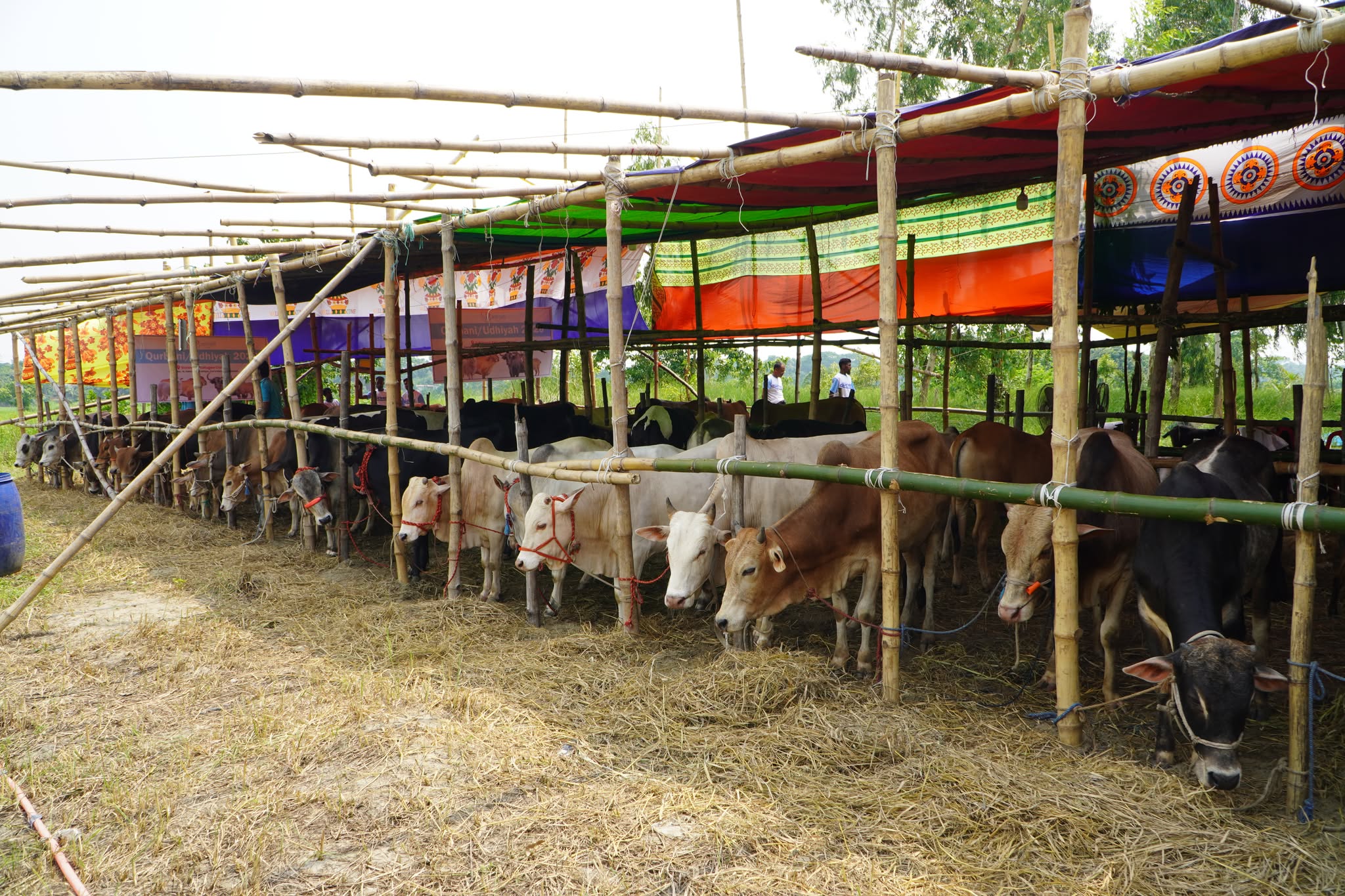
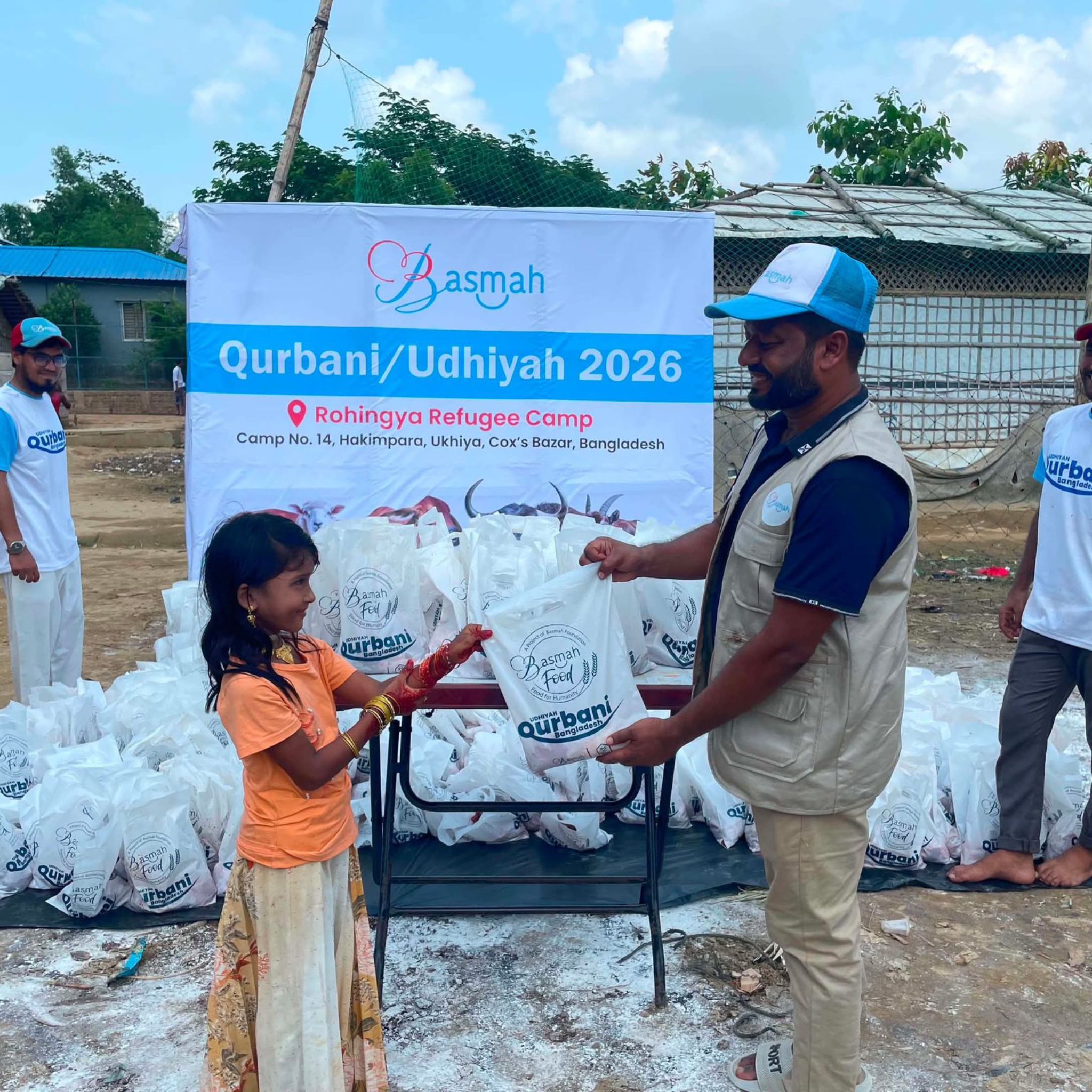
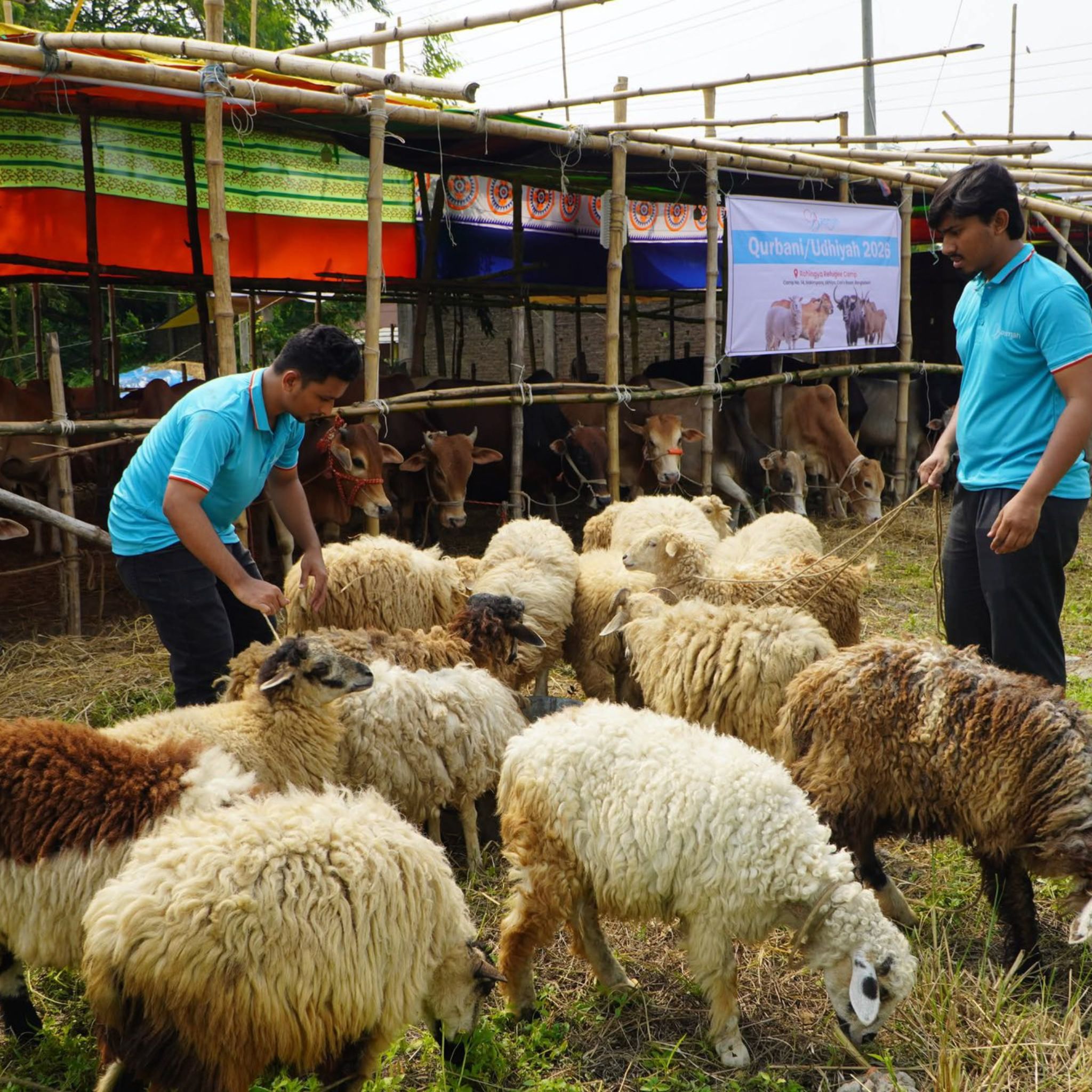
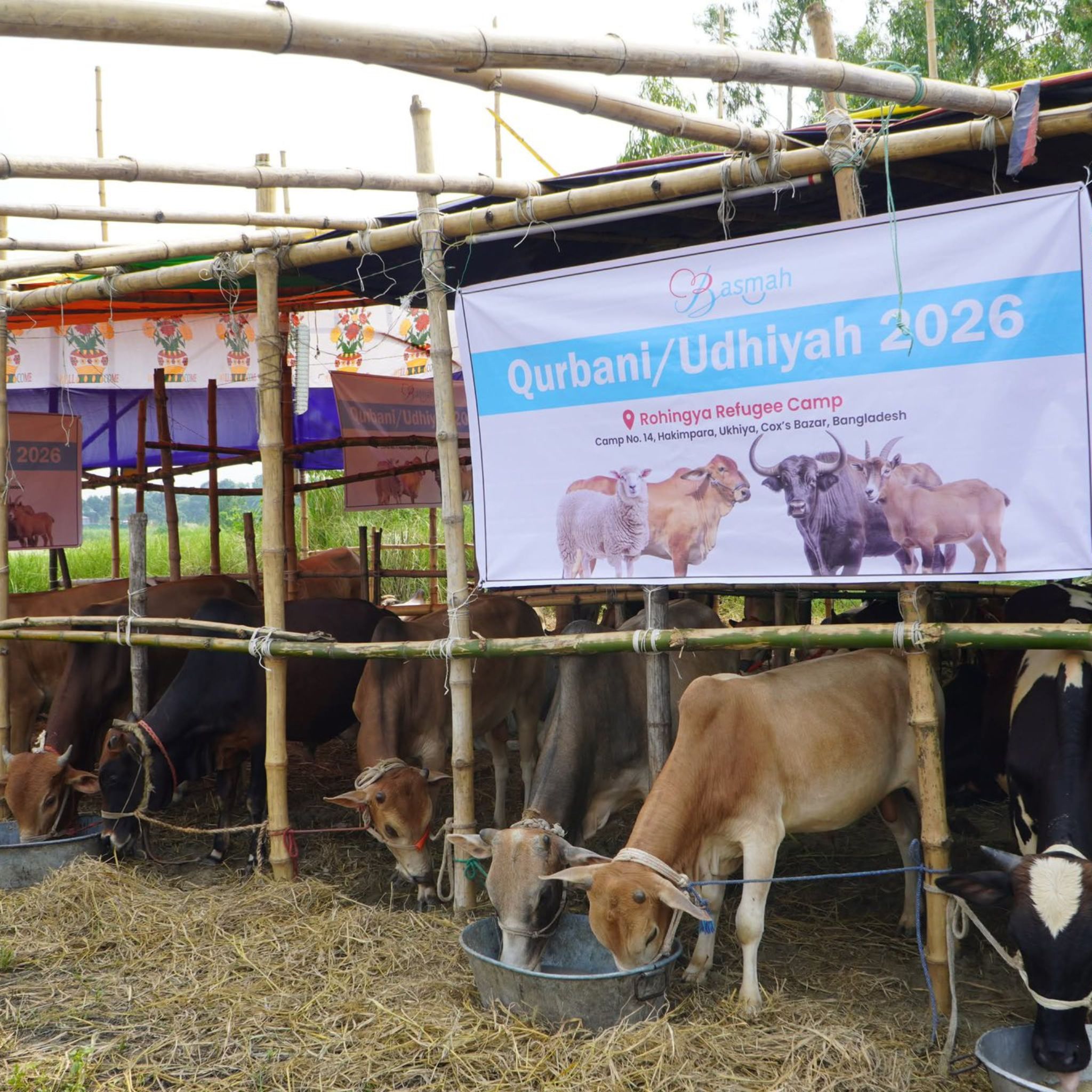
Give Qurbani if you are able. Give the best animal you can genuinely afford — not the minimum that satisfies the requirement, but the best, because Ibrahim ﷺ gave his absolute best when tested and that spirit is what Qurbani is meant to carry forward. And if you are giving through an organization that distributes to communities in real need, know that the meat arriving in those communities on Eid day carries your name spiritually — and the du’a of those families, offered for someone they will never meet, rises on the day when Allah is drawing nearest to His servants.
Qurbani: Because Ibrahim's Story Deserves More Than Our Passive Admiration
Every Eid al-Adha, the act of sacrifice ripples through the Ummah globally. It is easy, at this point, to know the story of Ibrahim ﷺ intellectually without feeling what it actually contains.
He had waited his entire adult life for a son. Received Ismail as an old man’s answered prayer — the miracle he had almost stopped believing would come. Loved him with the particular, tender ferocity of a father who knows exactly what a child cost him to receive. And then the command came in a dream that prophets do not mistake: take your son. Sacrifice him.
He walked toward it. Told Ismail. And Ismail — this child, this miracle — said: “Father, do what you have been commanded. You will find me, if Allah wills, among the patient.”
Two people choosing Allah over everything they held most precious. Together. With open eyes and full hearts and not a single element of coercion. That is the story your Qurbani commemorates. Not merely a charitable act — though it is genuinely that, and the families who receive that meat are genuinely real. Not merely a ritual — though it is sacred. It is a declaration, made annually in the language of action, that you hold nothing so tightly it cannot be released when Allah asks.
Give Qurbani if you are able. Give the best animal you can genuinely afford — not the minimum that satisfies the requirement, but the best, because Ibrahim ﷺ gave his absolute best when tested and that spirit is what Qurbani is meant to carry forward. And if you are giving through an organization that distributes to communities in real need, know that the meat arriving in those communities on Eid day carries your name spiritually — and the du’a of those families, offered for someone they will never meet, rises on the day when Allah is drawing nearest to His servants.
Remember the Ummah — Because These Days Were Not Designed for Private Spirituality Alone
Something extraordinary happens during Dhul Hijjah that transcends individual spiritual bookkeeping. Simultaneously, invisibly, across every time zone on earth — Muslims are turning toward the same Qibla, calling out to the same Rabb, fasting the same days, saying the same Takbeer.
A woman in Syria making du’a amid circumstances you cannot imagine. A young man in Jakarta fasting while his non-Muslim colleagues eat around him. A grandmother in West Africa who has fasted these nine days for sixty years and rises before Fajr without being reminded. A new Muslim in Canada, uncertain about so much but certain that these days feel different — and leaning into that certainty with everything they have.
The Ummah is fractured in visible ways. Suffering in places that deserve more than our seasonal attention. Struggling with divisions that feel, sometimes, insurmountable.
But Dhul Hijjah reveals what has not fractured. The invisible thread that still connects every believing heart across geography and language and economic circumstance — into one body of people oriented toward the same truth, calling out to the same Lord, hoping for the same Jannah.
Make du’a for the Ummah during these days. Specifically. The suffering in Gaza, in Sudan, in Myanmar, in every place where your brothers and sisters are carrying weight that should not be carried alone. They are not separate from your Dhul Hijjah. They are part of it. The Prophet ﷺ said the Ummah is like one body — when one part hurts, the whole body responds with fever and sleeplessness. Let your du’as on Arafah carry their names. Let your Sadaqah reach their circumstances. Let these ten days be both personal and communal — because that is exactly what Allah designed them to be.
A Practical Shape for Ten Days — Honest, Not Overwhelming
Nobody does all of this perfectly. Nobody sustains peak spiritual performance across ten consecutive days while work and family and life continue their ordinary demands around them. The expectation has never been perfection. It has always been sincerity and direction.
The first three days: establish the rhythm. Wake fifteen minutes earlier. Begin the fast if you intend to. Start the dhikr habit — Subhanallah, Alhamdulillah, Allahu Akbar — and do not abandon it when the novelty fades. Read one page of the Quran after Fajr and protect that practice.
The middle days: deepen what you started. Give Sadaqah every single day — even a small amount, given consistently, with conscious intention. Call the relative you have been avoiding. Repair the thing that has been sitting broken longer than it should have. Add extra prayers if the rhythm supports it.
Day nine — Arafah — give it everything remaining. Fast. Spend the afternoon in du’a. Make the list of what you want to ask for and then set the list aside and speak from the heart instead, because what rises unbidden is often truer than what was prepared. Weep if tears come. And if they do not, make the expression of weeping — the scholars note that Allah accepts both.
Day ten — Eid — receive it fully, joyfully, without guilt. The prohibition on fasting is not a concession. It is deliberate divine design. Nine days of discipline followed by the tenth day of celebration — this arc is intentional, mirroring Ibrahim’s own journey from trial through surrender to divine relief. You earned this feast. Allah designed it for you. Receive it completely.

These Days Are Coming — The Only Question Is Who You Will Be In Them
- Dhul Hijjah does not wait for the right version of you. It arrives — as it always has, as it always will until this world is folded up — and offers what it offers to whoever turns toward it.
- Allah does not require perfection before accepting effort. He never has. He requires sincerity. The heart that turned toward Him, however haltingly, however burdened by history, however uncertain about its own consistency — that heart is already oriented correctly. And a Lord who stretches out His hand through the night for the servant who sinned during the day, and through the day for the servant who sinned during the night, is not the kind of Lord who turns away the person who showed up imperfect but genuine.
- Show up imperfect but genuine. That is the entire invitation.
- Fast the days when you can. Fill them with dhikr and du’a and Quran and Sadaqah and extra prayers and the private, daily battle against the nafs that nobody else will see but Allah will record. Make Arafah the most intentional day of your year. Give Qurbani with Ibrahim’s spirit rather than just Ibrahim’s ritual. And carry whatever these ten days plant in you — forward into the months that follow, into the person you are still becoming, into a life that is, slowly and imperfectly and genuinely, oriented toward Allah’s pleasure.
- These ten days come once a year. This particular version of them — with the specific weight you are carrying, the specific sins you want erased, the specific people you love, the specific version of you that exists right now — will not come again.
- Do not let them pass in the same quiet blur.
May Allah accept every fast offered in these days and every prayer raised in them. May He multiply what little we bring into more than we can comprehend. May He free the necks of this Ummah from the Fire on Arafah as He freed those who came before us. May He grant ease to the suffering, guidance to the lost, and to every soul that reached toward Jannah — a path that leads there without turning back.
Ameen, Ya Rabbul Alameen.
Related Posts
Understanding Aqiqah and Qurbani
Understanding Aqiqah and Qurbani Donate Understanding Aqiqah and Qurbani Welcoming New Life with Barakah: Understanding Aqiqah and Qurbani – Two
Benefits of Qurbani in Islam : Significance of qurbani in Islam
Benefits of Qurbani in Islam : Significance of qurbani in Islam Donate Benefits of Qurbani in Islam : Significance of
Seven Times the Blessing: Why the Camel Qurbani is an Eid Game-Changer!
Seven Times the Blessing: Why the Camel Qurbani is an Eid Game-Changer! Donate Seven Times the Blessing: Why the Camel
Rules of Cow Qurbani The Big Heart of Qurbani
Rules of Cow Qurbani The Big Heart of Qurbani Donate Rules of Cow Qurbani The Big Heart of Qurbani The
The Great Story of Sacrifice: Qurbani in the Quran and It’s Story
The Great Story of Sacrifice: Qurbani in the Quran and It’s Story Donate The Eternal Flame of Devotion: Rediscovering the
BASMAH Guide to Qurbani: Rules, Requirements, and How Your Sacrifice Helps
BASMAH Guide to Qurbani: Rules, Requirements, and How Your Sacrifice Helps Donate BASMAH Guide to Qurbani 2026: Rules, Requirements, and
Qurbani rules in Islam
Qurbani rules in Islam Donate The Sacred Path of Obedience: A Complete, Heartfelt Guide to Qurbani Rules in Islam –
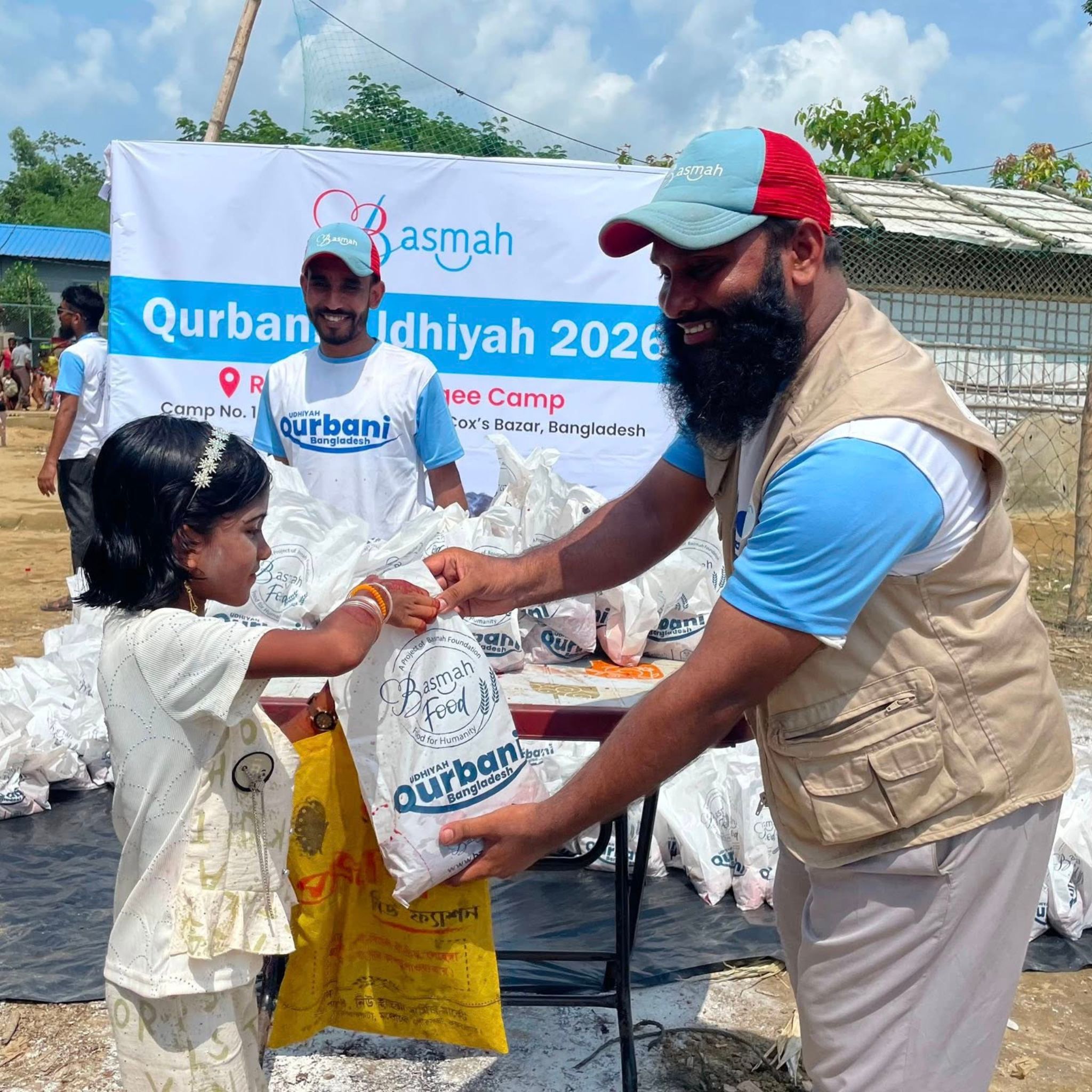
Qurbani Meaning and its Story
Qurbani Meaning and its Story Donate The Heart-Stirring Meaning of Qurbani: A Timeless Tale of Love, Surrender, and Barakah That
Rules of Cow Qurbani
Rules of Cow Qurbani Donate Rules of Cow Qurbani Qurbani of a Cow Embracing Sacrifice with a Generous Heart: Your
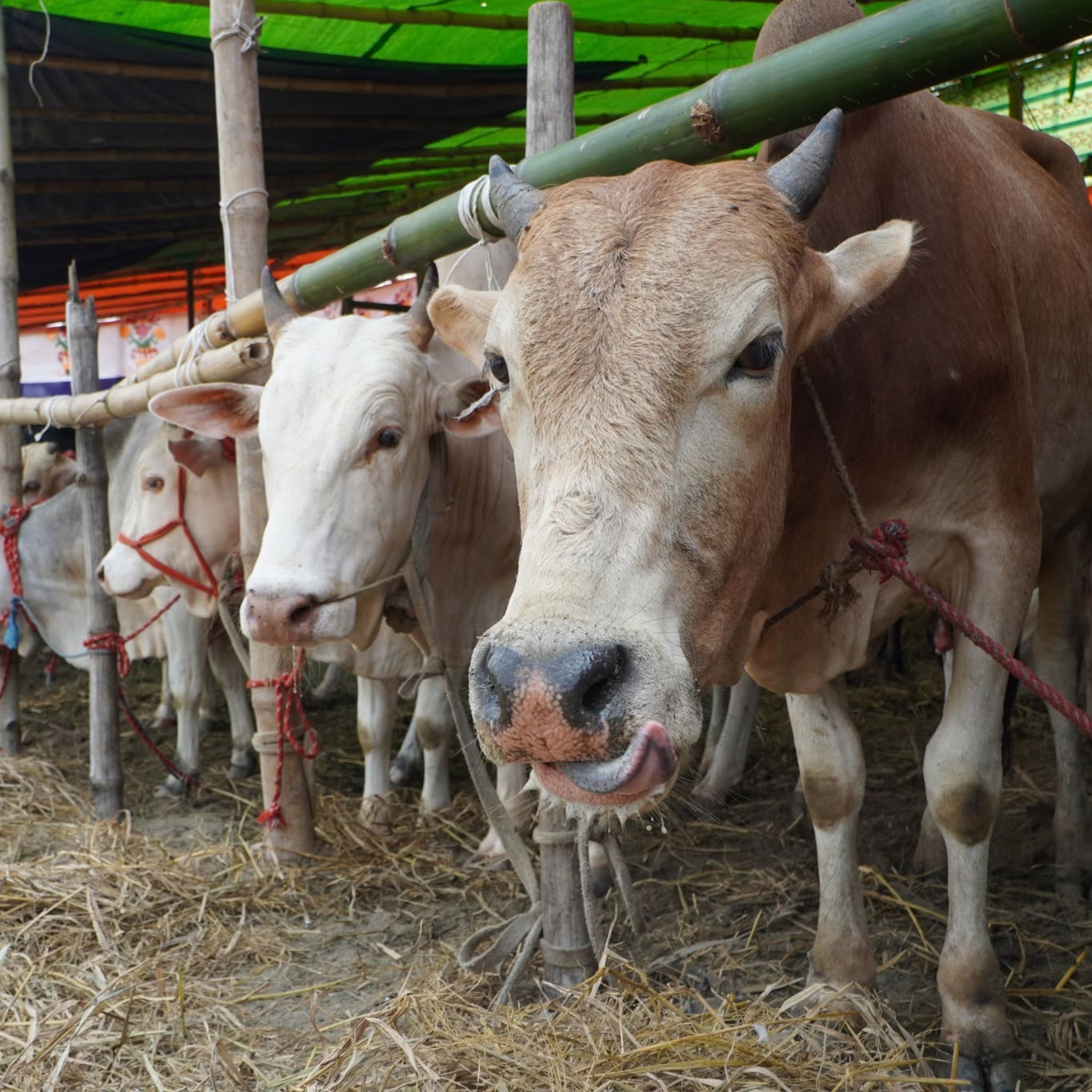
Rules of Camel Qurbani
Your Path to Jannah: The Complete Guide to Camel Qurbani That Transforms Lives Donate Unlocking Rivers of Barakah: Your Complete
Qurbani Rulings and Animal Welfare
Your Complete Qurbani Rules Guide: Unlock Unlimited Barakah This Eid Donate Your Complete Guide to Qurbani: Embracing Sacrifice, Barakah, and
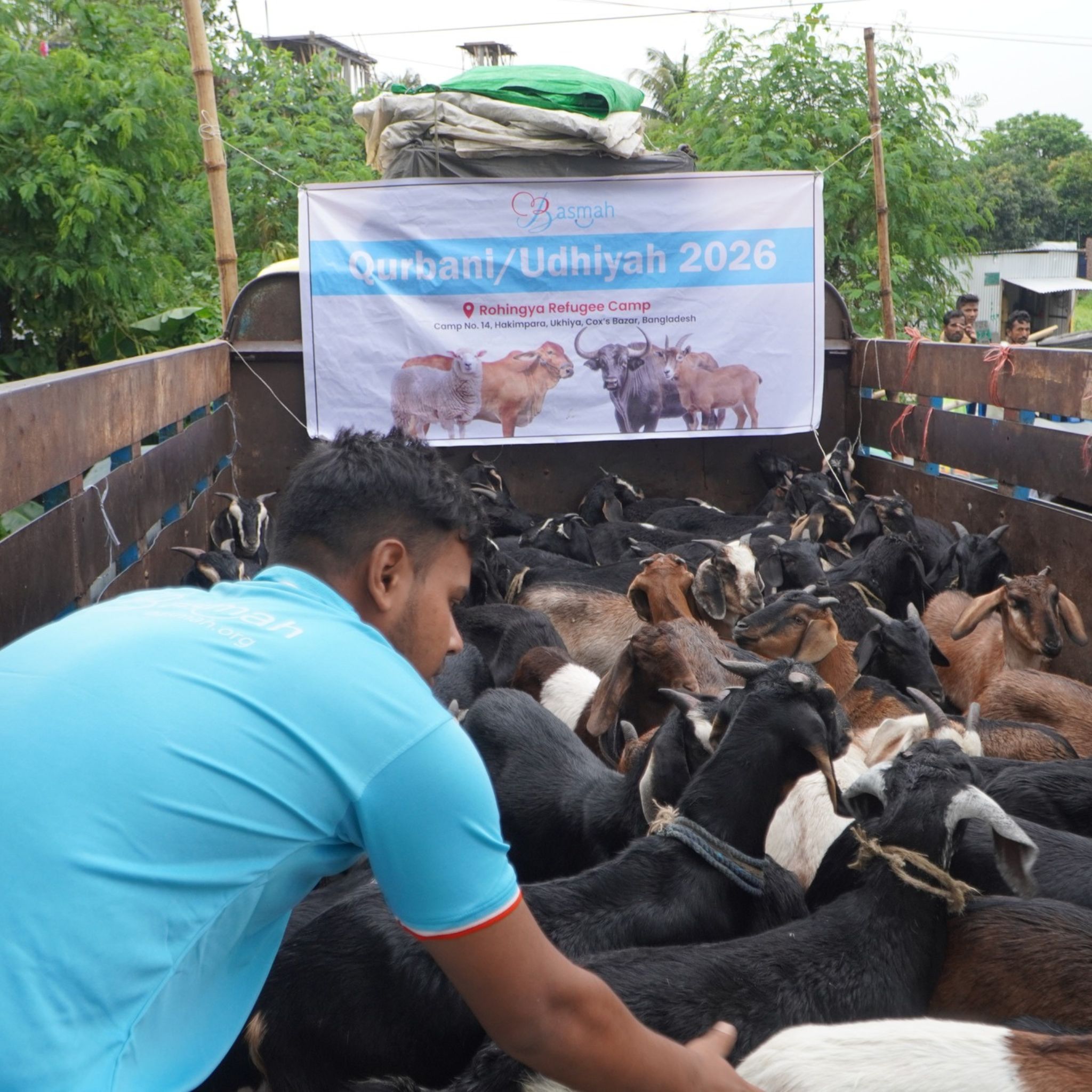
Benefits of Qurbani in Islam
Benefits of Qurbani in Islam Donate Unlocking Endless Barakah: The Profound Blessings of Qurbani in Our Lives A Flame of
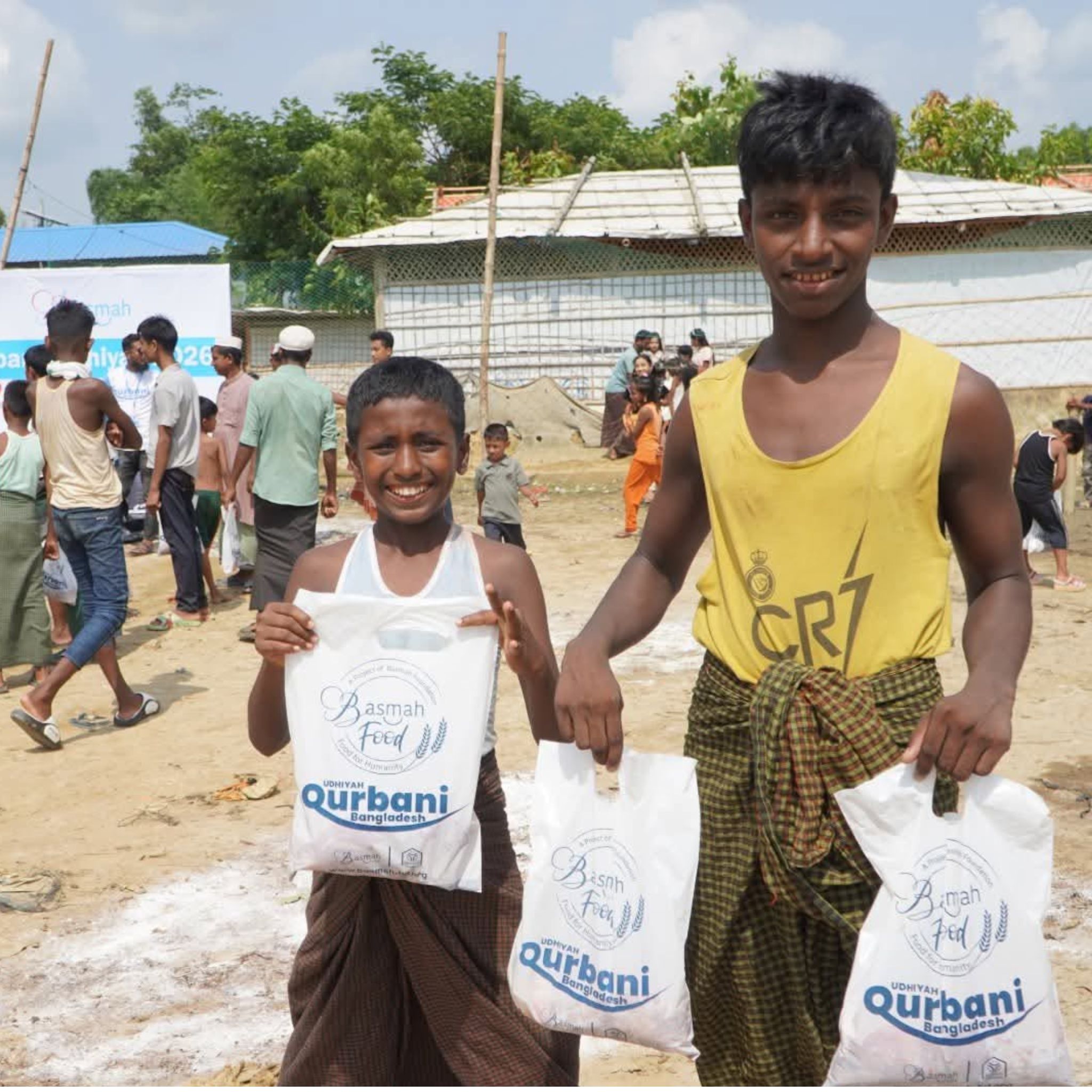
Qurbani for a Newborn Baby
Qurbani for a Newborn Baby Donate Embracing New Life: The Heartfelt Gift of Aqiqah for Your Precious Newborn The Gentle
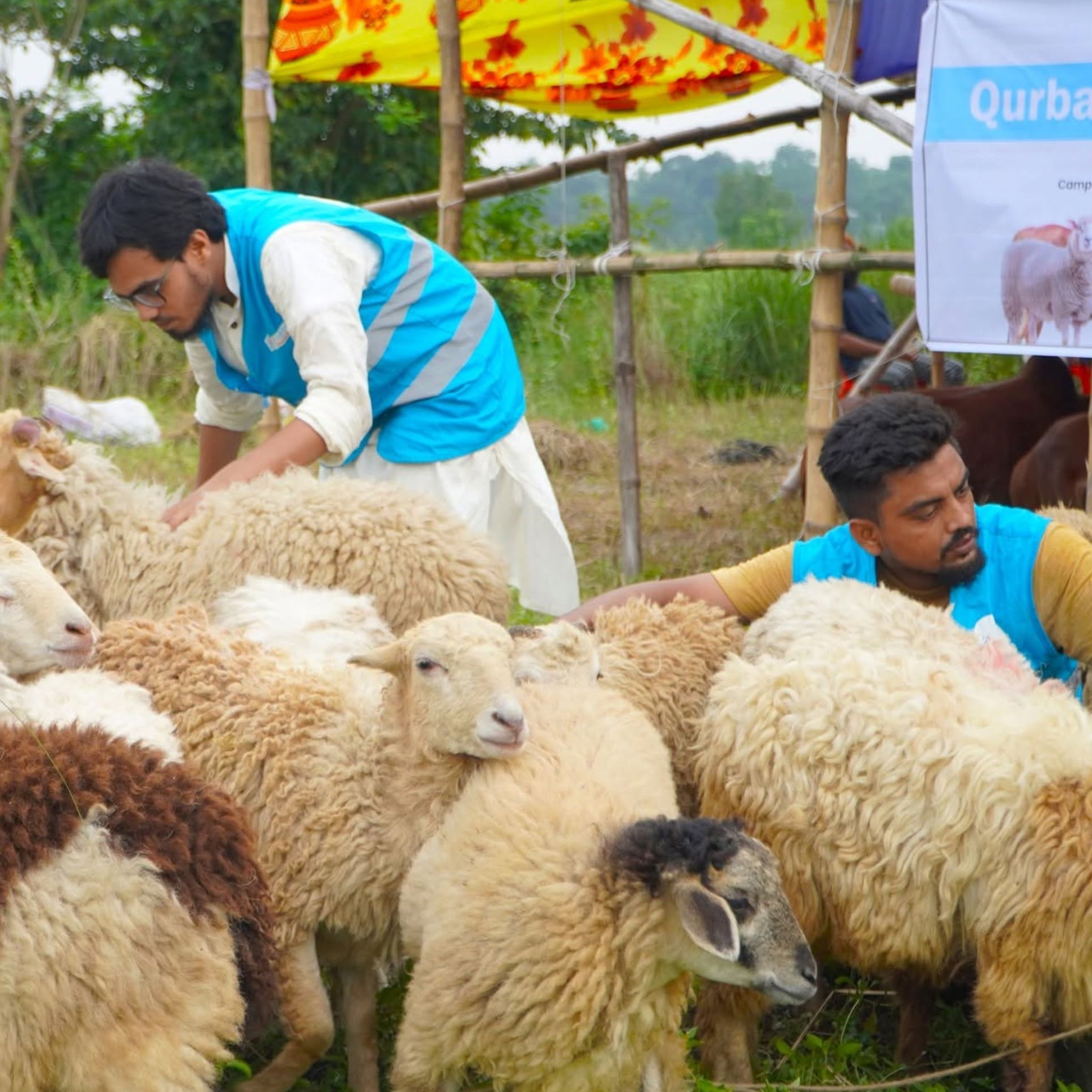
What We Should Not Do Before Qurbani
Your Ultimate Qurbani Preparation Guide: Don't Make These Costly Mistakes Donate Your Ultimate Qurbani Preparation Guide: Avoid These Hidden Pitfalls
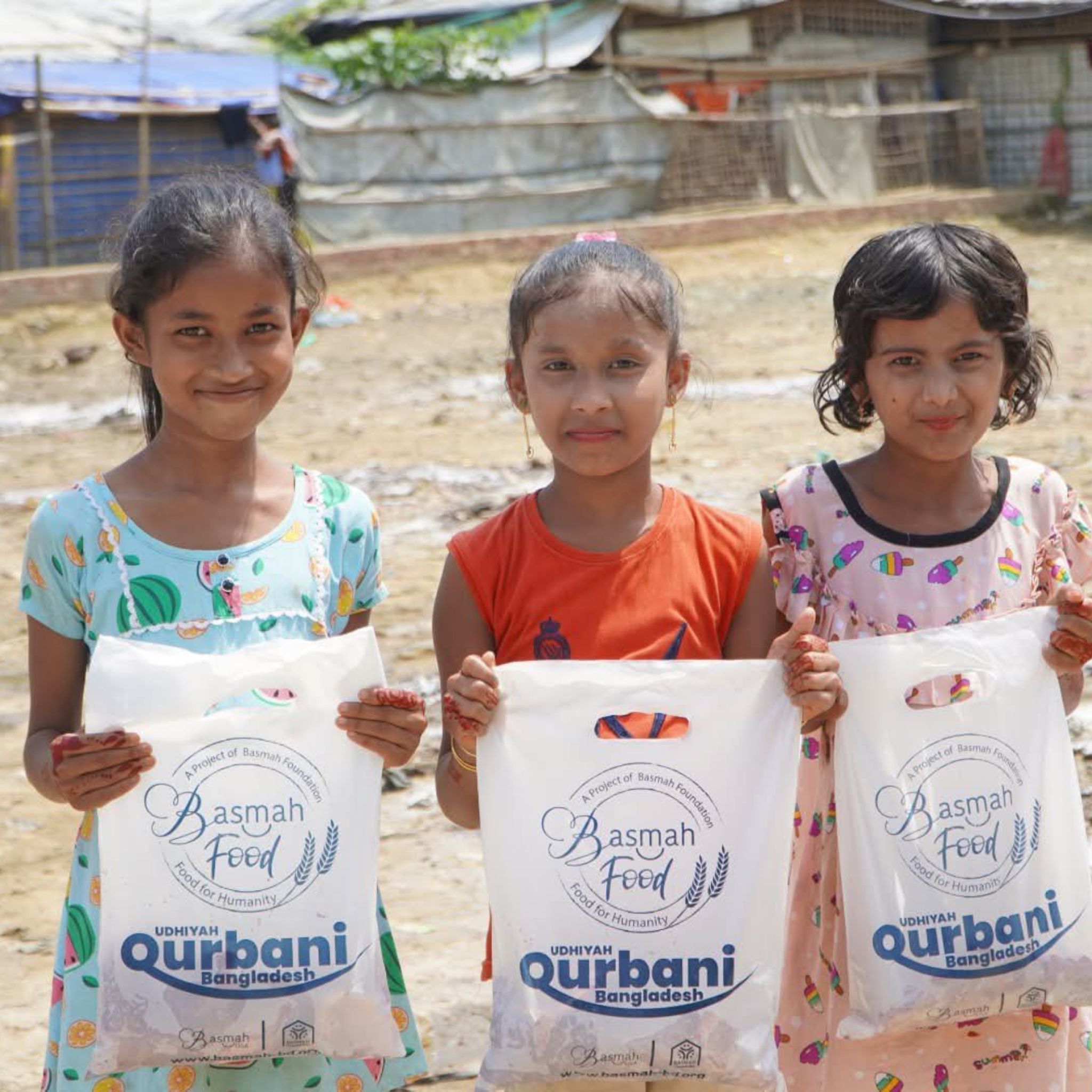
Qurbani in Quran and Hadith
Rules of Cow Qurbani The Big Heart of Qurbani Donate Rules of Cow Qurbani: The Generous Heart That Echoes into
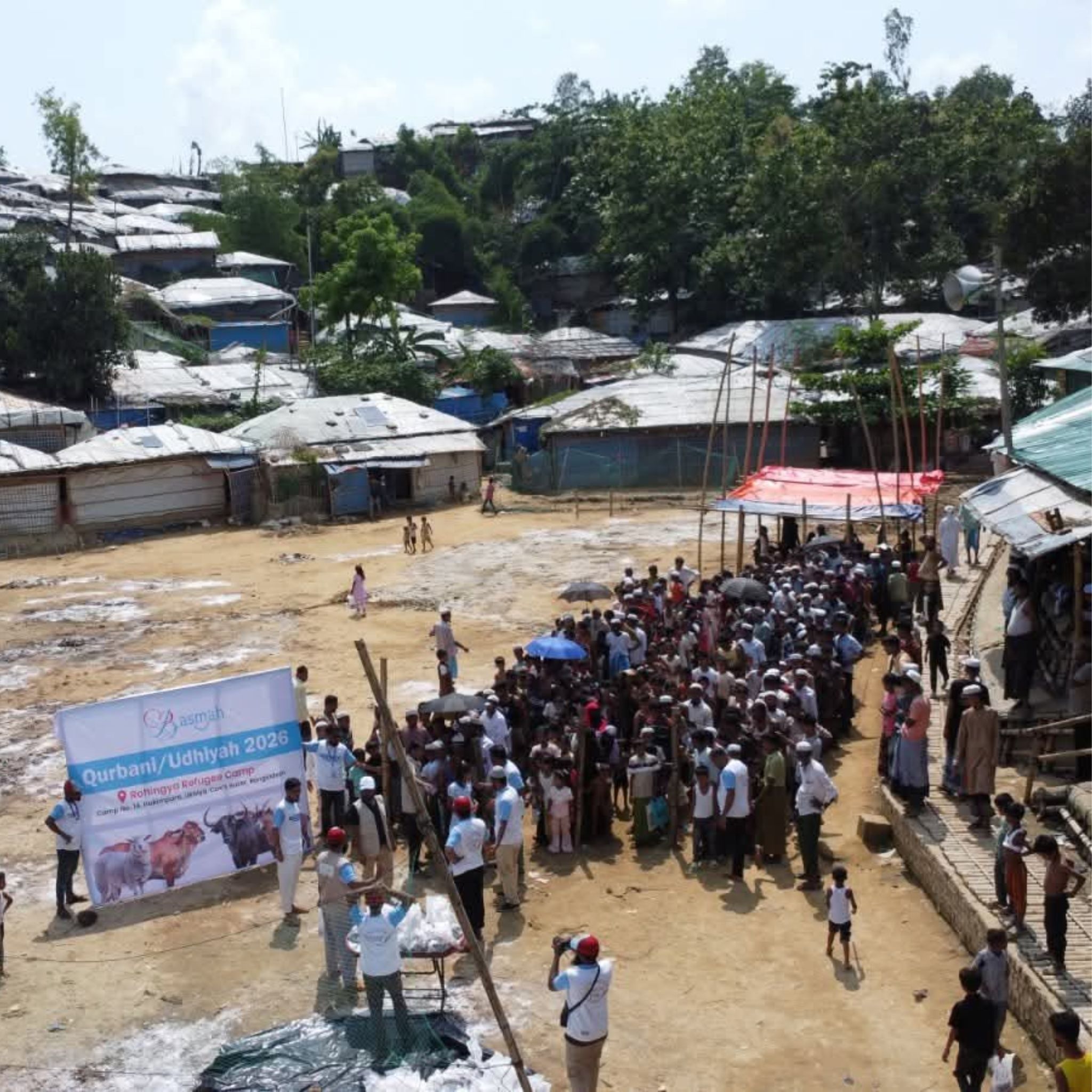
How to Perform Qurbani – A Step-by-Step Guide
Your Complete Qurbani Guide: 5 Simple Steps to Guarantee Jannah Rewards Donate Your Complete Qurbani Guide: 5 Steps That Transform
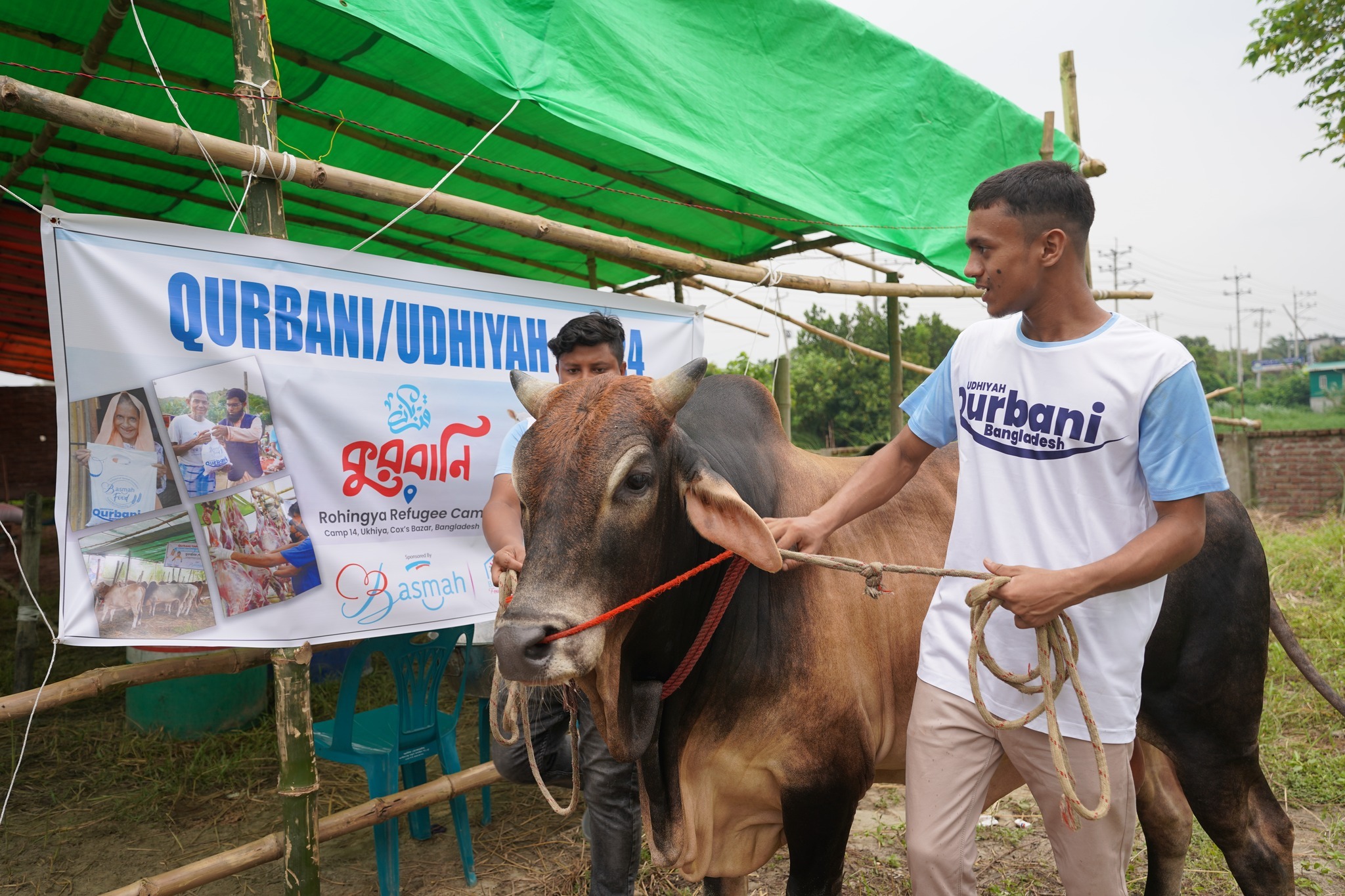
The Etiquette of Qurbani A Complete Guide
Complete Guide to Qurbani: Earn Allah's Pleasure and Help the Ummah This Eid Donate The Complete Guide to Qurbani: Every
Qurbani Or Udhiyah In Islam
Qurbani Or Udhiyah In Islam Donate Qurbani and Udhiyah: The Sacrifice That Feeds the Body, Purifies the Soul, and Unites
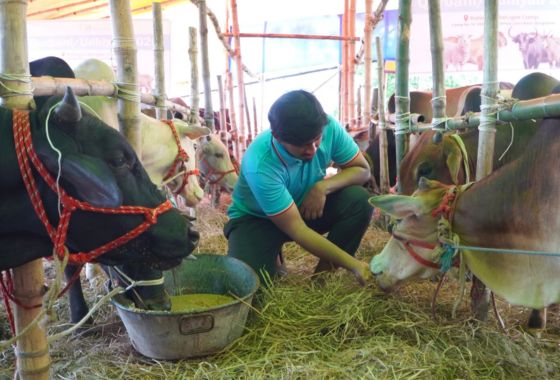
An Icon Of Sacrifice And Submission: Prophet Ibrahim (AS)
An Icon Of Sacrifice And Submission: Prophet Ibrahim (AS) Donate An Icon of Sacrifice and Submission: The Timeless Legacy of
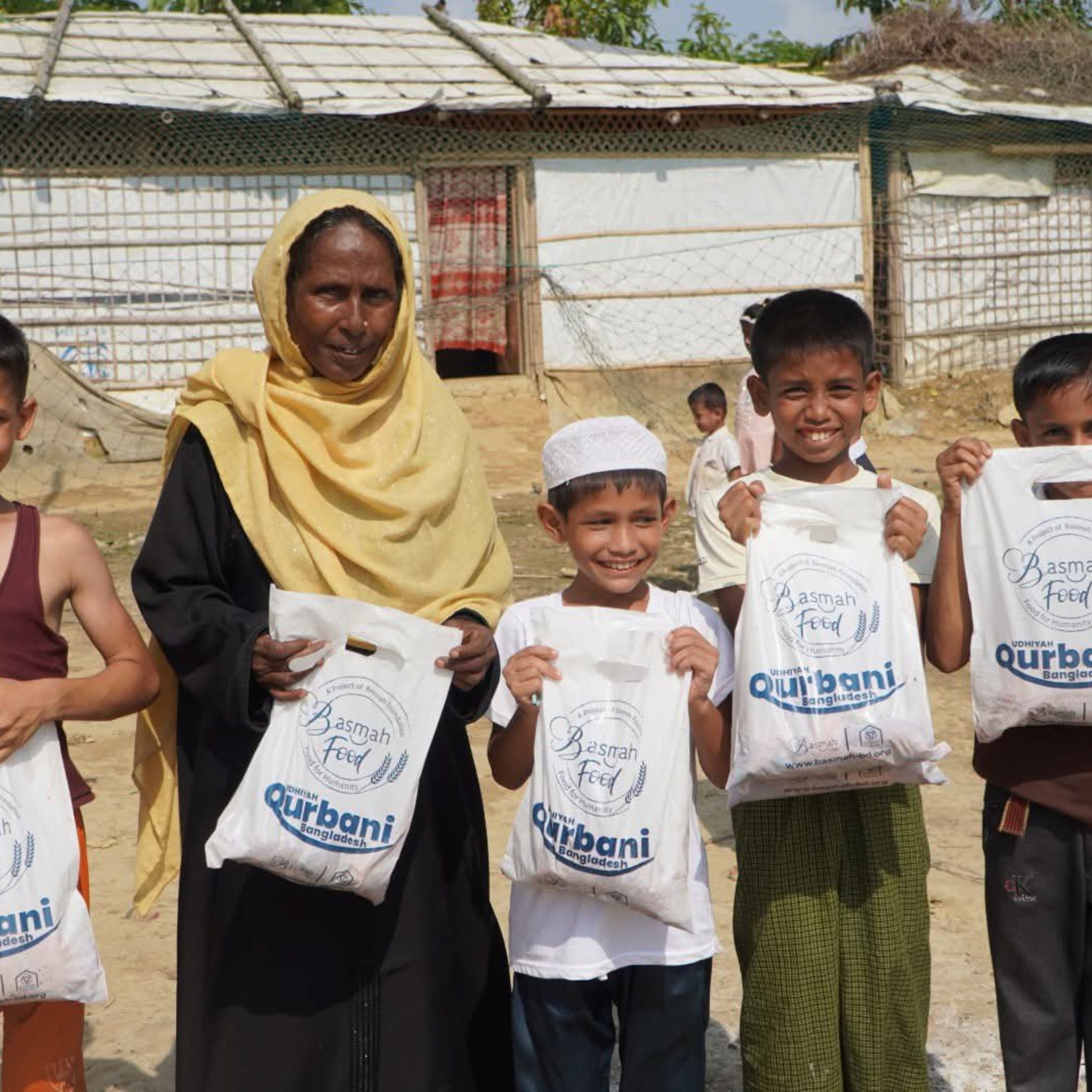
All You Need to Know About Qurbani Rules
ALL YOU NEED TO KNOW ABOUT QURBANI RULES Donate Everything You Need to Know About Qurbani — A Complete Guide