...

Nine Sunnahs to Follow on the First Ten Days of Dhul-Hijjah

Nine Sunnahs That Can Transform Your Dhul Hijjah: A Believer's Honest Guide to the Best Ten Days of the Year

Not nine tasks to complete. Nine doors โ€” each one opening onto something larger than itself.

There is a particular kind of spiritual regret that visits the honest Muslim at the end of Dhul Hijjah. Not the dramatic regret of having done something wrong โ€” but the quieter, more persistent regret of having let something extraordinary pass without fully receiving it. Of having known, somewhere beneath the surface, that these were the most beloved days in Allahโ€™s sight โ€” and having let them blur into the ordinary rhythm of life anyway.

This is written for the person who does not want that regret this year.

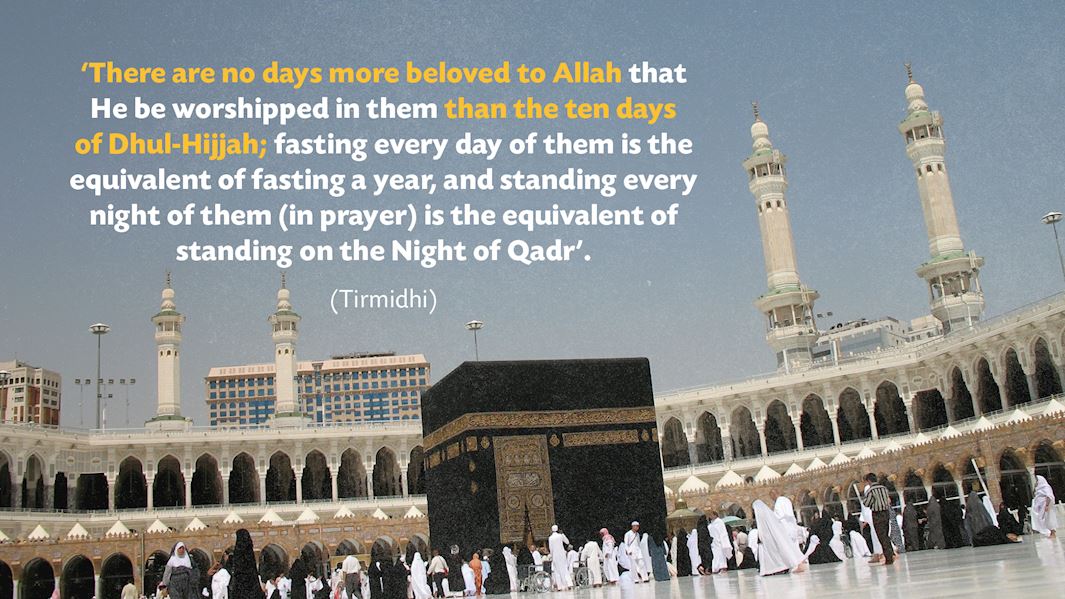
The Prophet ๏ทบ said it plainly, in a hadith preserved by Abu Dawud: โ€œThere are no days in which righteous deeds are more beloved to Allah than in these ten days.โ€ Allah Himself honored these days with a divine oath in Surah Al-Fajr โ€” โ€œBy the dawn. By the ten nights.โ€ When the Creator of existence swears by something in His own revelation, that something has earned a category of significance that no human ranking can adequately convey.

And He gave us instructions. Specific ones. The Prophet ๏ทบ modeled how to inhabit these days โ€” nine Sunnahs, practiced with full awareness of what they were worth. Here they are, with the depth they deserve.

One: Dhikr โ€” Let Your Tongue Lead Your Heart Back

Begin here. Not because dhikr is the easiest โ€” though its mechanics are simple โ€” but because it is the foundation that makes everything else possible. When the tongue is busy with the remembrance of Allah, the heart follows. Slowly, then more readily, then โ€” with consistency โ€” almost automatically.

In Makkah right now, the Talbiyah is on every pilgrimโ€™s lips. Labbayk Allahumma labbayk โ€” Here I am, O Allah, here I am. Day and night, walking between rituals, waiting between acts of worship, the pilgrimโ€™s tongue carries that declaration. For those of us not in Makkah, Allah commanded something parallel: โ€œAnd remember Allah during the appointed days.โ€ (Al-Baqarah 2:203) The appointed days are these. The remembrance is our Talbiyah.

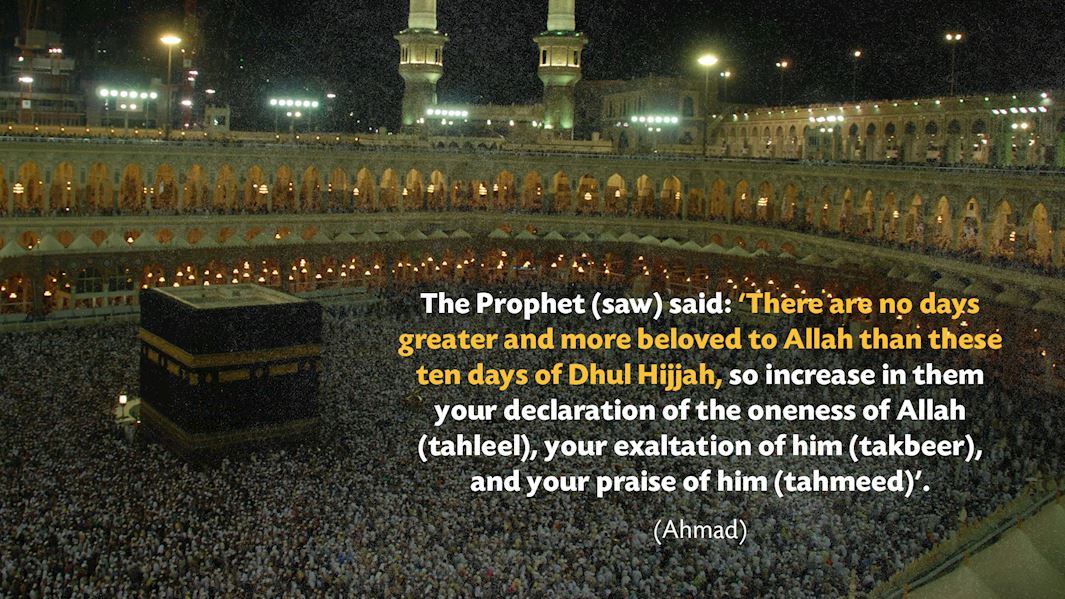
The Takbeer of these days โ€” Allahu Akbar, Allahu Akbar, La ilaha illallah, Allahu Akbar, Allahu Akbar, wa lillahil hamd โ€” combines all three categories the Prophet ๏ทบ specifically recommended increasing during Dhul Hijjah: Tahleel, Takbeer, and Tahmeed. Three forms of remembrance in a single phrase, available at every moment, costing nothing but intention.

After each of the five daily prayers: SubhanAllah thirty-three times, Alhamdulillah thirty-three times, Allahu Akbar thirty-four times. One hundred declarations of divine glory and gratitude, offered five times a day, during the days when good deeds are most beloved to Allah.

And this: the Prophet ๏ทบ taught that saying SubhanAllahi wa bihamdihi โ€” Glory be to Allah and all praise belongs to Him โ€” one hundred times a day wipes away sins no matter how heavy their accumulated weight. One hundred repetitions. It takes minutes. And it is offered during the ten days when the spiritual soil is most fertile for exactly this kind of planting.

Say it while driving. Say it while cooking. Say it in the gaps between tasks that feel unglamorous and disconnected from anything sacred. The entire point of dhikr is that it sanctifies the ordinary โ€” that the mundane commute becomes a congregation of one, the kitchen becomes a site of worship, the waiting room becomes an opportunity for the soul to speak to its Creator.

These ten days do not require you to pause your life. They ask you to bring Allah into the life you are already living.

Two: Fast the Nine Days โ€” and Understand What You Are Offering

Fasting during the first nine days of Dhul Hijjah is Sunnah. The Prophet ๏ทบ fasted them โ€” consistently, intentionally, as a recognized feature of how he inhabited this sacred window. And the hadith Qudsi that accompanies every act of fasting reshapes what voluntary hunger means entirely.

Allah says: โ€œAll the deeds of the son of Adam are for him, except fasting. It is for Me, and I shall reward it.โ€ (Bukhari)

Everything else has a known scale. Prayer multiplied. Charity multiplied. Dhikr accumulated. But fasting? Allah handles the reward personally. No ceiling is announced because no ceiling exists. The exchange rate is set by divine generosity โ€” and divine generosity has never once been stingy with those who reached for it at the cost of their comfort.

Each hunger pang during these nine mornings is not meaningless physical discomfort. It is the soul making a declaration the body cannot fake: I am choosing You over appetite. Over convenience. Over the immediate satisfaction that the nafs has been trained to expect. Every moment of that choice, made consciously for His sake, is seen and recorded by the One who said He would handle the reward Himself.

If nine days genuinely cannot happen โ€” health, work, circumstances that are real rather than convenient โ€” protect the ninth above everything else. The Day of Arafah. The Prophet ๏ทบ was asked directly about fasting this day. His answer: โ€œIt expiates the sins of the preceding year and the coming year.โ€ (Muslim)

Two years. One dayโ€™s fast. That arithmetic does not function in any worldly economy. It functions only in the economy of a Lord whose generosity has no precedent and no ceiling.

Guard Arafah the way you would guard something that will not come back. Because it will not โ€” not this version of it, not carrying the specific weight of your current sins and your current longing for forgiveness.

Three: Recite Quran โ€” Letter by Letter, Regardless of Your Level

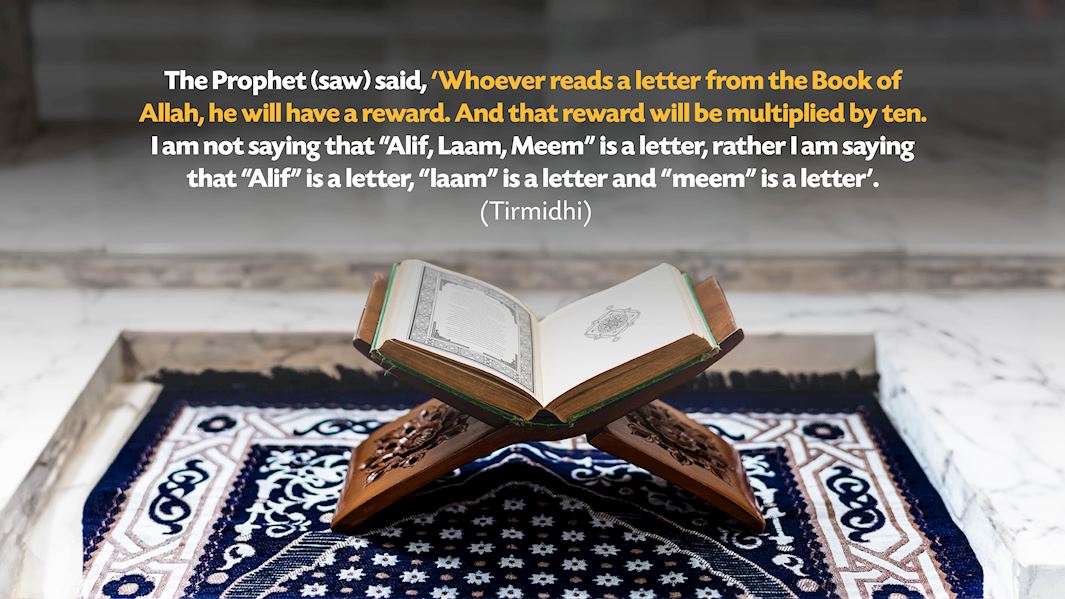
The Quran is not a book for the fluent only. It never was. The Prophet ๏ทบ established this with a clarity that should permanently silence the voice that tells you your Arabic is too imperfect to bother: โ€œWhoever reads a letter from the Book of Allah, he will have a reward. And that reward will be multiplied by ten. I am not saying Alif-Lam-Meem is one letter โ€” Alif is a letter, Lam is a letter, Meem is a letter.โ€ (Tirmidhi)

Three letters. Thirty rewards. For the person who struggles over every syllable, earning double reward for their effort as the Prophet ๏ทบ confirmed elsewhere. Now place those letters inside the ten days when good deeds are most beloved to Allah โ€” the multiplication upon multiplication becomes something the Akhirah alone can measure.

One page after Fajr. One page after Maghrib. Even five minutes of genuine, attentive recitation โ€” not background audio while scrolling, not passive listening during a commute, but you and the words and the intention to receive them as the speech of Allah directed at you personally. That is enough to begin. That is more than enough to matter.

Read with translation if the meaning escapes you. Sit with a single ayah and let it breathe. Ask yourself what Allah is saying and why these words were preserved across fourteen centuries to reach you, specifically, in this moment. The Quran is not a text to be completed like a checklist. It is a conversation โ€” and Dhul Hijjah is the most receptive season of the year in which to have it.

Iโ€™m on the advisory board of this great organization, Basmah. And Iโ€™m saying to you, from a man on the inside, they do a lot of incredible work. Iโ€™m amazed every day by more and more work; they donโ€™t stop, they never stop.
Imam Siraj Wahhajย ย 

Imam Siraj Wahhaj

Honorary advisor of BASMAH

Four: Remember Your Loved Ones โ€” the Living and the Gone

This Sunnah is one of the most quietly powerful of the nine, and the one most likely to be overlooked.

Many believers perform Hajj specifically for a parent who died before making the journey themselves. They circle the Kaโ€™aba carrying that parentโ€™s name in their heart, make duโ€™a on Arafah for that personโ€™s forgiveness, and perform the rituals as a gift to the one who is gone. It is one of the most moving expressions of love Islam makes possible โ€” the living performing worship whose reward travels to the dead.

But what of those who cannot perform Hajj this year? The door does not close. It narrows to a different shape.

The Prophet ๏ทบ taught that when a person dies, their deeds cease โ€” except for three: Sadaqah Jariyah (ongoing charity), knowledge that continues to benefit others, and a righteous child who prays for them. (Muslim) Sadaqah Jariyah given in the name of a loved one during Dhul Hijjah carries both the amplified reward of these blessed days and the gift of ongoing benefit flowing to that person in their grave.

Give a Sadaqah Jariyah in your motherโ€™s name. Your fatherโ€™s. The grandparent you never met but whose sacrifice shaped the life you now live. Build something that gives โ€” a water well, a share in a school, a contribution to a masjid โ€” and let it carry their name into an ongoing account of reward that accumulates for them in Barzakh while you are still here making duโ€™a for them.

And the living โ€” remember them too. Make duโ€™a for the people you love by name on Arafah. Bring them into the best duโ€™a of the best day of the best ten days of the year. There is no more generous gift you can give someone than their name spoken in your duโ€™a when Allah is drawing nearest to His servants.

Five: Pray Tahajjud โ€” Because the Night Belongs to These Days Too

  • One month ago, the last ten nights of Ramadan had many of us rising in the darkness for Tahajjud โ€” chasing Laylatul Qadr, standing in prayer while the household slept, experiencing the particular quality of silence that belongs to the pre-Fajr hours. And then Ramadan ended, and for most of us, the alarm stopped.
  • Dhul Hijjah arrives with an invitation to set it again.
  • The Prophet ๏ทบ taught that praying at night during the first ten nights of Dhul Hijjah carries the equivalent reward of praying on Laylatul Qadr. The Night of Power โ€” the night the Quran describes as better than a thousand months โ€” replicated across ten consecutive nights, available to every believer who rises before Fajr and offers what they have to the Lord who is actively seeking servants to answer.
  • Allah descends to the nearest heaven in the final third of every night โ€” every night, not just in Ramadan โ€” and asks: โ€œWho is calling upon Me that I may answer? Who is asking of Me that I may give? Who is seeking My forgiveness that I may forgive?โ€ During the nights of Dhul Hijjah, this divine offer sits within a spiritual atmosphere already charged with the most blessed days of the year.
  • Wake thirty minutes before Fajr. Pray two rakats. Make duโ€™a in the silence. That is all. But that, repeated across ten nights, in the most beloved days of Allahโ€™s year, builds something in the soul that does not dismantle when the alarm stops.

Six: Give Sadaqah โ€” To Real People Facing Real Need

Many believers maximize their charity during Ramadanโ€™s final ten nights โ€” giving generously, consistently, with the awareness that every pound or dollar carries the potential reward of Laylatul Qadr. Dhul Hijjah offers an equivalent opportunity, and it arrives when many of us have relaxed back into ordinary giving patterns after Ramadanโ€™s spiritual intensity.

Hasan al-Basri, one of the great scholars of the early generations, said: โ€œGoing to fulfil the needs of your brother is better for you than performing Hajj after Hajj.โ€ That is a statement from a man who understood what Hajj costs and what it returns. He still said that. The implication for what Sadaqah during Dhul Hijjah โ€” the days surrounding Hajj, the days most beloved to Allah โ€” carries in reward is staggering.

Give money. Give time. Give a genuine conversation to someone who needs to be heard. Give a meal. Give the particular attention that makes another person feel seen rather than managed. Every act of genuine benefit extended to another soul is Sadaqah โ€” and during these ten days, every act of Sadaqah lands in the most fertile spiritual soil the year produces.

Think specifically about who needs what you have. The family in your community whose Eid depends on whether anyone remembered them. The widow who will spend these days in silence unless someone visits. The orphan whose name appears in a charity database but who is, behind that entry, a real child waiting to see if the Ummah shows up.

Give before these days end. Give daily if you can, even small amounts given consistently with conscious intention. The Prophet ๏ทบ taught that even half a date given in charity can shield a person from the Fire. During the ten days when deeds are most beloved to Allah, that half a date โ€” given sincerely โ€” carries more than its visible weight.

Seven: Repent โ€” Without Shame, Without Limit, Without Waiting to Feel Ready

Hajj is the greatest act of spiritual cleansing Islam offers. The pilgrim who performs it sincerely returns โ€” as the Prophet ๏ทบ said โ€” as clean as the day they were born. A complete reset. Every sin erased, every debt forgiven, the record returned to its original state.

Most of us will not perform Hajj this year. And Dhul Hijjah, in its extraordinary mercy, makes provision for exactly that reality.

Allah said in Surah Hud: โ€œSeek forgiveness of your Lord and repent to Him โ€” He will let you enjoy good provision for a specified term and give every doer of favour his favour.โ€ (11:3) The invitation is not conditional on spiritual readiness. It is not reserved for those who have already improved. It is extended to the sinner, the inconsistent, the person who has asked for forgiveness before and sinned again โ€” which is to say, it is extended to every human being who draws breath.

Tawbah has four elements: genuine remorse for what was done, cessation of the sin, resolution not to return to it, and โ€” where the sin involved another personโ€™s rights โ€” making it right to the extent possible. It is not a complicated formula. It is the honest return of a servant to a Lord who, the Prophet ๏ทบ taught, is more pleased by the repentance of His servant than a traveler who lost their only camel in a barren desert and then found it again. That is not a metaphor for mild divine satisfaction. That is the description of a joy that has no worldly parallel.

Seek forgiveness during these ten days with the regularity and sincerity they deserve. Say Astaghfirullah not as a verbal habit but as a genuine reaching โ€” I know I fall short. You see it. I am asking, again and again and again, for the mercy that has never once been calibrated to human worthiness.

Eight: Pray Eid Salah โ€” And Understand What You Are Joining

  1. The Prophet ๏ทบ never missed Eid Salah. In the entire record of his life, there is no documented case of him absent from the Eid prayer. His companions maintained the same practice after his death โ€” treating attendance not as optional but as a communal obligation that expressed something essential about Muslim identity.
  2. He went further. He encouraged menstruating women โ€” who cannot pray โ€” to attend anyway. Not to perform the Salah, but to be present. To share in the gathering. To hear the khutbah. To stand alongside the Ummah on the day that marks the culmination of these sacred ten days and the commemoration of Ibrahimโ€™s surrender.
  3. There is something the individual prayer at home cannot replicate โ€” the experience of standing shoulder to shoulder with the community, all of you dressed in your best, all of you having just emerged from ten days of fasting and dhikr and charity and repentance, all of you saying Allahu Akbar together in the morning air of Eid. It is a declaration of collective identity. A visible statement to the world that this community exists, that it has survived another year, that it is still here โ€” grateful, submitted, together.
  4. Attend Eid Salah. Arrive early. Wear your best. Bring the children so they grow up understanding that Eid is not just food and new clothes โ€” it is, first and most essentially, a prayer.

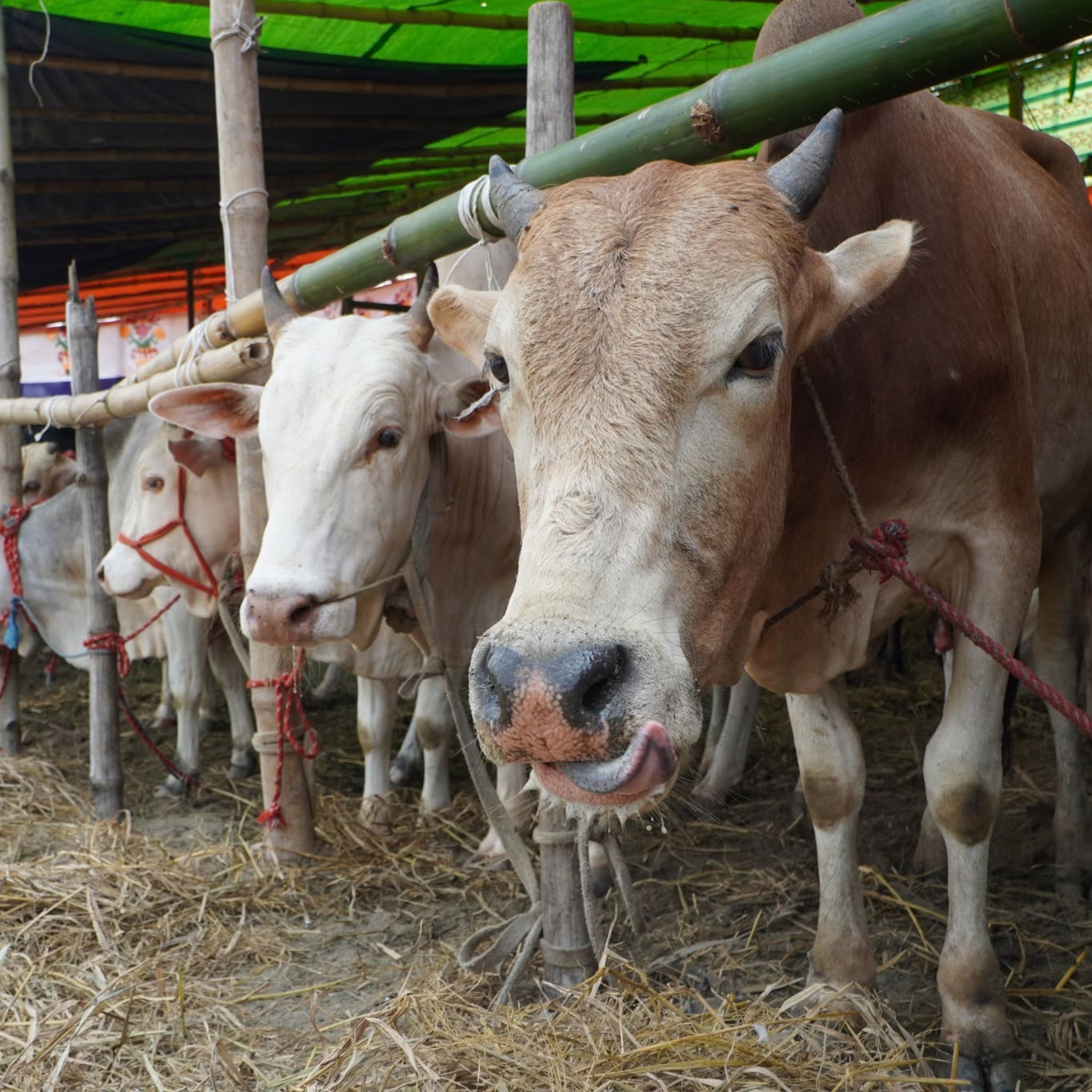
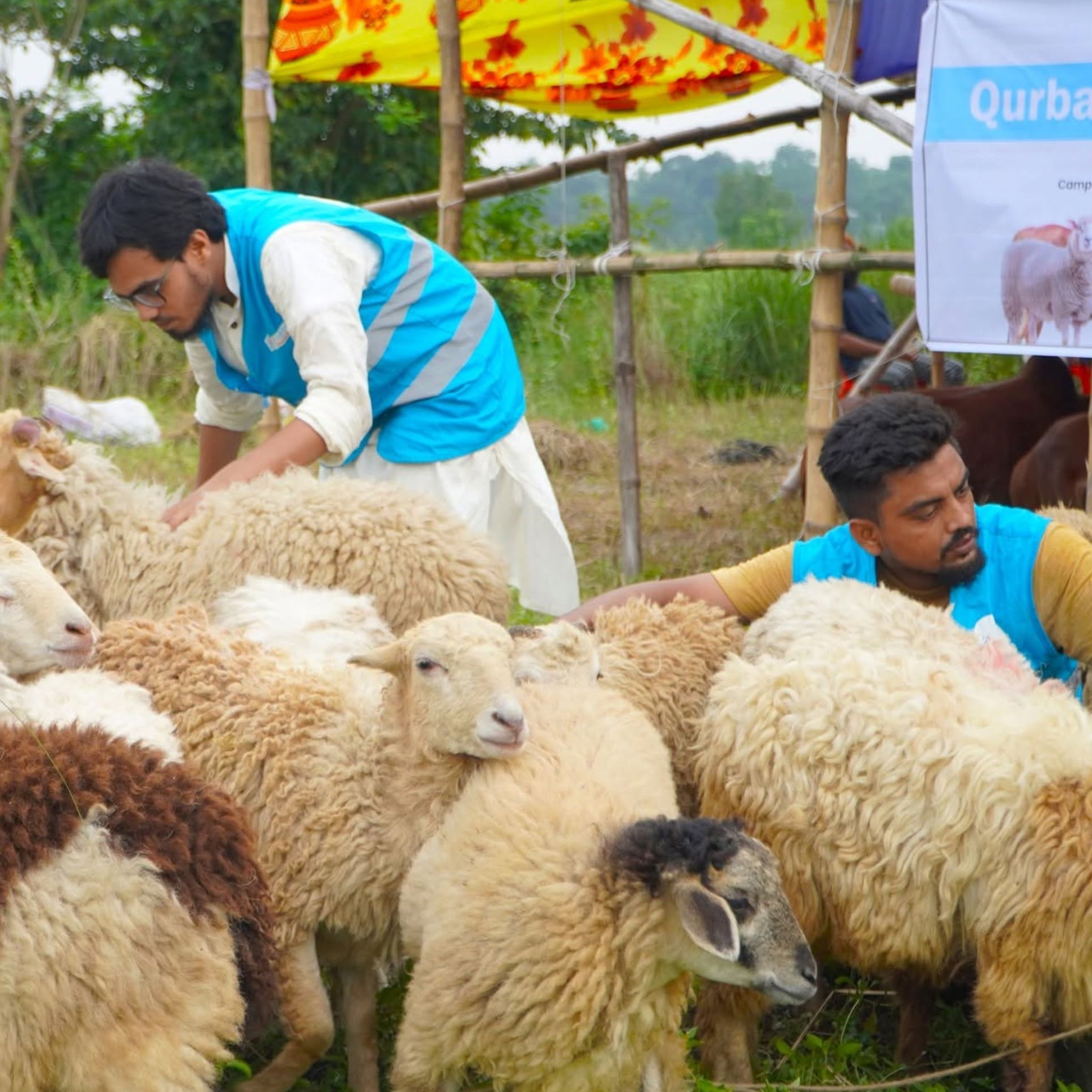
Nine: Give a Prophetic Qurbani โ€” The Forgotten Sunnah That Feeds What Words Cannot

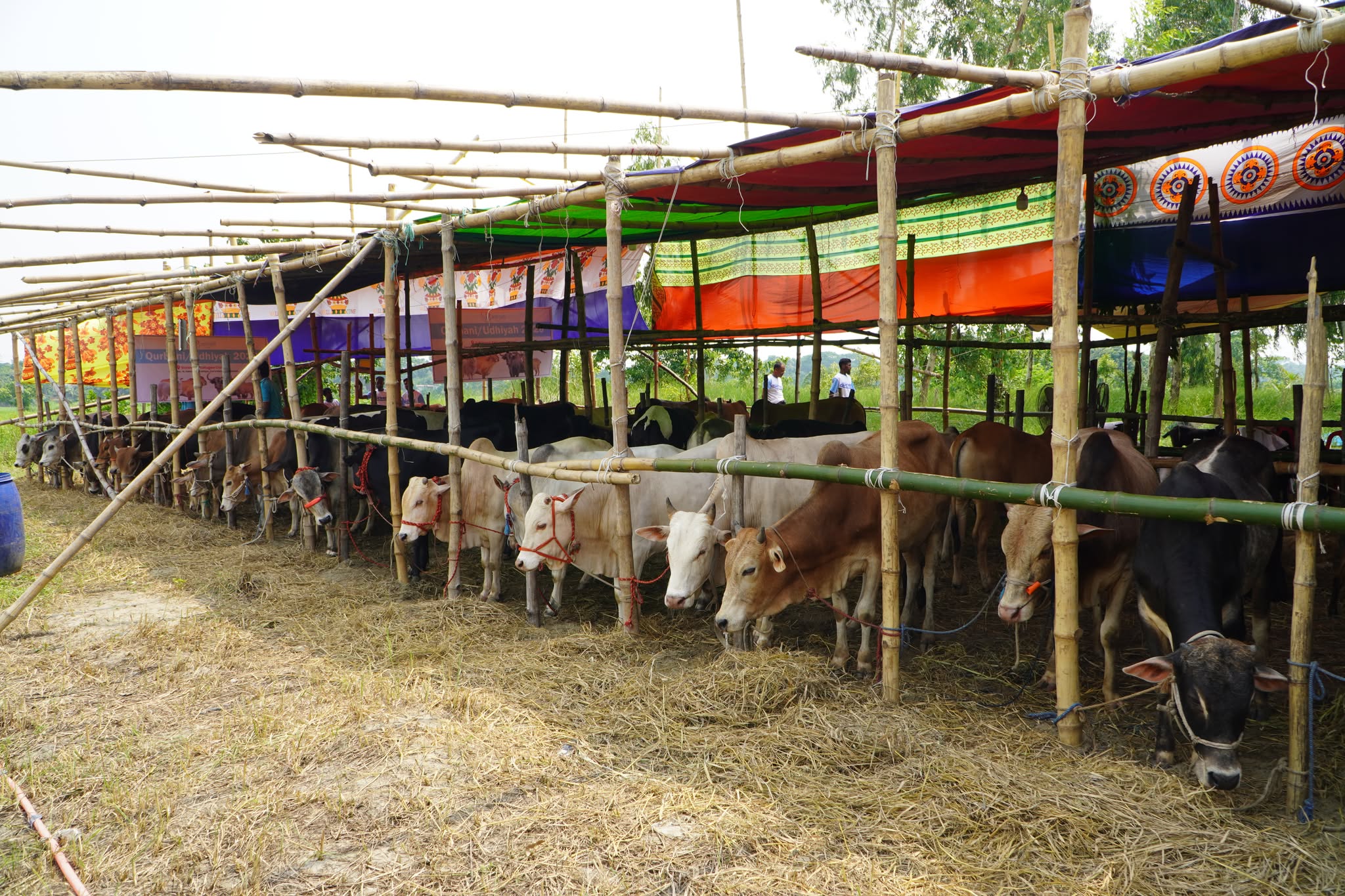
Most Muslims know about Qurbani โ€” the obligation to sacrifice an animal during Eid al-Adha if one possesses the nisab, with the meat divided between family, relatives, and the poor. It is practiced by hundreds of millions of Muslims annually and has become one of the defining acts of the Eid season.

Fewer know about the additional Qurbani โ€” the one the Prophet ๏ทบ himself offered beyond his own. Abu Talhah reported that the Prophet ๏ทบ sacrificed on behalf of โ€œthe one who could not sacrifice from his Ummah โ€” one who bore witness to the Oneness of Allah and his Prophethood.โ€ (Tabarani and Ahmad)

He gave an extra Qurbani. For the members of his Ummah who could not afford one. Not as a bureaucratic extension of the obligation but as an act of love โ€” the Prophet who described himself as more concerned for his Ummah than a mother for her child, extending that concern in the most tangible way available to him on the most significant day of the Islamic year.

Allah described him in Surah At-Tawbah: โ€œThere has come to you a Messenger from among yourselves, who is distressed by your losses, who is ardently desirous of your welfare, and is tender and merciful to those who believe.โ€ (9:128)

That tenderness expressed itself in an extra Qurbani. For the ones who had nothing to give.

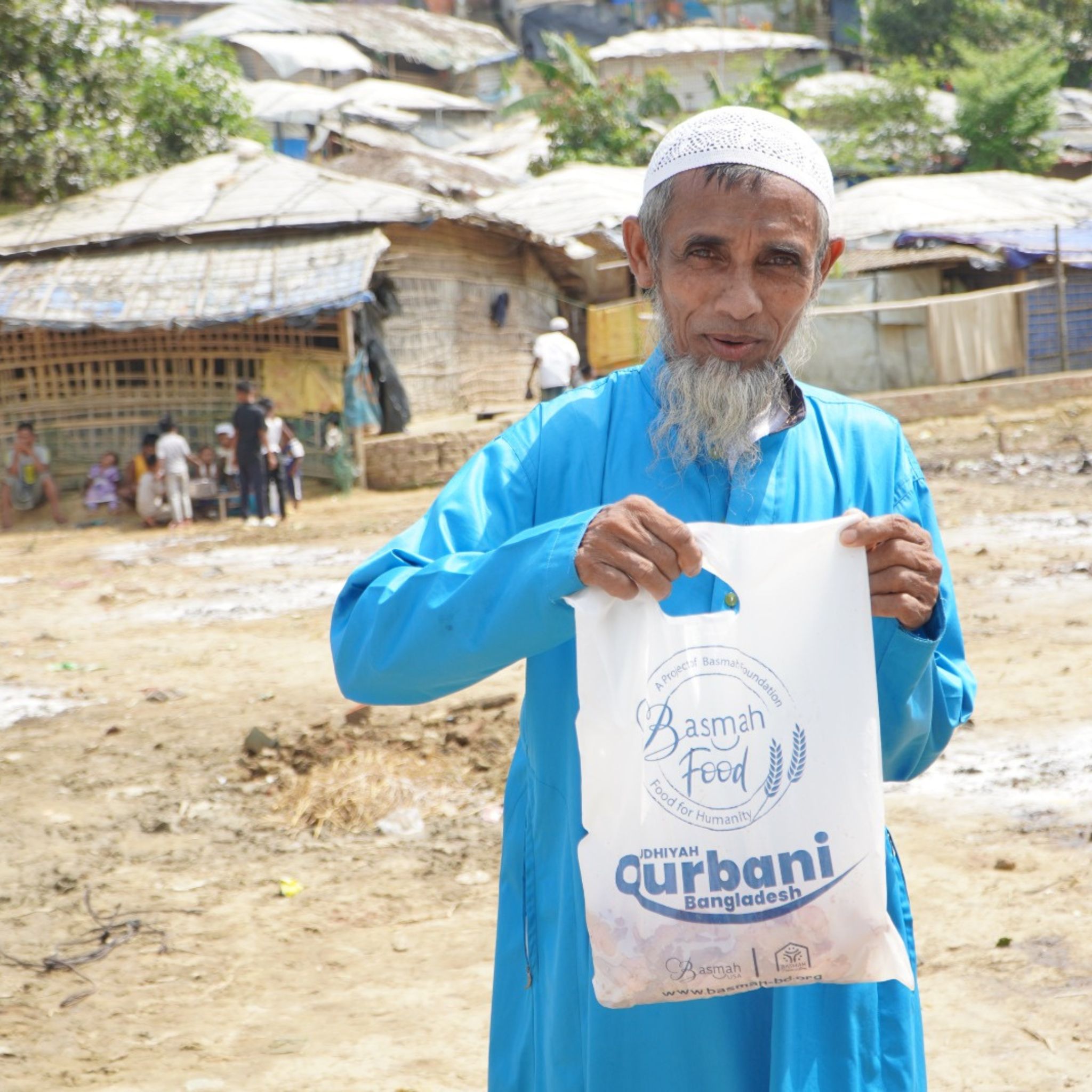
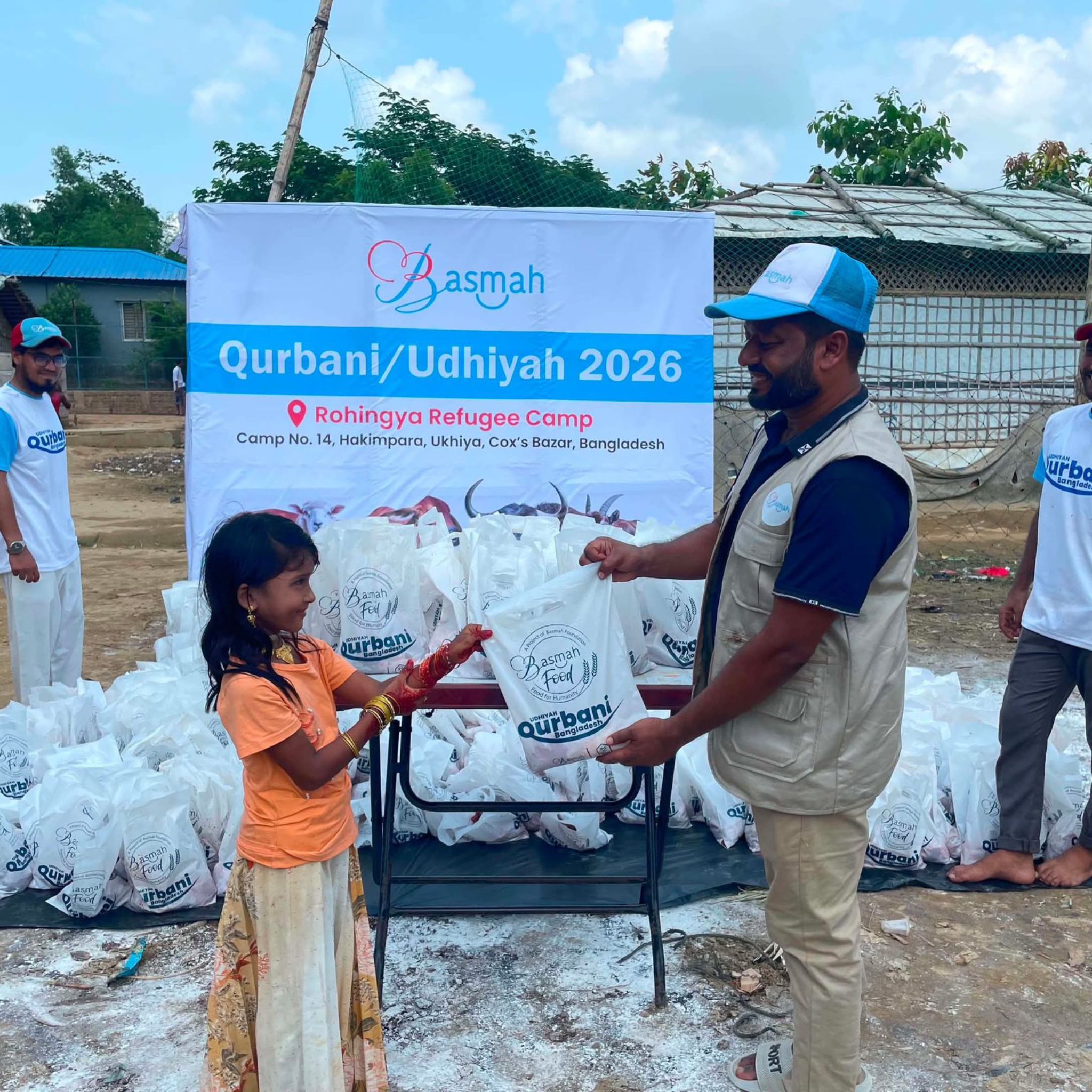
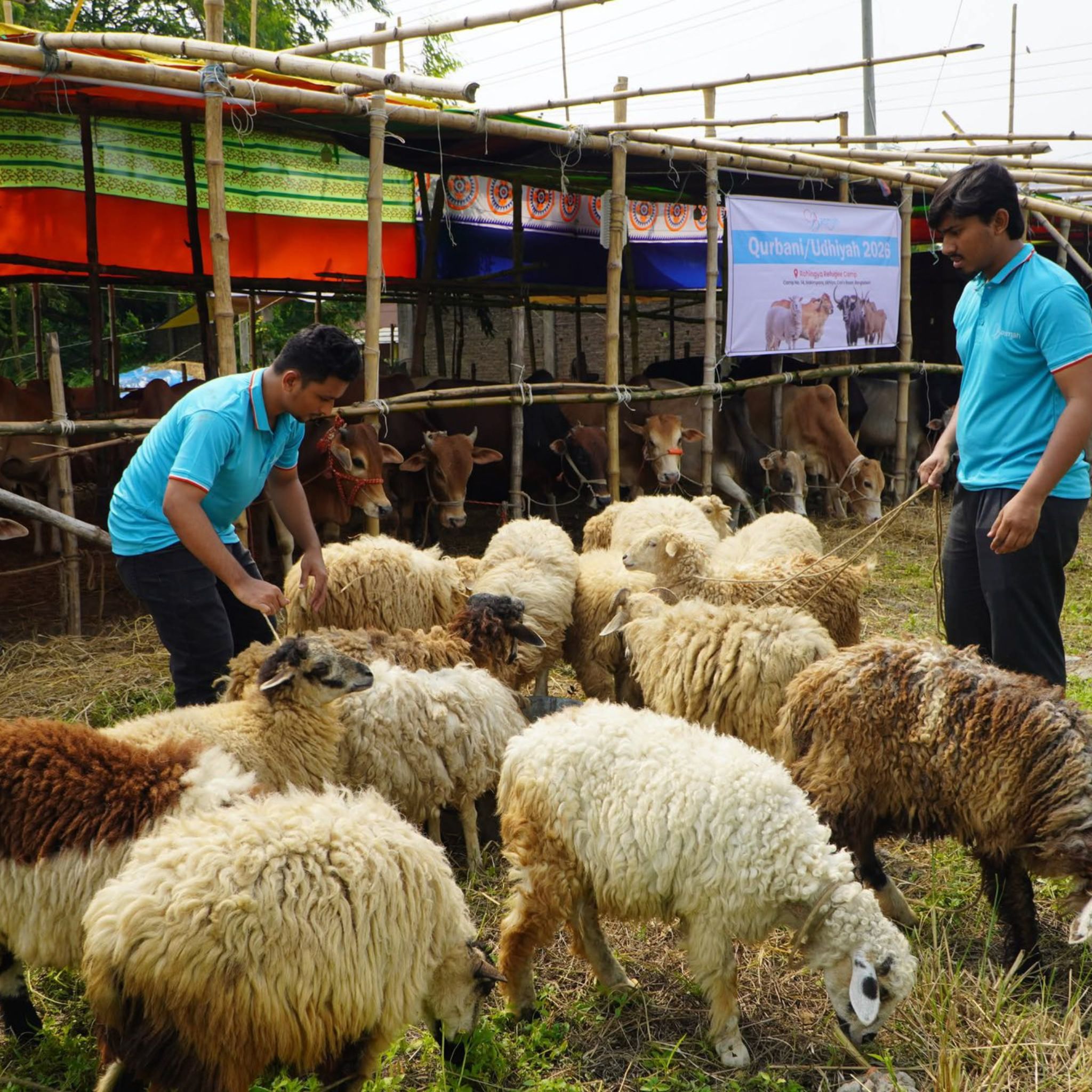
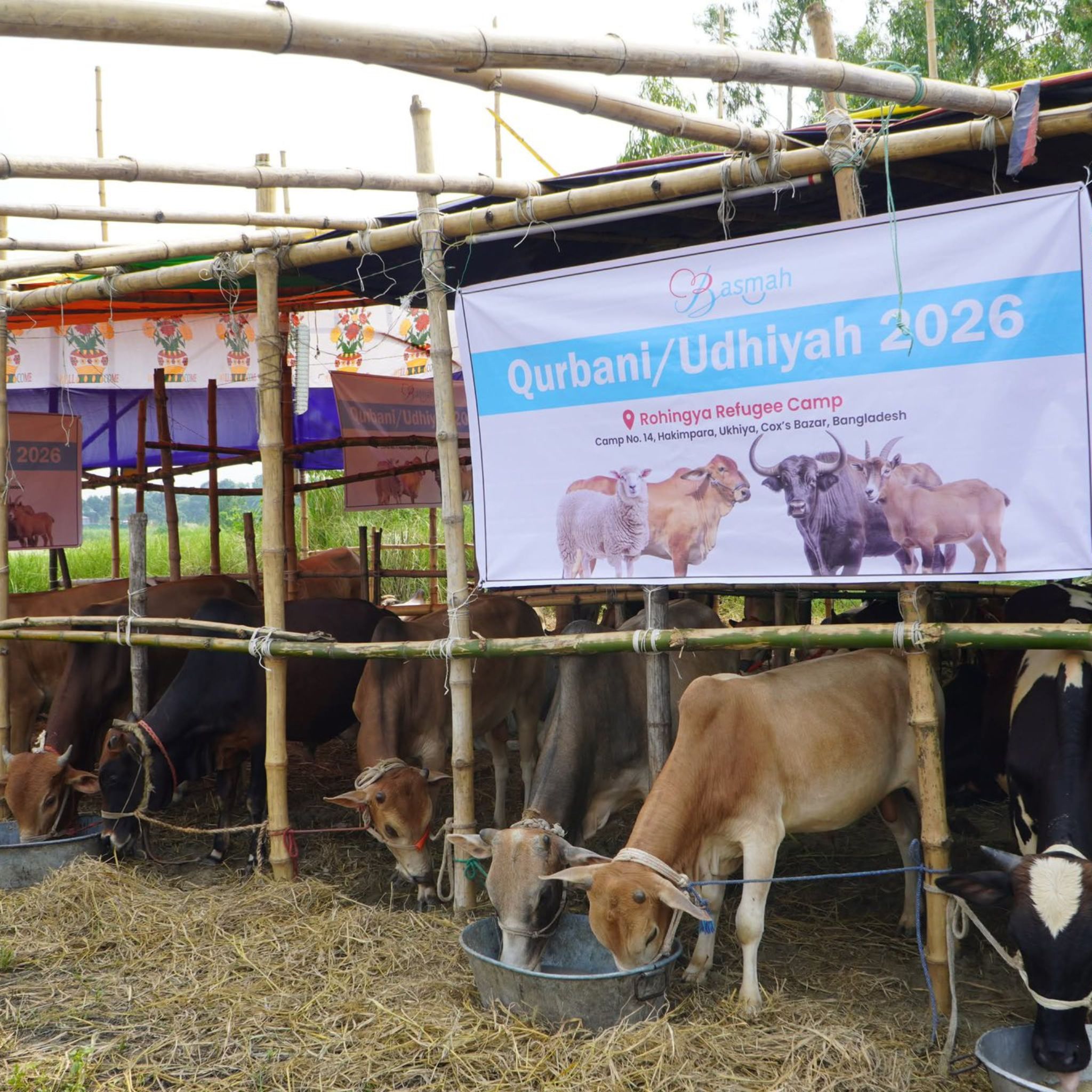
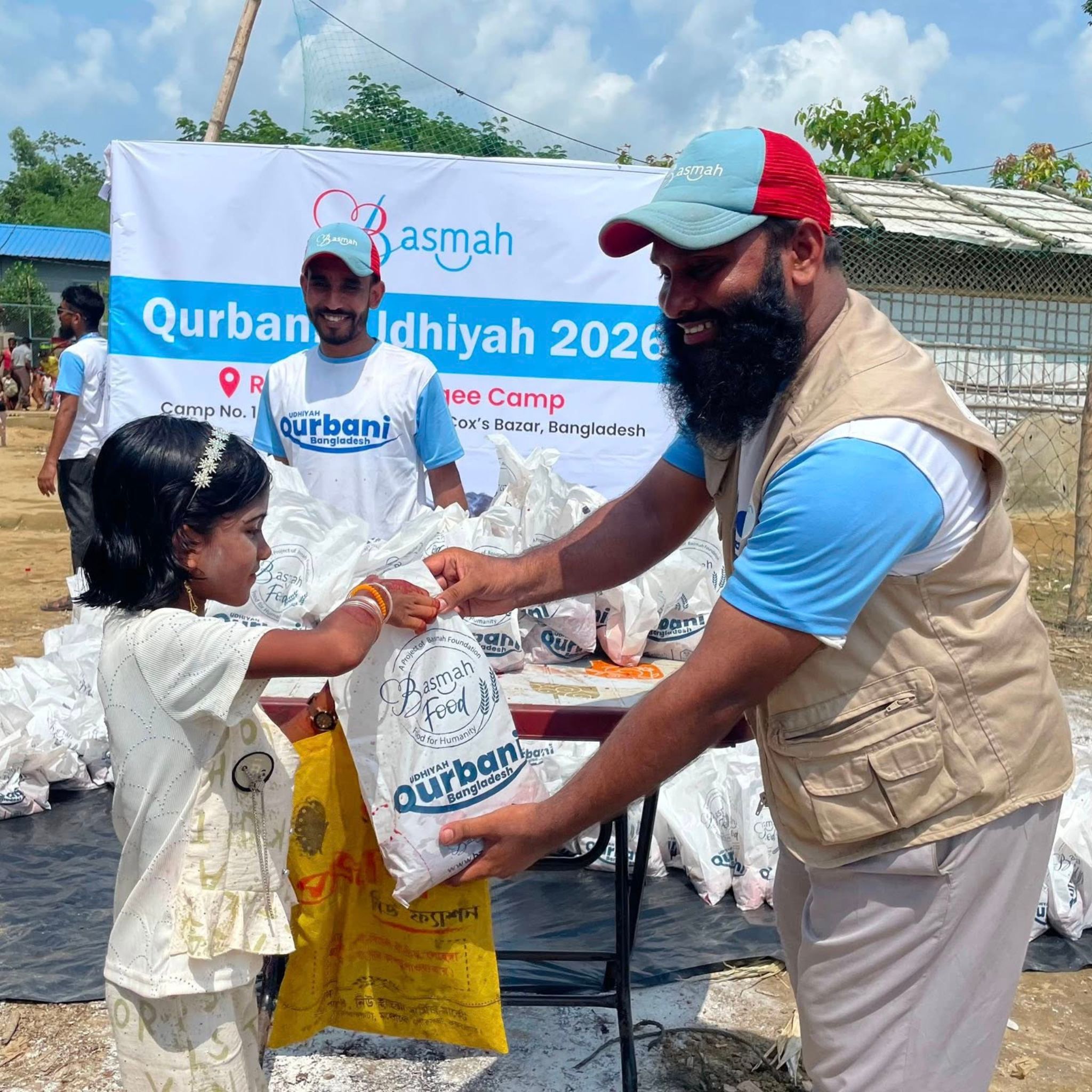
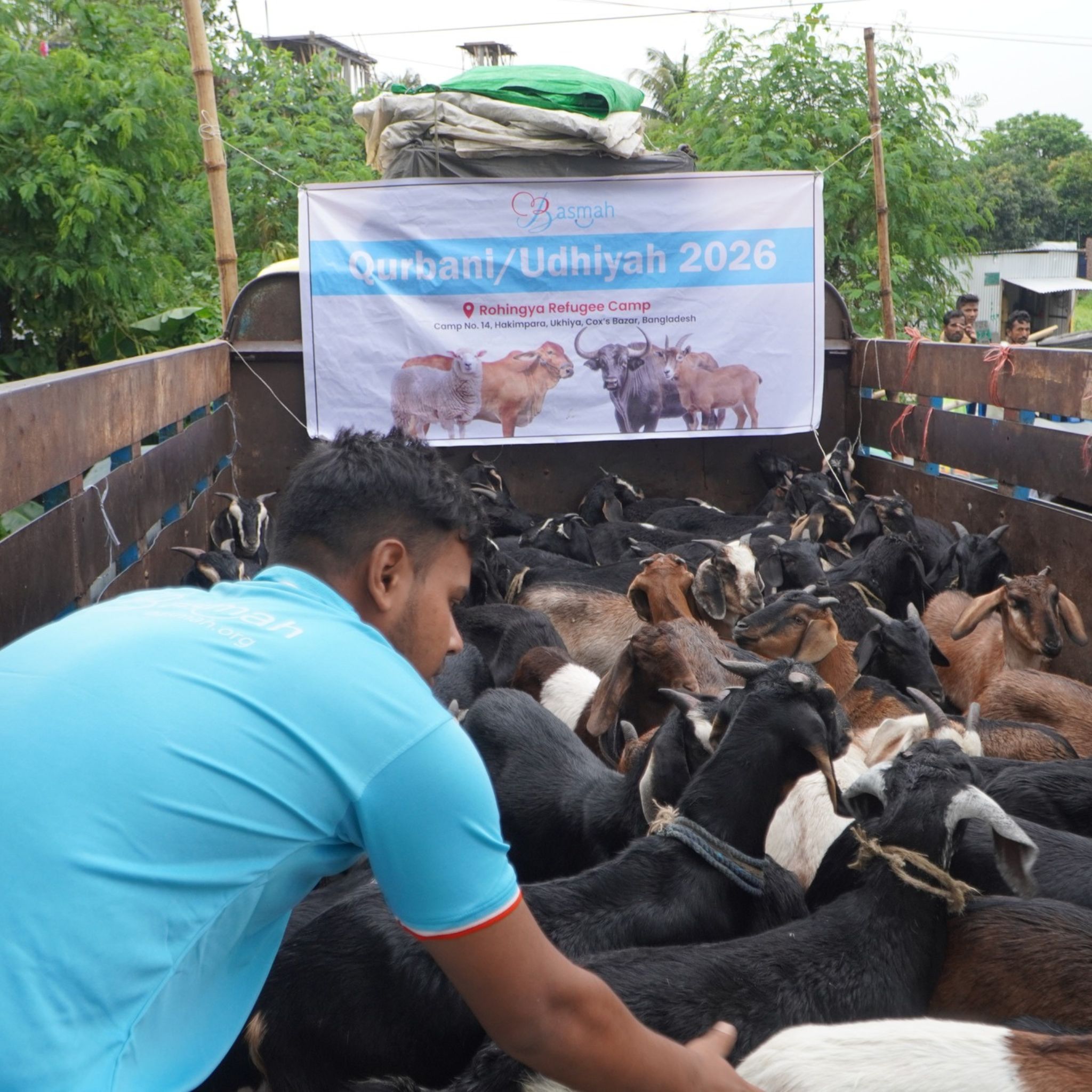
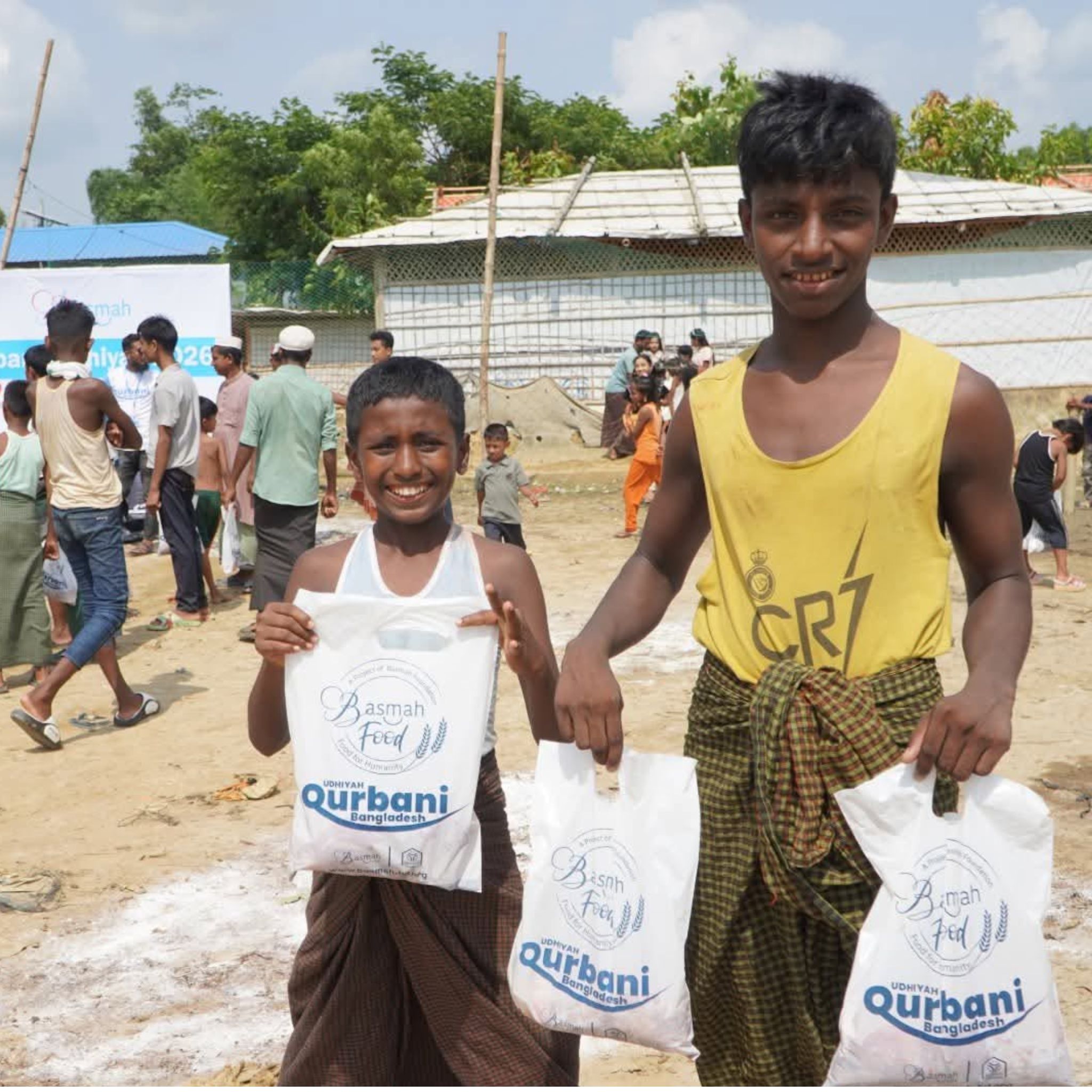
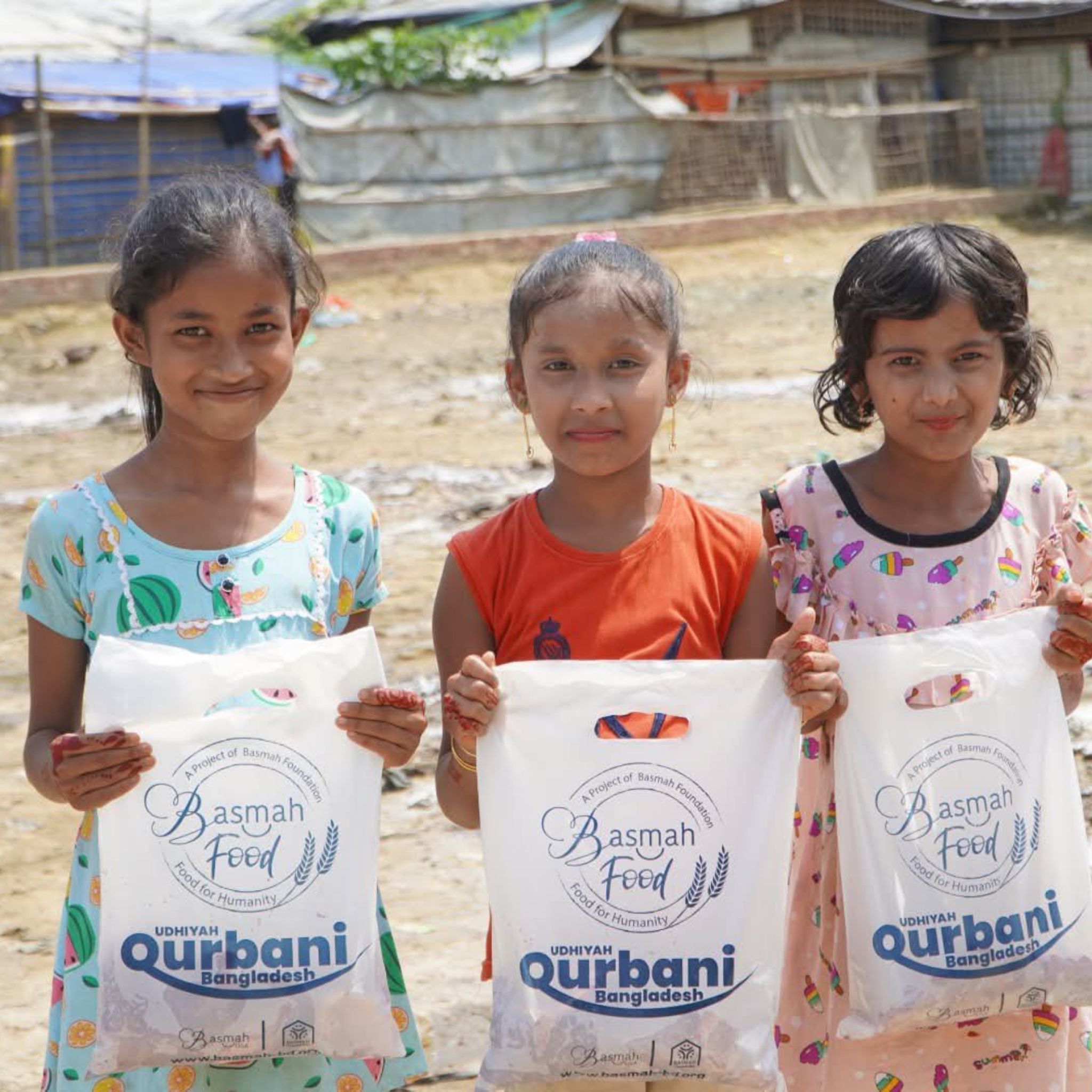
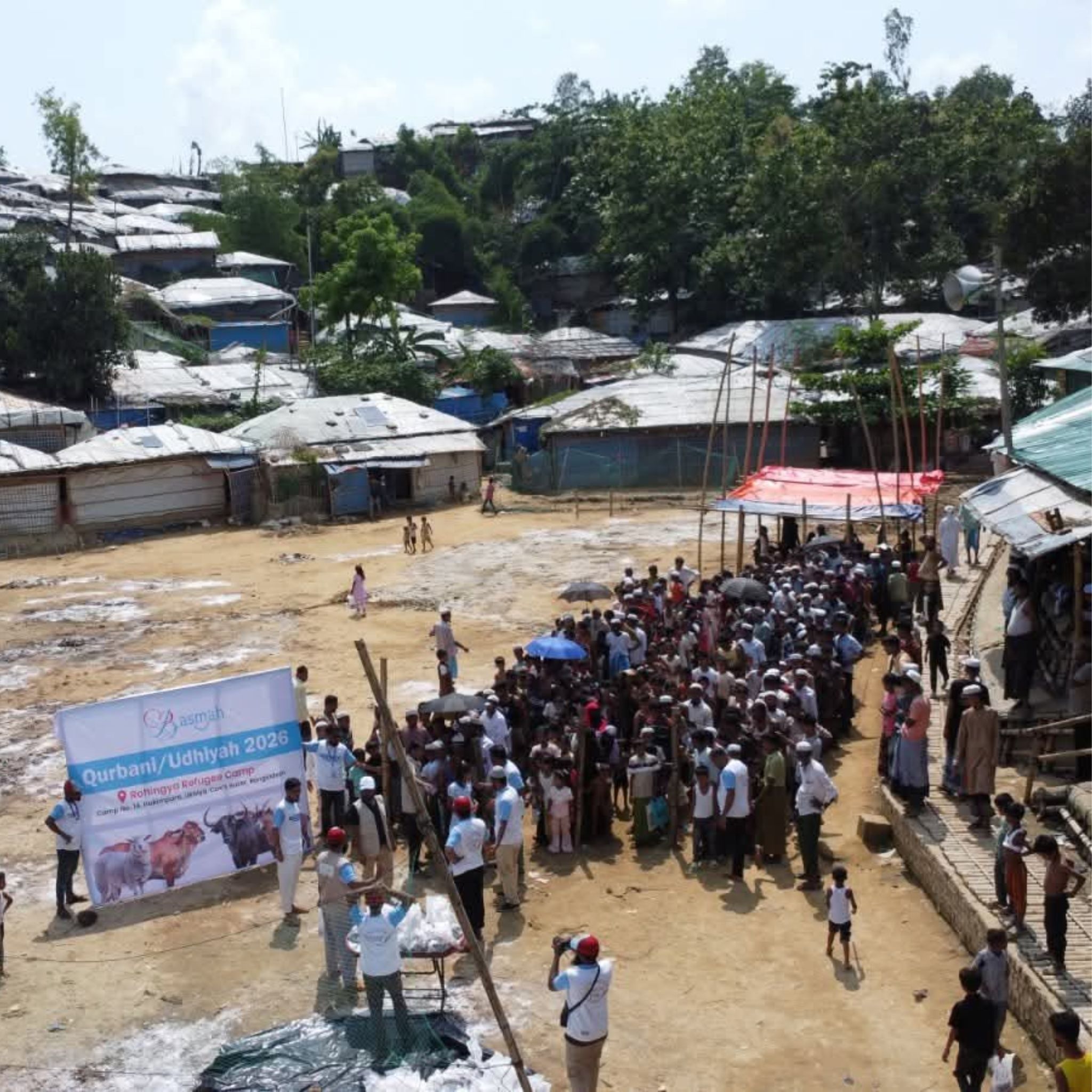
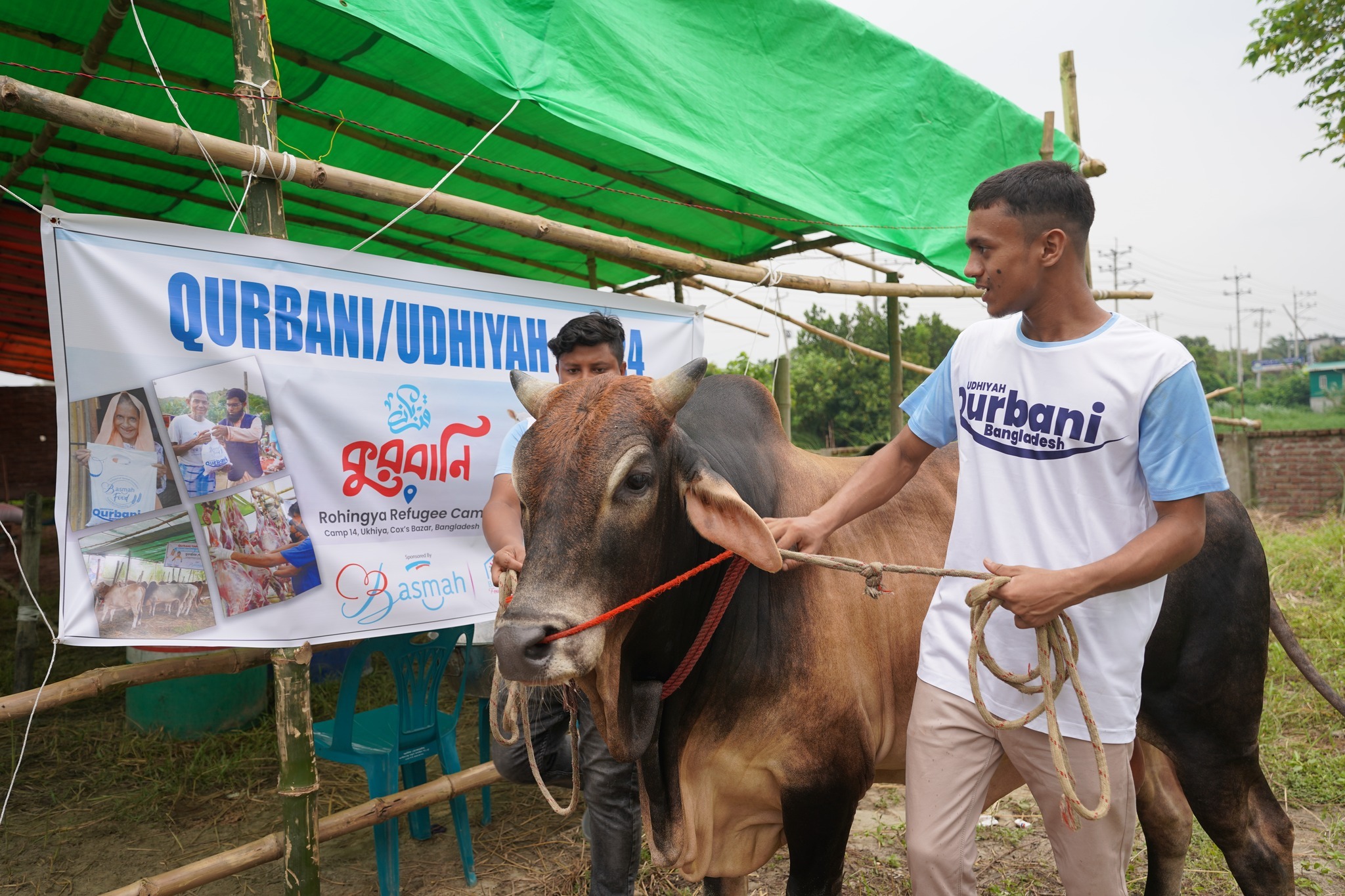
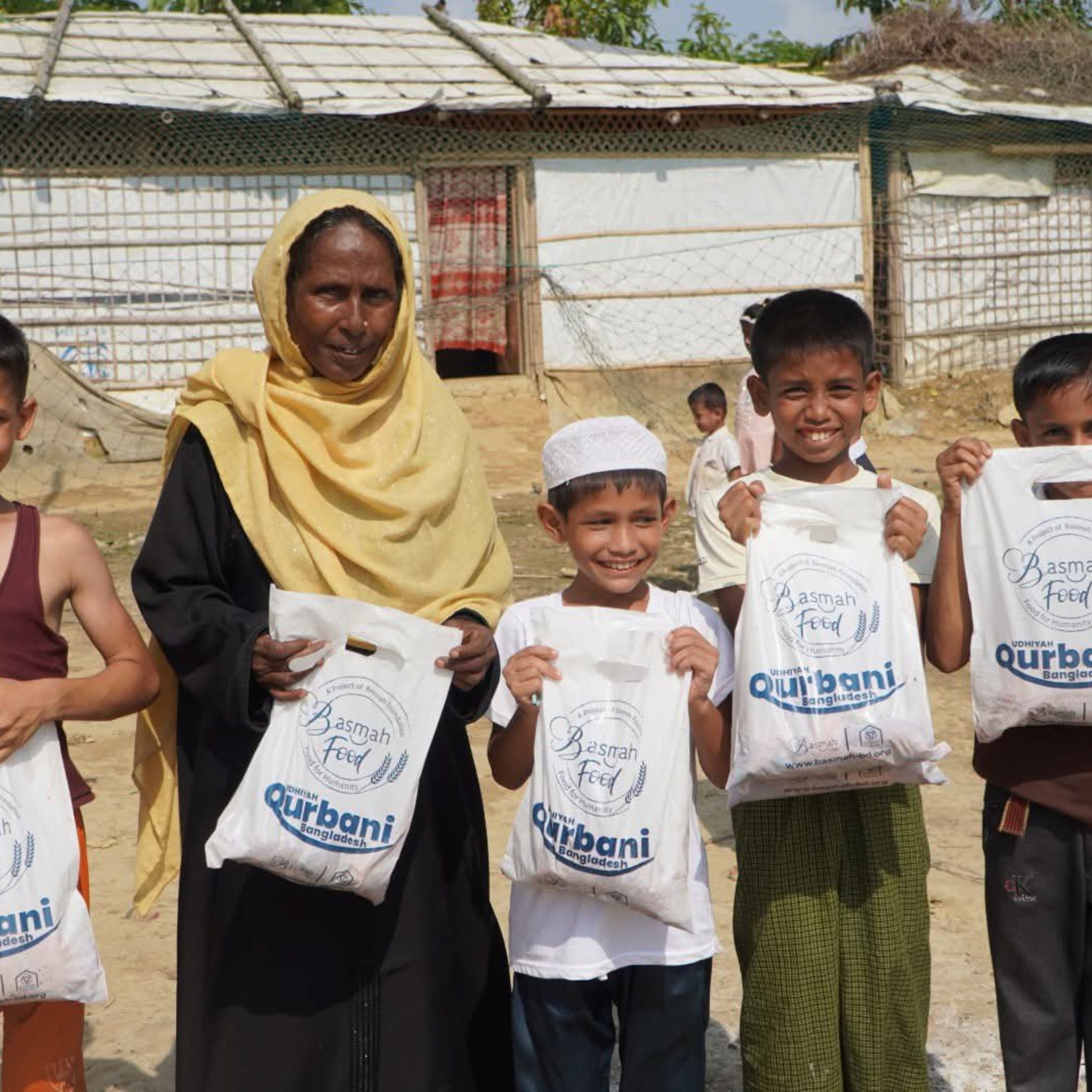
You can follow this Sunnah. Give your own Qurbani โ€” and then give one more, in the spirit of the Prophet ๏ทบ, for a member of the Ummah who cannot afford it. Through a trusted Islamic charity, that additional sacrifice reaches a family in Yemen, in Syria, in Bangladesh โ€” a family for whom meat on Eid is not a given but a rare gift. A family whose Eid is different because someone they will never meet chose to follow a Sunnah they may never have heard of.

You revive a forgotten practice. You feed a real family. You follow the most merciful human being who ever lived in one of his quietest, most generous acts. The reward for all three of these things โ€” during the ten days when good deeds are most beloved to Allah โ€” is not something any worldly calculation can reach.

Start Small โ€” But Actually Start

  • Here is the honest counsel for the person who reads all nine of these and feels the familiar weight of overwhelm settling in: you do not have to do all nine perfectly. You never did. The expectation was never perfection. It was sincerity and direction.
  • Pick two. Three if you are ambitious. Make them specific and concrete โ€” not โ€œI will fast moreโ€ but โ€œI will fast the ninth of Dhul Hijjah, the Day of Arafah, without exception.โ€ Not โ€œI will give more Sadaqahโ€ but โ€œI will give something every single day of these ten days, even if it is small.โ€
  • Small and consistent, during the most blessed days of the year, carried by genuine intention โ€” this is more valuable than grand spiritual ambition that collapses on day three. The Prophet ๏ทบ taught that the most beloved deeds to Allah are those done consistently, even if small. Consistency during Dhul Hijjah means consistency during the days when every small deed is multiplied, recorded, and carried forward into an Akhirah whose accounting system operates on a scale of generosity this world cannot replicate.
  • One page of the Quran. One hundred counts of dhikr. One act of Sadaqah. One fast. One night of Tahajjud. One sincere tighfar that is genuine rather than mechanical. Begun today, maintained across ten days, offered to a Lord who sees the effort behind the amount โ€” this is what these days were designed to receive.
  • The ten days are here, or they are coming, or they just passed and you are already planning for next year. In any of those cases, the response is the same: begin with what you have, from where you stand, with the sincerity that Allah has always been waiting for and has never once turned away.
  • May these nine Sunnahs open nine doors โ€” to forgiveness, to closeness, to the particular peace that belongs only to the soul that spent the most beloved days of the year in the company of its Lord.

Ameen, Ya Rabbul Alameen.

Related Posts

Share this post

ZAKAH CALCULATOR

Deductions

Totals