Your Life-Changing Guide to Dhul Hijjah: 10 Days That Can Guarantee Your Jannah
Ten Days That Outweigh Lifetimes: The Believer's Complete Guide to Dhul Hijjah
Not a checklist. Not a hype piece. A sincere reckoning with the most beloved days Allah ever made.
- Apr 13, 2026
- Before Anything Else: What Makes This Month Different
- The First Priority: Fasting the Nine Days โ and Protecting the Ninth Above All
- The Day of Arafah: When Heaven Draws Closer Than Any Other Day
- Dhikr: The Practice That Costs Nothing and Builds Everything
- Sadaqah: Real Generosity for Real People in Real Need
- Qurbani: The Echo of an Ancient, Total Surrender
- Repairing What Is Broken โ Because the Heart That Holds Grudges Cannot Fully Open
- The Nights That Belong to No One's Schedule But Allah's
- Breaking a Bad Habit โ For His Sake, In These Days
- Eid al-Adha: Receive the Celebration Fully
- A Note for Those Who Read This After Dhul Hijjah Has Passed
- These Days Were Made for Exactly the Person You Are Right Now
Every year, these ten days arrive. Every year, the reminders circulate โ the posts, the articles, the WhatsApp forwards. Every year, most of us absorb the information, feel a brief stirring of intention, and then watch the days pass largely as they always have. Work. Screens. Sleep. The occasional extra prayer offered with mild guilt rather than genuine presence.
And then Eid arrives and we wonder, quietly, where the days went.
This article is for the person who is tired of that cycle. Not the person who needs to be convinced these days matter โ you already sense that they do. But the person who wants to actually inhabit them this year, rather than observe them from a comfortable distance.
The Prophet ๏ทบ said it without qualification: โThere are no days during which righteous deeds are more beloved to Allah than these ten days.โ The companions โ people who had bled for Islam, who had given up everything โ pressed him. Not even Jihad? Not even that, he said, except for the one who goes out with everything and returns with nothing.
That is the scale we are working with. Not modest spiritual bonus days. The absolute summit of the Islamic yearโs spiritual landscape. Ten days that Allah Himself honored with a divine oath in Surah Al-Fajr โ โBy the ten nightsโ โ because when Allah swears by something in His own Book, that something has earned a category of significance no human ranking system can adequately express.
The question is not whether these days are important. The question is what you are actually going to do in them.
Before Anything Else: What Makes This Month Different
Dhul Hijjah is the twelfth and final month of the Islamic calendar. It is one of the four sacred months Allah designated in the Quran โ months in which the weight of every action, good and harmful alike, is amplified. But within those sacred months, Dhul Hijjah stands apart. And within Dhul Hijjah, the first ten days stand at the very apex.
Why? Because of what converges in this single window.
Hajj โ the fifth pillar of Islam, the gathering of millions in Makkah, the ritual that traces the footsteps of Ibrahim and Hajar and Ismail ๏ทบ โ happens here. The Day of Arafah, when Allah frees more souls from Hellfire than on any other day of the year, falls on the ninth. Eid al-Adha, the commemoration of the greatest act of submission in human history, falls on the tenth. Qurbani, Sadaqah, fasting, dhikr, Takbeer โ every major form of worship presses into this ten-day window simultaneously.
This is not a coincidence. It is divine architecture. Allah built these days as the most complete spiritual environment the year produces. And He opens them once, for ten days, and then they close.
Whether you are performing Hajj this year or watching from your kitchen โ these days belong to you. The Barakah is not geographically restricted to Makkah. It covers every believing heart that turns toward Allah during this window, wherever on earth that heart happens to be beating.
The First Priority: Fasting the Nine Days โ and Protecting the Ninth Above All
The Prophet ๏ทบ fasted the first nine days of Dhul Hijjah. Regularly. Intentionally. As a recognized feature of how he lived this sacred window. This is not a marginal Sunnah or an obscure practice โ it is documented, preserved, and waiting for you to receive it.
What makes this fast theologically extraordinary is the hadith Qudsi in which Allah says: โAll the deeds of the son of Adam are for him, except fasting. It is for Me, and I shall reward it.โ Every other act of worship carries a known multiplier โ ten times, seven hundred times, more according to sincerity and circumstance. But fasting? Allah handles the reward personally. No announced ceiling. No declared scale. Just divine generosity operating without an announced limit, applied to every voluntary hour of hunger you experience in these nine mornings.
Each hunger pang during these days is not meaningless physical discomfort. It is currency deposited into an account whose balance you will only discover in the Akhirah โ and whose size, the evidence suggests, will astonish you.
But if nine days genuinely cannot happen โ health, travel, circumstances that are real and not merely convenient excuses โ then protect the ninth with everything you have. The Day of Arafah. The Prophet ๏ทบ was asked directly about fasting this day. His answer required no elaboration: โIt expiates the sins of the preceding year and the coming year.โ
Two years. One fast. That arithmetic does not work in any worldly economy. It works only in the economy of divine generosity, where the exchange rate is set by the Most Generous and has never once disappointed anyone who reached for it.
Guard the ninth of Dhul Hijjah the way you would guard something irreplaceable. Because it is.
The Day of Arafah: When Heaven Draws Closer Than Any Other Day
The ninth of Dhul Hijjah deserves its own sustained attention, because its significance operates on multiple levels simultaneously.
On this day โ during the Prophetโs farewell Hajj, with tens of thousands of companions gathered โ Allah revealed the ayah that sealed the religion: โThis day I have perfected for you your religion and completed My favor upon you and have approved for you Islam as your religion.โ (Al-Maโidah 5:3) The faith you practice was declared complete on this day. Arafah is the birthday of Islamโs finality.
On this day, the pilgrims stand on the plain outside Makkah โ millions of them, stripped of worldly markers, equal in their white cloth and their need โ and call out to Allah from noon until sunset. The Prophet ๏ทบ described this gathering with words that should permanently reshape how we think about divine attention: Allah descends to the nearest heaven, draws near to His servants, and speaks to His angels about the people standing before Him. โLook at my servants. What do they want?โ
He knows what they want. He has always known. The question is not informational โ it is an act of divine honoring. He is drawing the angelsโ attention to His servants the way a father draws a roomโs attention to a child he is proud of. And His promise on this day extends to everyone who comes to Him sincerely: even those whose sins were as vast as the oceanโs foam will find forgiveness waiting.
No day in the year sees more souls freed from Hellfire than Arafah. Not Laylatul Qadr. Not Eid. Arafah. And that divine liberation extends โ by the mercy of Allah and the teaching of His Prophet ๏ทบ โ to every believer who fasts this day and calls out to Him, from every corner of the earth.
Spend Arafahโs final hours โ from Asr to Maghrib โ in sustained, unhurried duโa. Put the phone down. Raise your hands. Bring everything you have been carrying: your sins by name, the people you love by name, your fears for the Akhirah by name. Ask for Jannah with the longing it actually deserves. Ask for protection from the Fire with the seriousness that threat actually warrants. Ask for guidance, for mercy in the grave, for safety on the Day when no shade exists except His.
The best duโa of this day โ the duโa the Prophet ๏ทบ named as the finest thing he and all the prophets before him said on Arafah:
โLa ilaha illallahu wahdahu la sharika lah, lahul mulku wa lahul hamdu wa huwa ala kulli shayโin qadir.โ
There is no god but Allah, alone, without a partner. To Him belongs all sovereignty, to Him belongs all praise, and He has power over all things.
Begin with this. Return to it. Let it anchor everything else you ask.
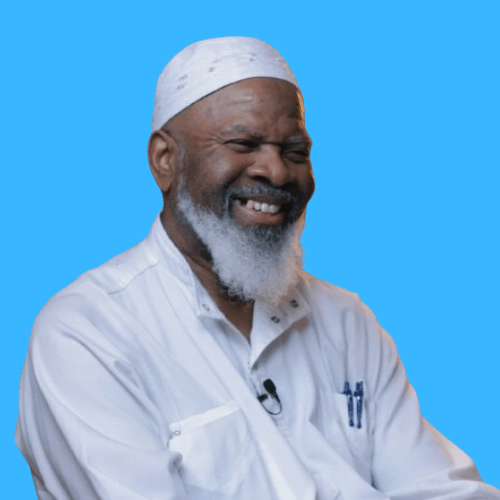
Imam Siraj Wahhaj
Honorary advisor of BASMAH
Dhikr: The Practice That Costs Nothing and Builds Everything
The Prophet ๏ทบ gave a specific instruction for these ten days โ not a general encouragement toward remembrance, but a targeted command: increase the Tahleel, the Takbeer, and the Tahmeed.
Allahu Akbar. Alhamdulillah. La ilaha illallah. Subhanallah.
Four phrases. Each one a complete theological orientation. Each one, during these days, accumulates reward silently in the background of whatever else you are doing โ provided the tongue moves and the heart, even partially, accompanies it.
The companions understood this viscerally. Ibn Umar and Abu Hurairah would walk into the marketplaces of Madinah during Dhul Hijjah and say the Takbeer aloud โ in the noise, in the commerce, in the ordinary texture of public life. And others would hear them and join. Until the marketplace itself became a congregation of remembrance.
Your commute is a marketplace. Your kitchen is a marketplace. The school run, the waiting room, the hour between tasks โ all of it becomes a site of worship the moment Allahu Akbar rises from it. Dhikr does not require stillness or solitude or a particular posture. It requires only the tongueโs movement and the heartโs intention.
Say the Takbeer during these days until it becomes reflex. Until it interrupts the complaint before the complaint finishes forming. Until gratitude rises faster than frustration. That is what consistent dhikr actually does โ quietly, beneath the surface, over time, it rewires the instinctive response. And the ten days when Allah loves good deeds most are the most powerful season to begin that rewiring.
Sadaqah: Real Generosity for Real People in Real Need
Charity during these ten days is not an abstract spiritual transaction. It moves. It travels through real channels and lands in real lives โ and every dirham of it carries the amplified reward of the most beloved days in Allahโs year.
Think past the donation button for a moment. Think about who actually needs what you have.
There is a family in your extended community whose Eid depends on whether the Ummah shows up for them. There is an orphan whose entire experience of these days will be shaped by whether someone remembered them. There is an elderly person who has not spoken to another human being in three days, sitting alone while the Ummah celebrates around them. There is a student one payment away from dropping out of school, waiting to see if anyone cares enough to cover the gap.
Your Sadaqah during these days reaches those places. And the duโa of the person whose need you met โ unscripted, unselfconscious, genuinely grateful โ is heard by the same Allah who declared these days His favorites. That duโa, made for you by someone you will likely never meet, is heard in the most receptive spiritual atmosphere the year produces.
Give money. But also: give time. Give a genuine conversation to someone lonely. Give patience to someone frustrating. Give a meal to someone hungry. Give a smile โ and mean it โ to someone who appears invisible. The Prophet ๏ทบ taught that every act of genuine kindness is Sadaqah. During Dhul Hijjah, every act of genuine kindness is Sadaqah during the days Allah loves most.
Give more than is comfortable. Give in a way that requires something from you. The Sadaqah that costs nothing teaches nothing. The Sadaqah that stretches you plants something in your character that lasts far beyond these ten days.
Qurbani: The Echo of an Ancient, Total Surrender
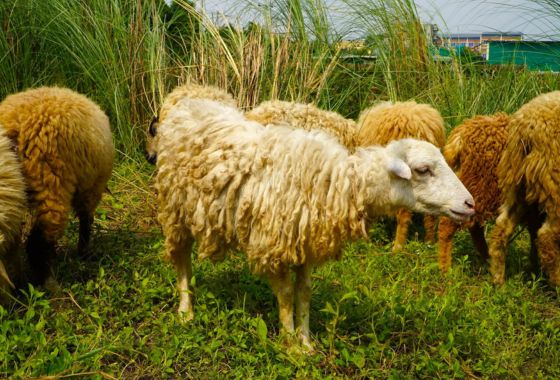
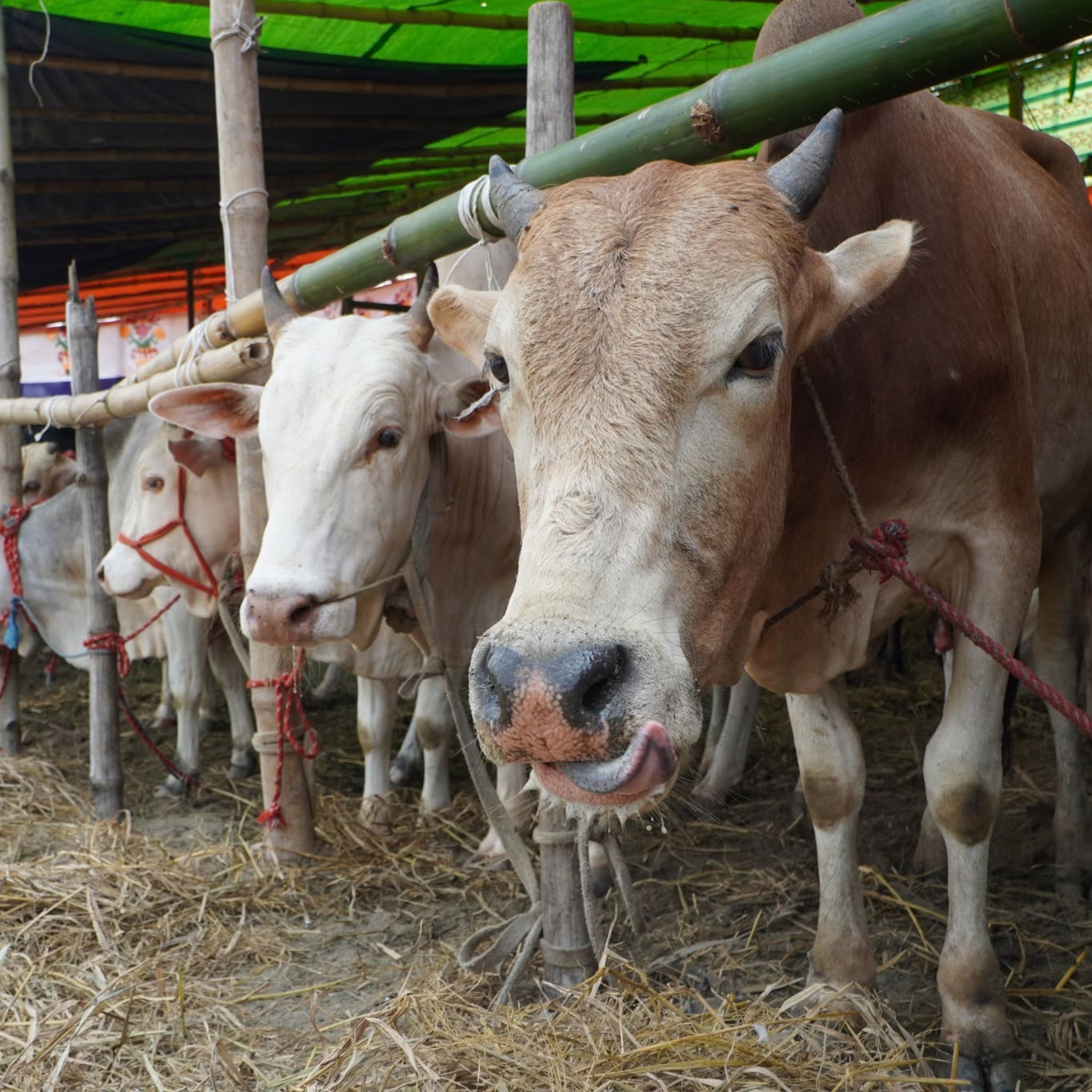
Every Eid al-Adha, across the globe, the act of sacrifice ripples through the Ummah. Animals sacrificed. Meat distributed. Families fed who would otherwise not taste it. But beneath all the practical logistics lives a story that deserves to be felt, not just known.
Ibrahim ๏ทบ received Ismail as a miracle of old age โ the son he had prayed for across decades of longing. He loved him the way a man loves an answered prayer. And then the command came, unmistakable in the way prophetic dreams are unmistakable: take your son. Sacrifice him.
Ibrahim walked toward it. Did not argue, did not negotiate, did not ask for time to process. And Ismail โ when his father told him โ did not run. He said: โFather, do what you have been commanded. You will find me, if Allah wills, among the patient.โ
Father and son. Together. Walking toward the hardest thing either of them had ever faced, choosing Allah over everything they held most precious. That surrender โ total, clear-eyed, freely chosen โ is what Qurbani echoes every year. Not merely a charitable act, though it is that. Not merely a ritual, though it is that too. It is a declaration, made in the language of action, that you hold nothing so tightly you cannot release it when Allah asks.
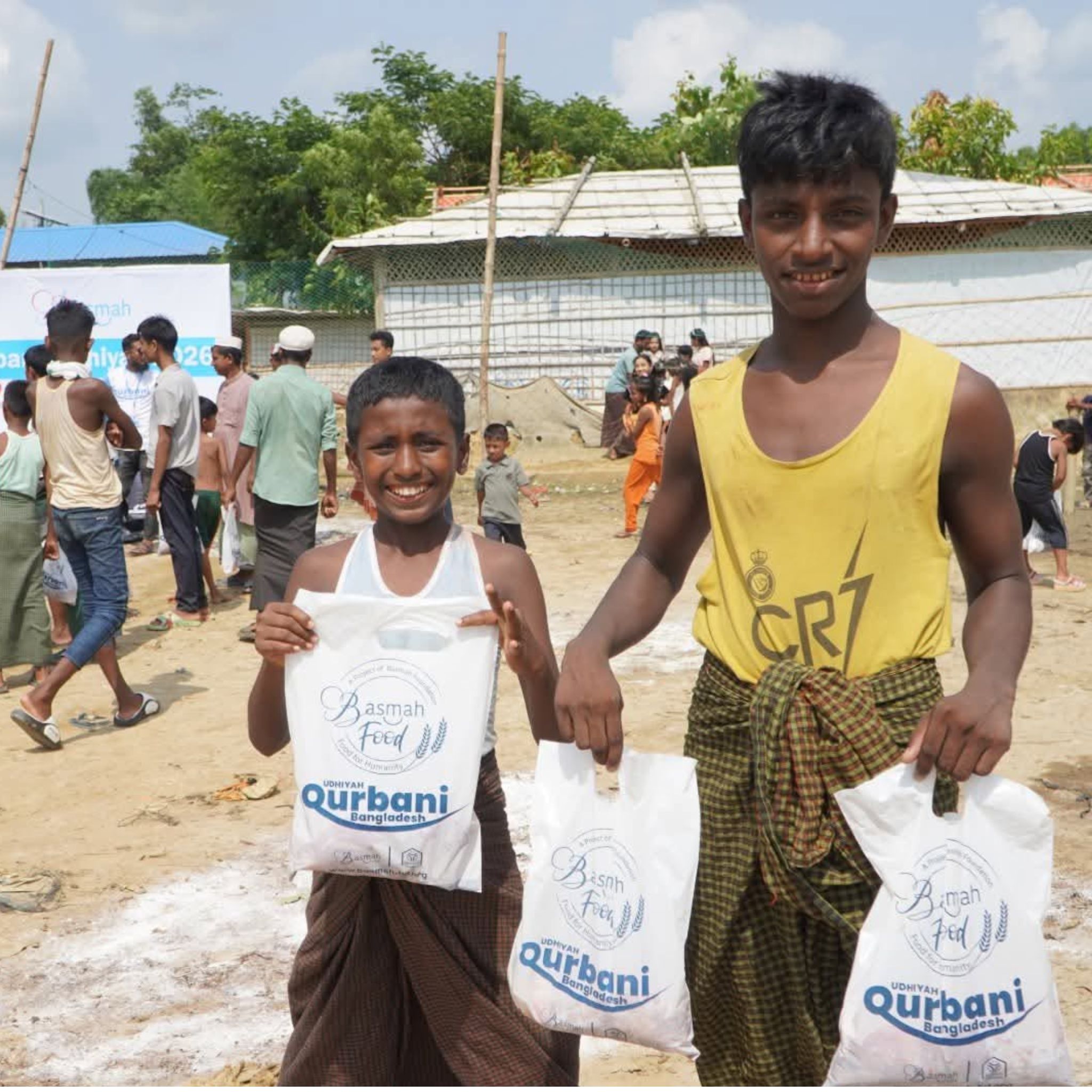
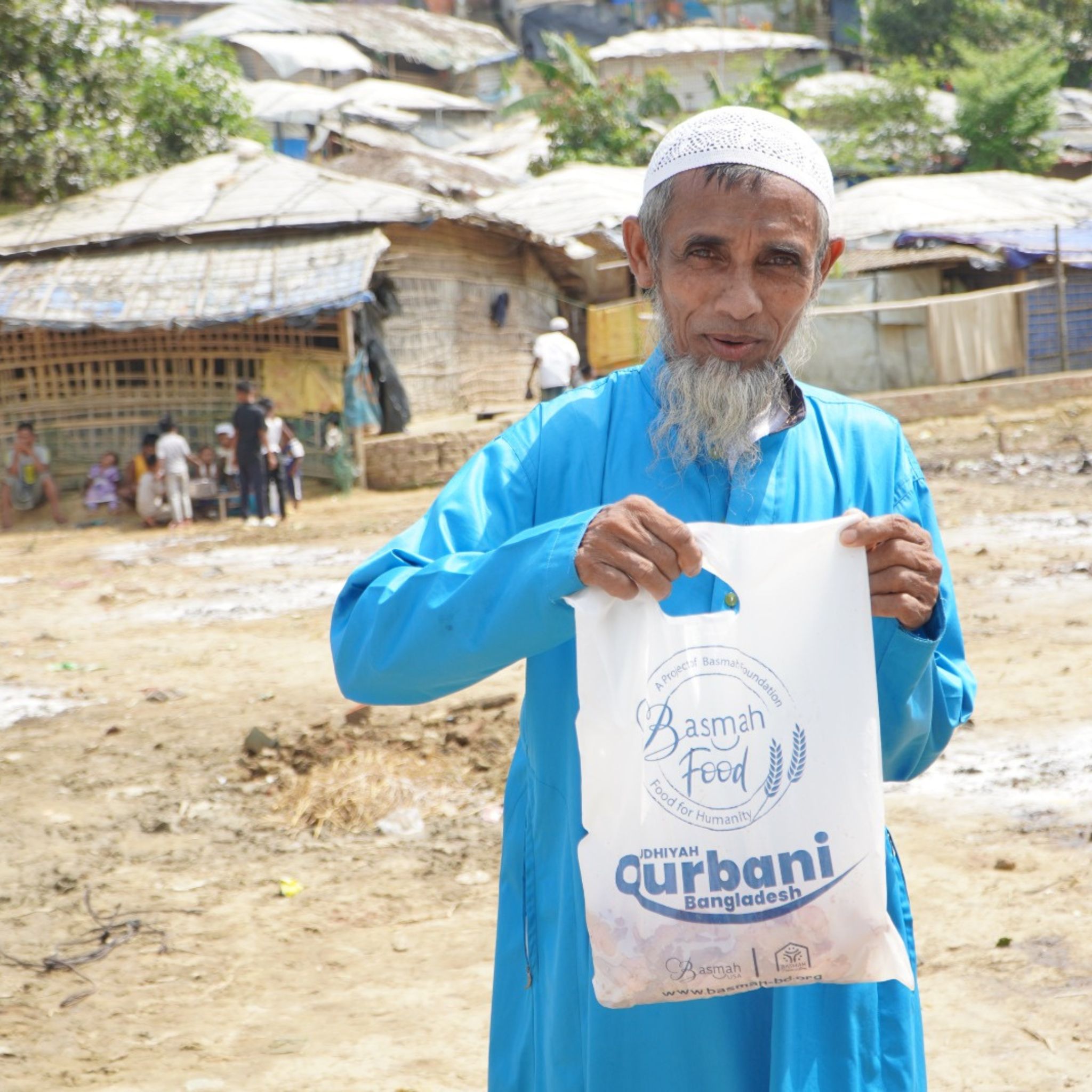
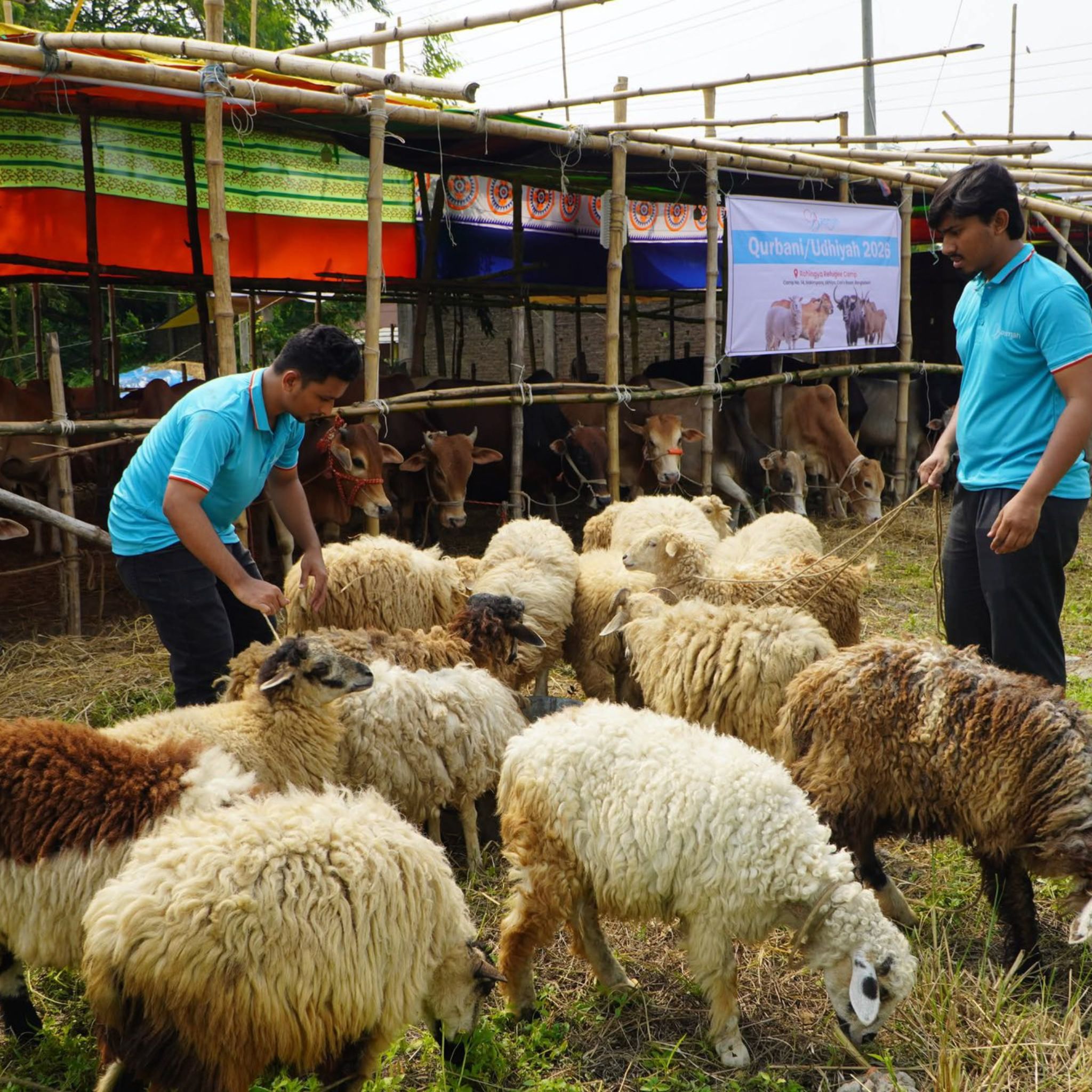
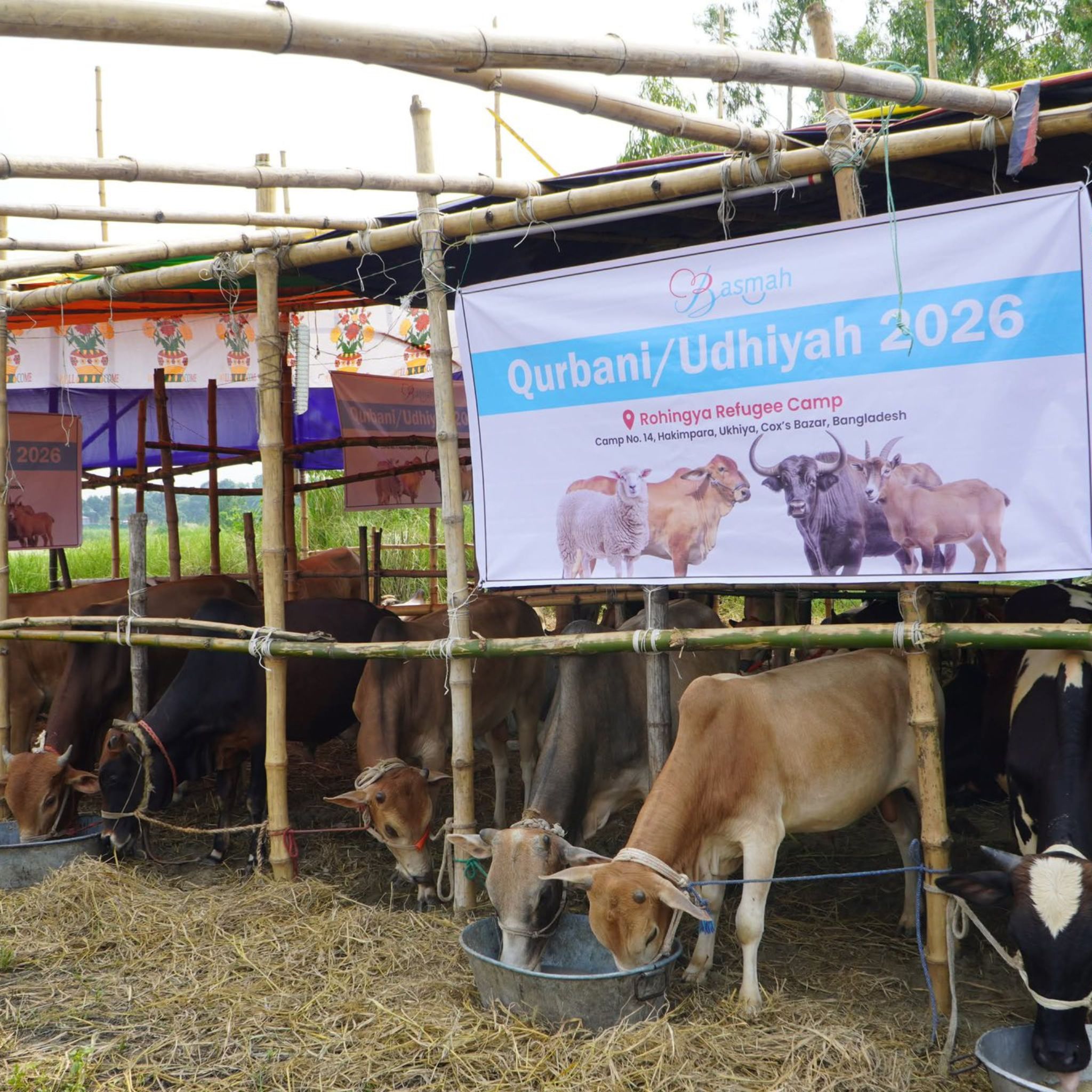
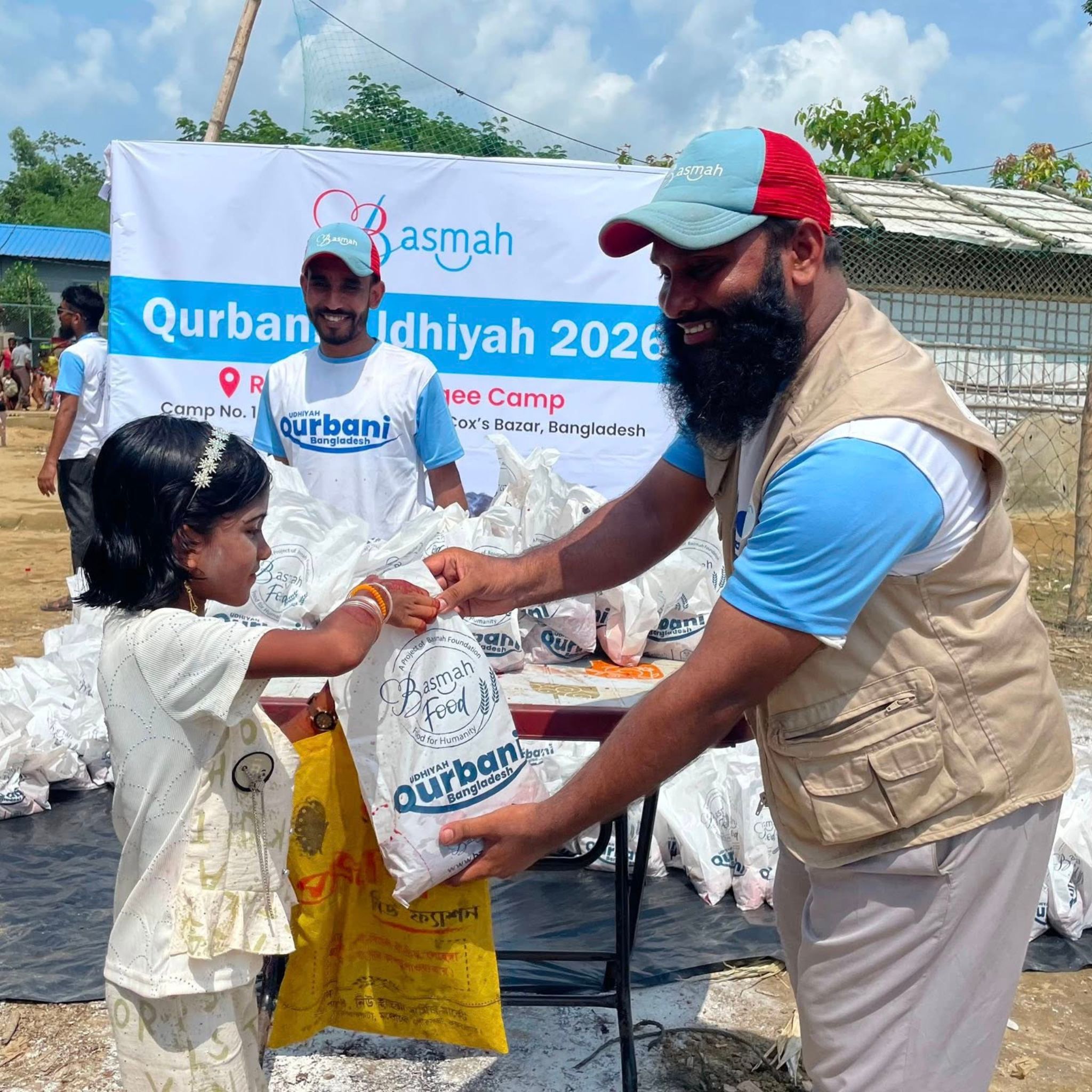
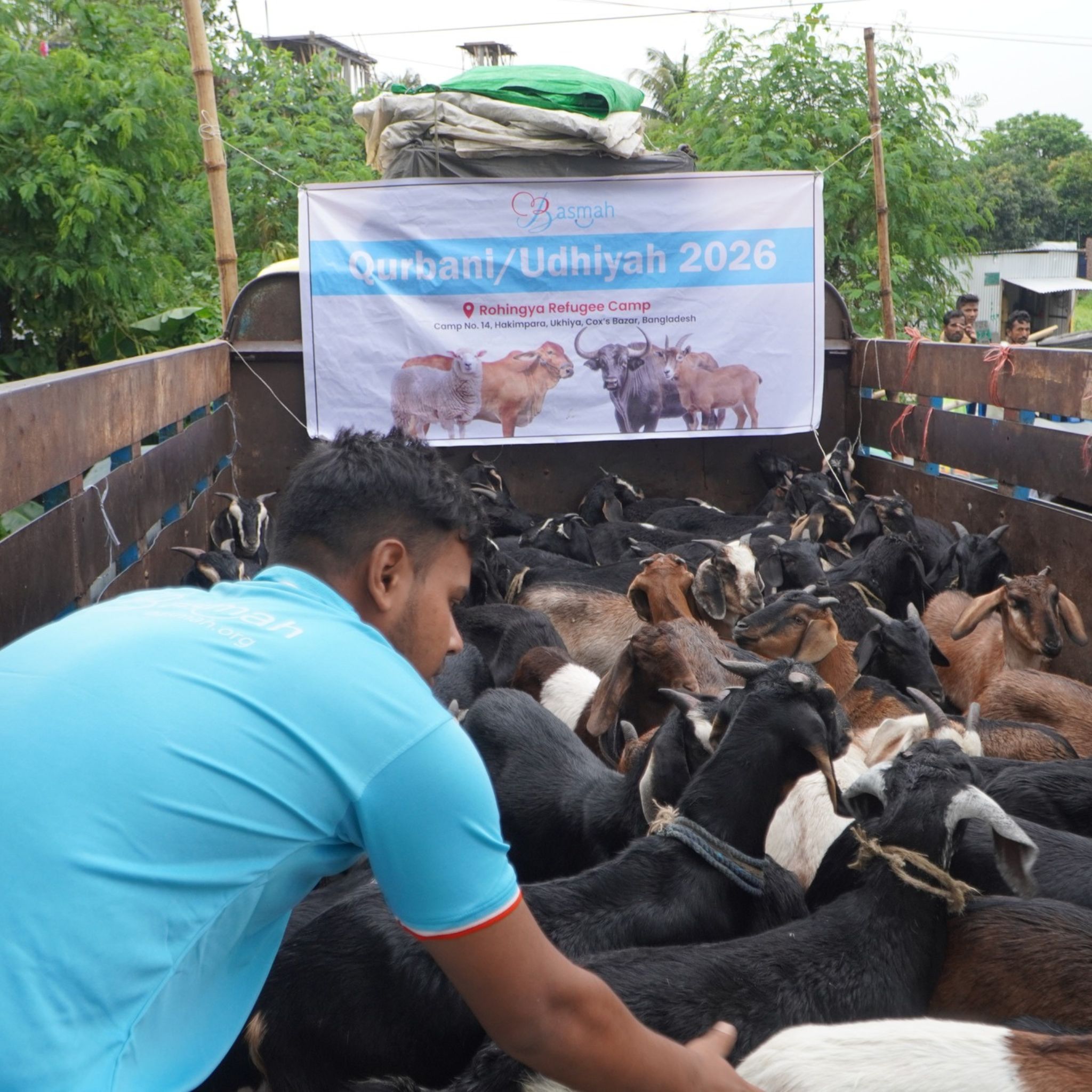
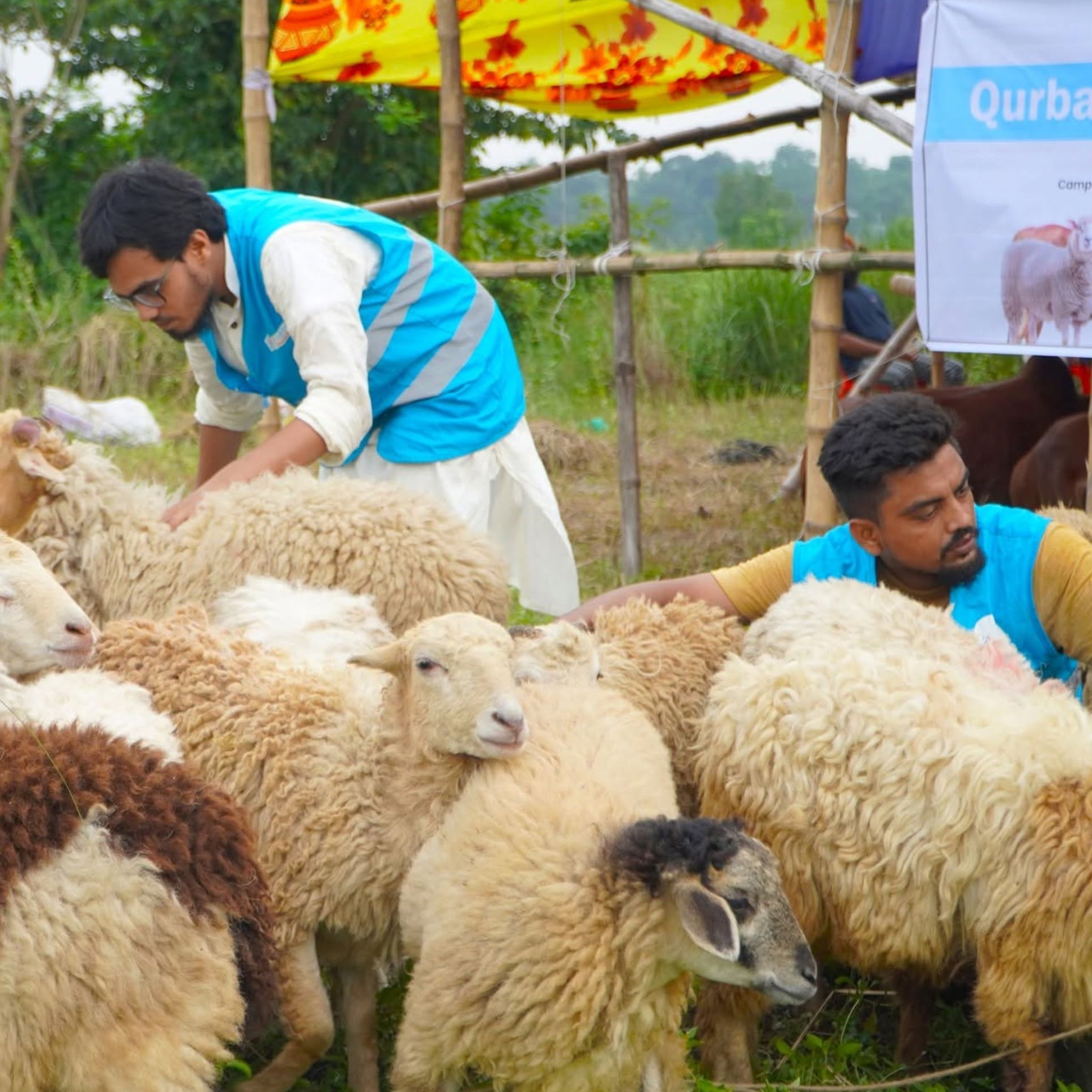
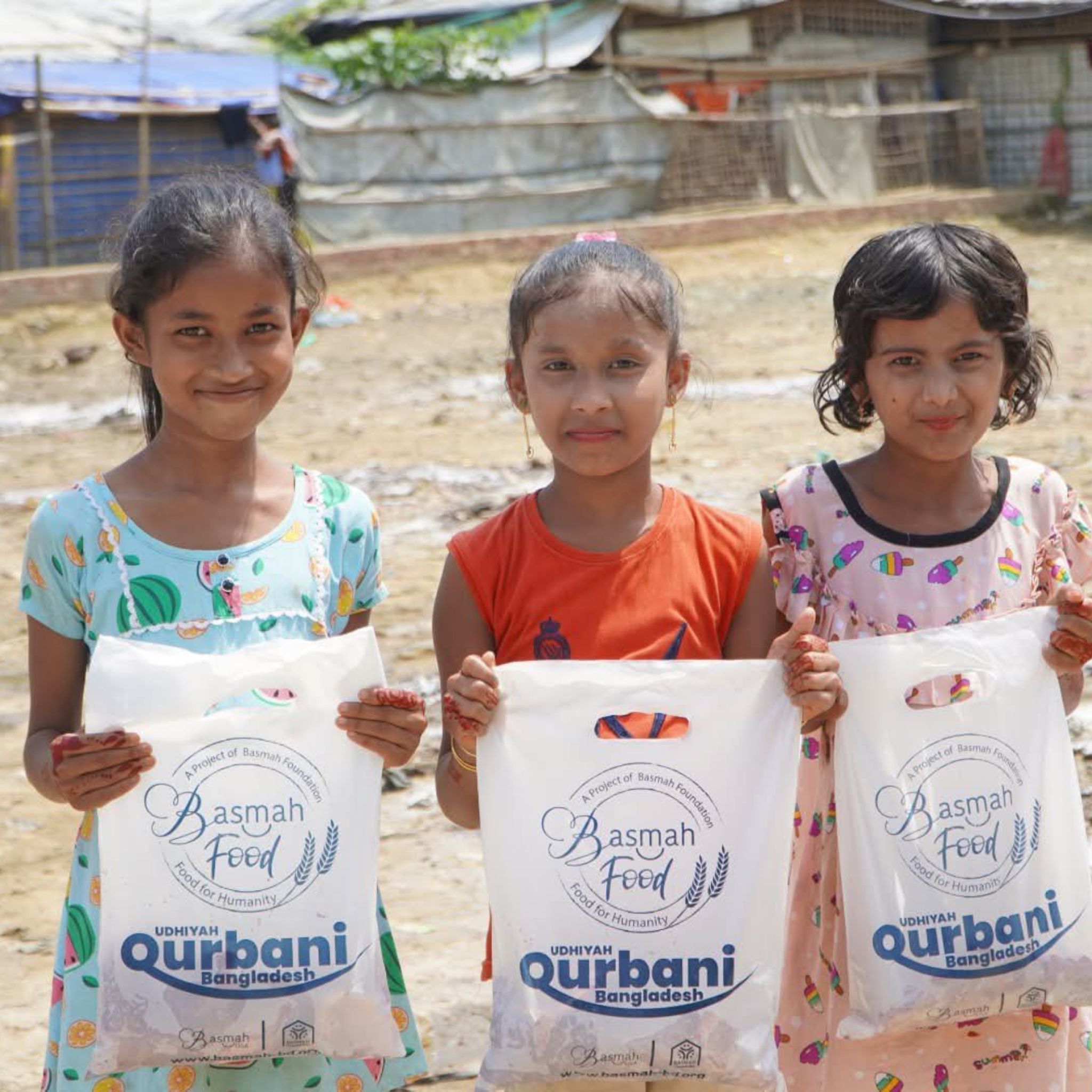
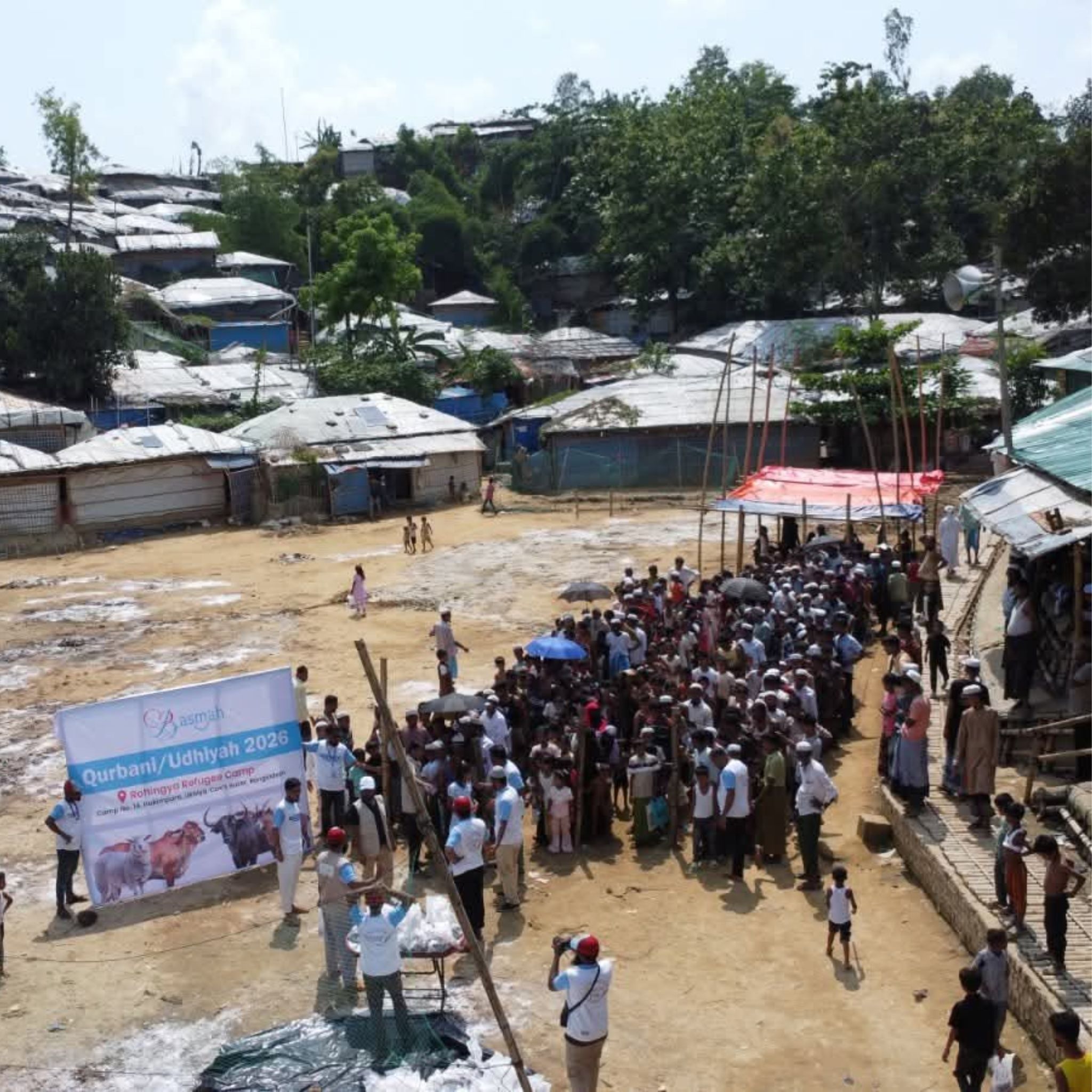
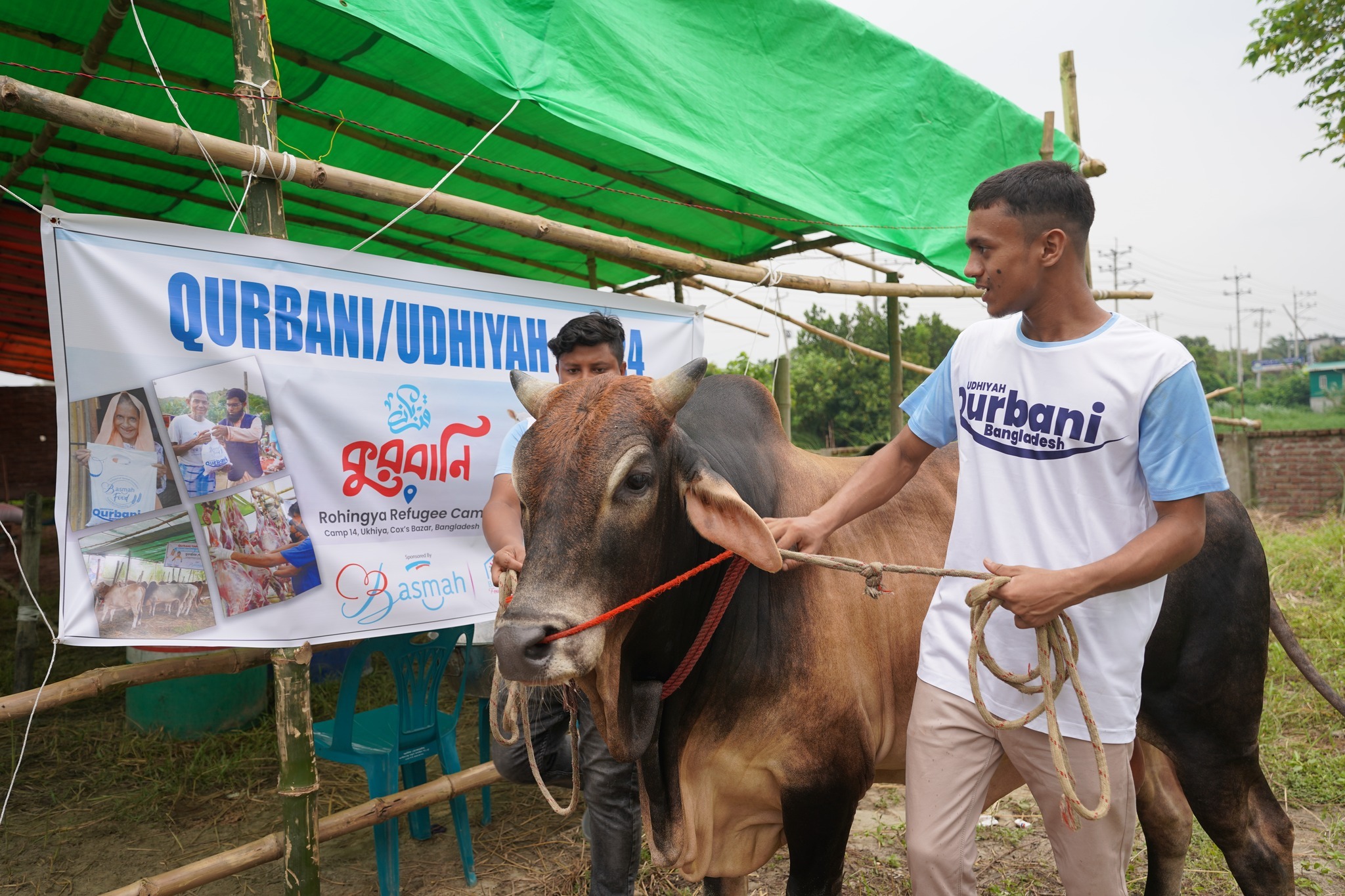
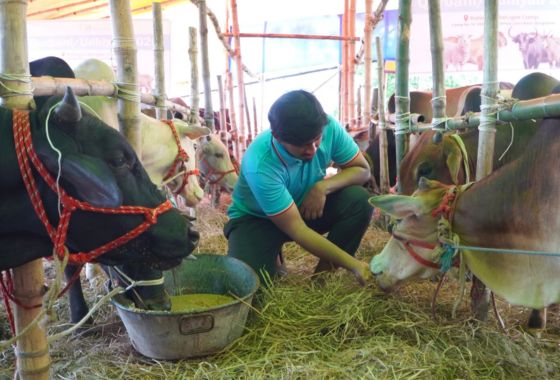
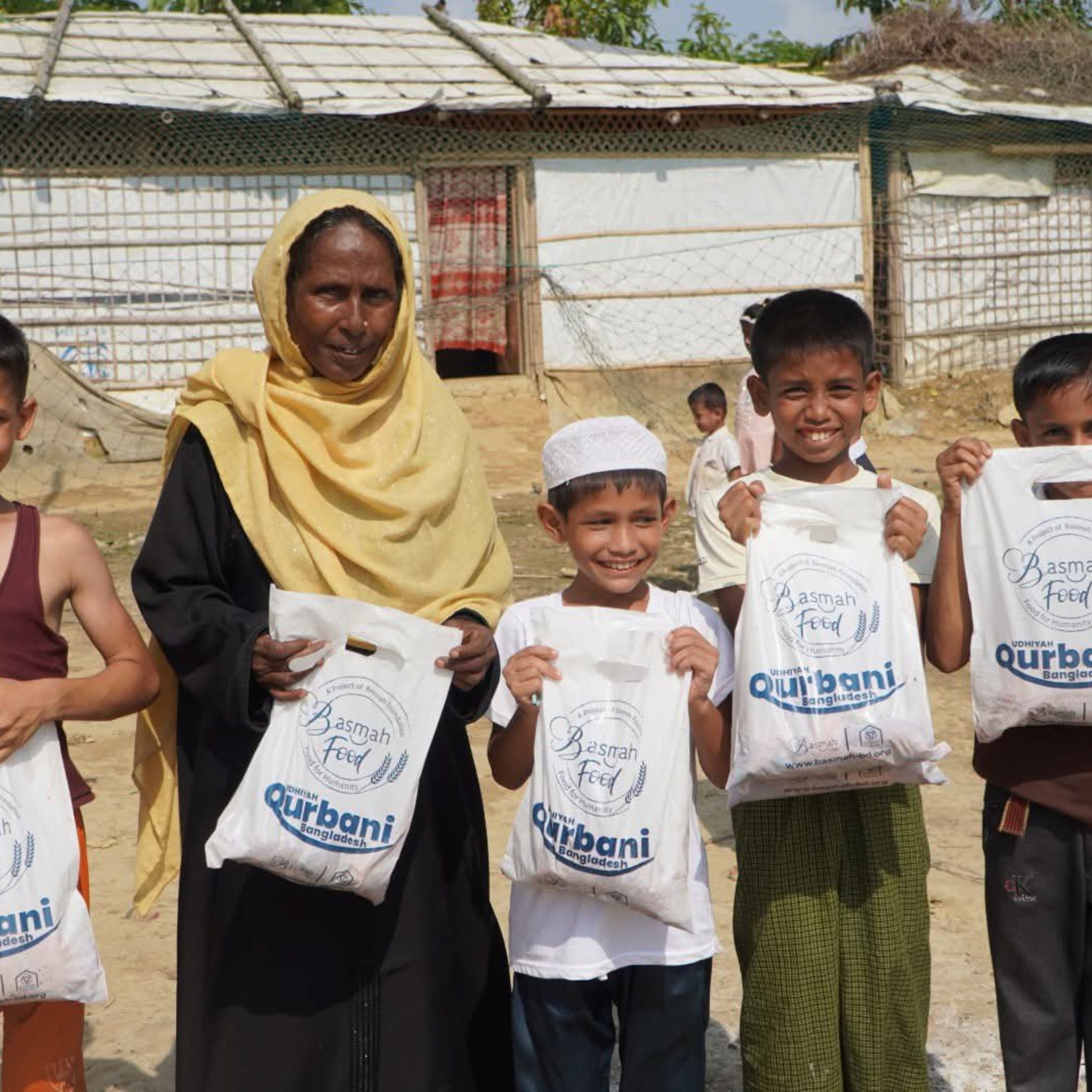
Give Qurbani if you are able. Give the best animal you can afford โ not the minimum that satisfies the requirement, but the best, because this is your gift to Allah and it reflects what you think He is worth. And if you are giving through an organisation that reaches communities in genuine need, know that the meat arriving in those communities on Eid day carries your name spiritually, and the duโa of those families for their unknown benefactor rises on the day when Allah is listening most attentively.
Repairing What Is Broken โ Because the Heart That Holds Grudges Cannot Fully Open
There is a duโa that cannot travel cleanly while a relationship sits deliberately broken and unaddressed. The Prophet ๏ทบ taught that deeds are presented to Allah on certain days โ and that the records of two people who have severed ties are set aside until they reconcile.
Dhul Hijjah is asking you to make the call. Send the message. Knock on the door.
Not because reconciliation will be comfortable. Not because the other person necessarily deserves it, or because you were wrong. But because carrying severed ties into the most beloved days of the year costs you spiritually in ways that are difficult to see and entirely real. And because these ten days โ with their amplified reward for every good deed โ are also ten days of amplified opportunity to repair what has gone broken.
Call the relative you have been avoiding. Visit your parents or, if they are gone, make duโa for them with the particular tenderness these days unlock. Forgive the person who wronged you โ not for their sake, but for the lightness it returns to you and the reward that accompanies the release.
The Prophet ๏ทบ taught that maintaining family ties brings love, increases provision, and extends life. During the ten days Allah loves most, those effects are amplified by the spiritual environment surrounding every deed. Repair something. It will not be wasted.
The Nights That Belong to No One's Schedule But Allah's
People ask whether the nights of Dhul Hijjah carry blessings alongside the days. The answer is yes โ when Allah swears by โthe ten nightsโ in Surah Al-Fajr, He encompasses both the days and the darkness between them.
The Prophet ๏ทบ taught that in the last third of every night, Allah descends to the nearest heaven and asks โ with divine generosity that the question itself represents: โWho is calling upon Me that I may answer? Who is asking of Me that I may give? Who is seeking My forgiveness that I may forgive?โ
This offer exists every night of the year. During the nights of Dhul Hijjah, it exists within a spiritual atmosphere already saturated with divine attention and amplified reward.
Wake before Fajr during these ten days. Even fifteen minutes. Even ten. Two rakats of Tahajjud in the quiet dark of a house that is otherwise asleep, during the most beloved days of the year, offered to a Lord who is actively seeking servants to answer โ that is not a small thing. That is an enormous thing dressed in the appearance of a small one.
Let the nights be different. Let the pre-Fajr silence be used rather than slept through. The investment is fifteen minutes. The return is calibrated by divine generosity, which has never once been stingy with those who reached for it at the cost of their sleep.
Breaking a Bad Habit โ For His Sake, In These Days
- People ask whether the nights of Dhul Hijjah carry blessings alongside the days. The answer is yes โ when Allah swears by โthe ten nightsโ in Surah Al-Fajr, He encompasses both the days and the darkness between them.
- The Prophet ๏ทบ taught that in the last third of every night, Allah descends to the nearest heaven and asks โ with divine generosity that the question itself represents: โWho is calling upon Me that I may answer? Who is asking of Me that I may give? Who is seeking My forgiveness that I may forgive?โ
- This offer exists every night of the year. During the nights of Dhul Hijjah, it exists within a spiritual atmosphere already saturated with divine attention and amplified reward.
- Wake before Fajr during these ten days. Even fifteen minutes. Even ten. Two rakats of Tahajjud in the quiet dark of a house that is otherwise asleep, during the most beloved days of the year, offered to a Lord who is actively seeking servants to answer โ that is not a small thing. That is an enormous thing dressed in the appearance of a small one.
- Let the nights be different. Let the pre-Fajr silence be used rather than slept through. The investment is fifteen minutes. The return is calibrated by divine generosity, which has never once been stingy with those who reached for it at the cost of their sleep.
Eid al-Adha: Receive the Celebration Fully
The tenth day carries a prohibition against fasting. It is haram to fast on Eid al-Adha. This is not a concession to weakness โ it is deliberate divine design, and understanding why makes Eid itself more meaningful.
Nine days of chosen discipline. Nine mornings of voluntary hunger. Nine days of intensified worship, repair, generosity, and remembrance. And then the tenth day erupts โ Eid prayer, the Takbeer filling the air, new clothes, the smell of Qurbani, children running, food shared with neighbors and the poor and the people who have less than you do.
This contrast is intentional. The arc mirrors Ibrahimโs own journey: trial, surrender, obedience โ and then the ram appears, relief floods in, and blessing follows faithfulness. Allah structured it this way on purpose. Effort is followed by reward. Sacrifice is answered with feast. The nine days prepare the heart for a celebration it has genuinely earned.
So celebrate Eid fully, joyfully, without guilt about the absence of additional fasting. Pray the Eid prayer early. Wear your best. Feed people generously. Visit those who are alone so Eid does not pass them in silence. Give the children something to remember. Let the day feel like what it actually is โ the culmination of ten days spent in the closest proximity to Allahโs favor that the year produces, now honored with His permission to rest, rejoice, and be grateful.
You earned this day. Allah designed it for you. Receive it completely.
A Note for Those Who Read This After Dhul Hijjah Has Passed
Do not spiral. Do not spend the energy that belongs to tawbah on self-condemnation instead.
Allahโs mercy does not close when Dhul Hijjah ends. His willingness to receive the turning heart does not have an annual expiration. The person who missed these ten days and responds with genuine repentance โ asking Allah to accept what little they did, resolving to prepare more intentionally next year, and carrying forward whatever spiritual momentum these days inspired even if they arrived late โ that person is not abandoned. They are still within reach of a Lord whose mercy, as He Himself declared, outpaces His wrath.
Mark the dates for next year. Begin preparing now โ not in the frantic week before, but in the patient months between. Set aside money for Sadaqah and Qurbani gradually. Begin repairing relationships before they calcify further. Build the habit of voluntary fasting on Mondays and Thursdays so that Dhul Hijjahโs nine days feel less like a sudden demand and more like an intensification of what you already do.
The person who prepares for Dhul Hijjah across the year is not waiting for ten days. They are living a life oriented toward Allahโs pleasure โ and Dhul Hijjah becomes the peak of something continuous rather than an isolated event that starts and stops.
These Days Were Made for Exactly the Person You Are Right Now
- Here is what tends to get buried under the urgency of Dhul Hijjah reminders: Allah did not design these days for people who have already arrived spiritually. He designed them for the struggling ones. The inconsistent ones. The ones who know the gap between where they are and where they want to be โ and feel it acutely โ but are not entirely certain how to close it.
- These ten days are precisely for that person. For you.
- You do not need to arrive at them in a state of spiritual readiness. You arrive as you are โ with your history, your habits, your intermittent prayers, your complicated relationship with consistency โ and you begin. From exactly where you stand. With exactly what you have.
- Allah does not audit credentials at the entrance to these days. He sees the heart that turned toward Him and He moves toward it โ with a mercy that has no precedent in any human experience of generosity, with a forgiveness that reaches further than any sin you have accumulated, with a love that has been oriented toward you since before you existed and has not once wavered since.
- The ten days are almost here. Or they are here now. Or they just passed โ and this is the moment to begin preparing for the next ones.
- In any of those cases, the response is the same: begin. Begin with what you have. Begin where you are. Begin with sincerity rather than perfection, because sincerity is what Allah has always required and perfection is what He has never asked a human being to possess.
- Fast the days. Fill them with dhikr. Give from what you have. Repair what is broken. Pray with presence rather than just attendance. Make duโa on Arafah like someone who believes, in their marrow, that the One listening can do everything โ because He can.
- ย
- These ten days come once a year. This particular version of them โ carrying your current burdens, your current sins, your current loves, your current longing โ will not come again.
- Do not let them pass in the same quiet blur they passed last year.
ย
May Allah accept every fast, every prayer, every act of charity, and every whispered duโa from this Ummah during these blessed days. May He free our necks from the Fire as He freed those who came before us. May He grant the suffering ease, the lost guidance, and every soul that reached toward Jannah a path that leads there without turning back.
Ameen, Ya Rabbul Alameen.
Related Posts
Understanding Aqiqah and Qurbani
Understanding Aqiqah and Qurbani Donate Understanding Aqiqah and Qurbani Aqiqah or Qurbani for a Newborn: Telling Two Good Deeds Apart
Benefits of Qurbani in Islam : Significance of qurbani in Islam
Benefits of Qurbani in Islam : Significance of qurbani in Islam Donate Benefits of Qurbani in Islam : Significance of
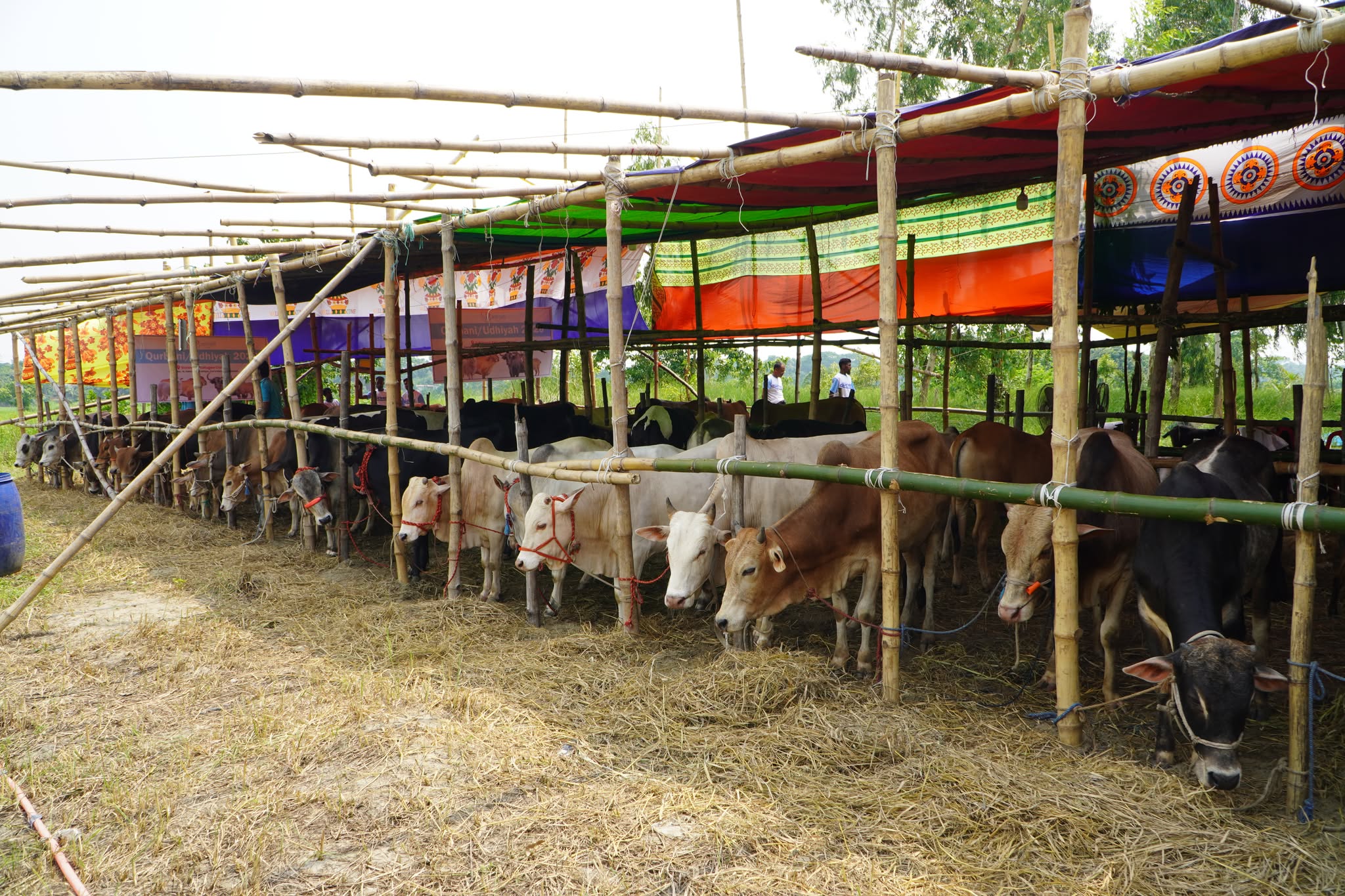
Seven Times the Blessing: Why the Camel Qurbani is an Eid Game-Changer!
Seven Times the Blessing: Why the Camel Qurbani is an Eid Game-Changer! Donate Seven Times the Blessing: Why the Camel
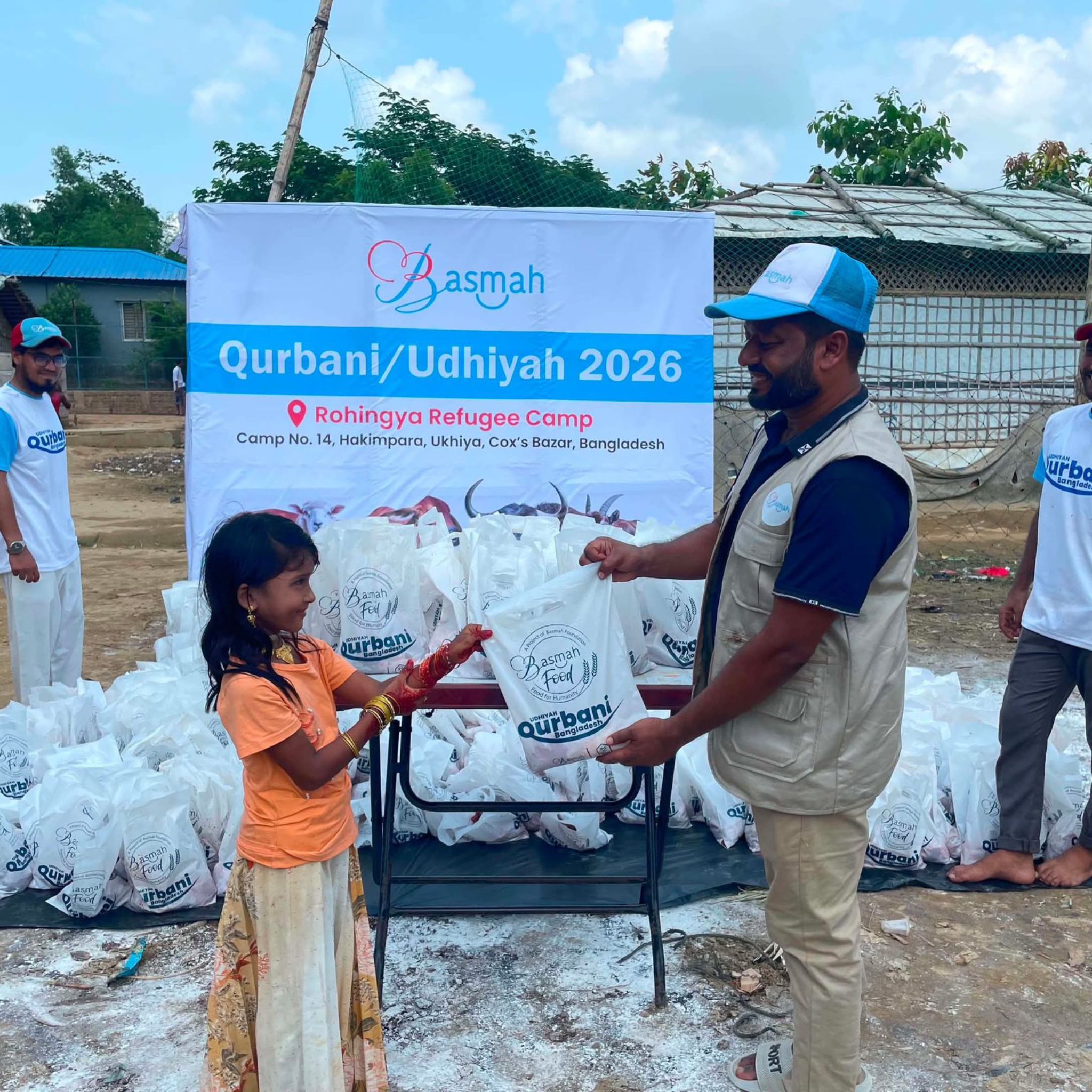
Rules of Cow Qurbani The Big Heart of Qurbani
Rules of Cow Qurbani The Big Heart of Qurbani Donate Rules of Cow Qurbani The Big Heart of Qurbani A
The Great Story of Sacrifice: Qurbani in the Quran and Itโs Story
The Great Story of Sacrifice: Qurbani in the Quran and Itโs Story Donate The Great Story of Sacrifice: Qurbani in
BASMAH Guide to Qurbani: Rules, Requirements, and How Your Sacrifice Helps
BASMAH Guide to Qurbani: Rules, Requirements, and How Your Sacrifice Helps Donate BASMAH Guide to Qurbani: Rules, Requirements, and How
Qurbani rules in Islam
Qurbani rules in Islam Donate Qurbani rules in Islam What governs the sacred offering of qurbani? Who is Mandated to
Qurbani Meaning and its Story
Qurbani Meaning and its Story Donate Qurbani Meaning and its Story Qurbani Rules Qurbani Obligatory Qurabniโs Age Qurbani Time Qurbani
Rules of Cow Qurbani
Rules of Cow Qurbani Donate Rules of Cow Qurbani Qurbani of a Cow Qurbani Shares for a Cow Cow Qurbani
Rules of Camel Qurbani
Your Path to Jannah: The Complete Guide to Camel Qurbani That Transforms Lives Donate Your Path to Jannah: The Complete
Qurbani Rulings and Animal Welfare
Your Complete Qurbani Rules Guide: Unlock Unlimited Barakah This Eid Donate Your Complete Qurbani Rules Guide: Unlock Unlimited Barakah This
Benefits of Qurbani in Islam
Benefits of Qurbani in Islam Donate Significance of qurbani in Islam The Quran describes the animal sacrifice as follows: โIt
Qurbani for a Newborn Baby
Qurbani for a Newborn Baby Donate Qurbani for a Newborn Baby Sunnah Sacrificed for a Newborn Baby Aqiqah or Qurbani
What We Should Not Do Before Qurbani
Your Ultimate Qurbani Preparation Guide: Don't Make These Costly Mistakes Donate Your Ultimate Qurbani Preparation Guide: Don't Make These Costly
Qurbani in Quran and Hadith
Rules of Cow Qurbani The Big Heart of Qurbani Donate Rules of Cow Qurbani The Big Heart of Qurbani A
How to Perform Qurbani โ A Step-by-Step Guide
Your Complete Qurbani Guide: 5 Simple Steps to Guarantee Jannah Rewards Donate Your Complete Qurbani Guide: 5 Simple Steps to
The Etiquette of Qurbani A Complete Guide
Complete Guide to Qurbani: Earn Allah's Pleasure and Help the Ummah This Eid Donate Complete Guide to Qurbani: Earn Allah's
Qurbani Or Udhiyah In Islam
Qurbani Or Udhiyah In Islam Donate Qurbani Or Udhiyah In Islam What is Qurbani or Udhiyah? Why do only Muslims
An Icon Of Sacrifice And Submission: Prophet Ibrahim (AS)
An Icon Of Sacrifice And Submission: Prophet Ibrahim (AS) Donate An Icon Of Sacrifice And Submission: Prophet Ibrahim (AS) The
All You Need to Know About Qurbani Rules
ALL YOU NEED TO KNOW ABOUT QURBANI RULES Donate ALL YOU NEED TO KNOW ABOUT QURBANI RULES What is Qurbani?