


Understanding Aqiqah and Qurbani

Understanding Aqiqah and Qurbani

Welcoming New Life with Barakah: Understanding Aqiqah and Qurbani – Two Beautiful Paths of Devotion
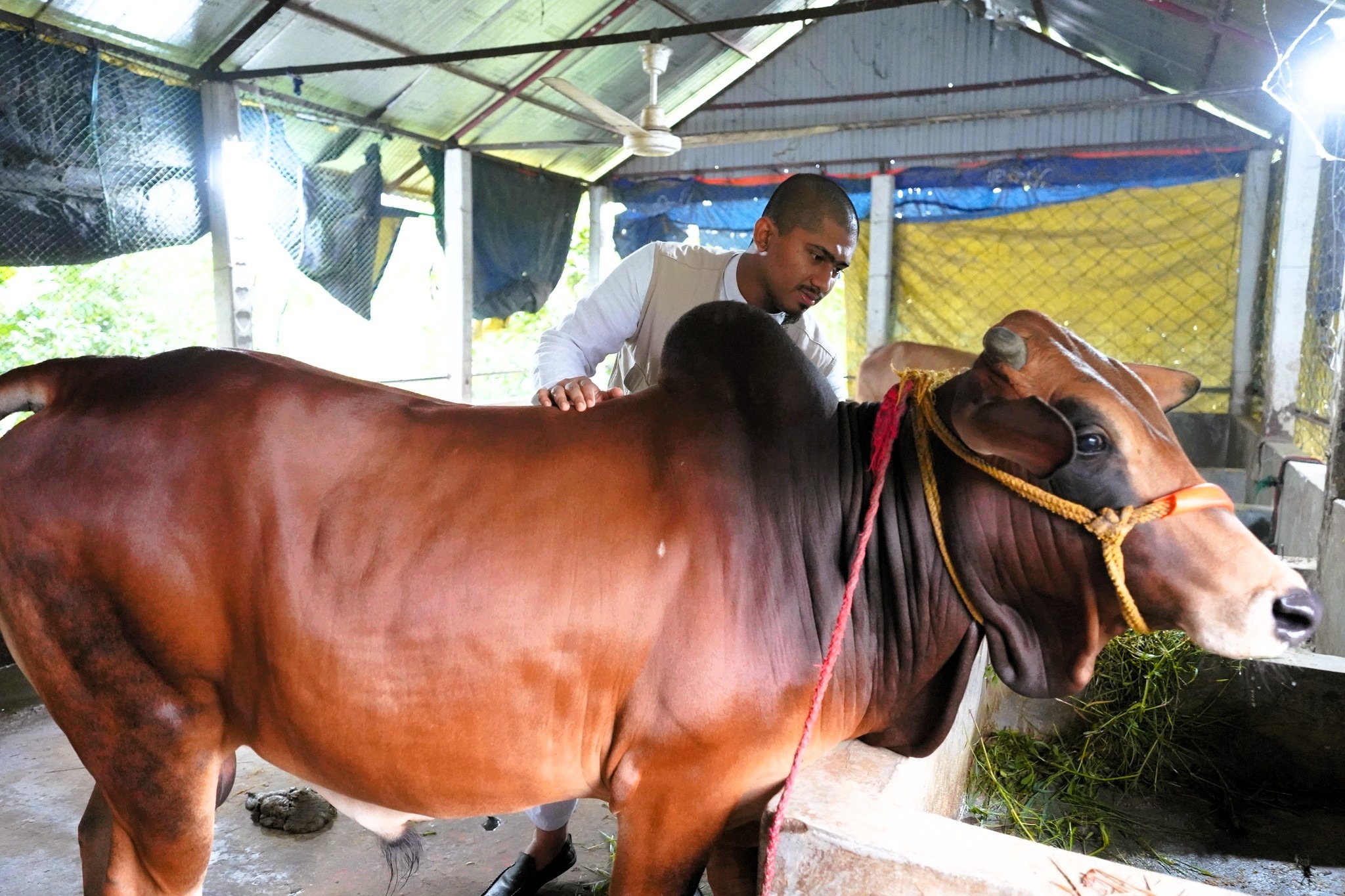
May every newborn enter this world under showers of mercy, and may your acts of sacrifice draw your family closer to the gardens of Jannah, filled with endless barakah and hope

The arrival of a tiny soul into a family feels like the first gentle rays of dawn after a long night—full of wonder, gratitude, and fresh beginnings. In Islam, this precious moment calls for more than quiet celebration. It invites two noble acts of worship that have warmed hearts for centuries: Aqiqah and Qurbani. Though both involve sacrifice, they bloom at different times and carry their own unique fragrance of faith, community, and closeness to Allah (SWT). Understanding them clearly helps every parent, guardian, and believer offer with sincerity and joy. Let us walk through their meanings, differences, and the deep spiritual light they bring to our lives.

Aqiqah: A Warm Welcome and Protection for the Newborn

When a baby enters the world, the seventh day often sparkles with a special Sunnah called Aqiqah. The word itself carries the idea of “cutting” or freeing—symbolizing the removal of any unseen burdens and the child’s pure entry into this life under Allah’s care. For a baby boy, the beloved Sunnah encourages two healthy animals, usually goats or sheep. For a baby girl, one animal suffices. This beautiful distinction reflects the balance and mercy woven into our deen, never implying one gender holds more value—both are equal gifts from the Most Merciful.

The Prophet Muhammad ﷺ himself performed Aqiqah for his beloved grandsons, Imam Hasan and Imam Husain (may peace be upon them), showing its importance with his noble example. A narration from Salman ibn Amir al-Dabbi records the Prophet ﷺ saying: “For a newly born boy, offer a sacrifice and remove all dirt from him.” Another hadith from Samurah ibn Jundub adds: “Every child is held in pledge by his Aqiqah; slaughter him on the seventh day, give him a name, and shave his head.”

This act goes beyond meat. It wraps the newborn in protection, gratitude, and community warmth. Families gather, the aroma of cooking meat fills the home, and portions reach relatives, neighbors, and especially the poor. In that sharing, barakah multiplies like ripples on a calm pond. Many parents feel a quiet peace afterward—as if they have planted seeds in Jannah for their child’s future.

Aqiqah or Qurbani for a Newborn: Telling Two Good Deeds Apart

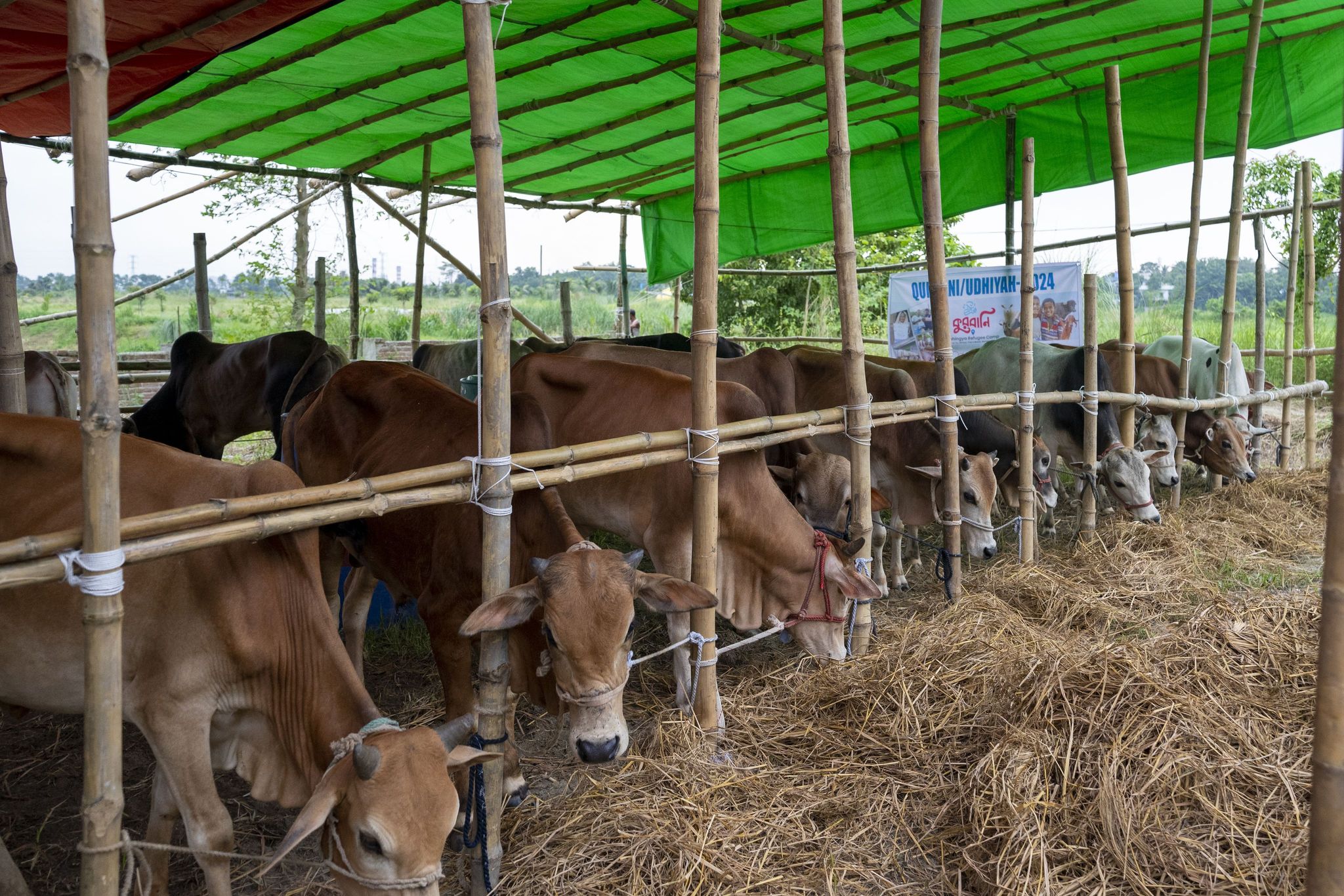
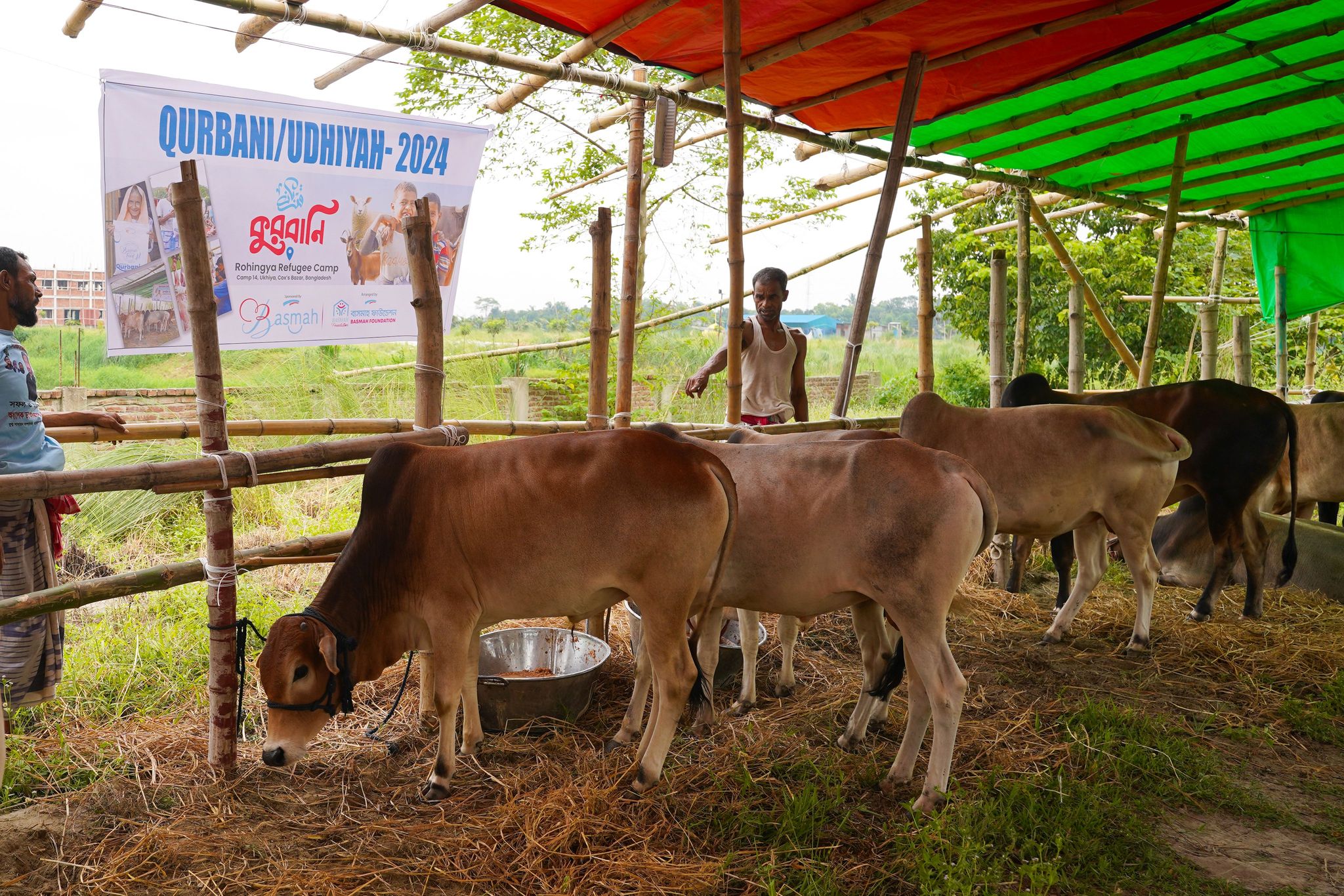
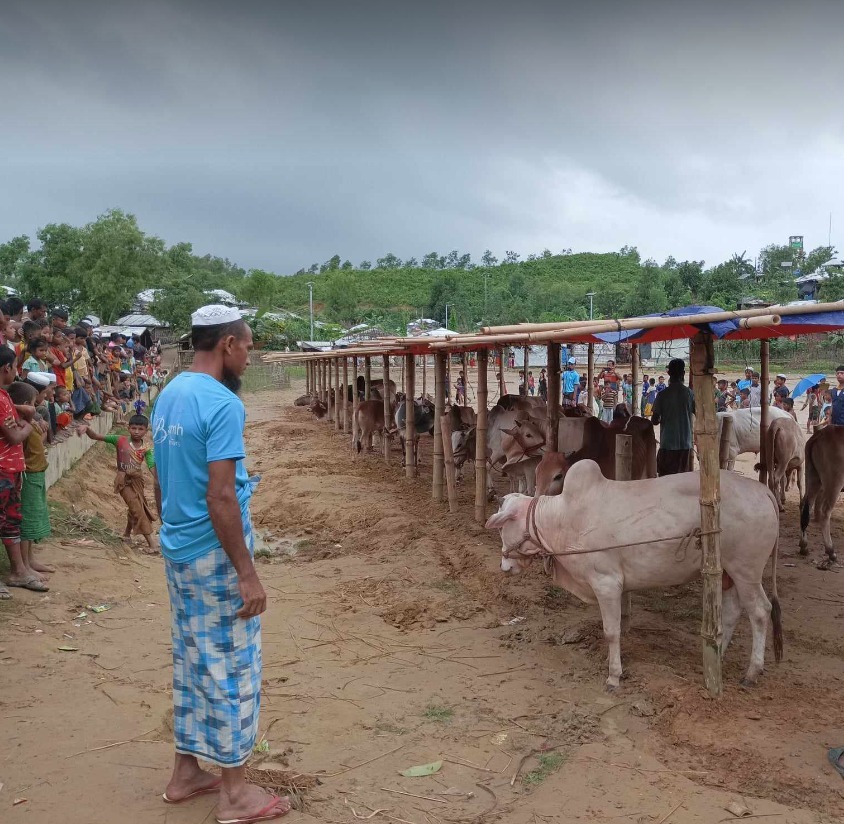
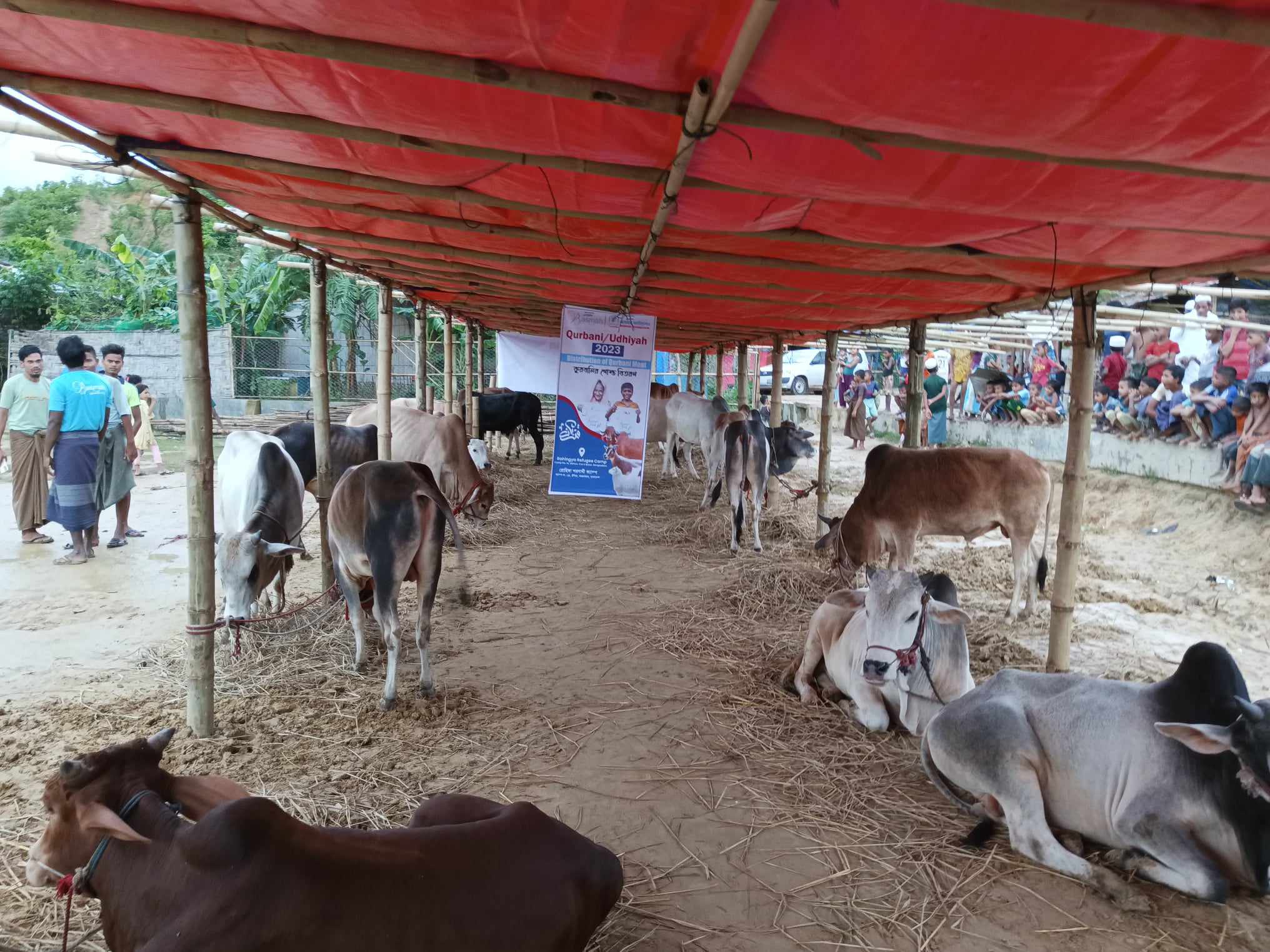
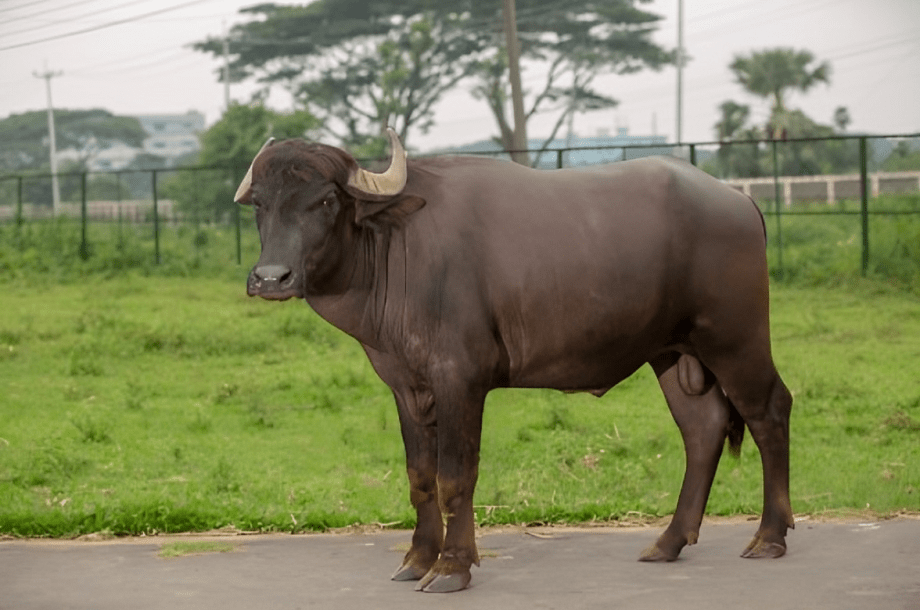
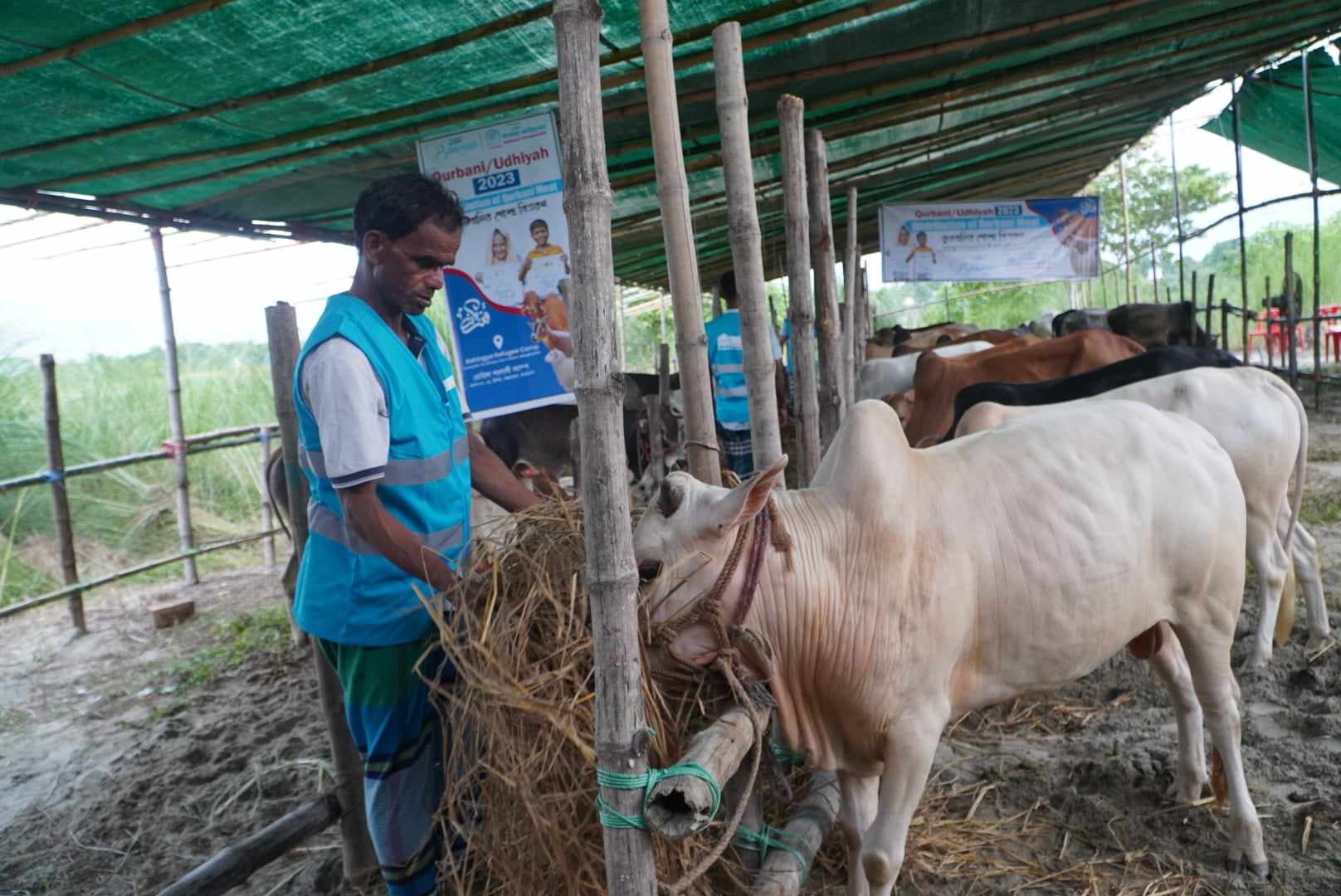
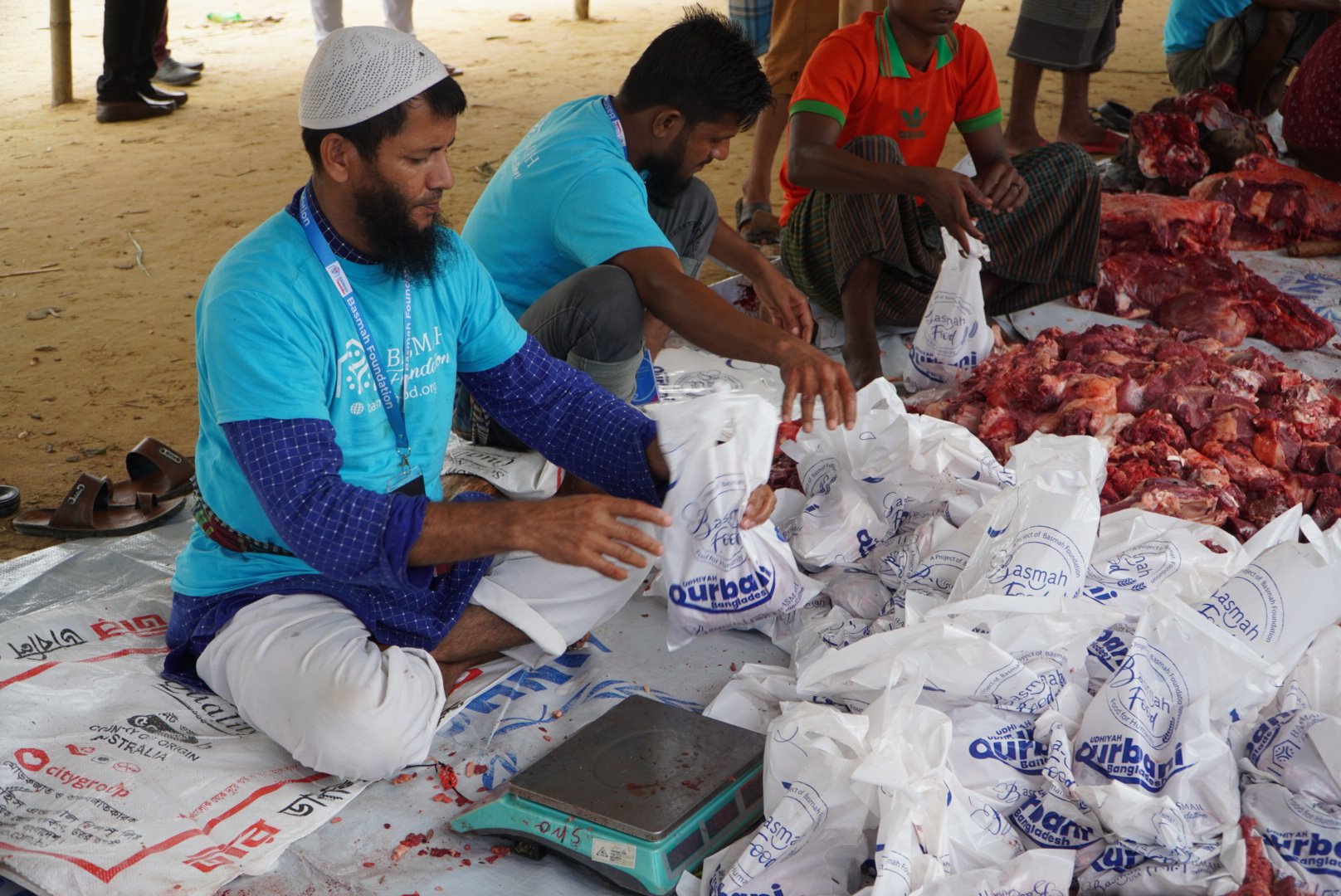
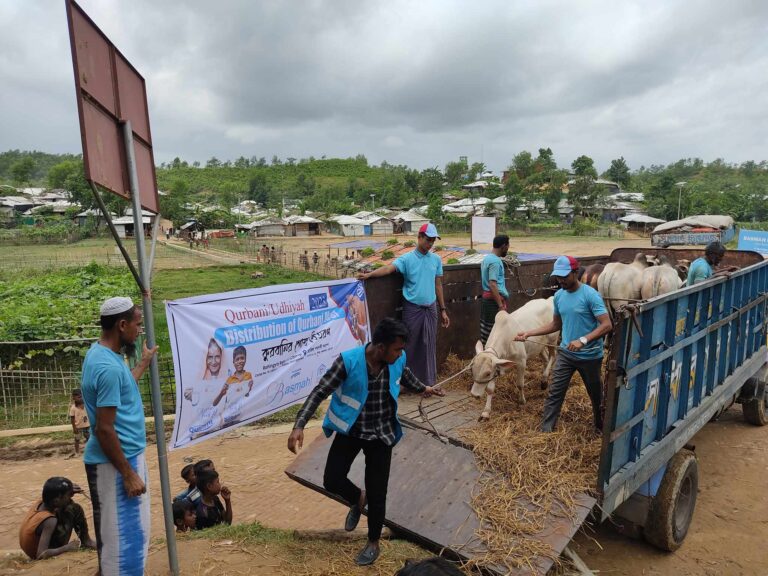
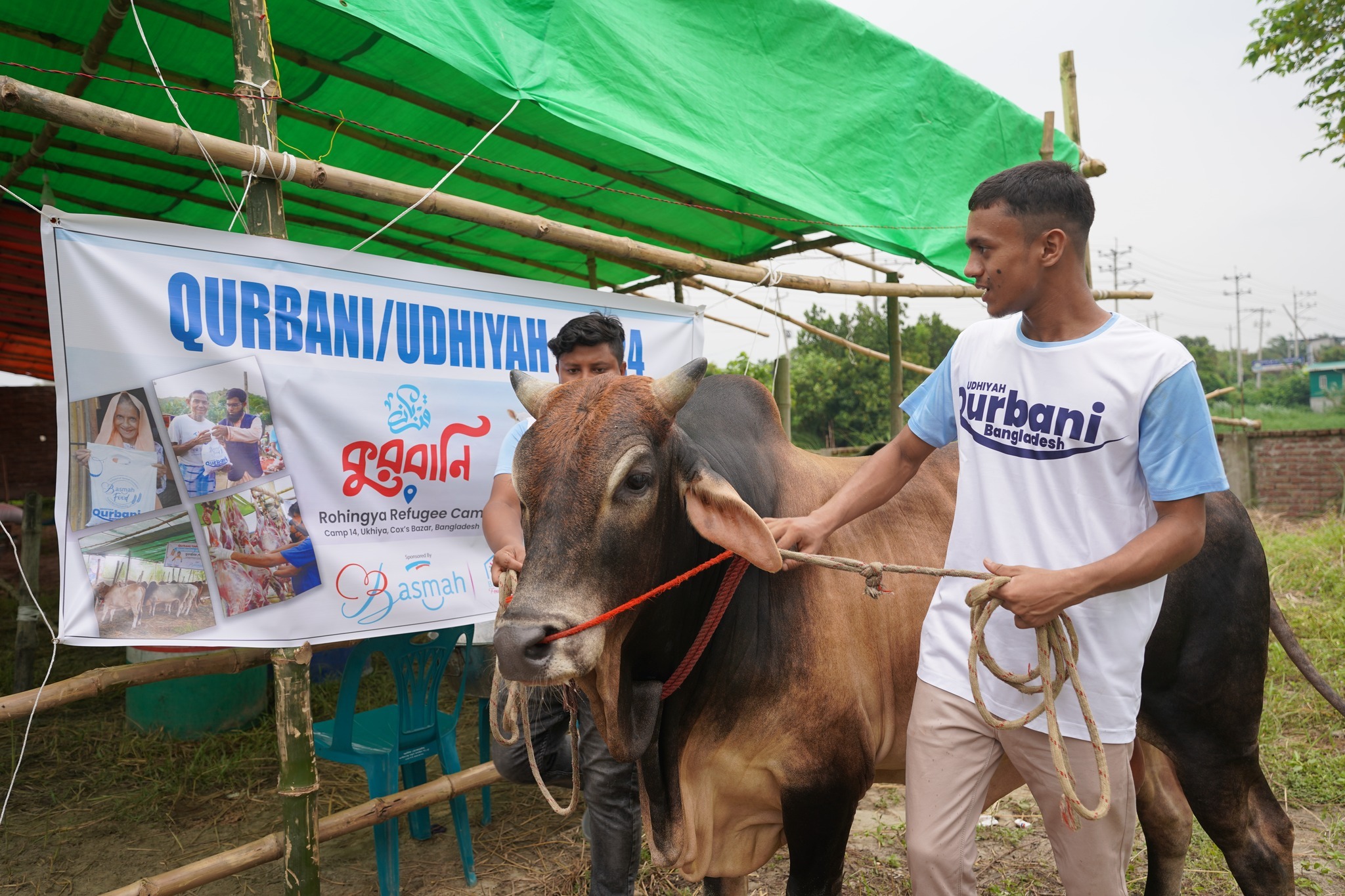
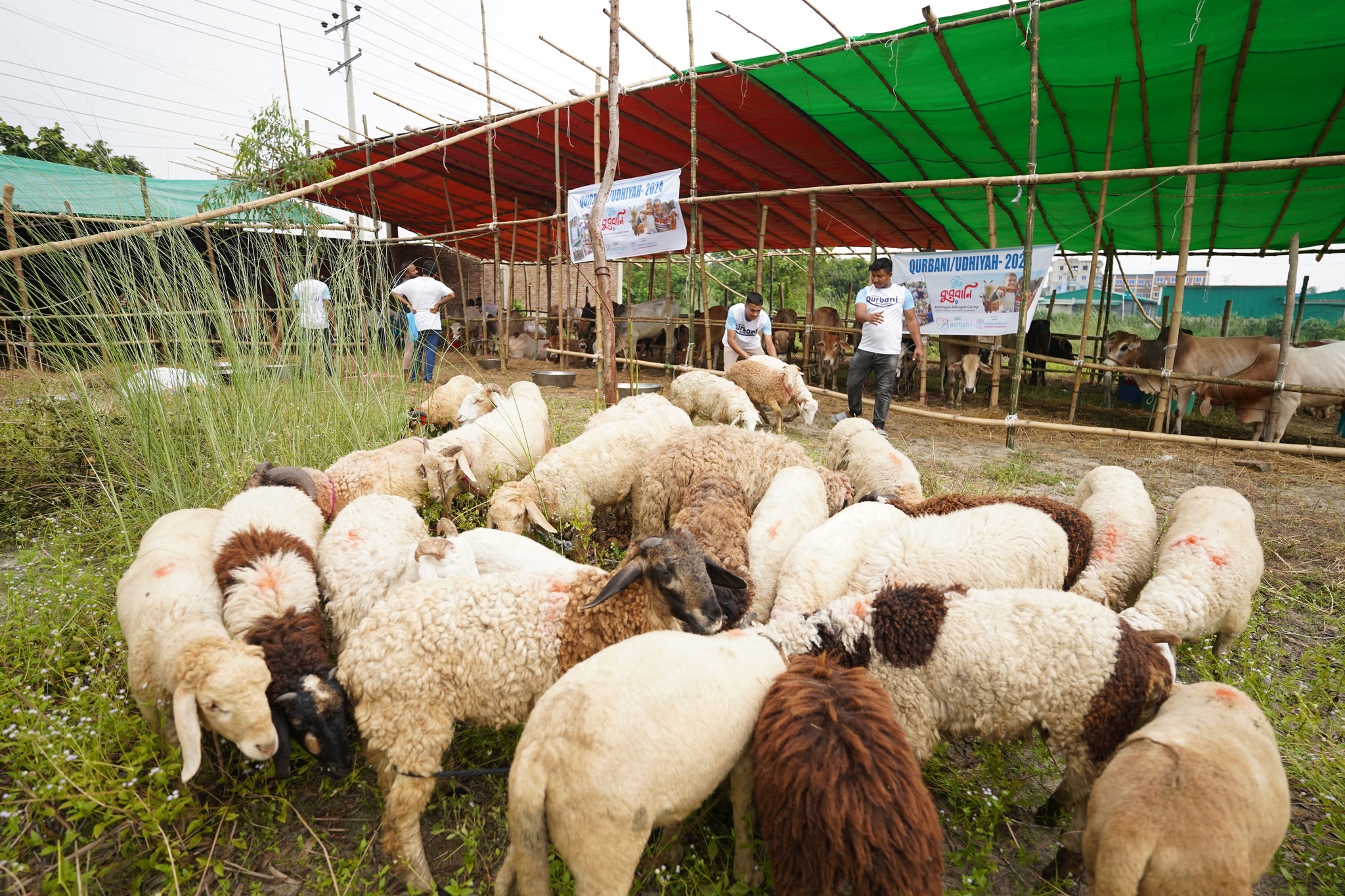
Hearts sometimes blend these two acts, yet each shines with its own gentle light. Qurbani blooms during the grand days of Eid al-Adha, from the 10th to the 13th of Dhul Hijjah. It commemorates Prophet Ibrahim’s (AS) ultimate surrender and can be offered every year by those who have the means. It unites the entire Ummah in remembrance, gratitude, and generosity.

Aqiqah, by contrast, is a once-in-a-lifetime celebration tied specifically to the miracle of birth. It carries an intimate, personal touch—like a quiet conversation between parents and Allah about the new soul He entrusted to them. While Qurbani feels like a festival of collective faith, Aqiqah whispers personal thanks for this specific blessing. Both please Allah, yet their timing and purpose differ like two flowers in the same garden—one seasonal and communal, the other tender and tied to new life.

I’m on the advisory board of this great organization, Basmah. And I’m saying to you, from a man on the inside, they do a lot of incredible work. I’m amazed every day by more and more work; they don’t stop, they never stop.
Imam Siraj Wahhaj  

Imam Siraj Wahhaj

Honorary advisor of BASMAH

Timing with Mercy and Flexibility

The ideal moment for Aqiqah arrives on the seventh day—a number rich with blessings. If circumstances like the mother’s recovery or travel make it difficult, the fourteenth or twenty-first day works beautifully. Some even fulfill it later, even into the child’s youth. There is no harshness in our faith; Allah understands the burdens parents carry, and the door of mercy stays wide open.

Alongside the sacrifice, families give the child a beautiful name and shave the head. The weight of the shaved hair is often given in charity as gold or silver—another layer of Sadaqah that multiplies blessings from the very beginning of life.

Who Needs to Offer Qurbani? Understanding the Gentle Obligation

Qurbani becomes a duty (wajib in the Hanafi school) for sane, mature Muslims who possess wealth above basic needs. Children themselves carry no responsibility until they reach puberty and have means. Yet loving parents often offer on their behalf as an extra act of love and protection—storing rewards that will greet the child on the Day of Accounting. This flexibility shows Allah’s kindness: the strong help the young, and the whole Ummah grows in barakah together.

Sharing the Goodness: Can Qurbani Meat Reach Children?

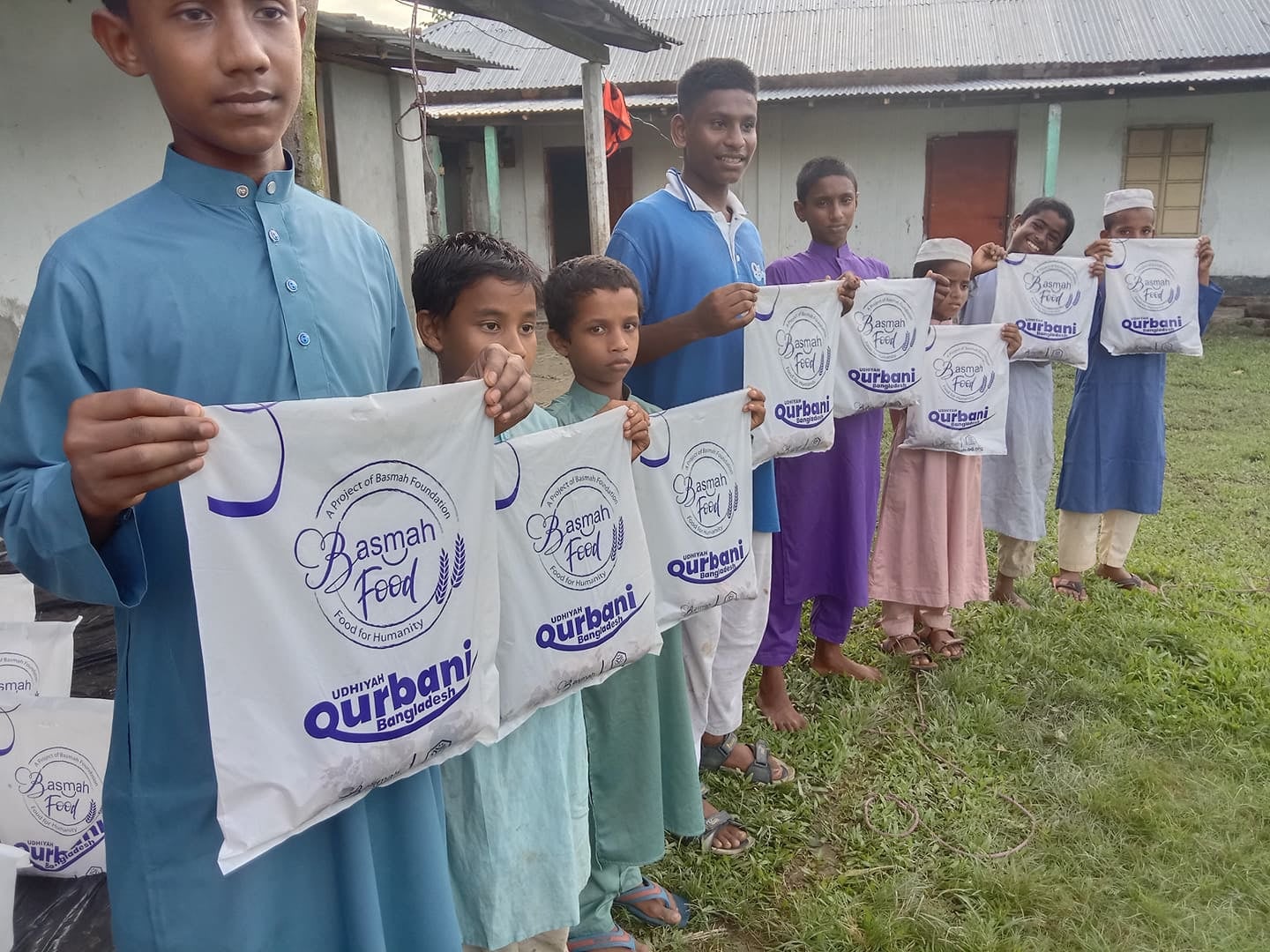
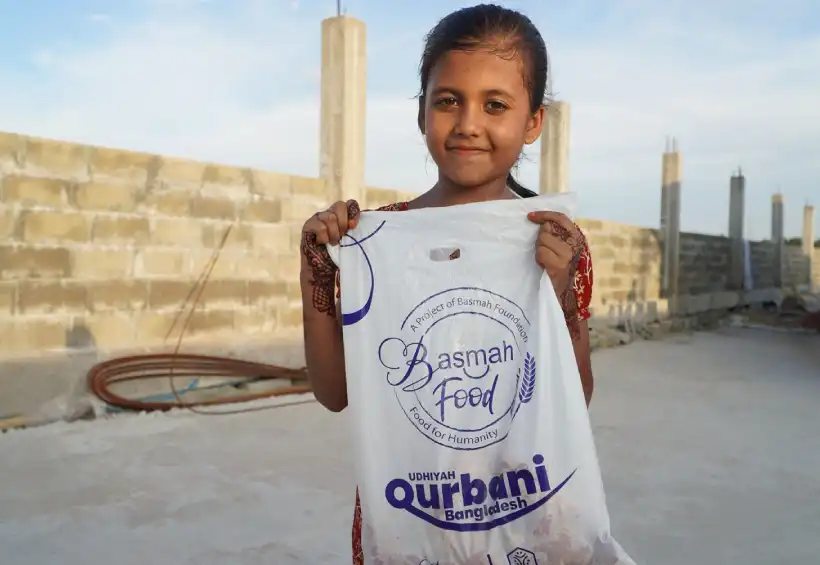
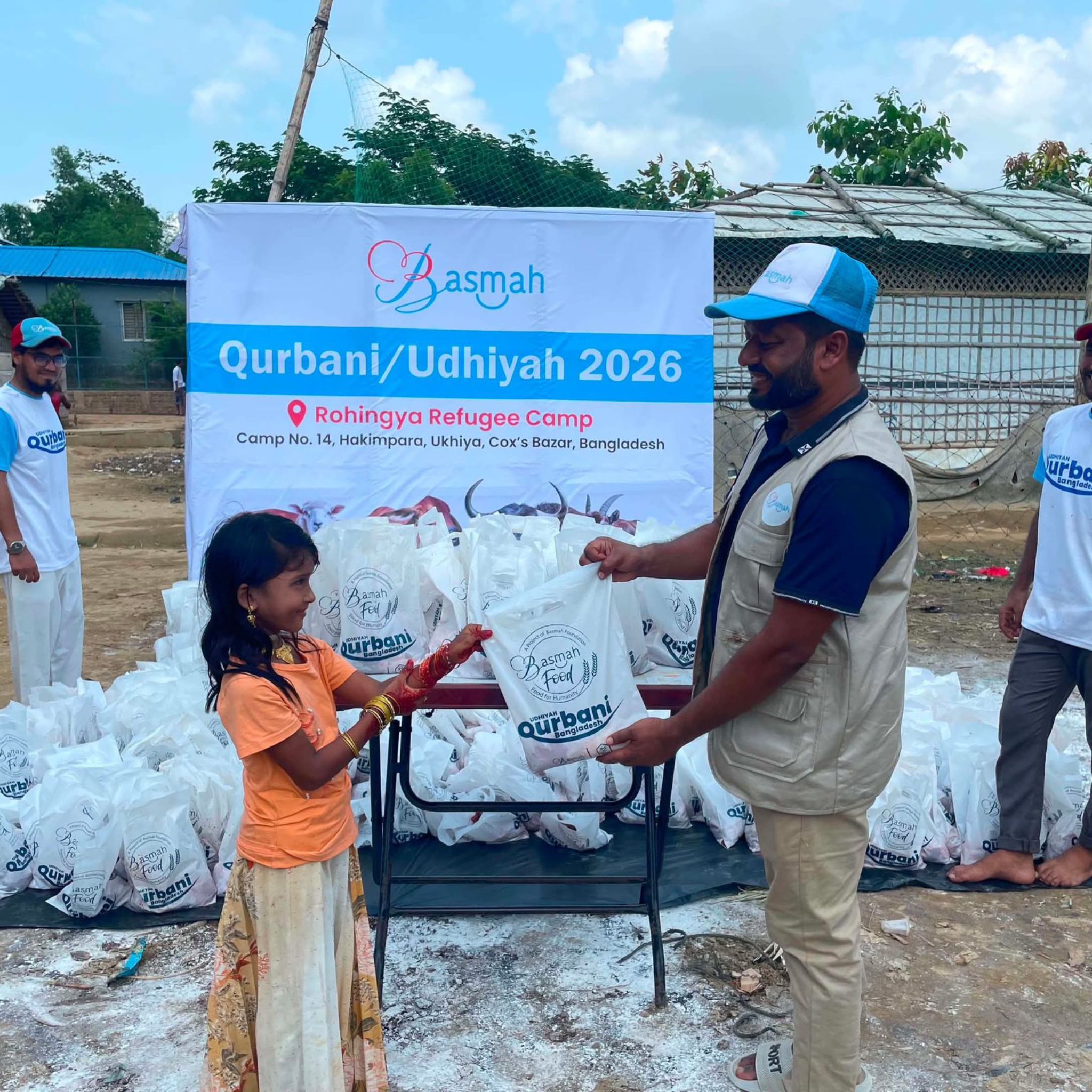
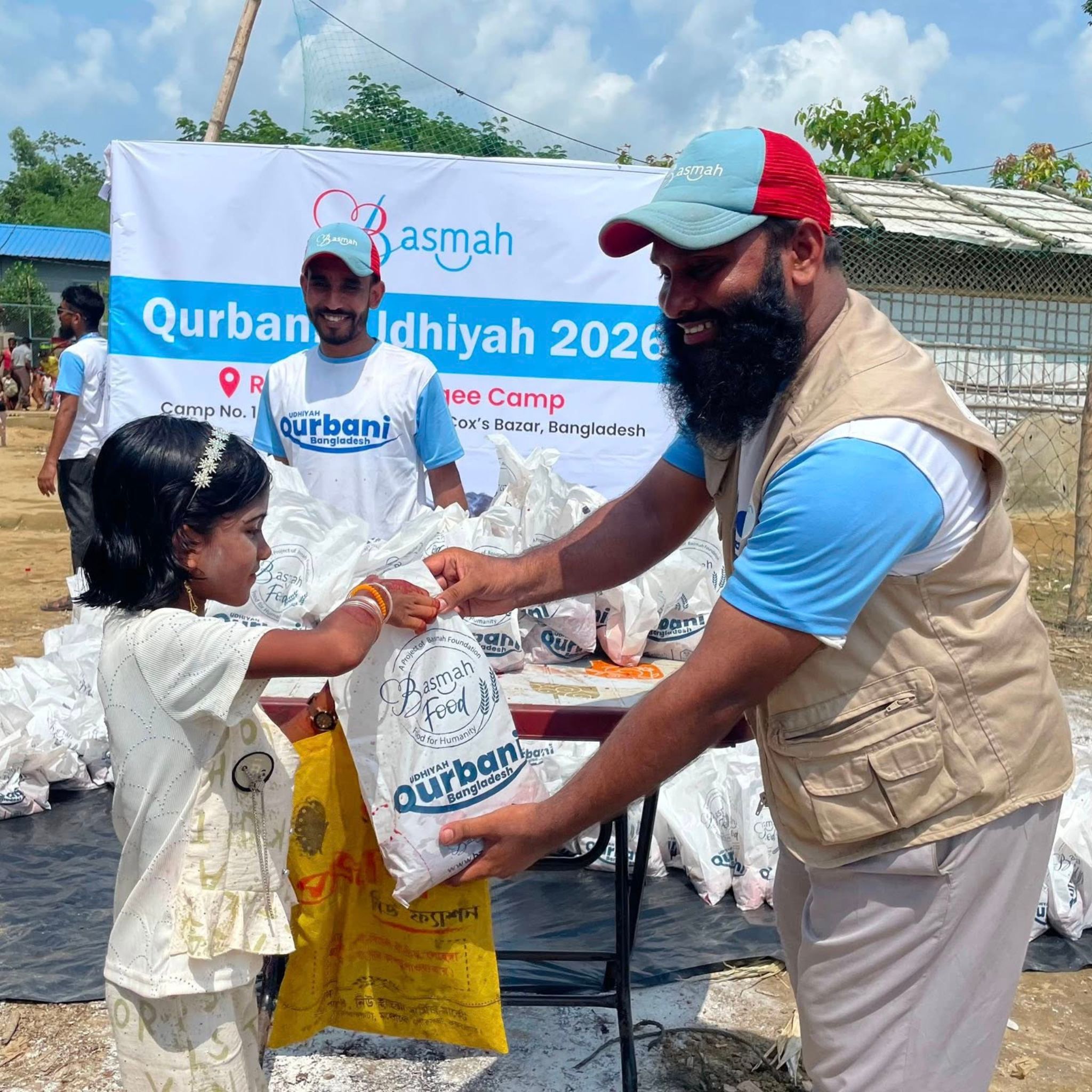
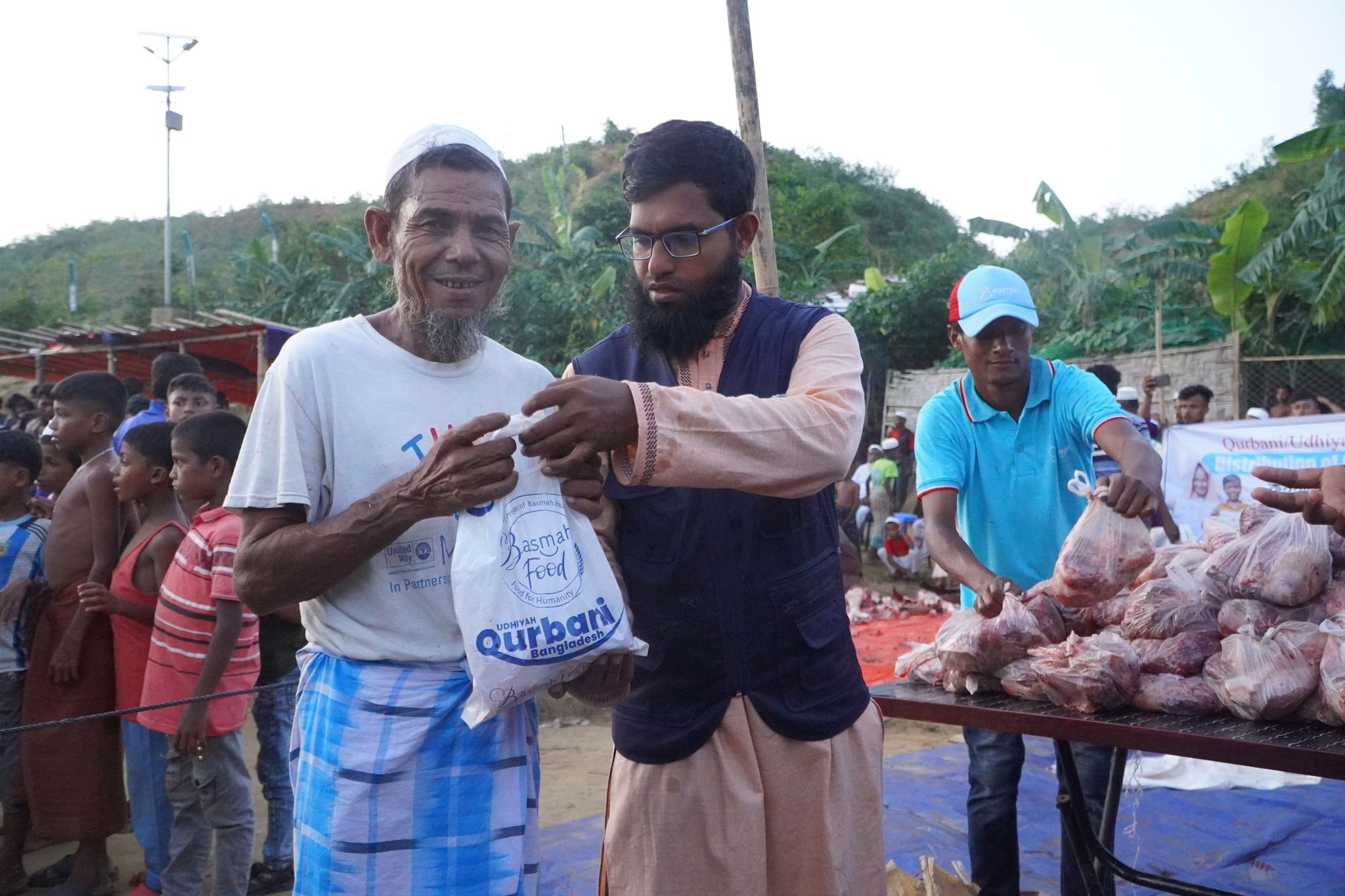
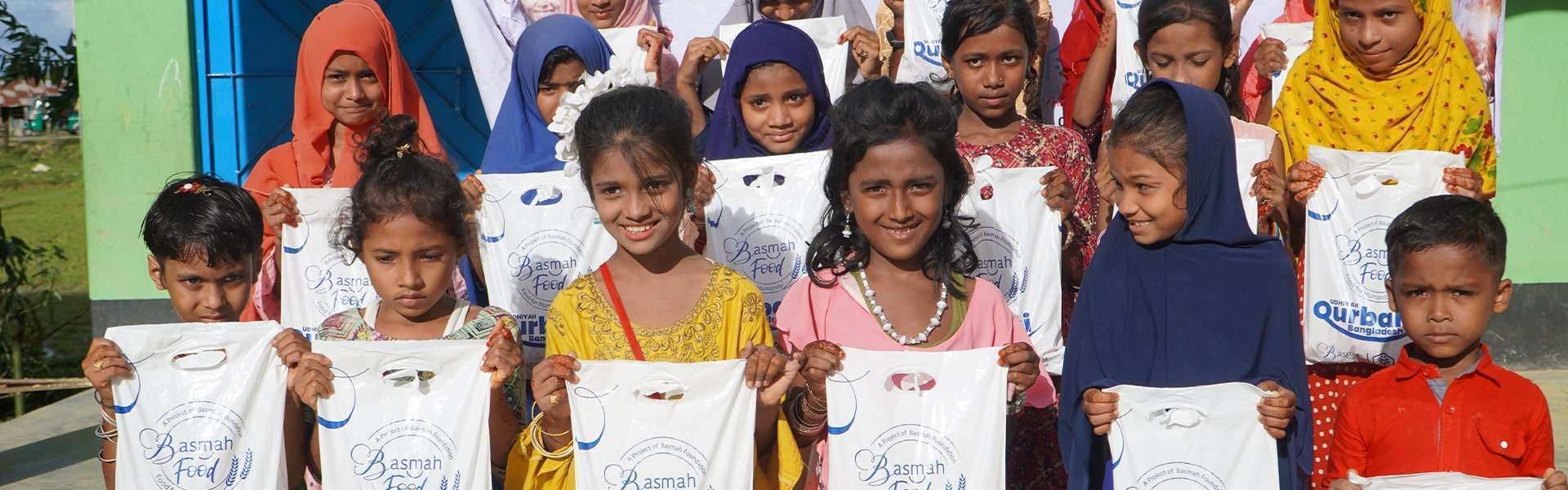
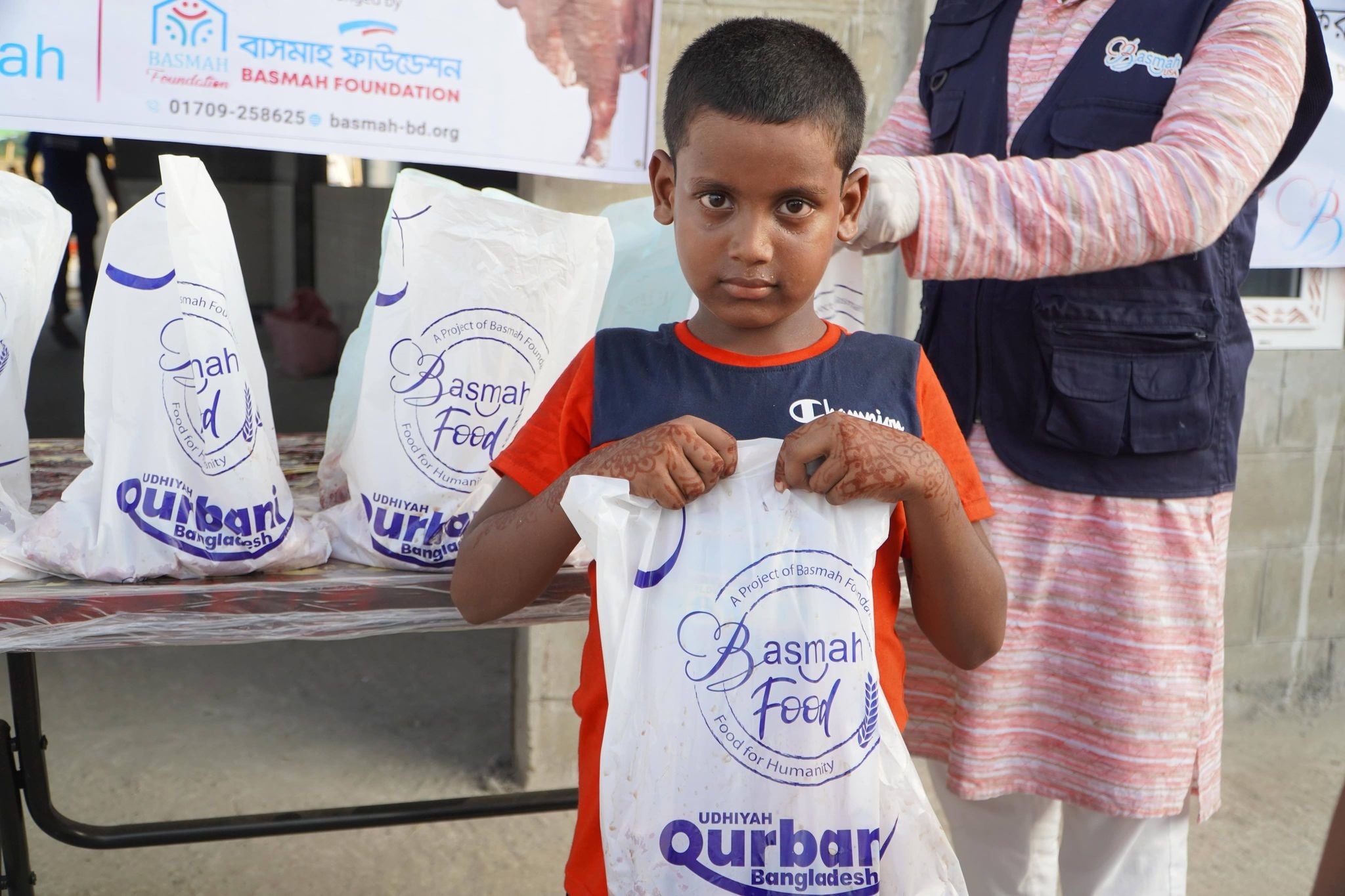
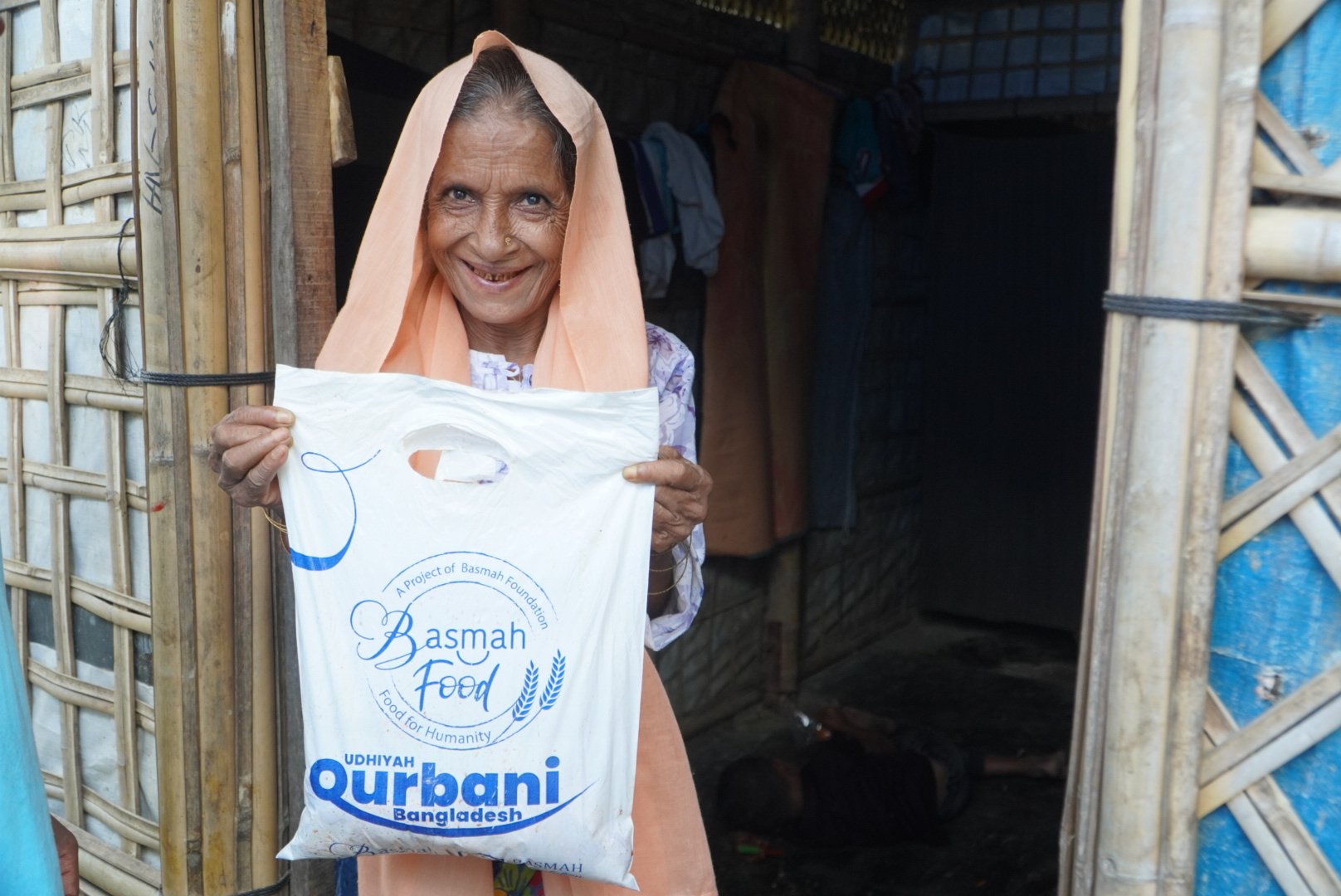
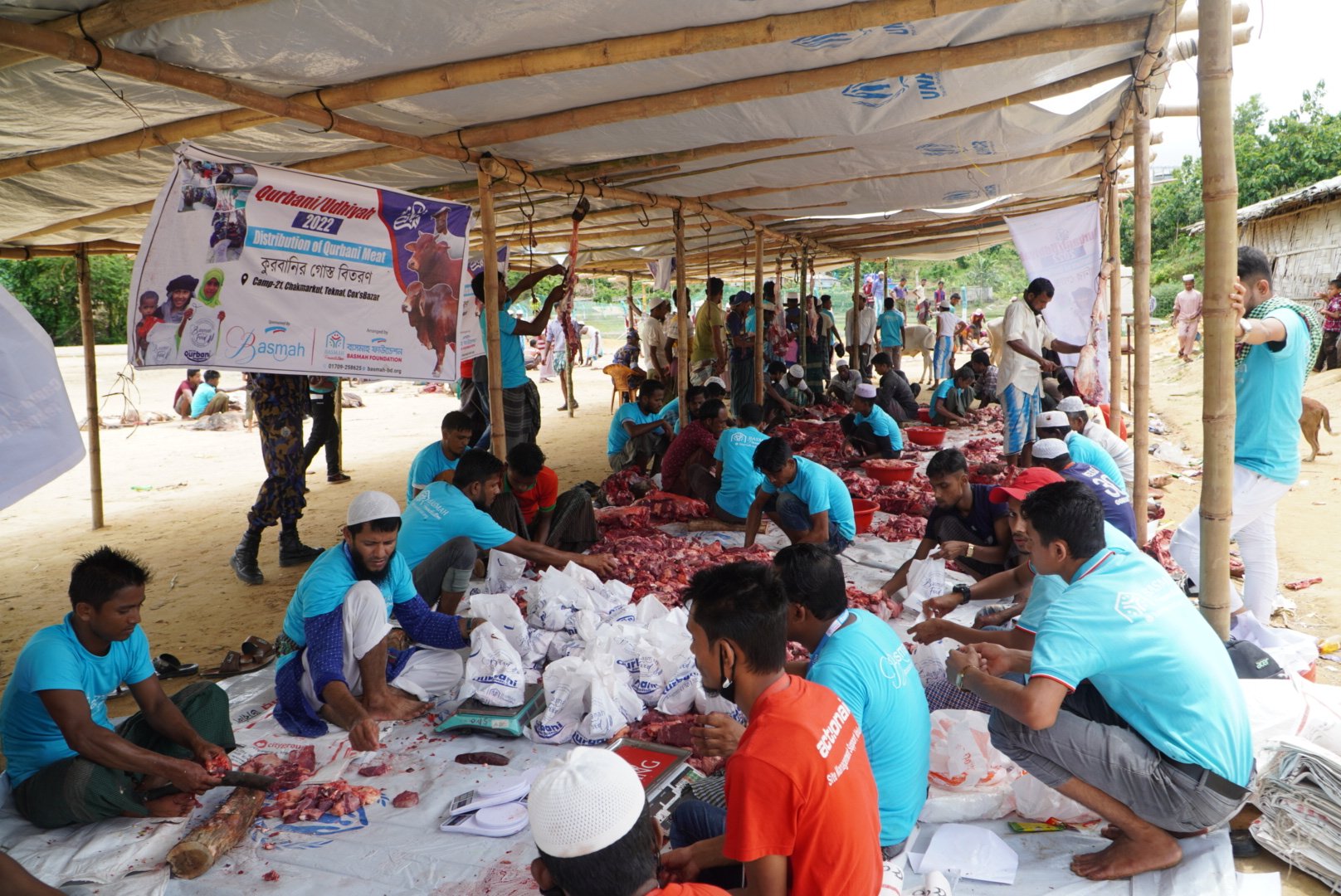
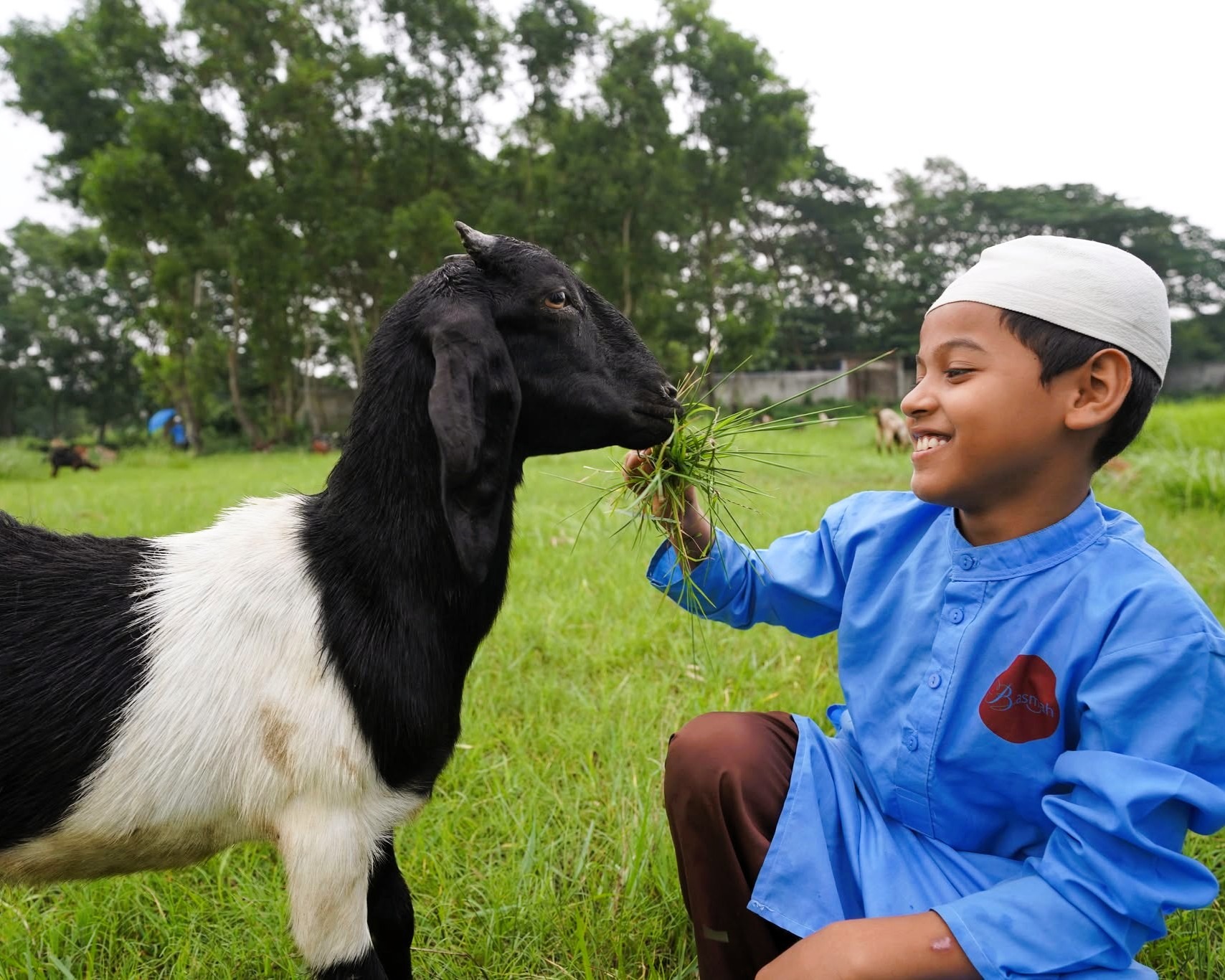
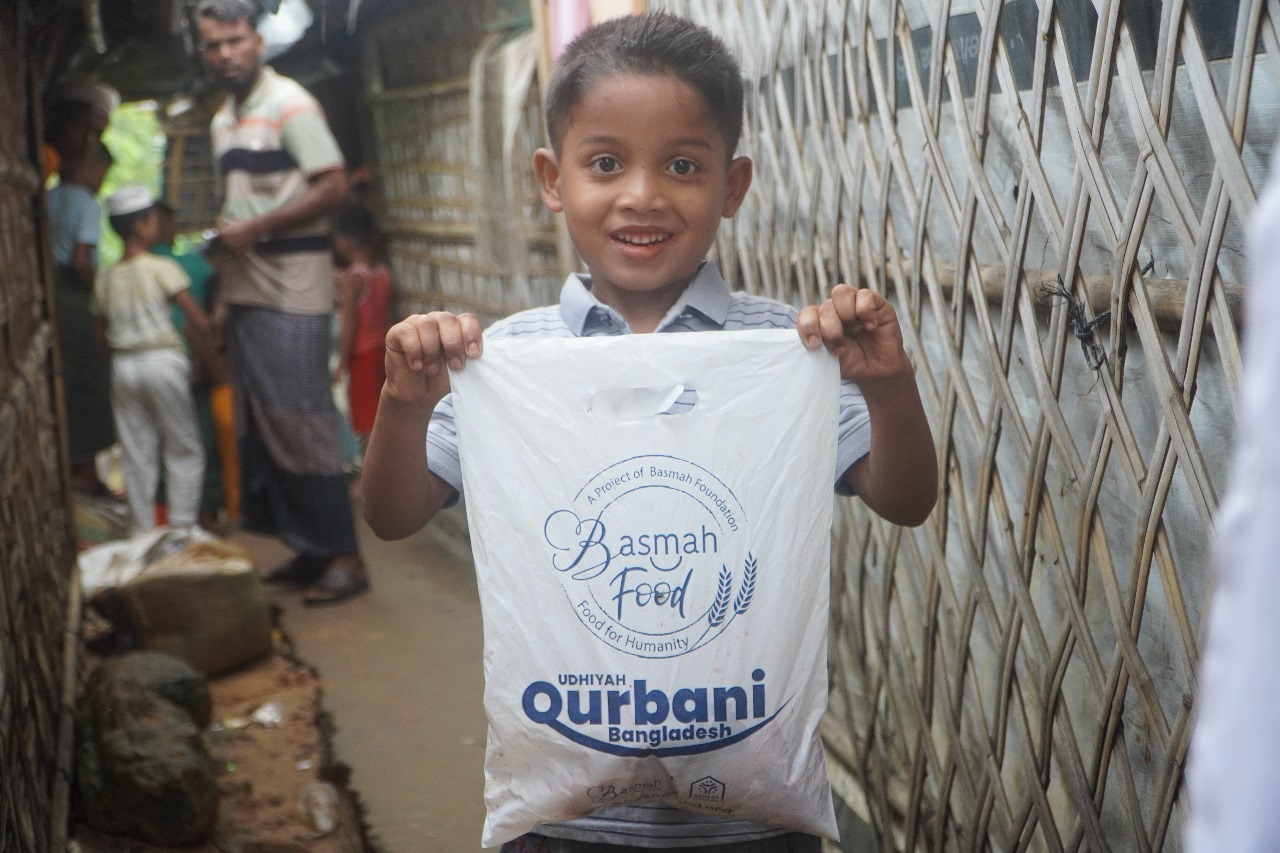
Yes, with open arms! Qurbani meat brings joy to children—especially those from struggling families. The Sunnah encourages sharing with relatives, neighbors, and particularly the poor, regardless of age. Giving this blessed meat to a child plants seeds of happiness and teaches empathy early. It becomes part of the wider circle of compassion that makes Eid al-Adha a festival for the entire community.

Can Aqiqah and Qurbani Be Combined?

When the blessed days of Eid overlap with a baby’s Aqiqah timing, many wonder if both can be fulfilled together. Scholars offer gentle guidance: with a larger animal like a cow or camel (seven shares), it is possible to allocate separate shares—one (or two for a boy) for Aqiqah and others for Qurbani, with clear, distinct intentions. A single small animal, however, usually fulfills only one purpose. In moments of overlap, consult knowledgeable scholars for your specific situation. The key remains purity of intention—each act keeps its own beautiful spirit.

Babies and Qurbani: A Time for Receiving, Not Giving

Newborns and young children carry no obligation for Qurbani. Their days are for being cherished, nurtured, and surrounded by love. Their presence itself brings barakah to the family—like fresh dew that revives the earth. Parents carry the responsibility until the child reaches maturity, offering on their behalf as an act of protective love.

More Than Ritual: The Deeper Spiritual Light of Aqiqah

Aqiqah touches far beyond the sacrifice. It serves as a heartfelt “thank you” for the priceless gift of a child. It seeks protection for the newborn and opens pathways of goodness. Shaving the head and giving charity in its weight symbolizes a fresh, pure start. Naming the child with a meaningful name plants hopes for a life of virtue. Together, these steps create a foundation of faith, generosity, and community from the very first week of life.

Many families who perform Aqiqah speak of unexpected ease afterward—harmony at home, increased closeness to their little one, and doors opening in ways they never imagined. These are glimpses of divine response to sincere gratitude.

The Lasting Message of Qurbani: Submission, Generosity, and Eternal Hope

Qurbani carries its own timeless call. It revives Ibrahim’s (AS) surrender, teaches detachment from wealth, and cultivates empathy through sharing. Every year it reminds us that true richness lies in what we release for Allah’s sake. The meat nourishes bodies, but the act nourishes souls. It purifies wealth, strengthens the Ummah, and stores rewards that continue benefiting others long after this life.

Many families who perform Aqiqah speak of unexpected ease afterward—harmony at home, increased closeness to their little one, and doors opening in ways they never imagined. These are glimpses of divine response to sincere gratitude.

Celebrating New Life and Devotion in Special Ways

Both Aqiqah and Qurbani reflect the beauty of Islam—practical, merciful, and deeply spiritual. Aqiqah welcomes a new soul with personal thanks and protection. Qurbani unites the Ummah in yearly remembrance and generosity. Together they weave gratitude, sacrifice, and community into the fabric of Muslim life.

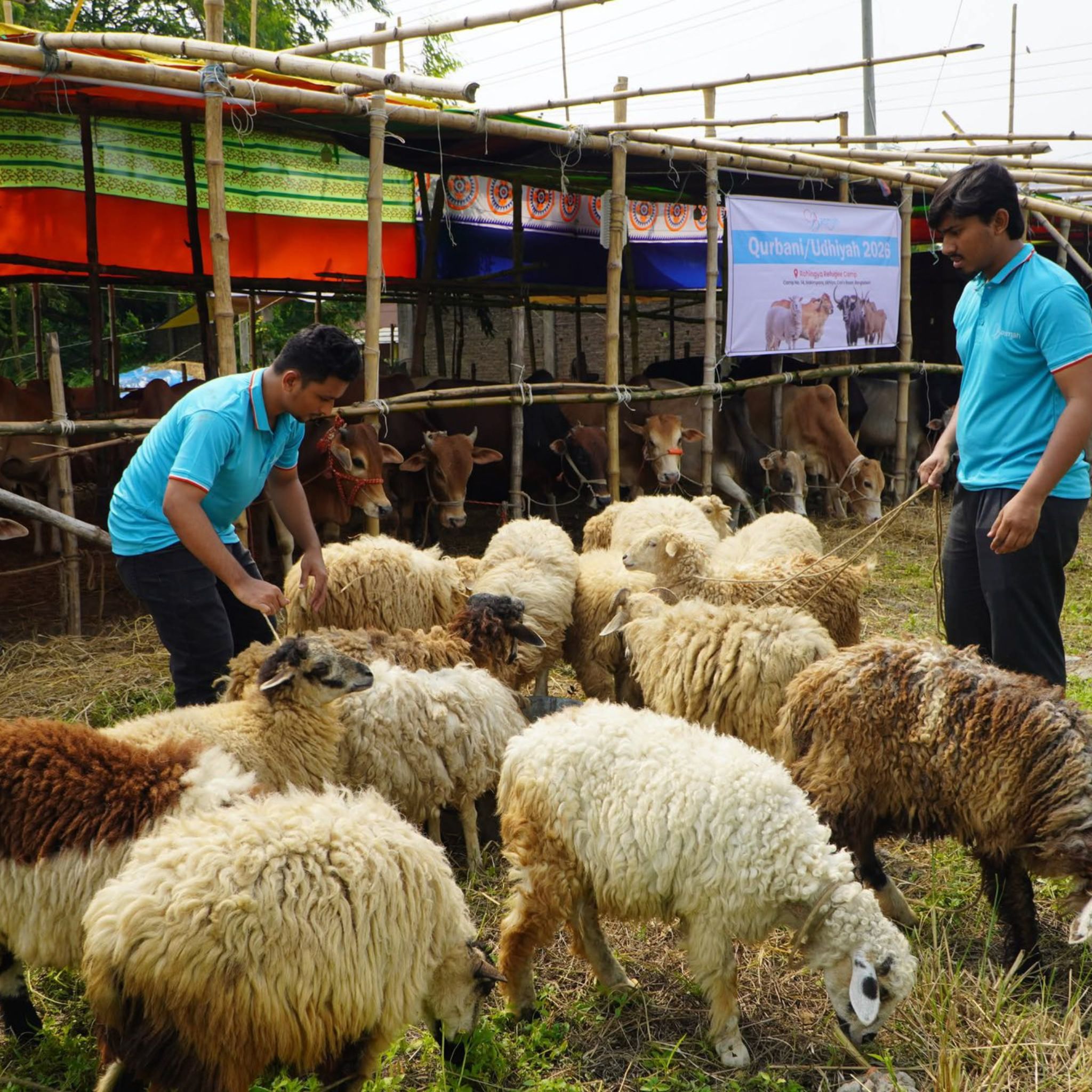
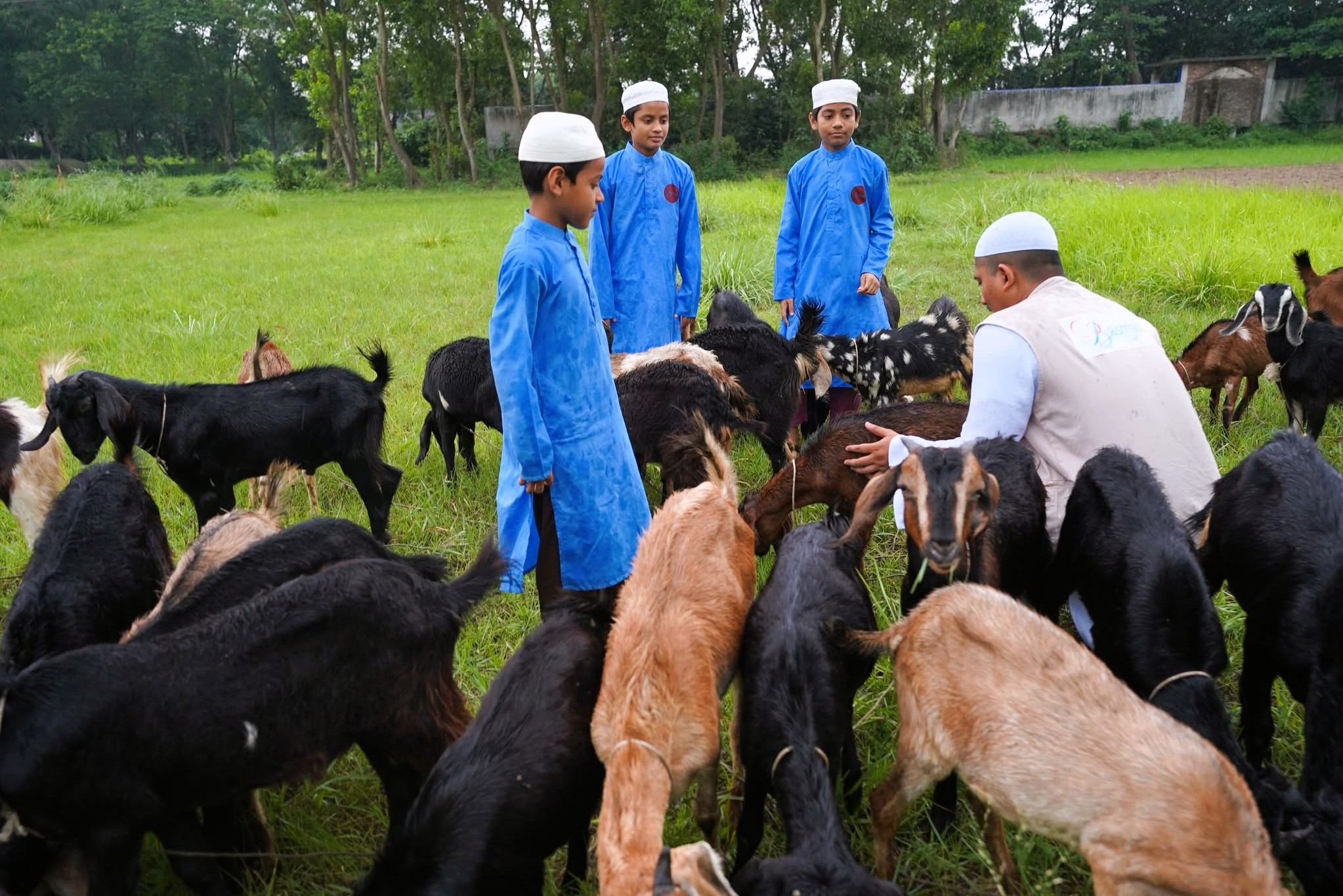
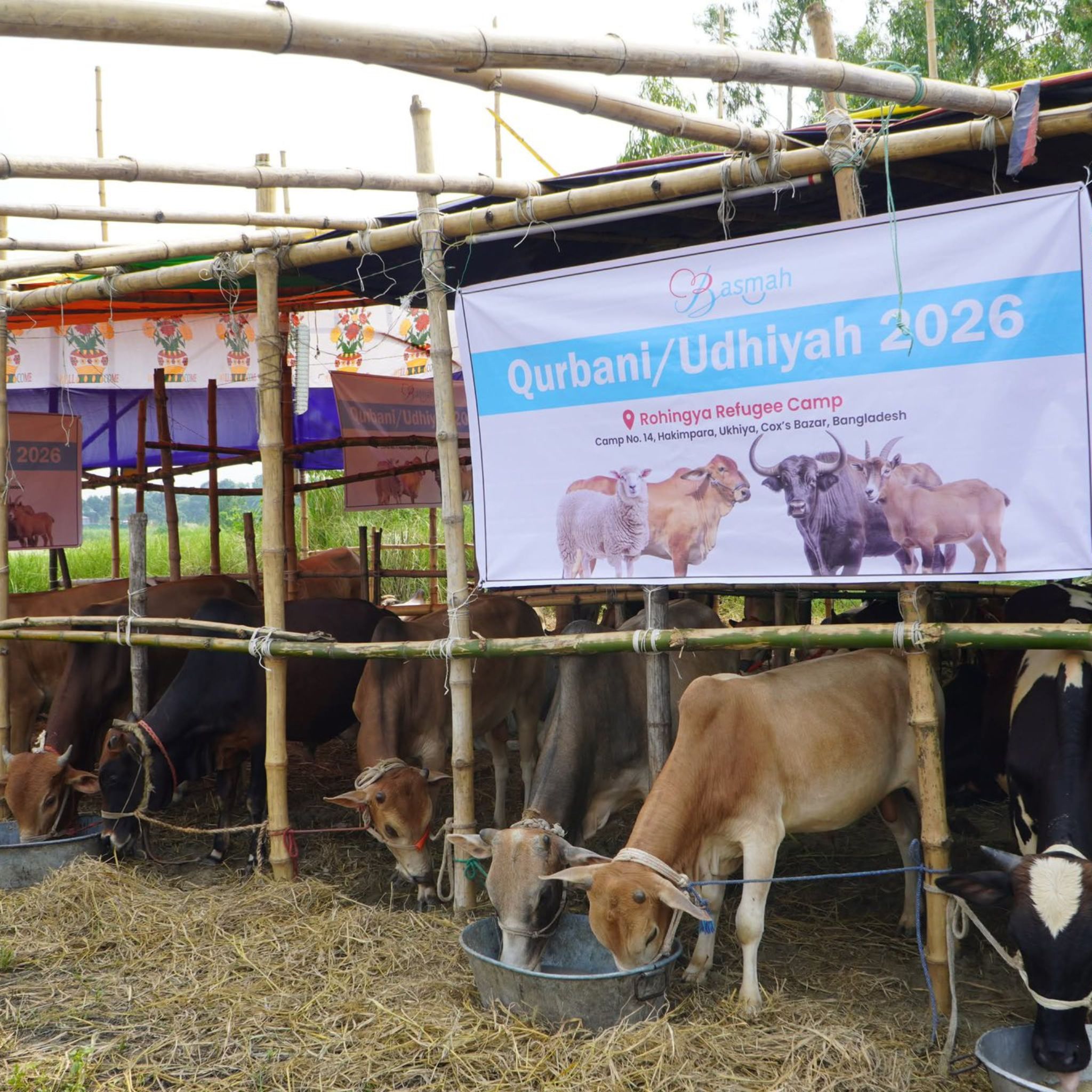
As you prepare for these acts, focus on the heart. Choose healthy animals with care. Offer with joy and clear intention. Share generously. Teach your children the stories behind them. Whether marking a newborn’s arrival or fulfilling the yearly Sunnah, let sincerity guide every step.

May Allah accept every Aqiqah and Qurbani offered with love. May they bring protection to the young, barakah to families, relief to the needy, and closeness to Him for all who strive. May every newborn grow under His mercy, and may every believer taste the sweetness of obedience in both worlds.

O Allah, accept from us as You accepted from Your beloved servants. Shower barakah upon every new life, strengthen the Ummah, feed the hungry through our hands, and grant us all the highest stations in Jannah. Ameen ya Rabb al-Alameen.

These sacred practices are not burdens but loving invitations. Embrace them with an open heart, and watch mercy unfold in ways both seen and unseen. New life and renewed faith—two gifts worth celebrating in the most beautiful ways.

Many families who perform Aqiqah speak of unexpected ease afterward—harmony at home, increased closeness to their little one, and doors opening in ways they never imagined. These are glimpses of divine response to sincere gratitude.

Related Posts

Share this post

ZAKAH CALCULATOR

Document

Deductions

Totals